Introduction
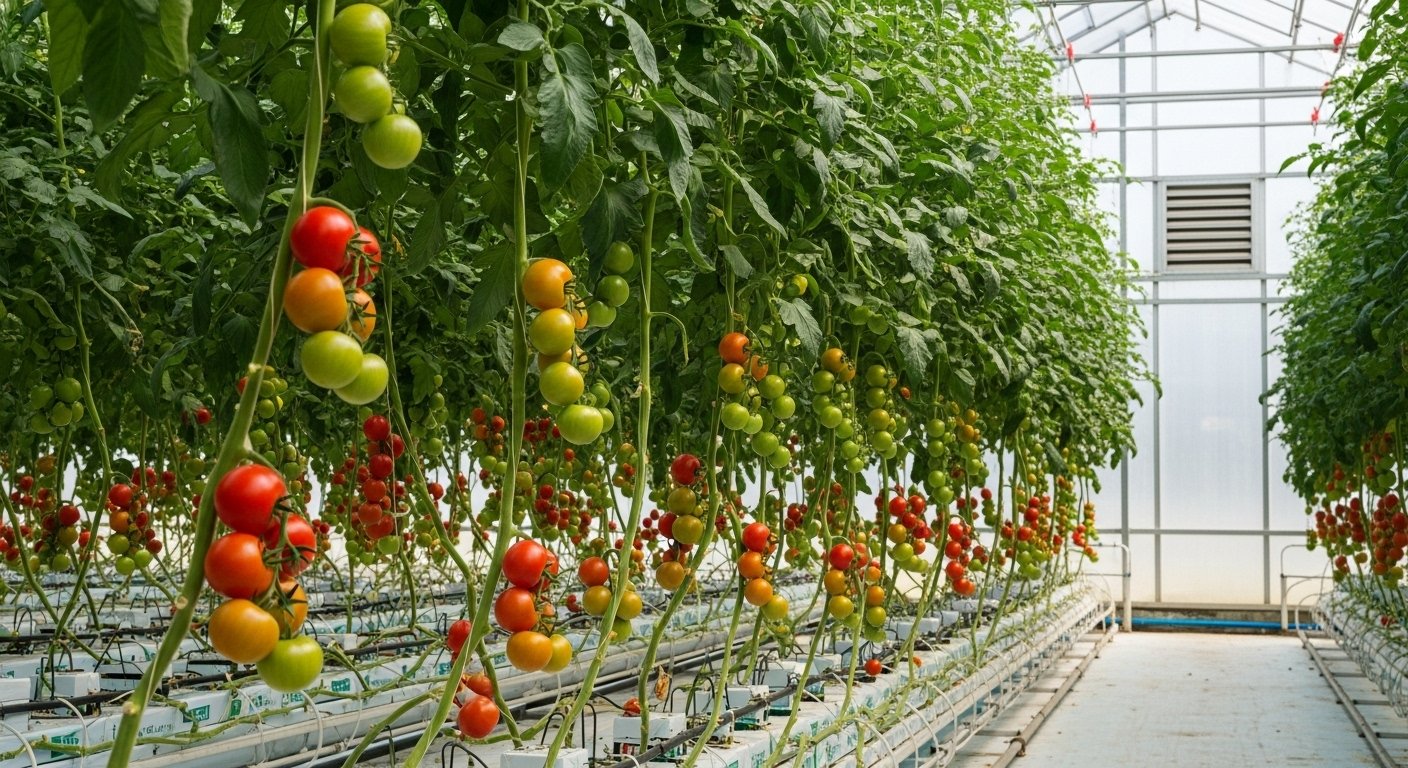
Greenhouse tomatoes have rapidly gained popularity among both home gardeners and commercial growers, thanks to the incredible advantages of controlled-environment cultivation. Unlike their outdoor counterparts, greenhouse tomatoes benefit from a stable climate, protection from harsh weather, and a longer growing season—meaning you can enjoy juicy, flavorful fruit well beyond the limits of traditional garden timelines.
With a greenhouse or tunnel, you get to fine-tune temperature, humidity, and irrigation, which leads to healthier plants and often higher yields. This level of control is especially helpful in regions with unpredictable weather or shorter summers, where outdoor tomato crops might struggle.
However, not every tomato variety thrives in these unique conditions. Varieties that excel in open fields may not reach their full potential inside a greenhouse or tunnel, where factors like disease pressure, humidity levels, and compact space come into play.
In this article, we’ll explore how to choose tomato varieties best suited for greenhouse success, whether you’re aiming for early harvests, disease resistance, or picture-perfect salad tomatoes. Get ready to discover which types will help turn your greenhouse into a tomato lover’s paradise, and learn some practical tips for growing your own bumper crop year-round.
What Makes a Tomato Variety Ideal for Greenhouse Growing?
Greenhouse conditions are often quite different from the great outdoors, and these differences play a big role in which tomato varieties thrive. Outdoors, plants face wildly fluctuating temperatures, rainfall, direct sunlight, and wind—factors that toughen up some varieties but stress others.
In a greenhouse, you have more control over heat, humidity, and how much light your plants get, but you’re also dealing with stiller air and limited pollinators. When choosing a tomato variety for indoor growing, prioritize those bred for greenhouse environments.
Indeterminate (vining) tomatoes, for example, generally perform best because they keep producing fruit over a long season and respond well to the stable warmth of a greenhouse. Look for types with strong disease resistance—greenhouses, with their moist, enclosed environment, can foster fungal issues and pests, so varieties resistant to common threats like Fusarium and powdery mildew will save you lots of headaches.
Since a greenhouse usually lacks the wind and buzzing bees that help outdoor tomatoes pollinate, opt for varieties with “self-setting” or “parthenocarpic” traits, meaning they set fruit even when pollination is incomplete or absent. Varieties such as ‘Trust,’ ‘Dometica,’ or ‘Sakura’ are popular choices because they’ve been bred specifically for these indoor conditions, offering reliability, high yields, and a compact, manageable growth habit.
Regular garden tomatoes may not adapt as well—they can become leggy, set less fruit, or struggle with humidity-loving diseases. By picking varieties tailored to the consistent, sheltered climate of your greenhouse, you’ll get stronger plants, bigger harvests, and a lot less maintenance in the long run.
Top Tomato Varieties for Greenhouse Cultivation
When it comes to choosing the best tomato varieties for greenhouse cultivation, a mix of tried-and-true favorites and newer disease-resistant options can help you maximize yield, flavor, and reliability.
For those who love classic, large slicing tomatoes, ‘Big Beef’ is a top pick — it offers high yields, robust disease resistance, and consistently flavorful, juicy fruit, making it a favorite for both beginners and seasoned growers.
Another greenhouse staple is ‘Trust F1’, popular in commercial settings for its uniform, medium-sized fruit and superb resistance to common greenhouse diseases like Fusarium and Verticillium wilts.
If you prefer cherry tomatoes, ‘Sungold’ stands out for its incredibly sweet, orange fruits and prolific production; it’s a vigorous indeterminate variety, meaning it keeps growing and producing throughout the season — just be sure to provide strong support and regular pruning.
For gardeners looking for a more unique option, ‘Black Cherry’ brings a smoky-sweet flavor and deep purple-brown color to salads, plus it’s surprisingly productive in protected environments.
Beefsteak lovers seeking disease resistance can turn to ‘Buffalosteak’ or ‘Dyna’, both offering large, richly flavored tomatoes on strong, vigorous plants bred specifically for greenhouse performance.
Specialty and heirloom varieties also fare well under glass:
- ‘San Marzano’ is the gold standard for paste and sauce tomatoes thanks to its thick, flavorful flesh.
- ‘Green Zebra’ offers tangy, striped fruit that’s as visually striking as it is tasty.
When selecting varieties, pay attention to growth habits — most greenhouse-friendly types are indeterminate, requiring staking and regular side-shoot removal for best results.
Always check seed packets or supplier information for notes on resistance to greenhouse-specific issues like leaf mold; newer F1 hybrids such as ‘Primabella’ and ‘Clou’ offer extra peace of mind with built-in defenses against these challenges.
Ultimately, the best tomato varieties for your greenhouse will depend on your taste preferences and how much attention you’re able to give your plants — but starting with a balanced mix like these ensures a productive, flavorful harvest all season long.
Important Factors to Consider When Selecting Seeds
When selecting seeds for your greenhouse, it’s crucial to account for the unique growing environment and challenges you may face. One key factor is disease resistance, especially against common issues like blight and fusarium, which can spread quickly in the warm, humid conditions of a greenhouse. Look for seed varieties specifically bred to resist these pathogens—many reputable suppliers clearly label their seeds with resistance codes.
Plant vigor is another essential consideration; robust plants will better adapt to greenhouse conditions and recover from minor stresses. Since greenhouses may have lower light levels, particularly in winter or in cloudy climates, prioritize seed varieties known for strong fruit set even under reduced light. For example, some tomato and pepper varieties are bred for consistent production despite occasional light limitations.
Plant size also matters; bushy, compact varieties are ideal if your space is limited, while larger plants can thrive if you have vertical room and sturdy support systems.
Indeterminate vs. Determinate Plant Types
Deciding between indeterminate and determinate plant types is another important step that depends on your space and production goals. Indeterminate varieties, like vining tomatoes and cucumbers, keep growing and producing fruit over an extended period—perfect for continuous harvests and maximizing vertical space.
On the other hand, determinate varieties grow to a set size and produce most of their crop in one burst, making them easier to manage and ideal if you want a concentrated harvest. Consulting your production goals and greenhouse size can help guide this choice.
Choosing Reliable Seed Sources
Lastly, always buy seeds from trusted sources with a reputation for high germination rates and accurate labeling. Established seed companies often provide detailed information about disease resistance and cultivar performance in greenhouse settings.
Avoid bargain or unknown suppliers, as seed quality directly affects your results. A little research up front pays off in healthier plants and better yields for the season ahead.
Proven Growing Practices for Healthy Greenhouse Tomatoes
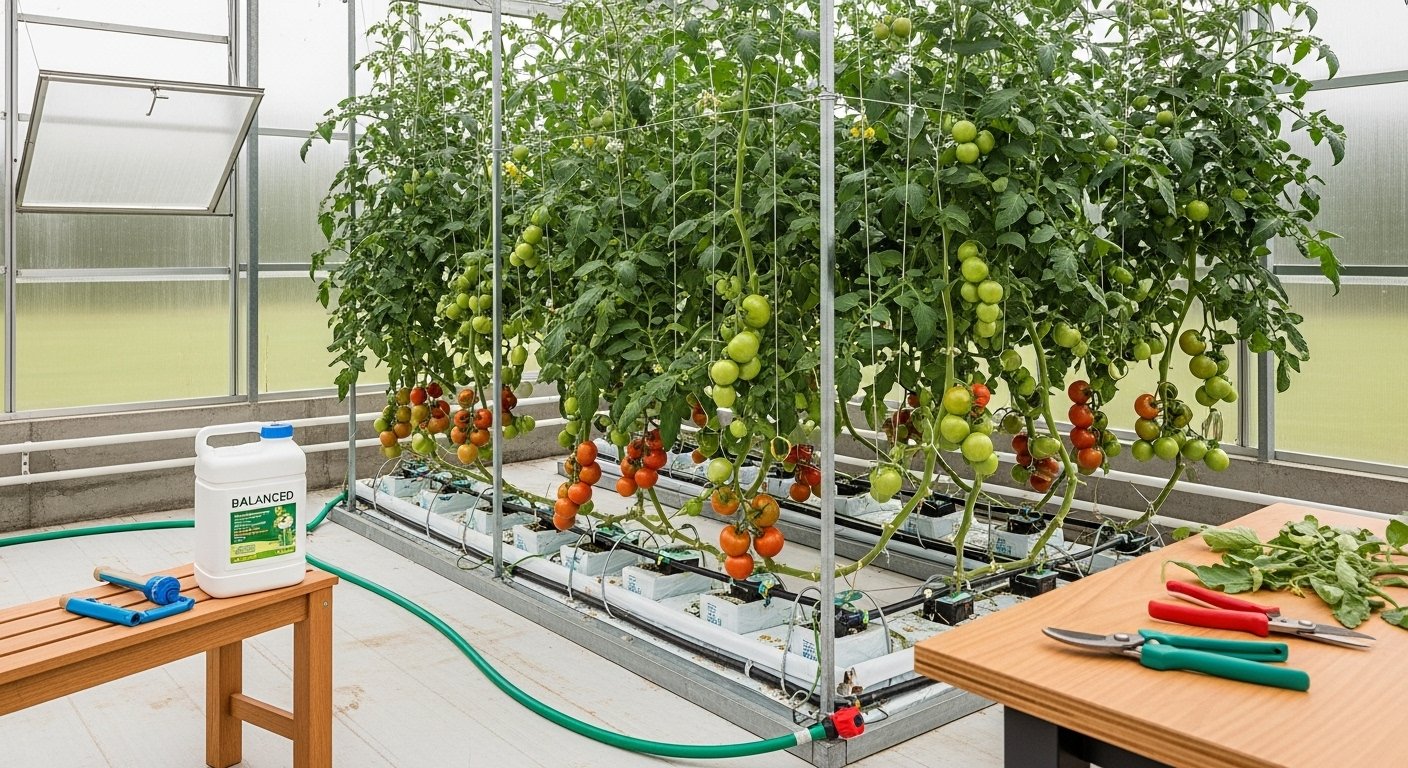
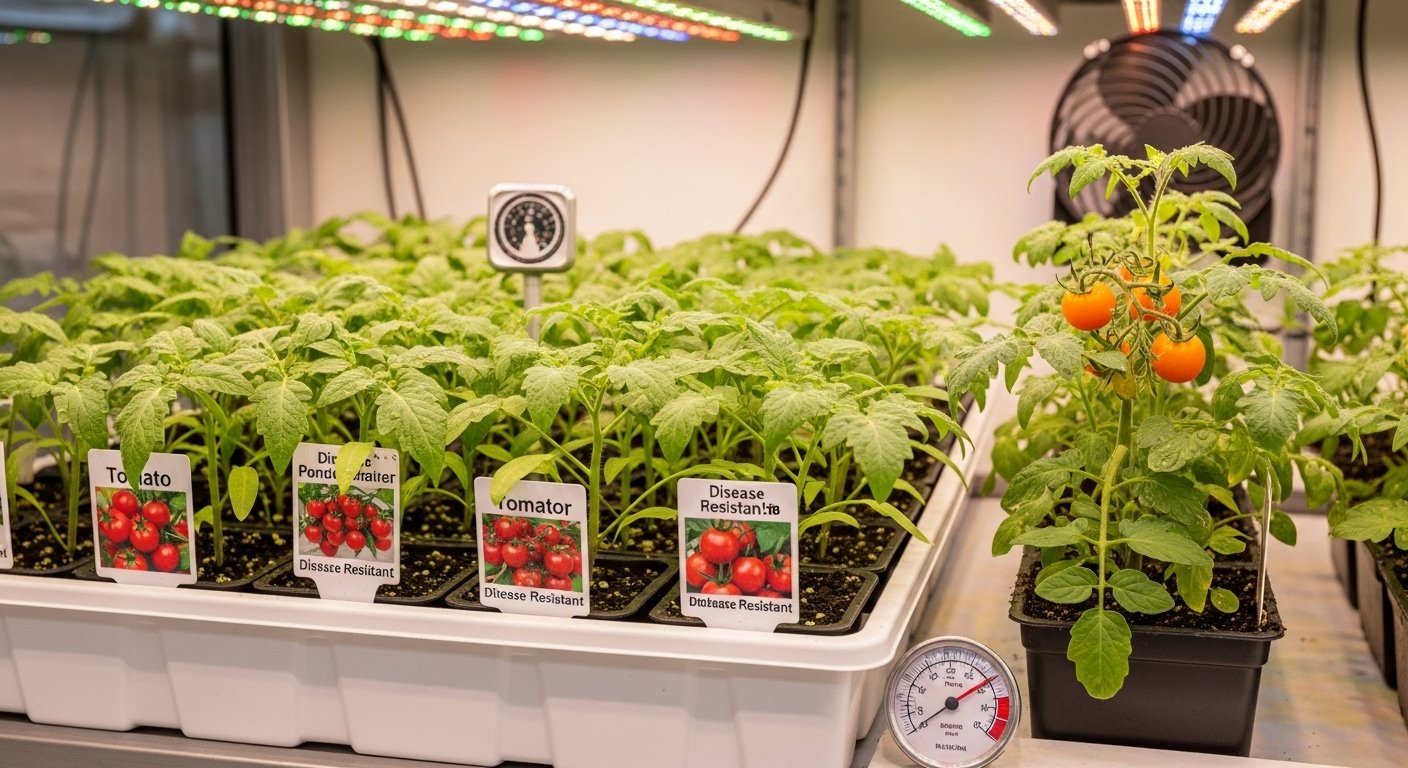
Growing robust, flavorful tomatoes in a greenhouse starts with getting the basics right. Start seeds indoors about 6-8 weeks before your last expected frost, ensuring they get plenty of warmth and light for strong, stocky seedlings—heat mats and grow lights can be a game-changer here. Once the plants have a few true leaves and all danger of frost has passed, transplant them into the greenhouse. Space each plant at least 18-24 inches apart to allow good airflow, which helps prevent disease and gives roots and vines room to flourish.
Support is vital—install sturdy stakes, cages, or twine for vertical growth. This keeps fruit off the damp soil and makes watering and harvesting easier. Consistent watering is crucial, especially as fruit sets. Aim for even moisture by watering deeply 1-2 times per week, avoiding overhead watering that can cause leaf diseases; drip irrigation or soaker hoses are great options. Tomatoes are heavy feeders, so supplement soil with a balanced, slow-release fertilizer or liquid tomato feed every few weeks, focusing on phosphorus and potassium for fruit development.
Pruning and Plant Care
Regular pruning is another secret to greenhouse success. For indeterminate varieties, remove the side shoots (or “suckers”) that form between the stem and branches—this channels the plant’s energy into fruit production rather than excessive foliage. For both determinate and indeterminate tomatoes, trim away lower leaves as the plant matures to improve air circulation and minimize the spread of fungi.
Pest and Disease Management
Stay vigilant for pests like whiteflies, aphids, and spider mites, which thrive in the warm, humid environment of a greenhouse. Introduce beneficial insects like ladybugs, use sticky traps, or employ organic insecticidal soap as needed. To combat common diseases such as powdery mildew or blight, keep humidity in check with proper ventilation and remove any affected leaves promptly.
By following these proven greenhouse tomato practices—timely sowing, smart spacing, good support, targeted feeding, strategic pruning, and proactive pest management—you’ll increase your chances of a rewardingly abundant and healthy harvest.
Common Challenges and Solutions for Greenhouse Tomatoes
Growing tomatoes in a greenhouse offers plenty of benefits, but it comes with its own set of challenges. One common issue is poor pollination, since tomatoes grown indoors don’t always get the airflow or insect activity they need. To boost pollination, gently shake plants or use an electric toothbrush on the blossoms to mimic bee activity.
High humidity is another hurdle; too much moisture can cause condensation, which invites fungal diseases like botrytis and powdery mildew. Keep humidity in check by ventilating the greenhouse daily—use roof vents, open doors, or invest in a small circulating fan.
Disease outbreaks are a constant concern in the warm, enclosed space of a greenhouse. Remove dead leaves promptly, sanitize tools regularly, and avoid overhead watering to minimize risks. If you notice leaf discoloration or spots, isolate affected plants and consult your local extension service for an accurate diagnosis.
Nutrient deficiencies can also sabotage healthy growth, showing up as yellowing leaves or weak fruit set. Stick to a balanced fertilizer regimen tailored for tomatoes, and test your soil or hydroponic solution for specific nutrient levels if problems persist.
For ongoing support, tap into online gardening forums, local cooperative extension offices, or greenhouse supply stores—many offer expert advice and troubleshooting to help you solve persistent problems quickly. By staying proactive and seeking help when needed, you can enjoy a thriving, productive tomato crop all season long.
Frequently Asked Questions About Greenhouse Tomato Varieties
Choosing the right tomato varieties for greenhouses is a common question among gardeners. While many outdoor varieties can be grown indoors, greenhouse-specific types like Sungold or Trust are bred for disease resistance and higher yields in sheltered environments.
Another frequent concern is pollination. Since greenhouses lack natural wind and pollinators, you can gently shake flowering stems or use an electric toothbrush to help spread pollen and boost fruit set.
Grafted tomato plants are becoming popular because they combine the flavorful top growth of one variety with the strong, disease-resistant roots of another — making plants more vigorous and productive in greenhouse settings.
To maximize flavor and yield, try pruning your tomato plants to a single main stem and removing lower leaves as they age. Also, keep temperatures between 70–80°F (21–27°C) during the day, ventilate to reduce humidity, and feed plants regularly with a balanced fertilizer.
By following these tips, you can enjoy bumper crops of flavorful tomatoes, no matter the weather outside.
Conclusion
Choosing the right tomato varieties and following proven greenhouse growing practices can make all the difference in your harvest. With so many options available, don’t hesitate to try different varieties to see which perform best in your unique environment. Experimenting can lead to surprising successes and help you discover new favorites.
For even better results, reach out to local growers, consult with agriculture experts, or dive deeper into online resources dedicated to greenhouse tomatoes. By staying curious and well-informed, you’ll be well on your way to enjoying healthy, abundant tomato yields year after year.