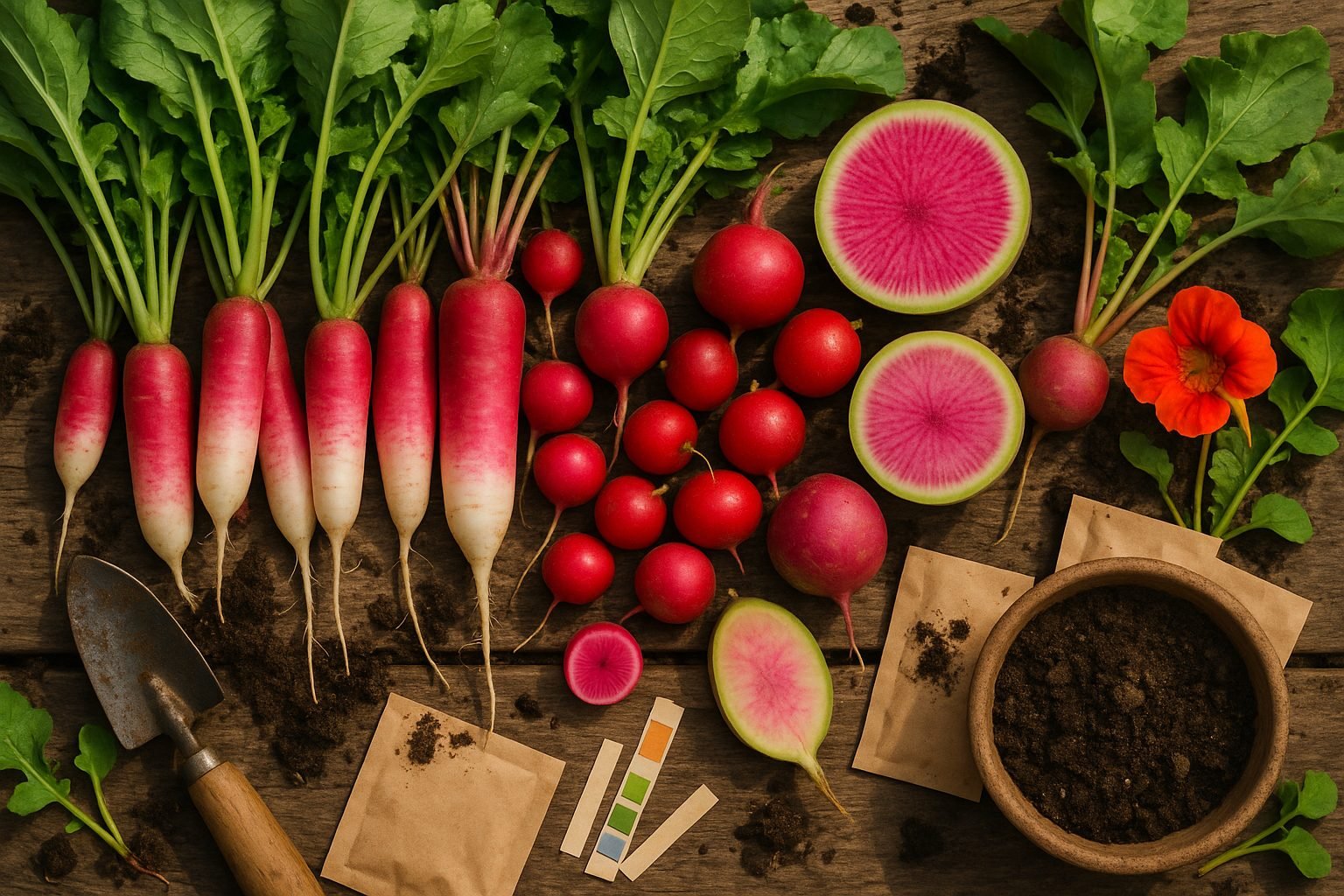
Choosing the Right Radish Varieties
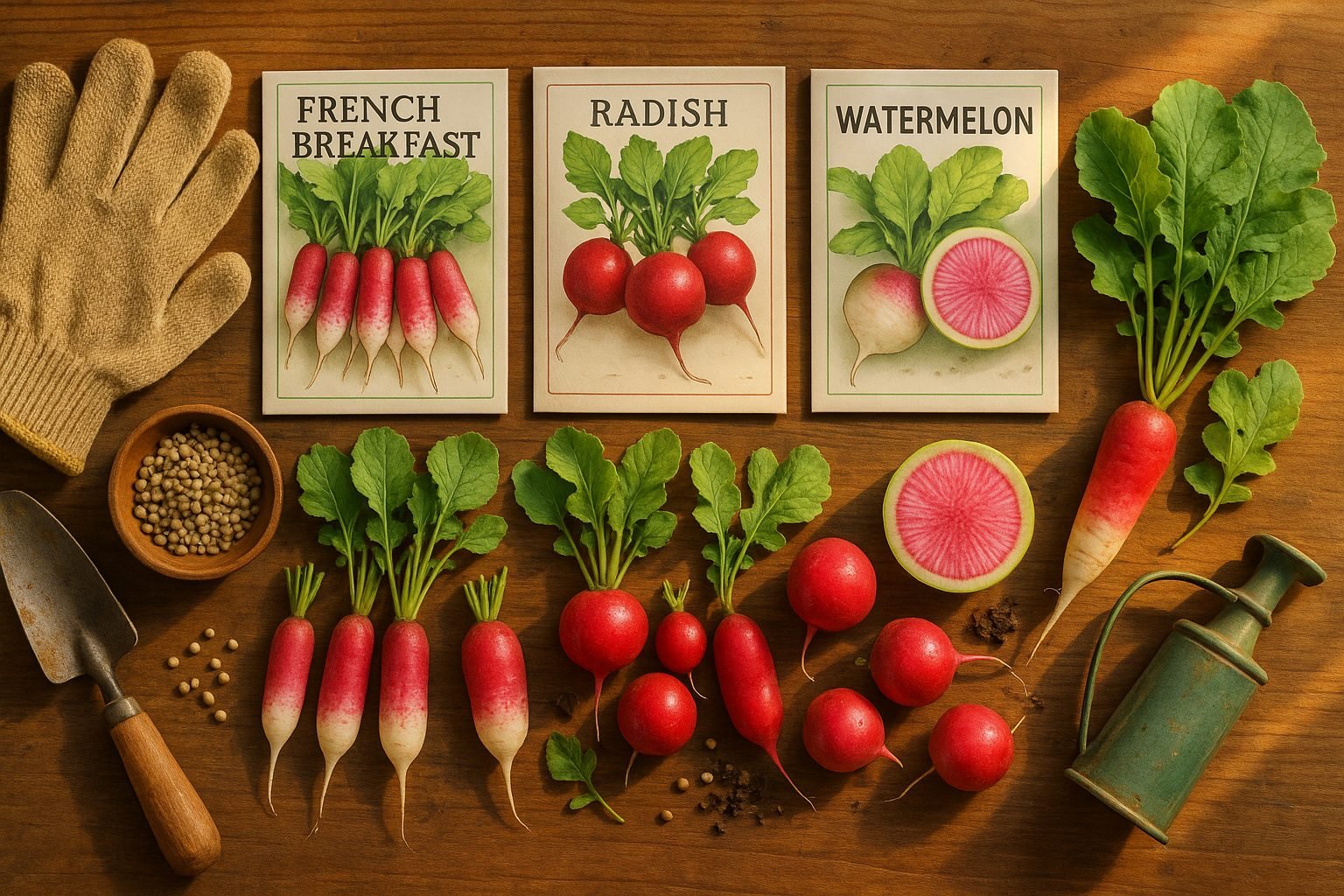
If you’re searching for a garden crop that’s both satisfying and simple, you’ll be glad to know that radishes are famously easy to grow. Some of the best choices for beginners include French Breakfast and Cherry Belle radishes—both known for their fast growth, crisp texture, and mild, peppery flavor.
French Breakfast offers elongated roots with a striking pink-and-white color, making them a popular pick for salads and snacking, especially in cooler climates where they thrive. Cherry Belle, on the other hand, features classic round, bright red bulbs that mature in just a few weeks and perform well even during warmer spring months.
Depending on your preferences, you can also experiment with varieties that offer unique shapes, spicy or mild flavors, or a rainbow of colors—from white Icicle radishes to deep purple or even watermelons with a vibrant pink core. For cooking, larger daikon types hold up well in soups and stir-fries, while smaller, snappy varieties are perfect straight from the soil.
When sourcing seeds, look for reputable garden centers or reliable online suppliers like Johnny’s Selected Seeds, Burpee, or Baker Creek Heirloom Seeds to ensure you start with high-quality stock for the best results. With the right variety, radishes make gardening a breeze—no green thumb required!
When and Where to Plant Radishes
Radishes thrive when planted in cool weather, making early spring and fall the best times to sow seeds outdoors. In most regions, plant them as soon as the soil can be worked in spring—about four to six weeks before the last expected frost. In milder climates, a late summer or early autumn sowing provides a crisp, flavorful harvest before the first hard frost.
Choose a planting site with loose, well-drained soil—radishes don’t like heavy, compacted dirt, which can cause misshapen roots. They perform best in spots that receive full sun, but they will also grow in partial shade, especially as temperatures rise.
If possible, select a garden bed that hasn’t recently grown cabbage, broccoli, or other brassicas, as these can attract similar pests. For healthy radishes and good soil balance, try planting them alongside carrots, lettuce, or peas; these companions help deter pests and maximize space. Avoid growing radishes near potatoes or hyssop, as they can inhibit growth.
Rotate planting areas each year to reduce disease risks, and make sure to keep the soil moist but not soggy for quick, even germination. With the right timing and location, you’ll enjoy multiple radish harvests each season.
Sowing and Spacing Seeds
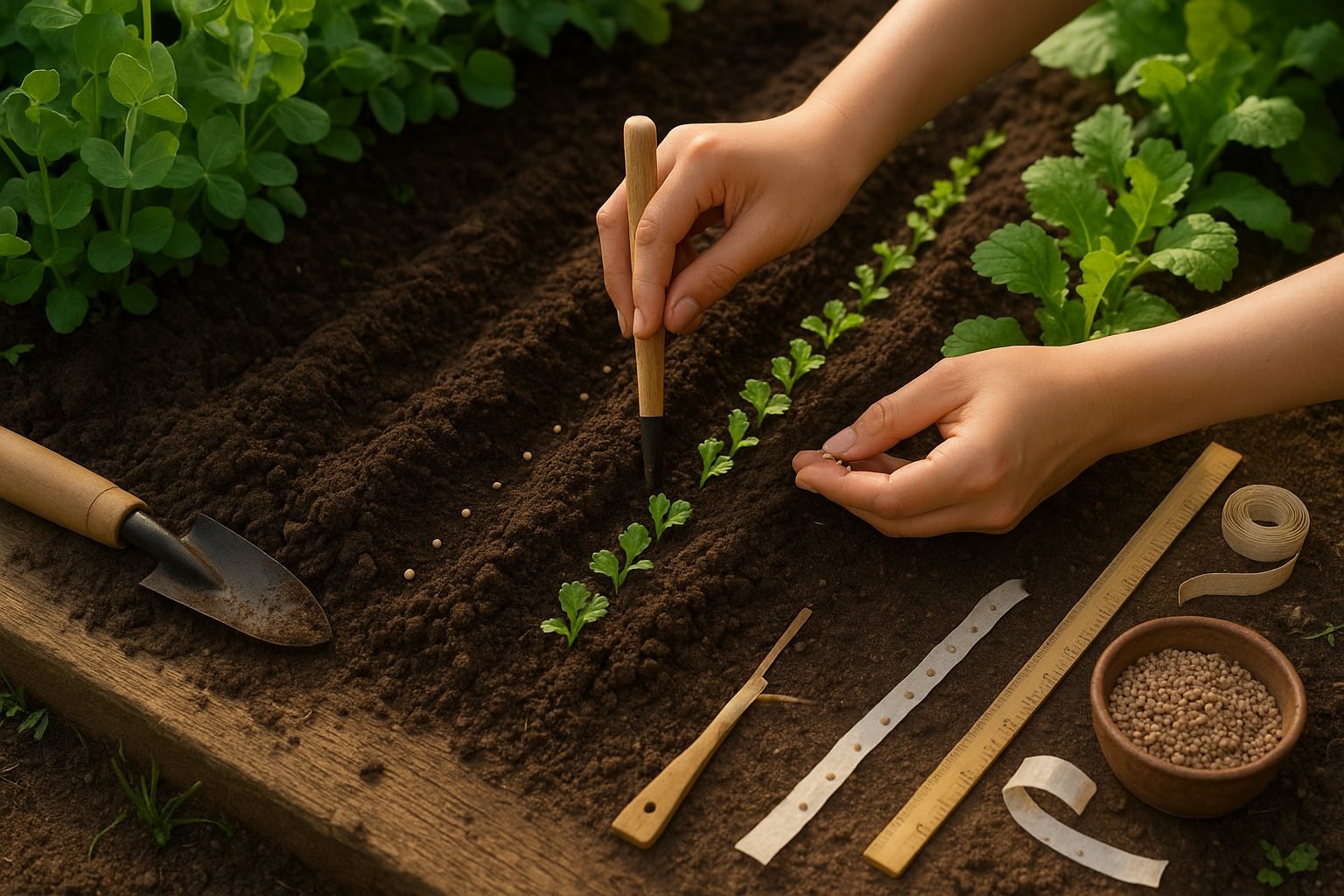
Sowing radish seeds is simple, but following the right steps can make all the difference for a healthy harvest. Start by preparing your garden bed or container with well-loosened, rich soil. With your finger or a small dibber, make shallow rows about half an inch deep. Space these rows roughly 6-8 inches apart to allow good airflow and easy access.
Drop radish seeds into the trench, spacing them about 1 inch apart—if you’re using containers, the same spacing applies. Gently cover the seeds with soil and water lightly but thoroughly.
After seedlings emerge and reach a couple of inches tall, thin them out so there’s about 2 inches between each plant. This spacing gives radishes room to form healthy roots and prevents issues like overcrowding, stunted growth, and increased risk of disease.
Tools like seed dispensers, dibbers, and measuring sticks can help you sow evenly, saving time and reducing waste. If you’re planting with kids or are new to gardening, using a strip of compostable seed tape is an easy, mess-free option for perfect spacing every time.
Proper sowing and spacing set the foundation for crisp, well-shaped radishes and a rewarding harvest.
Caring for Radish Plants
Radishes grow quickly, but giving them a little care makes a big difference in your harvest’s quality. Watering is key—radishes need consistently moist soil that’s not soggy but never completely dry. Irregular watering can cause split roots or an unexpectedly sharp, unpleasant flavor.
To keep moisture even, try watering every few days, increasing frequency during hot spells. Mulching with straw or grass clippings helps keep the soil cool and damp.
After your radish seeds sprout, thin the seedlings so they’re about 2 inches apart. This prevents overcrowding, which can result in small, stunted, or oddly shaped roots. Don’t skip this step—gently pull out the extras or snip them at the base. You can even add the baby greens to a salad.
Common Radish Problems
Watch out for flea beetles, which create tiny holes in leaves, root maggots, and diseases like downy mildew. Using drifting row covers over your plants can deter many pests before problems start. Also, rotating where you grow radishes each year helps reduce disease risk.
If pests become severe, apply neem oil or insecticidal soap, but avoid harsh chemicals.
Keep an eye on bolting—when radishes flower too early—usually caused by hot weather or inconsistent watering. Harvest promptly once roots reach mature size to prevent bolting.
With steady care, you’ll enjoy crisp, mild radishes straight from your garden beds.
“`html
Harvesting Radishes at the Right Time
Knowing when to harvest radishes can make all the difference between crisp, peppery bites and tough, woody disappointments. Radishes are typically ready to pick 20 to 30 days after sowing, depending on the variety.
Look for roots about 1 inch in diameter by gently brushing away some soil at the top. If you wait until the tops are bulging well above the soil, the roots might have already turned fibrous and overly spicy. Harvesting too late results in radishes that are pithy, with a harsh flavor and tough texture.
To harvest, grasp the leafy tops near the base and give a gentle tug; the radish should come out easily if it’s mature. For the freshest taste, remove the leafy greens right after picking to keep moisture in the root, then store radishes in a perforated plastic bag in the refrigerator. They’ll stay crisp for up to two weeks.
“`
Tips for Enjoying and Using Radishes
Radishes are more versatile than many realize—slice them raw for a peppery crunch in salads, or quick-pickle them with vinegar and herbs to brighten tacos and sandwiches. Roasting radishes mellows their bite and brings out a sweet, earthy flavor, making them perfect as a colorful side dish.
Don’t toss the greens; sauté them with garlic for a tasty, nutrient-packed addition to pastas or grain bowls. Try different varieties like watermelon radish for a pop of color, or daikon for a milder flavor. Mixing up how you prepare and serve radishes can easily add excitement and fresh texture to everyday meals.