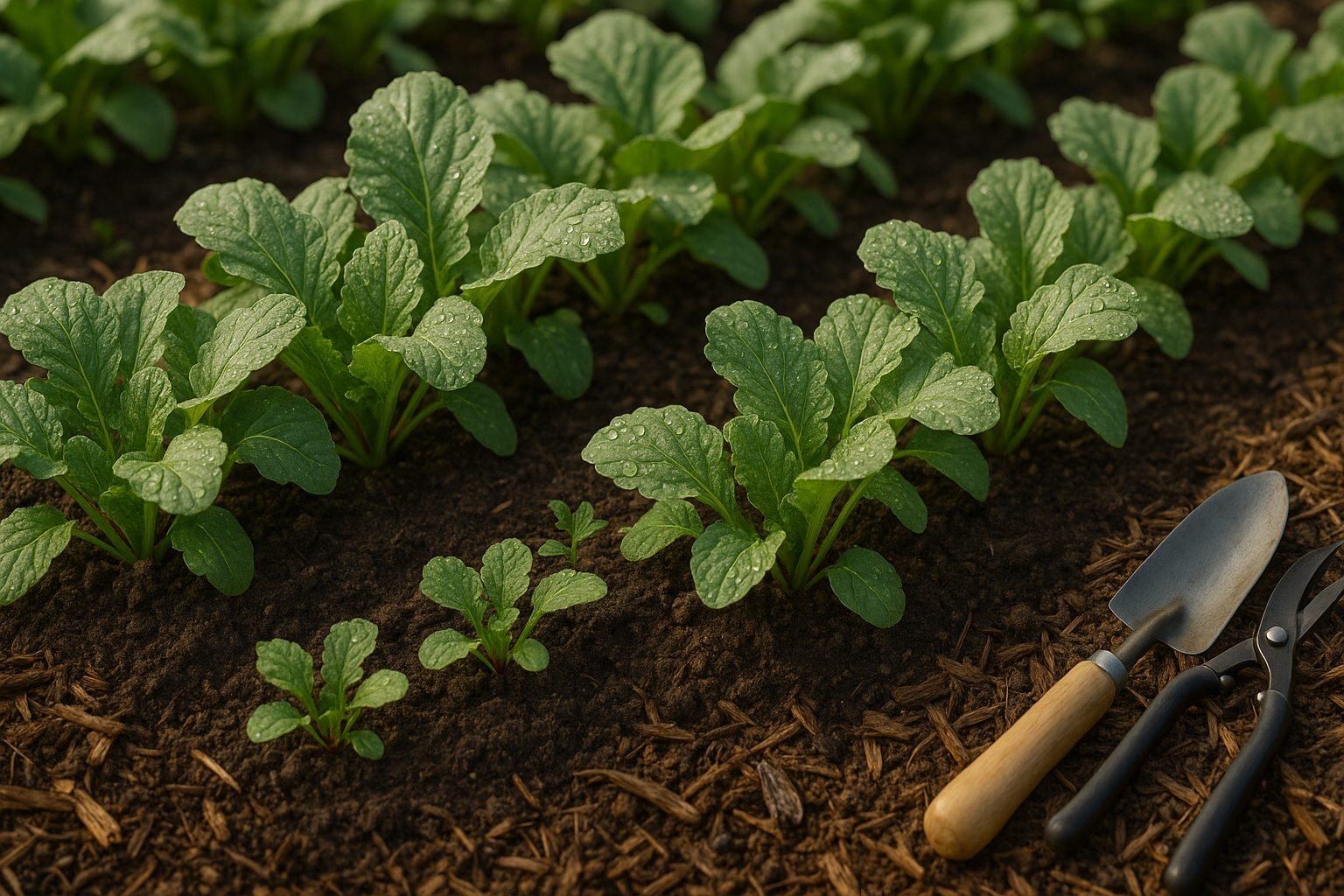
Common Radish Pests and How to Identify Them
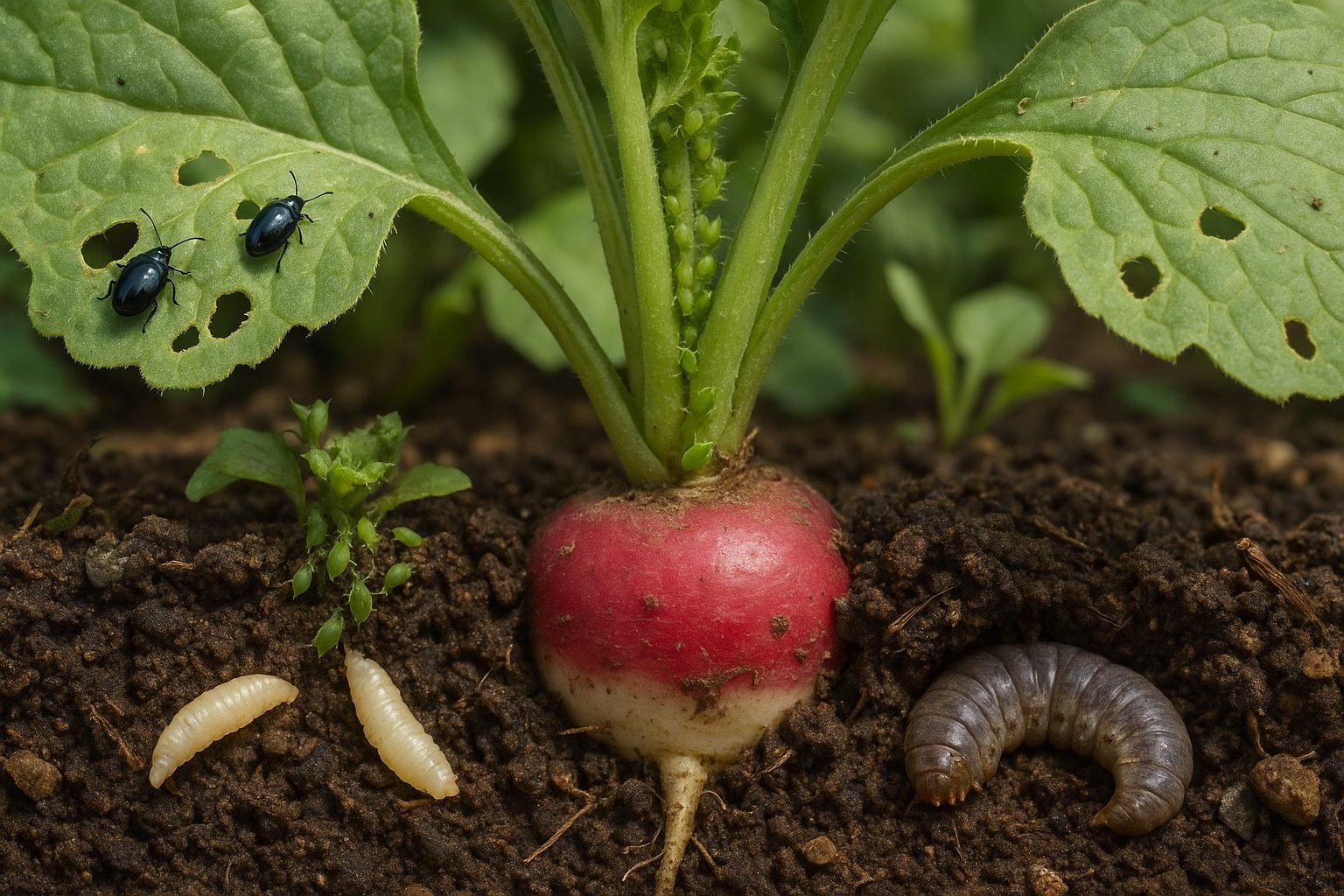
If you’ve ever spent time in the vegetable garden, you know how frustrating radish diseases and pests can be. Just as your radishes start to look their best, tiny invaders—like flea beetles, root maggots, aphids, and cutworms—can strike, leaving a once-healthy crop riddled with holes, wilted, or ruined before harvest. Recognizing these pests early is crucial for saving your crop and enjoying the crisp roots you worked hard to grow.
Let’s start with flea beetles. These minuscule, shiny insects—usually black or bronze—create dozens of tiny holes in radish leaves, giving them a “shotgun blast” look. While a few holes might not devastate mature plants, a heavy infestation can stunt young seedlings quickly. Root maggots are sneaky underground pests; small white larvae chew through the radish roots, often unnoticed until you pull up deformed, brown-ringed roots at harvest. Above ground, aphids are soft, green or black insects that cluster on stems and leaves. They suck out plant juices, causing curls, stunted growth, and sticky residue called honeydew, which can attract other problems. Meanwhile, cutworms—plump, grayish-brown caterpillars—hide in the soil and chomp through the stems at the soil line, causing plants to suddenly topple over.
To catch these culprits early, check your radish plants every few days. Look under the leaves for clusters of aphids, inspect leaves for tiny holes, and watch for wilting seedlings—especially after rain or watering, when cutworms may be more active. Pull up an occasional plant and examine roots for signs of maggot tunneling. Acting fast is key; the sooner you spot these pests, the easier it is to manage outbreaks with row covers, handpicking, or natural sprays. Quick identification keeps your radish crop healthy and your garden thriving.
Diseases Affecting Radishes and How to Spot Them
Radishes can fall prey to several common diseases, with clubroot, black rot, and downy mildew topping the list.
Clubroot causes plants to wilt and develop swollen, misshapen roots—a telltale sign distinct from pest damage, which usually leaves holes or chew marks on leaves and roots instead.
Black rot, another serious disease, leads to yellow V-shaped lesions that spread from the leaf edge, turning the leaves brittle and brown.
In contrast, downy mildew appears as yellowish spots on the upper leaf surface and fuzzy grayish mold on the underside. It is often confused with drought stress; however, true mildew shows a fuzzy growth, unlike the dry crispiness of drought-affected leaves.
Radishes are particularly vulnerable to these diseases in warm, humid, or poorly drained soils where pathogens thrive. Planting the same family of crops (like cabbage or broccoli) in the same spot year after year also increases the risk, as many of these diseases live in the soil.
For early detection, routinely check the undersides of leaves and roots for unusual discoloration, swelling, or soft spots. Catching issues early lets you remove affected plants before the disease spreads.
Practicing crop rotation, watering at the soil level, and providing good airflow between plants are simple yet effective ways to prevent radish diseases from taking hold in your garden.
Practical Tips for Preventing Pests and Diseases
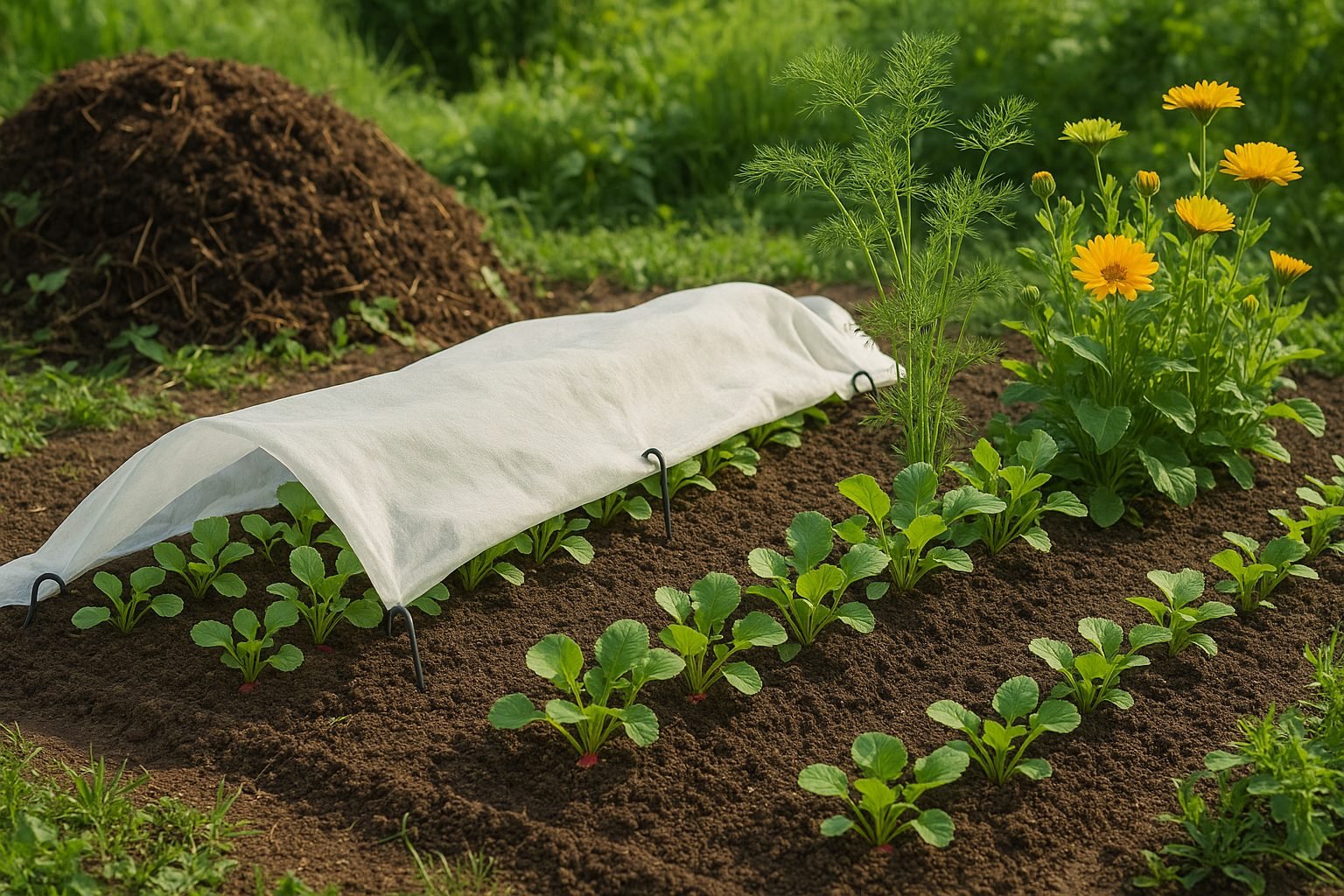
Preventing pests and diseases in your garden starts with a commitment to smart, organic practices that work with nature rather than against it. One of the most effective strategies is crop rotation—by changing where you plant specific vegetables each year, you disrupt the life cycles of soil-borne pests and diseases that might otherwise build up.
Healthy soil is another powerful defense; enrich your beds with compost and organic matter to boost beneficial microbes and improve plants’ natural resistance.
Row covers are an eco-friendly way to keep out insects like cabbage moths or aphids, especially during vulnerable seedling stages. Simply drape lightweight fabric directly over planting rows and secure it at the edges.
Equally important is keeping your garden tidy: removing fallen leaves, old stems, and other debris deprives pests of hiding spots and eliminates places where fungi or bacteria can thrive.
Don’t forget to set up a routine monitoring system; take a few minutes each week to inspect leaves, stems, and the undersides of plants for early signs of trouble. Noting yellowed foliage, holes, sticky residue, or clusters of insects lets you intervene early, often with natural remedies like hand-picking pests or spraying a diluted soap solution.
These simple, sustainable habits help create a thriving garden that’s less vulnerable to common problems—without resorting to harsh chemicals.
Treating Radish Pest Problems Effectively
Dealing with radish pests can be frustrating, but there are plenty of safe and effective ways to protect your crops. Start by regularly checking your radishes for signs of damage, such as holes in the leaves or chewed roots, and handpick any visible pests like flea beetles or root maggots.
Installing physical barriers—such as floating row covers or fine mesh netting—creates a protective shield against flying insects and larvae while still letting sun and water through. For a natural, non-toxic approach, try spraying your plants with neem oil or insecticidal soap, which target many common radish pests without harming beneficial insects. Always follow the product instructions carefully to avoid damaging your crops.
Encourage natural predators like ladybugs, lacewings, and ground beetles by planting flowers and herbs nearby, such as dill and calendula, which attract these helpful bugs. Companion planting with radishes also works wonders—growing them alongside onions, garlic, or nasturtiums can help confuse and repel pests.
If a severe infestation occurs and other methods aren’t working, chemical pesticides can be used as a last resort. Opt for targeted, least-toxic options and apply them only to affected areas, always keeping pollinators and soil health in mind. With a blend of these strategies, you can keep radish pests at bay while maintaining a safe and thriving vegetable garden.
Dealing with Radish Diseases
If you notice radish plants showing signs of disease—such as yellowing leaves, wilting, or dark spots—act quickly by removing and destroying all affected foliage and roots. Don’t compost infected material, as this can spread pathogens; instead, bag it and dispose of it in the trash.
To prevent further problems, improve soil drainage by mixing in organic matter like compost or well-rotted manure. This helps break up heavy soils and allows water to flow more freely. Raised beds or planting in containers can also improve drainage if your garden soil tends to stay wet.
Rotate your radish crops each season and avoid planting them in the same spot where disease has occurred recently. If diseases return year after year or seem widespread, consider taking a break from growing radishes in that area and start fresh in a different plot or a clean container with fresh soil.
Always thoroughly disinfect tools and containers between uses to reduce the risk of spreading pathogens. By staying attentive and proactive with these steps, you’ll give your next crop of radishes a healthier environment to thrive.
Useful Resources for Radish Growers
Expanding your radish-growing know-how is easier than ever with a wealth of reliable resources at your fingertips. The USDA’s National Agricultural Library and your local Cooperative Extension Service websites are excellent starting points for science-based, practical advice.
Books like The Vegetable Gardener’s Bible by Edward C. Smith and Grow the Best Radishes by Nancy Bubel offer deep dives and tips suited for all experience levels.
Don’t underestimate the value of joining gardening forums like GardenWeb or Facebook groups such as “Vegetable Gardeners” for real-life troubleshooting and inspiration from fellow radish growers.
Connecting with your local extension office can provide region-specific guidance and alerts about emerging pests or diseases.
Finally, consider enrolling in online workshops or free webinars from organizations like Master Gardeners or local botanical gardens—many focus specifically on integrated pest management and crop health, keeping your radish beds resilient season after season.