Introduction
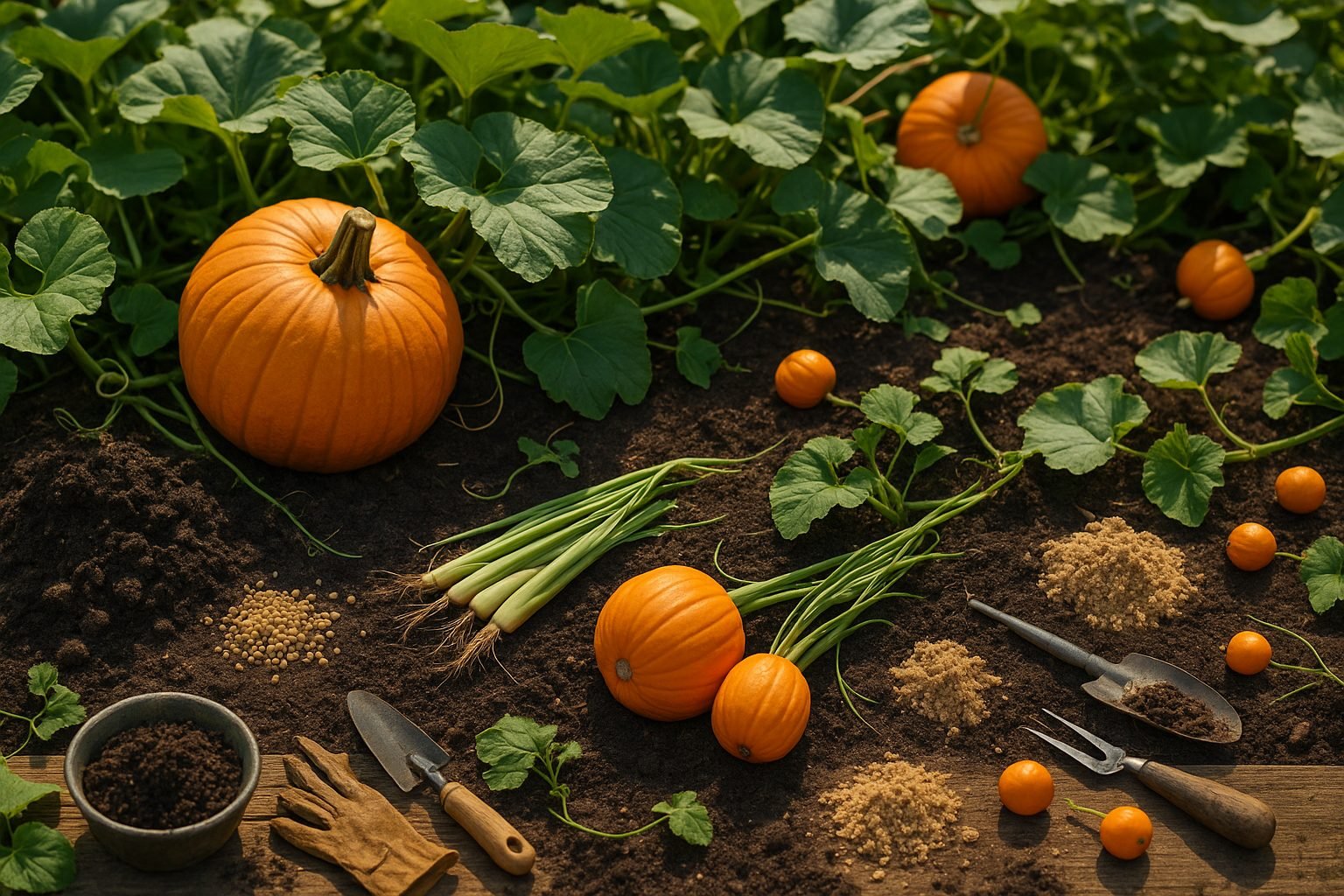
If you’re aiming for big, vibrant pumpkins, choosing the right organic fertilizer for pumpkins can make all the difference. Healthy soil is the foundation of a thriving pumpkin patch, and giving your plants exactly what they need helps boost both the size and flavor of your harvest. Unlike synthetic options, organic fertilizers nourish pumpkins over time, support the soil’s microbial life, and reduce long-term environmental impact — a win for both your garden and the planet.
Pumpkins are notorious “heavy feeders” that need a good balance of nitrogen, phosphorus, potassium, and trace minerals to support lush growth and large fruit production. In this post, we’ll explore several real-world organic fertilizer options, including compost, well-rotted manure, bone meal, and worm castings. Each has its strengths and suits different growing goals and stages in the pumpkin lifecycle.
Whether you’re a seasoned grower looking for a new strategy or a beginner hoping to avoid a patch of stunted vines, you’ll find simple tips and natural solutions ahead to help your pumpkins thrive.
Understanding Pumpkin Nutrient Needs
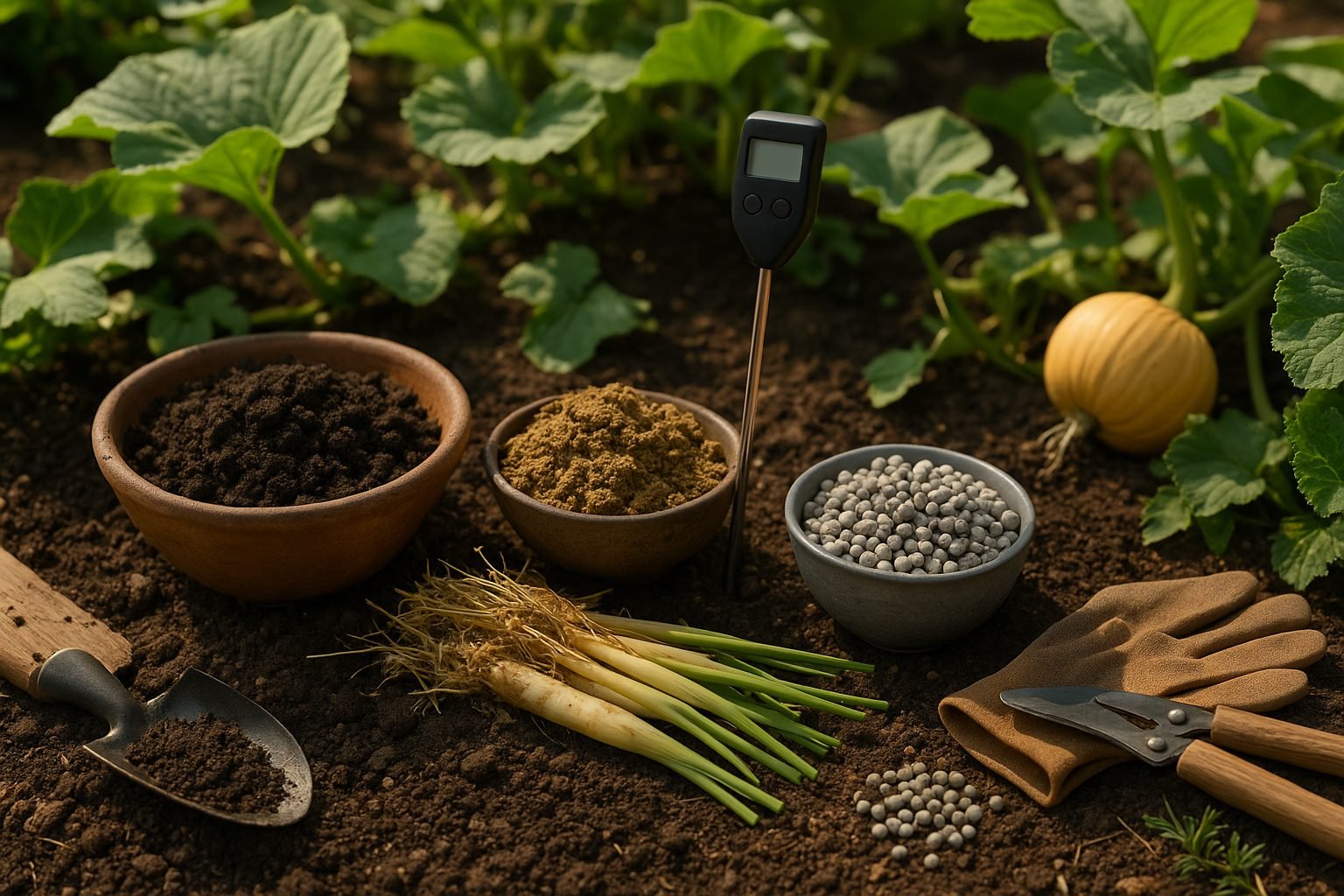
Pumpkins are vigorous growers and heavy feeders, requiring a careful balance of nutrients throughout their life cycle to produce large, healthy fruits. Early in the season, pumpkins need higher levels of nitrogen to fuel robust vine and leaf growth, which supports photosynthesis and overall plant vigor. As the plants begin to flower and set fruit, their needs shift—phosphorus becomes essential for root development and fruit formation, while potassium plays a key role in overall plant health, fruit ripening, and disease resistance.
Additionally, secondary nutrients like calcium, magnesium, and sulfur are vital. For example, calcium helps prevent blossom end rot, a common pumpkin issue. Too little nitrogen results in stunted growth and yellowing leaves, while too much encourages excessive leaf growth at the expense of fruit production. Phosphorus deficiency often leads to poor root development and small or misshapen fruits, and low potassium can cause weak vines and fruits with thin, poorly colored rinds. Over-fertilizing with potassium or phosphorus can also disrupt nutrient uptake and cause imbalances.
Before selecting any organic fertilizer for pumpkins, it’s important to conduct a soil test. This reveals the existing nutrient levels in your growing area, helping you apply the right amendments and avoid unnecessary applications. With this baseline, you can choose effective organic fertilizers—such as compost, well-rotted manure, or blended organic granular mixes—that provide exactly what your pumpkins need at each stage, resulting in healthy vines and bountiful, high-quality pumpkins.
Compost for Pumpkins
Compost is a natural, nutrient-rich organic fertilizer for pumpkins, created by decomposing kitchen scraps, yard waste, and plant material over time. The composting process involves layering carbon-rich materials like dried leaves or cardboard with nitrogen-rich items such as vegetable peelings and grass clippings, then allowing microbes, worms, and fungi to break everything down into a dark, crumbly substance.
For gardeners aiming to grow healthy, vibrant pumpkins, compost stands out as a top choice. Compost not only delivers essential nutrients pumpkins need—like nitrogen, phosphorus, and potassium—but also improves soil structure, making the ground lighter and looser for pumpkin roots to spread. It enhances the soil’s ability to retain moisture, which is critical during fruit set and growth when water demands are high.
Additionally, compost encourages a thriving population of beneficial soil microbes, which help control soil-borne diseases and break down organic matter into forms your pumpkins can easily absorb.
To maximize benefits, apply a generous layer of compost—about two to four inches—onto your pumpkin beds in early spring, mixing it lightly into the top 6-8 inches of soil before planting seeds or seedlings. Alternatively, compost can be side-dressed around established pumpkin vines mid-season to give them an extra nutritional boost; simply spread it around the base of the plants and gently rake it into the soil surface, being careful not to disturb the roots.
For even moisture and nutrient release, consider topping with a layer of straw or mulch. By integrating high-quality compost as an organic fertilizer for pumpkins into your patch, you support healthy plants and a sustainable garden ecosystem, reducing reliance on synthetic fertilizers and contributing to future harvests.
Manure as an Organic Fertilizer for Pumpkins
Manure is a time-tested organic fertilizer for pumpkins, providing a rich source of nutrients that support vigorous growth and impressive yields. Cow manure is a popular choice because it offers a balanced mix of nitrogen, phosphorus, and potassium—three key nutrients pumpkins need for healthy vines, blossoms, and fruit development.
Horse manure is also beneficial but tends to contain more weed seeds unless thoroughly composted. It provides a moderate nutrient boost and helps improve soil structure. Chicken manure stands out for its particularly high nitrogen content, which promotes lush leaves and rapid early growth. However, fresh chicken manure is potent and can burn plants if applied directly.
To avoid plant stress and potential pathogen issues, always use well-rotted or aged manure, preferably composted for at least six months. Fresh manure can introduce harmful bacteria and weed seeds, and its high nutrient concentration can damage tender pumpkin roots. For best results, mix aged manure into the soil a few weeks before planting, giving nutrients time to become available as seeds or seedlings establish.
Side-dressing established vines with a thin layer of composted manure midseason can provide an extra boost during fruit development. Always work manure into the soil rather than leaving it on the surface, and water thoroughly after application to help nutrients reach the roots. This careful, mindful use of manure supports a thriving pumpkin patch without compromising plant health or food safety.
Plant-Based Organic Fertilizers for Pumpkins
When choosing an organic fertilizer for pumpkins, plant-based options like alfalfa meal, soybean meal, and cottonseed meal are excellent choices. These fertilizers are made from ground-up plants and act as slow-release sources of essential nutrients, especially nitrogen, which is vital for strong pumpkin vines and lush leaf growth.
Alfalfa meal, for instance, is rich in both nitrogen and trace minerals and contains growth-stimulating compounds that help boost root development. Soybean meal is another popular option, delivering a balanced nutrient release as soil microbes break it down over several weeks. Cottonseed meal works similarly, providing nitrogen along with a touch of acidity, which some pumpkin varieties favor—particularly if your soil tends to be alkaline.
One of the biggest advantages of plant-based fertilizers is their gentle nutrient delivery, which reduces the risk of burning delicate pumpkin roots—a common issue with highly concentrated fertilizers. For best results, try layering these meals into your soil along with well-aged compost. The compost adds organic matter, improving water retention and soil texture, while the plant meals gradually feed your pumpkins throughout the growing season.
This combination creates a nutrient-rich environment that supports every growth stage, from young transplants to fruiting plants. As a practical tip, many gardeners mix a handful of soybean or alfalfa meal into planting holes or sprinkle it between rows, then top it with a thick layer of compost. This helps build a thriving, sustainable soil ecosystem for healthy pumpkins all summer long.
Mineral and Rock-Based Fertilizers
Mineral and rock-based fertilizers are excellent additions to your organic fertilizer for pumpkins, providing essential secondary minerals and trace micronutrients beyond the basic NPK (nitrogen, phosphorus, potassium) requirements. For example, rock phosphate is known for its slow-release phosphorus, which is vital for healthy pumpkin root development and flower set. Applying 2-4 pounds of finely ground rock phosphate per 100 square feet and working it into the top 4-6 inches of soil offers a reliable nutrient source. It’s best to mix it into beds before planting, as the nutrients become available gradually over time.
Greensand, mined from ancient ocean deposits, provides potassium—important for strong stems and fruit swelling—along with iron and magnesium. Typically, 5-10 pounds per 100 square feet mixed thoroughly into the root zone is sufficient for pumpkin patches. Another valuable mineral input is Azomite, harvested from volcanic ash, which delivers over 70 trace minerals such as zinc, manganese, and copper. These trace elements boost plant vigor and overall soil fertility. Use Azomite at 1-2 pounds per 100 square feet or 1 tablespoon per gallon of transplanted soil, evenly broadcasting and raking it in.
With all these mineral amendments, it’s important to avoid overuse, as excess minerals can disrupt soil balance and harm soil biology. Always pair rock-based fertilizers with compost or well-rotted manure to ensure pumpkins receive a wide range of nutrients. Testing your soil before application will help you tailor the rates, making your organic fertilizer for pumpkins safe, effective, and environmentally friendly.
DIY Organic Fertilizer Mixes for Pumpkins
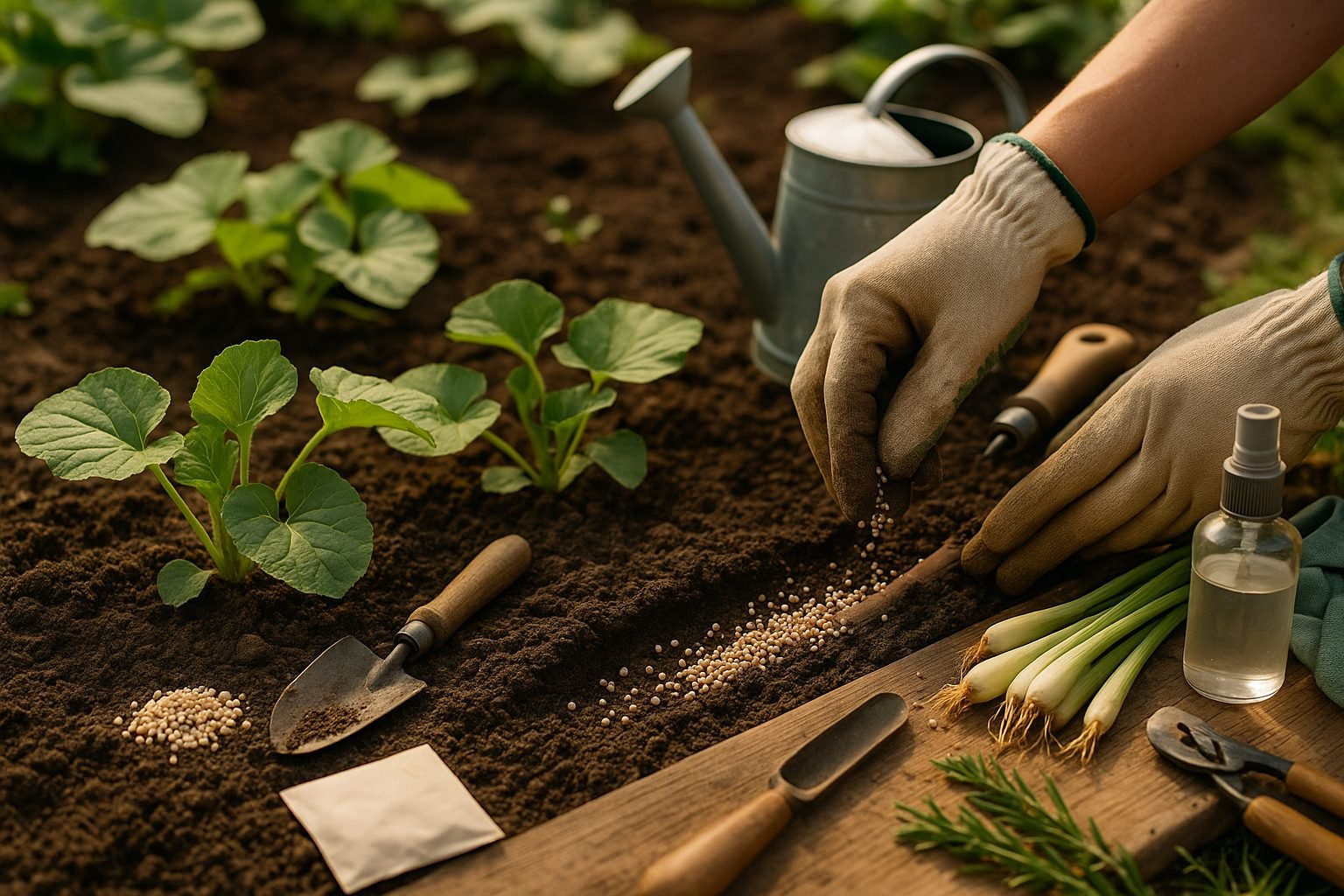
Making your own organic fertilizer for pumpkins is not only budget-friendly but can also boost yields when tailored to your plant’s needs. Start with a classic base of rich compost—this provides slow-release nutrients and improves soil texture.
For spring planting, blend two parts fully decomposed compost with one part well-rotted manure (such as cow or chicken), plus a handful of bone meal for phosphorus. This early-season mix encourages robust root growth when pumpkins are first established.
As the plants grow and begin to vine out (mid-season), switch to a nitrogen-focused blend to fuel lush leaf and vine development. Add some diluted liquid fish emulsion or sprinkle blood meal into the compost-manure base.
When flowering and fruit set begin late in the season, pivot to a phosphorus- and potassium-rich amendment by mixing in wood ash (use sparingly to avoid raising pH too much) and more bone meal—this boosts pumpkin size and flavor.
Always age or compost any fresh manure for several months ahead to avoid burning plants and introducing pathogens. Store your DIY blends in sturdy, sealed containers in a cool, dry place—buckets with lids or heavy-duty bags work well—and label each batch with its contents and date.
When applying, scatter the dry mix around the base of the plants (keeping it away from stems), then gently dig it into the soil and water thoroughly to activate the nutrients. With a little planning, these homemade fertilizer blends can support your pumpkins throughout their entire growing season.
Conclusion & Best Practices
Selecting the right organic fertilizer for pumpkins can make a big difference in the health and productivity of your pumpkin patch. Options like well-rotted compost, aged manure, bone meal, and fish emulsion provide a gentle, slow-release nutrient boost that supports strong vines, robust leaf growth, and plump fruit.
Compost improves overall soil health and structure, while manure adds a balanced mix of nitrogen, phosphorus, and potassium. Bone meal supplies phosphorus for healthy root systems, and fish emulsion offers a quick pick-me-up if your pumpkins show signs of stress.
Whatever fertilizers you choose, maintaining healthy, living soil is key. Be sure to add organic matter regularly, avoid soil compaction, and use mulch to protect the ground. It’s also essential to provide nutrients in a balanced way, especially during crucial times like just after transplanting and when the vines begin to flower.
Every garden is unique, so don’t hesitate to experiment: test your soil each season, observe how your pumpkin variety responds to different organic fertilizers, and adjust your approach as needed. By staying attentive and flexible, you’ll grow not only big, beautiful pumpkins but also a thriving, resilient garden year after year.