Introduction
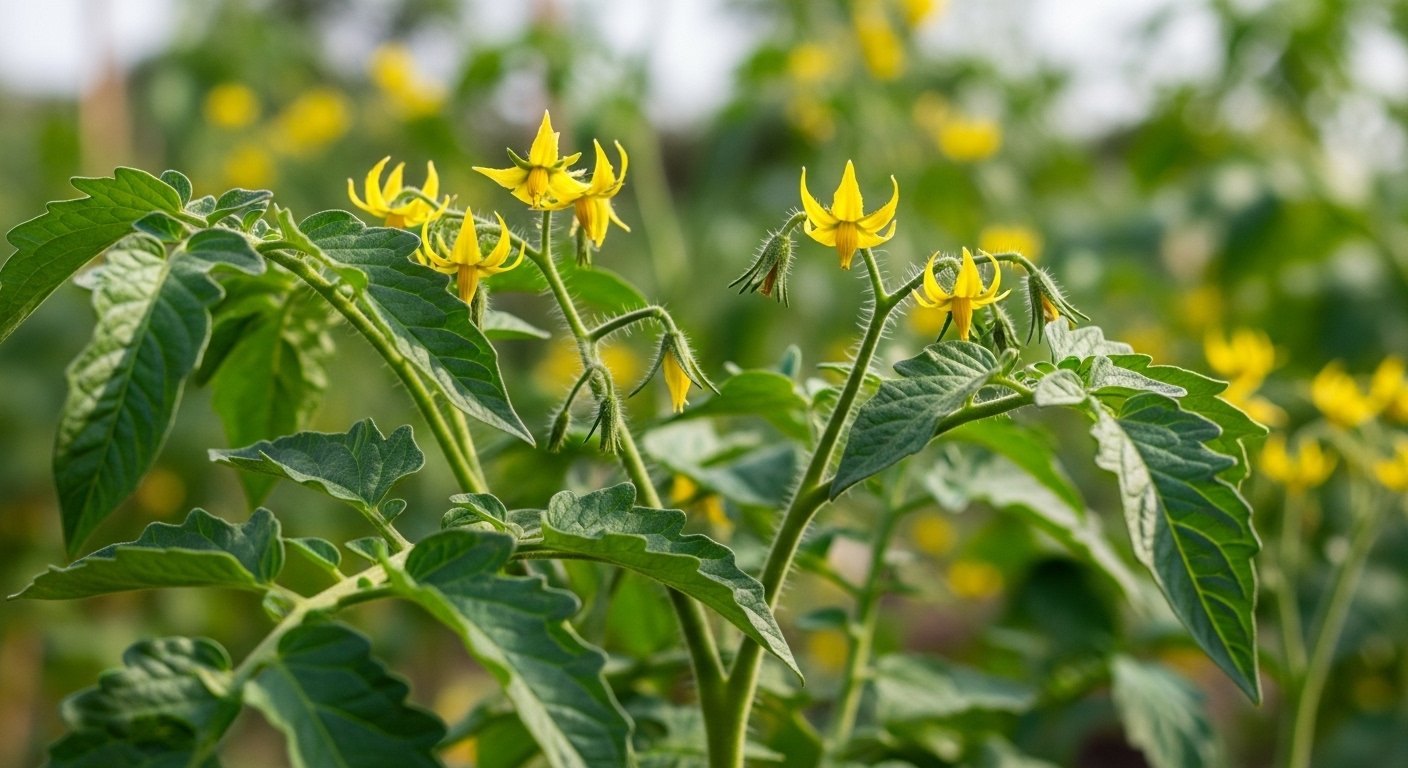
If you’ve ever noticed tomato flower drop in your garden, you know how frustrating it can be to watch promising blossoms fall off before they turn into ripe, juicy tomatoes. Flower drop—when flowers detach from the plant before setting fruit—is a common challenge not just for tomatoes, but for many other garden vegetables and even ornamental plants. The significance of flower drop goes beyond missing out on a good harvest: it’s an important signal about your plant’s health and your garden’s growing conditions. In tomatoes and other favorites like peppers or beans, flower drop can mean that even after all your care, environmental stresses or cultural missteps are quietly affecting your yield.
This problem often arises at the peak of the growing season, just when plants are loaded with blooms and gardeners are hopeful for a bumper crop. Maybe the days have gotten a bit too hot, or an unexpected cold snap has rolled through. It might even be something simple, like inconsistent watering or a burst of rainy weather. Every gardener, from backyard hobbyists to experienced growers, faces flower drop at some point, and understanding why it happens is the first step toward prevention.
In this post, we’ll dig into the most common causes of tomato flower drop—including temperature extremes, poor pollination, nutrient imbalances, and water stress—and offer clear, actionable tips to prevent it. With the right knowledge, you’ll be equipped to help your tomato plants hold onto their flowers, boost fruit set, and enjoy a more abundant harvest.
Common Reasons Why Flowers Drop
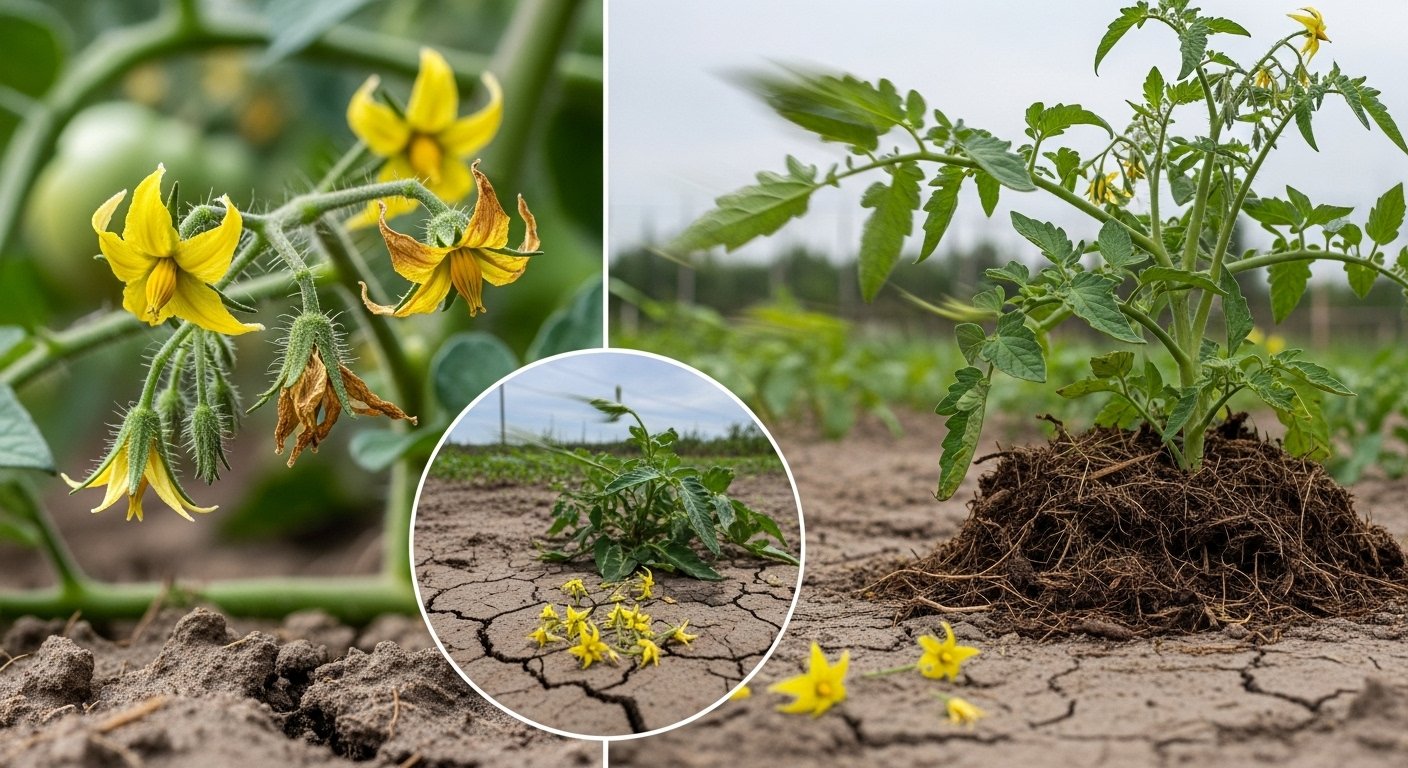
Flowers can drop for several reasons, often tracing back to environmental stresses or care-related issues. Too much heat or cold can shock plants, causing blooms to fall off before they have a chance to develop. For example, tomatoes often shed flowers during sudden hot spells or unexpected cold snaps.
Low humidity can dry out tender flower tissues, while high humidity may encourage fungal issues. Indoors, using a humidifier or grouping plants together can help stabilize humidity levels.
Wind, especially in exposed garden spots or on balconies, can physically damage blooms or sap moisture from buds. Consider using windbreaks or moving potted plants to sheltered spots to protect your flowers.
Both overwatering and underwatering stress plants. Wilted or yellowing leaves are warning signs, so always check soil moisture before watering.
Transplant shock, commonly seen after moving young plants outdoors or repotting, often causes temporary blossom loss. Help plants recover by minimizing root disturbance and providing some shade for a few days.
Pests like spider mites and aphids suck sap from flower stems, weakening blooms. Fungal diseases such as botrytis can rot flower bases. Inspect plants regularly and treat problems early to prevent widespread damage.
Nutrient deficiencies also play a role. A lack of calcium, for example, is notorious for causing blossom end rot in vegetables like tomatoes, peppers, or squash, leading to dropped flowers or fruit that fails to set.
Using a balanced fertilizer, mulching to maintain even moisture, and avoiding extreme temperature swings can make a big difference in helping your flowers stay put and flourish.
Recognizing Flower Drop vs. Normal Shedding
It’s important to know the difference between normal flower shedding and problematic flower drop so you can keep your plants healthy and thriving. Most flowering plants have a natural lifecycle where old blooms wither and fall as part of their regular growth—think of how roses drop their petals after a flush, or how some fruit trees lose flowers after pollination to focus energy on developing fruit.
However, if you notice flowers dropping before fully opening, buds turning yellow or brown, or blooms wilting suddenly, these can be signs of stress or underlying problems. Aborted buds that simply dry up and fall without blooming often indicate issues like inconsistent watering, sudden changes in temperature, or pest problems.
For instance, tomatoes naturally shed some flowers, but if you see clusters of unopened, browning buds falling off, it’s time to investigate environmental factors. A normal pattern might mean losing a few blooms here and there, especially during a change of season, but when you see excessive drop, or flowers shriveling while still on the plant, it’s likely a red flag.
Keep an eye on both the quantity and quality of fallen flowers; understanding these patterns helps you intervene before lasting damage occurs.
Environmental and Cultural Solutions
Adapting your gardening approach to local weather and climate is the first step to nurturing resilient plants. Water early in the morning to reduce evaporation and allow leaves to dry, which helps prevent disease. In hot or windy conditions, consider watering deeply but less frequently to encourage strong root growth rather than quick surface sips.
Sensitive plants, such as lettuce or young seedlings, benefit from lightweight shade cloths or strategically placed taller companion plants that shield them from harsh midday sun. Barriers like fences, hedges, or temporary windbreaks can minimize damage from drying winds.
Boosting your soil with organic compost improves both water retention and drainage. Adding a thick layer of mulch—such as straw, shredded leaves, or bark—helps regulate soil temperature, retain moisture, and suppress weeds.
Time your plantings thoughtfully: in many regions, early spring or late afternoon on cooler days is ideal. This gives transplants a gentle start before heat or cold stress can take hold.
Finally, make it a habit to do quick daily walk-throughs of your garden. Catching wilted leaves, pest outbreaks, or dry spots early gives you a head start on fixing problems and keeps your garden healthier all season long.
Nutritional & Fertilizer Management
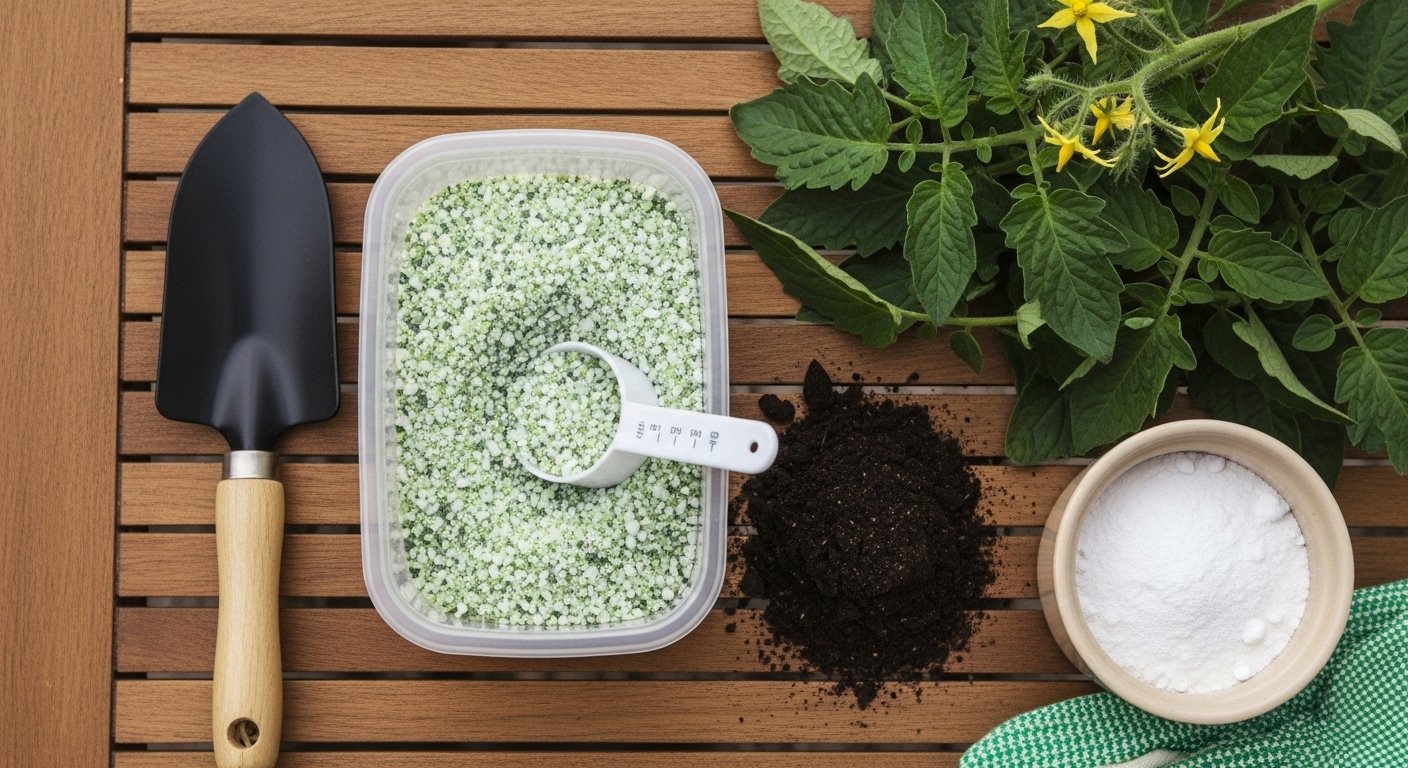
Healthy flower formation and retention rely on a balanced supply of essential nutrients, with calcium and potassium playing especially critical roles. Calcium helps strengthen cell walls, ensuring that flower buds develop properly and don’t abort prematurely, while potassium supports the movement of water and nutrients within the plant, helping flowers grow vibrant and resilient.
If your plants are lacking calcium, you might notice distorted or curling new leaves, or even blossom end rot on fruits. Potassium deficiency commonly presents as yellowing or browning leaf edges and weak stems.
To avoid these issues, choose a fertilizer labeled for flowering plants, ensuring it provides both macro and micronutrients. Look for slow-release or balanced options (like a 10-10-10 or 5-10-10 formula) during early growth, and switch to a bloom-boost fertilizer higher in potassium as flower buds develop.
Timing is essential: fertilize in the morning and always water the soil first to prevent root burn. Be careful not to overdo it—excess fertilizer can harm flowers by leading to salt buildup, leaf scorch, or diminished blooms.
Start with the lowest recommended dose, observe your plants’ response, and always follow the product label instructions. Set calendar reminders for follow-up feedings to ensure steady growth without overwhelming your flowers, helping them thrive and put on their best show all season long.
Pests, Diseases & Chemical Controls
Flower drop is often triggered by common insect pests such as aphids, thrips, and mites, which feed on plant juices and weaken flower buds, causing them to fall prematurely. Aphids cluster on new growth and excrete sticky honeydew, while thrips and mites are tiny but can cause major damage by puncturing plant tissue.
Fungal diseases like powdery mildew or botrytis, and bacterial issues such as blights, can also stress plants and contribute to flower loss. To prevent disease, ensure good air circulation by spacing plants properly, water at the base rather than overhead to avoid wet foliage, and promptly remove infected plant material.
When pests or diseases do strike, use insecticides and fungicides cautiously—always read labels for correct dosages and application timing. Opt for targeted solutions like neem oil or insecticidal soap for soft-bodied insects, and choose fungicides recommended for your plant’s specific problem. Only treat when you see clear signs of infestation or disease rather than as a routine, as overuse can harm pollinators and beneficial insects.
Finally, maintaining a clean garden is essential: routinely clear away debris, weeds, and spent blooms to eliminate hiding places for pests and pathogens. With these proactive steps, you can minimize flower drop and keep your plants healthy without unnecessary chemical reliance.
Proactive Flower Drop Prevention Tips
Keeping your flowers at their best starts with consistent, attentive care throughout the growing season. Make it a daily habit to monitor your plants for signs of stress, such as wilted leaves or pests, and respond promptly to prevent issues that can trigger flower drop.
Deadheading—removing spent blooms—encourages many flowering plants, like petunias and zinnias, to produce fresh flowers instead of shifting energy to seed development. Staking tall or top-heavy varieties, such as dahlias or delphiniums, protects them from wind damage and sudden falls.
Choosing resilient cultivars—like Knock Out roses, bred to resist stress and disease, or marigolds, known for their robustness—can also reduce disappointments from premature flower loss. Seasonal timing is another key factor; plant annuals after the last frost and perennials as soon as the soil is workable to give roots time to establish before blooming begins.
Fertilize moderately: too much nitrogen can boost leaf growth at the expense of blooms and may even trigger flower drop, so opt for balanced, flower-boosting formulas. Practice judicious pruning by removing weak or crossing branches during the dormant season to shape the plant and promote air circulation, but avoid cutting back too late in spring once bud formation has started.
To refine your approach year after year, start a simple gardening journal. Record planting dates, frost events, issues with specific varieties, and how different care routines affected flowering. Over time, you’ll notice patterns—maybe certain plants always falter after heavy rain, or one corner of the garden welcomes more blooms. These notes help you fine-tune your flower care, minimize loss, and enjoy even brighter, longer-lasting displays ahead.
Conclusion: Healthy Blooms Ahead
In summary, maintaining healthy, vibrant blooms comes down to managing a few essential factors—watering consistently, providing adequate sunlight, feeding plants with the right nutrients, and keeping an eye out for pests or extreme weather changes. By staying attentive to your garden’s needs and adjusting your care as flowers grow, you can greatly reduce the risk of premature flower drop.
Simple habits like checking soil moisture daily, using mulch to retain water, and inspecting leaves for signs of stress or insects can make a big difference over time. Remember, every gardener faces challenges, but your efforts truly matter.
Take what you’ve learned here and start applying these tips today—your flowers will reward you with bigger, brighter, and longer-lasting blooms all season long. Don’t wait; a little proactive care now can transform your garden into a thriving floral display you’ll love.