Introduction
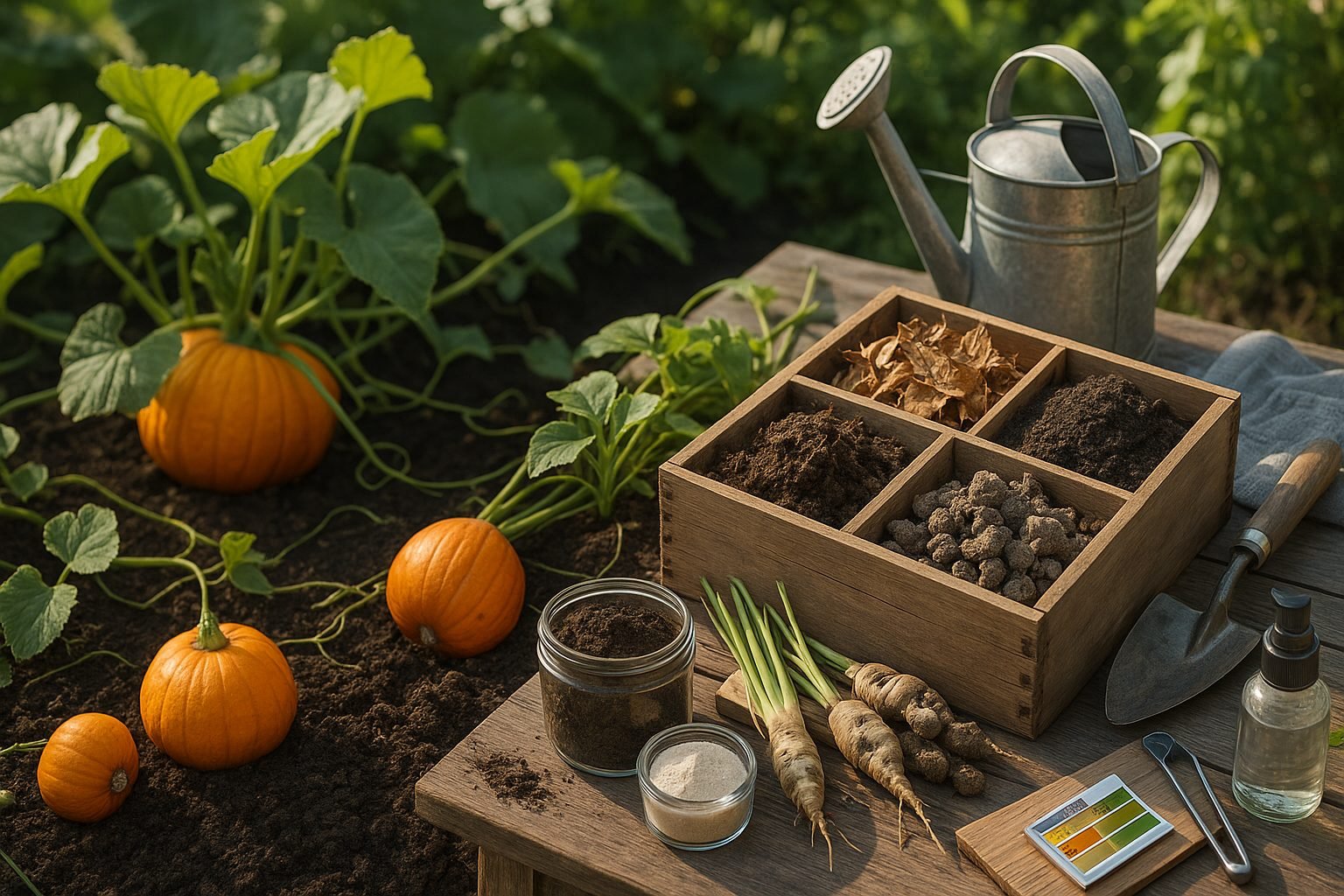
If you’re eager to grow big, healthy pumpkins, using homemade pumpkin fertilizer can be a game-changer for your garden. Organic, homemade fertilizers are packed with natural nutrients that support pumpkin plants without harsh chemicals, offering a safer option for your family and the environment. Pumpkins need nutrient-rich soil to reach their full potential—vibrant vines and plump fruit rely on a steady supply of nitrogen, phosphorus, and potassium.
While commercial fertilizers may promise quick results, they often contain synthetic additives that can deplete soil health over time or runoff into waterways. Plus, the “one-size-fits-all” approach of store-bought options may not meet the unique needs of your pumpkin patch. In this article, you’ll discover how easy it is to create your own pumpkin fertilizer from kitchen scraps, yard waste, and other eco-friendly ingredients you already have at home. We’ll explore several DIY recipes that not only save money but also nurture your plants sustainably, so you can look forward to a bountiful harvest—naturally.
Understanding Pumpkin Nutrient Needs
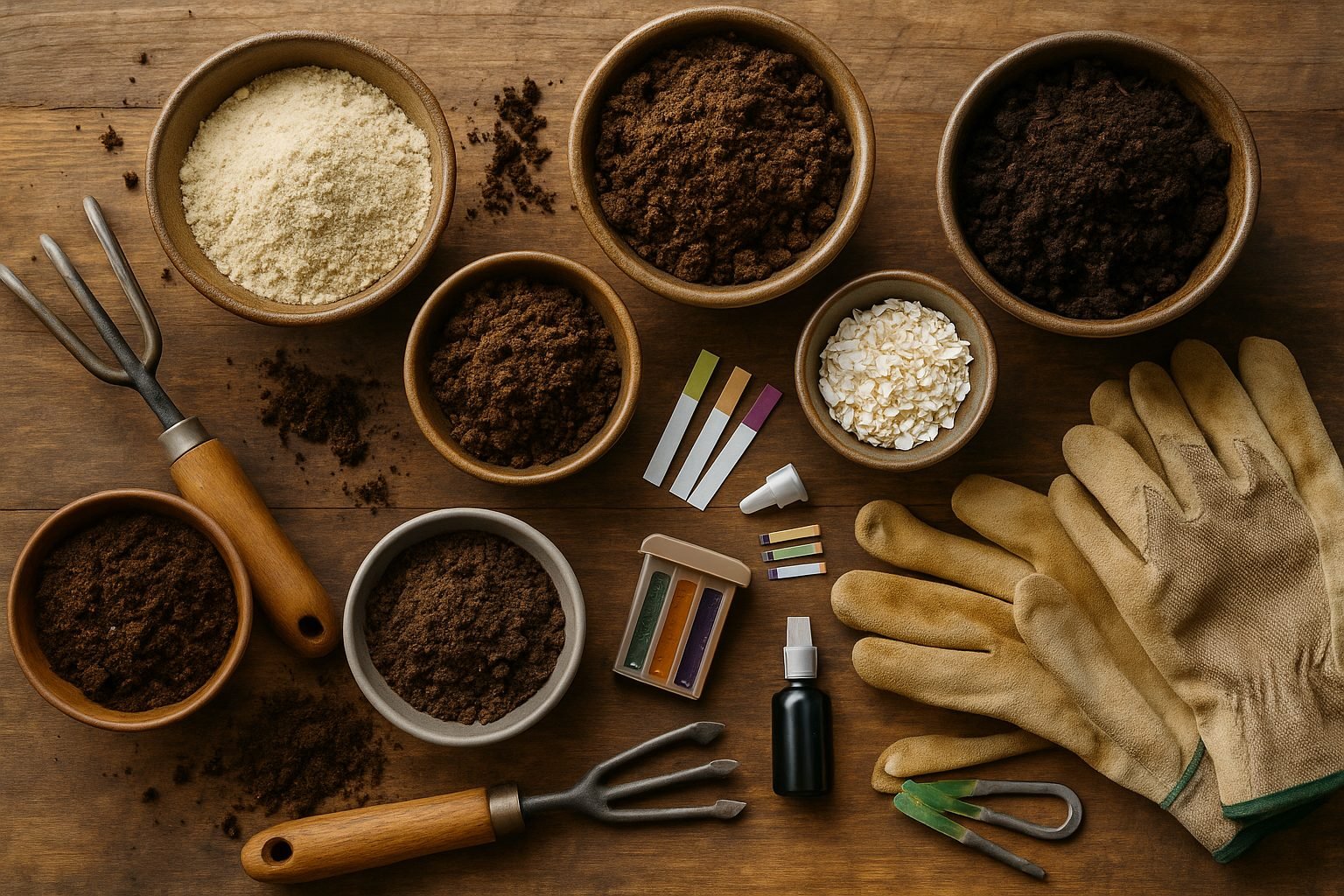
Pumpkins thrive when they receive the right balance of essential nutrients, making it crucial to understand their unique needs before crafting a homemade pumpkin fertilizer. The primary nutrients pumpkins require are nitrogen, phosphorus, and potassium, often abbreviated as N-P-K. Nitrogen is vital for lush, healthy vine and leaf growth early in the season, phosphorus supports strong root development and fruit setting, while potassium helps the plant build sturdy stems and produce large, resilient pumpkins.
In addition to N-P-K, pumpkins also benefit significantly from secondary nutrients like calcium and magnesium. Calcium strengthens cell walls, reducing the risk of blossom end rot—a common problem where the base of the pumpkin turns brown and mushy—while magnesium contributes to efficient photosynthesis and overall plant health.
When any of these nutrients are lacking, pumpkins show symptoms that can be frustrating for gardeners. For example, a nitrogen deficiency may cause yellowing leaves and stunted vines, phosphorus shortage can make leaves look purple and reduce fruit yield, a lack of potassium often leads to weak stems and poor fruit quality, and low calcium results in the dreaded blossom end rot. Magnesium deficiency appears as yellowing between leaf veins.
By customizing your homemade pumpkin fertilizer, you can address these specific needs instead of relying on generic garden feeds that might not offer the perfect balance. Tailoring your mix leads to healthier plants, bigger harvests, and fewer disease issues, helping your pumpkins thrive from seedling to harvest.
Choosing Ingredients for Homemade Pumpkin Fertilizer
When making homemade pumpkin fertilizer, the best place to start is by collecting nutrient-rich household and garden waste that will benefit your pumpkin plants. Compost is a classic base; it’s made from a mix of fruit and vegetable scraps, leaves, grass clippings, and even shredded paper. Coffee grounds are another great addition, supplying nitrogen—a key nutrient for leafy growth. Rinsed and crushed eggshells provide calcium, which strengthens cell walls and helps prevent blossom end rot. Banana peels offer potassium, a vital nutrient that supports healthy fruit development and overall plant vigor. Fish scraps give a powerful boost of phosphorus and trace elements, encouraging strong root growth and flower production.
It’s important to know which ingredients supply each major nutrient: nitrogen (N) comes from green materials like coffee grounds and grass clippings; phosphorus (P) is found in bone meal and fish scraps; potassium (K) is rich in banana peels and wood ash; and micronutrients like calcium and magnesium come from eggshells and Epsom salt. When gathering these ingredients, prioritize kitchen scraps free from oils, salt, and preservatives, which can harm your soil microbes and plants. Avoid using diseased or pesticide-treated plants from the garden. Store collected materials in separate, well-labeled containers—such as compost buckets, sealed jars for coffee grounds, and ventilated bins for eggshells and banana peels—to prevent mold, pests, and odors. If you use fish scraps, bury them promptly in the compost pile or directly in the garden to avoid attracting wildlife. By carefully selecting and storing your ingredients, you’ll have a supply of safe, nutrient-packed materials ready to create a balanced homemade pumpkin fertilizer.
DIY Homemade Pumpkin Fertilizer Recipes
One of the easiest homemade pumpkin fertilizer recipes is compost tea. Start by filling a five-gallon bucket about one-third full of well-aged compost, either homemade or bagged. Add water until the bucket is nearly full, then let the mixture steep for two to three days, stirring occasionally. Once done, strain out the solids using a fine mesh or old cloth—the remaining liquid is your compost tea. To fertilize your pumpkin plants, dilute the tea with water at a 1:3 ratio (one part tea to three parts water) and water the plants at their base, avoiding the leaves. Compost tea can be applied every two weeks during the growing season to provide a full spectrum of nutrients.
Another simple recipe is banana peel liquid fertilizer, which is fantastic for delivering potassium—a key nutrient for strong pumpkin growth and flower development. Collect 4–5 banana peels, cut them into small pieces, and place them in a jar or bottle. Fill with water, cover, and let steep for about a week, shaking daily. Strain out the peels before use. To apply, dilute the liquid with equal parts water and pour it around the base of your pumpkin plants. Banana peel fertilizer works best during flowering and early fruiting stages and can be applied every two to three weeks.
For a nitrogen boost, try homemade fish emulsion. You’ll need raw fish scraps (like heads, bones, or guts), water, and an airtight container. Add the fish scraps to the container and cover with water at about a 1:2 ratio of fish to water. Seal and let it ferment for 2–3 weeks, stirring every couple of days. After straining, dilute the liquid 1:10 with water before use—it’s potent! Apply sparingly around young pumpkin vines once a month during early growth to encourage leafy development. Just beware of the strong scent and keep pets away.
These homemade pumpkin fertilizer options can be alternated safely to ensure your pumpkins receive a balanced diet throughout the season.
How to Apply Homemade Pumpkin Fertilizer Safely
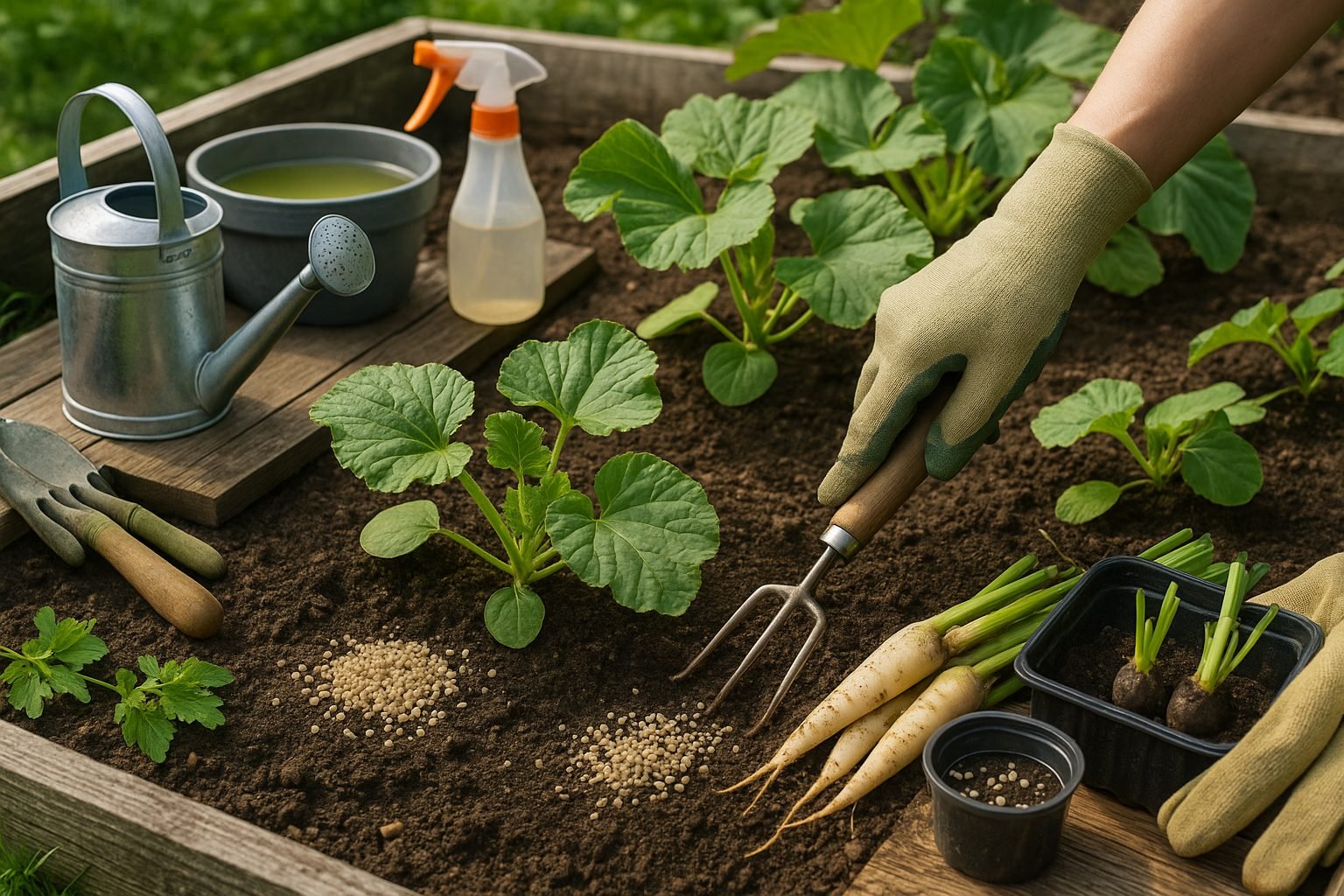
Applying homemade pumpkin fertilizer safely is essential for growing healthy, robust pumpkins without harming your plants. Begin by timing your application according to the pumpkin growth stages: apply an initial dose at planting or transplanting to encourage strong root development. Once the vines start running and flowers appear, increase the frequency of fertilizing to support vigorous growth and fruit set. Then, scale back as the pumpkins begin to mature in late summer or early fall.
There are three main methods to apply your homemade fertilizer:
- Soil drenching: Mix the fertilizer with water following recommended dilution rates—typically 1 part fertilizer to 10 parts water—and pour it around the root zone for deep nourishment.
- Foliar spraying: Mist a diluted fertilizer solution (usually half the strength of a soil drench) onto the leaves early in the morning or late afternoon, allowing quick absorption without risking sunburn.
- Side-dressing: Gently work the fertilizer into the soil a few inches away from the plant stems, which is ideal for slow-release feeding.
Always err on the side of caution with dilution; too strong a mix can burn roots and leaves. If you notice yellowing, browning, or wilting after application, water the area thoroughly to flush out excess nutrients. Monitor your plants closely: if leaves are lush and green but fruit production is low, reduce nitrogen-heavy feeds and switch to blends higher in phosphorus and potassium.
Above all, maintain a consistent schedule, avoid applying fertilizer right before heavy rain, and observe your plants’ responses—adjusting as needed for a healthy, abundant pumpkin patch.
Sustainable Fertilizer Practices for a Healthy Pumpkin Patch
Embracing sustainable fertilizer practices is key to growing strong, healthy pumpkins while protecting the environment. You can create your homemade pumpkin fertilizer using organic materials like kitchen scraps, coffee grounds, or well-rotted manure from local farms. This approach not only reduces food waste and your carbon footprint but also provides your soil with natural, slow-release nutrients.
If you have a backyard compost pile, it’s an excellent source for homemade fertilizer. Items like banana peels, eggshells, and veggie trimmings add valuable minerals to the mix. To boost pumpkin growth even more, rotate your pumpkin patch each season by planting pumpkins in a new spot—this helps reduce pest buildup and improves soil structure.
Apply mulch such as shredded leaves or straw around your pumpkin plants to retain moisture, suppress weeds, and gradually enrich the soil as it breaks down. Planting companion plants like marigolds can naturally repel harmful insects, cutting down on the need for chemical treatments.
Always store your homemade pumpkin fertilizer in clearly labeled, sealed containers, keeping them out of reach of pets and children. If you end up making more fertilizer than you need, consider sharing it with gardening neighbors or local community gardens. This helps build a community of sustainable growers and supports healthier, more productive pumpkin patches for everyone.
Conclusion
Making your own homemade pumpkin fertilizer is a simple, cost-effective way to boost your pumpkins’ health while cutting down on chemical use. By using ingredients like compost, coffee grounds, and Epsom salt, you provide essential nutrients that help pumpkins grow bigger and stronger—often with materials you already have at home. Trying these homemade recipes lets you customize the fertilizer to your garden’s unique needs and see firsthand how your plants respond. You might notice greener leaves, sturdier vines, and more robust pumpkin growth in just a few weeks. Give these methods a try this season, and be sure to watch for any changes in your plants’ health or yield. If you have your own homemade pumpkin fertilizer tips or success stories, we’d love to hear from you in the comments—let’s learn and grow together!