Introduction
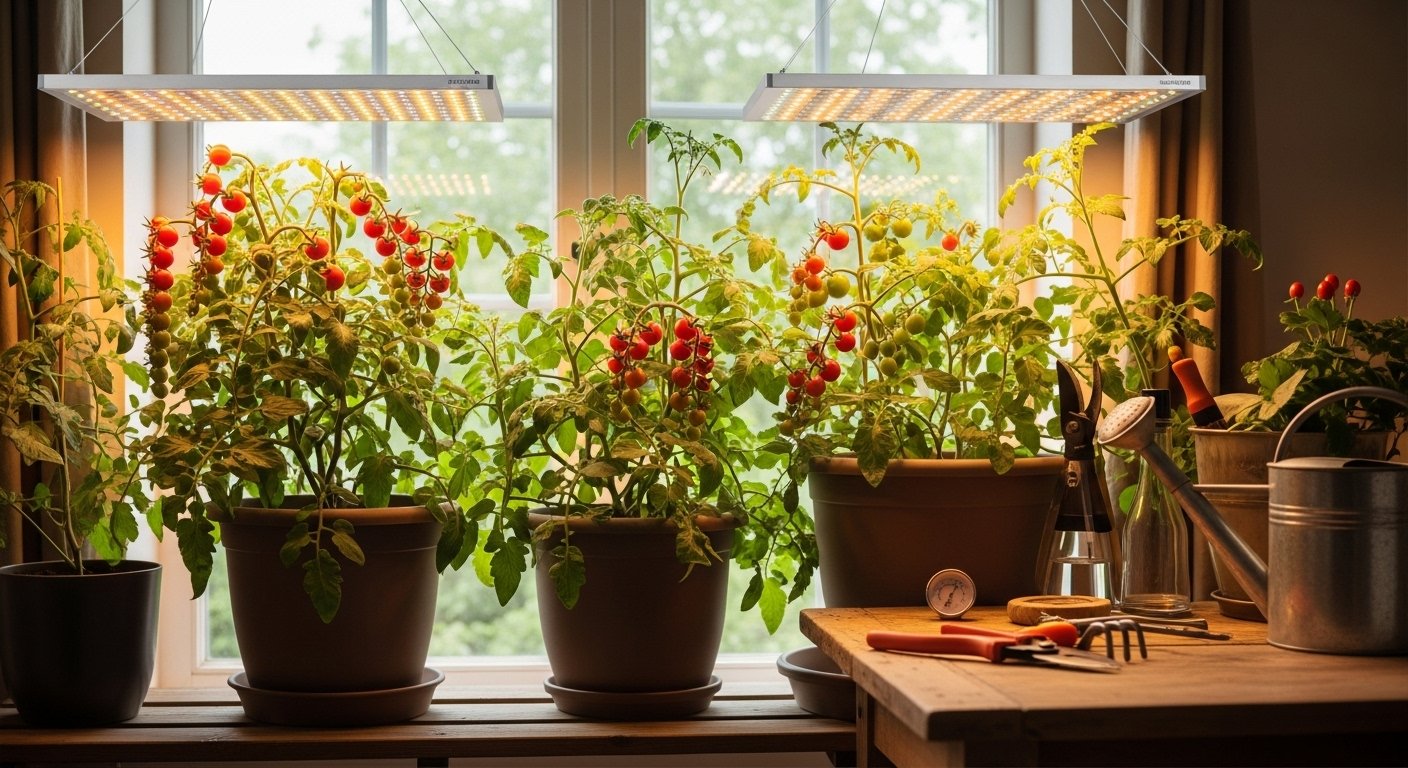
Imagine biting into a sun-ripened, juicy tomato in the middle of winter—sounds impossible, right? With the right setup, growing tomatoes year-round indoors can turn this dream into a delicious reality. Indoor tomato gardening brings the joy of fresh, homegrown produce to your kitchen no matter the season, sparing you from bland off-season supermarket tomatoes.
It’s not just the promise of tastier meals; tending tomatoes inside means fewer pests, better control over growing conditions, and a rewarding way to stay connected with nature even in colder months. Of course, taking your tomato plants inside comes with unique challenges: you’ll need to mimic sunlight with artificial grow lights, manage indoor humidity, and select suitable tomato varieties.
But the satisfaction of snipping ripe tomatoes from your own plants without ever stepping outdoors makes the extra effort worthwhile. In this article, we’ll walk you through what it really takes to have thriving tomatoes year-round indoors—choosing the right tools and varieties, setting up grow lights, managing watering and nutrients, and troubleshooting common issues. Whether you’re a curious beginner or a green-thumbed enthusiast aiming for a steady harvest, you’ll discover practical tips and proven strategies to enjoy truly fresh tomatoes every season.
Choosing the Right Tomato Varieties
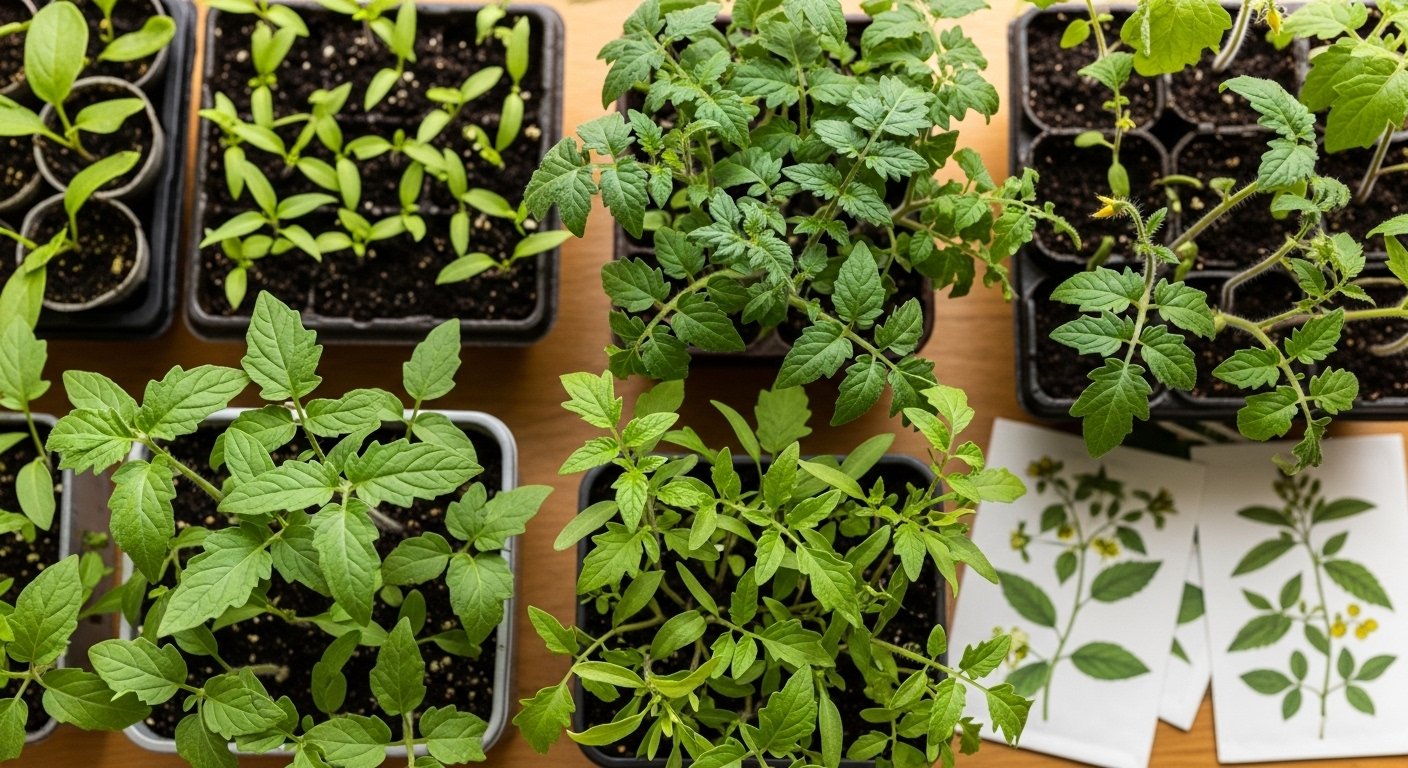
When growing tomatoes indoors, selecting the right variety can make all the difference in your success. Determinate and dwarf tomato plants work especially well in indoor spaces because they stay compact, don’t need much pruning or staking, and thrive in pots or containers. Popular examples include Tiny Tim and Bush Early Girl.
Cherry tomatoes—like Red Robin or Micro Tom—are also top picks since their small fruits mature quickly, allowing you to enjoy harvests even with limited light and space.
Indeterminate varieties, which keep growing and require larger containers and more support, are usually best reserved for outdoor or greenhouse setups. However, adventurous gardeners with ample space and strong grow lights can give them a try.
For the best results, choose seeds or seedlings labeled specifically for “container” or “patio” use, as these are bred for compact size and adaptability to lower-light environments.
Many local nurseries now stock indoor-friendly tomato varieties, but online seed catalogs like Johnny’s Selected Seeds or Baker Creek Heirloom Seeds offer curated selections with filter options for variety type and growing environment.
When choosing, read variety descriptions carefully and don’t hesitate to reach out to sellers with questions about indoor performance. This simple research step can mean the difference between a thriving windowsill garden and leggy plants that struggle to produce.
Setting Up Your Indoor Tomato Garden
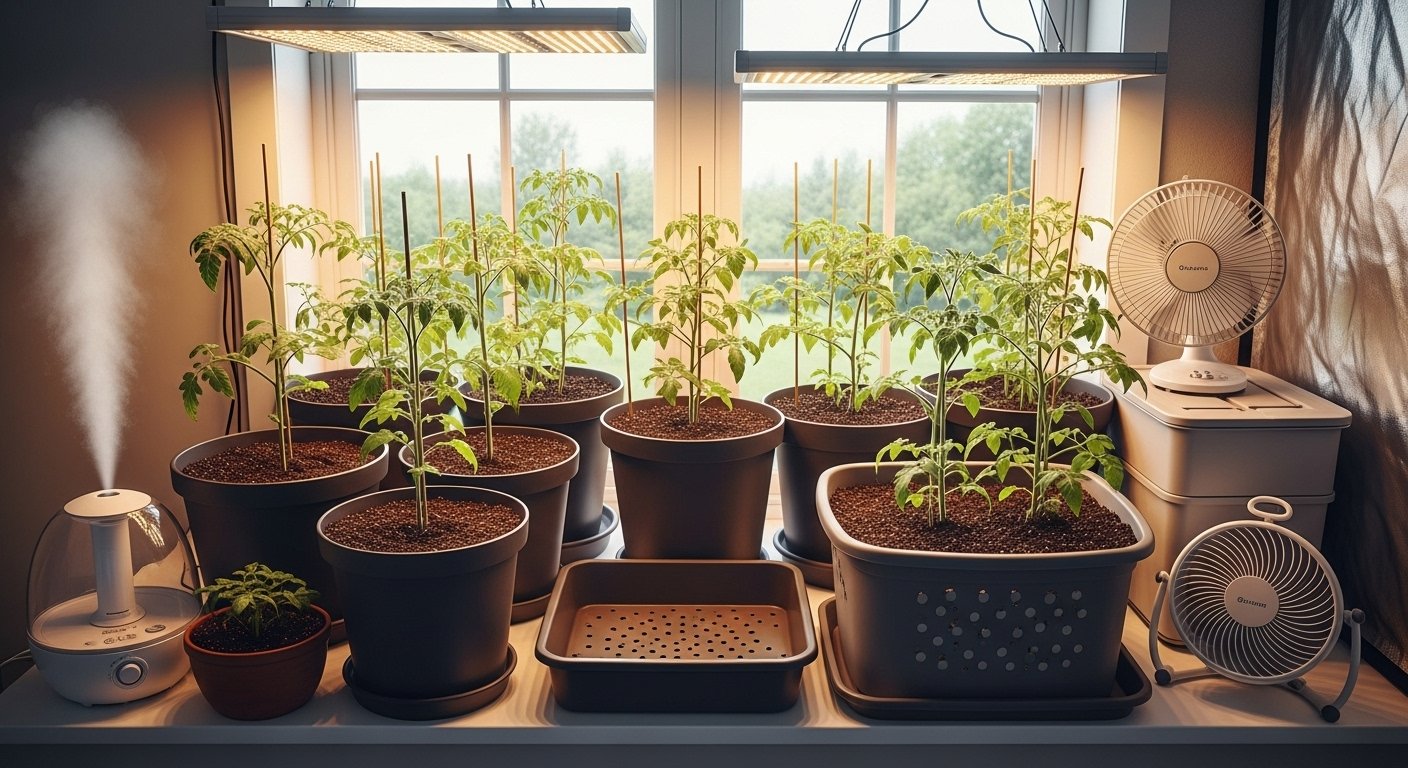
Growing tomatoes indoors can be incredibly rewarding if you create the right environment. Tomatoes need plenty of bright light—aim for at least 6-8 hours a day. If your windows are shady or sunlight is limited, LED grow lights are an easy fix and can be placed just a few inches above the plants.
Temperature matters, too; try to keep the room between 65-75°F (18-24°C) during the day, and avoid cold drafts at night. Humidity should stay around 40-70%. Too dry, and your plants might struggle; too damp, and you risk mildew.
When choosing containers, think big—tomatoes like room for their roots to stretch. A 5-gallon pot is ideal for most varieties, but even a 3-gallon bucket works for compact types. Look for containers with drainage holes or add your own if needed; stagnant water causes root rot fast.
Use high-quality potting soil that’s rich and fluffy to encourage strong, healthy growth—don’t just dig up some dirt from outside, which can compact and suffocate roots. Add a little perlite or vermiculite for extra drainage. Slip a tray underneath to catch extra water.
With the right light, temperature, humidity, plenty of room, and quality soil, you’ll set up your tomato plants for a bumper indoor harvest, no matter the season outside.
Planting and Initial Care
When planting in containers, start by filling your pots with high-quality potting mix, leaving about an inch of space from the rim to prevent overflow when watering. For seeds, gently press them into the soil at the depth suggested on the packet—usually about twice the seed’s thickness. For seedlings, dig a small hole just deep enough to cover the root ball. Space plants as recommended to ensure good air circulation.
Right after sowing or transplanting, give the container a thorough watering until water drains out the bottom to help settle the roots or seeds. Keep the soil consistently moist—but not soggy—since overwatering is a common mistake that can rot roots, while underwatering may cause weak, leggy growth.
Place containers in a spot with plenty of light, and consider using a diluted, balanced liquid fertilizer (like 10-10-10) every two weeks starting a week after seedlings emerge or after transplanting. Avoid heavy feeding too early, as this can burn tender roots. An easy tip is to stick your finger into the soil about two inches deep—if it’s dry, it’s time to water.
By following these early care steps, you set your plants up for strong, healthy growth right from the start.
Providing the Right Lighting and Environment
Good lighting is essential for healthy indoor plants, especially if you want them to bloom or produce fruit. Place your plants near bright, sunlit windows whenever possible—south- or west-facing windows usually offer the most consistent light. However, many homes don’t get enough natural light, especially in winter or in rooms with small or shaded windows.
In these cases, using LED grow lights is a game-changer. They provide consistent, full-spectrum light and use little energy, making them perfect for kitchen gardens or plant shelves.
Alongside lighting, keep an eye on temperature and airflow. Most indoor fruiting and flowering plants thrive in temperatures between 65-75°F (18-24°C) and dislike sudden chills or extreme heat. Good ventilation helps prevent fungal diseases, so try placing a small fan nearby (set on low) to keep air moving gently.
Dry indoor air, common in homes with central heating, can stress plants and cause leaf edges to brown. To solve this, run a humidifier near your plants or group them together to create a microclimate with higher humidity.
If temperatures swing too much between day and night—like near drafty windows—move plants a few feet away from glass or use thermal curtains to buffer temperature shifts.
Creating the right environment takes some trial and error, but observing your plants and making adjustments will help them flourish.
Caring for and Maintaining Indoor Tomato Plants
Keeping indoor tomato plants healthy takes a bit of regular attention, but the rewards are definitely worth it. Start by watering your tomatoes when the top inch of soil feels dry; indoor air can dry out pots faster than outdoor beds, so check daily.
Feed your plants with a balanced, water-soluble fertilizer every two weeks. Be careful not to overdo it on nitrogen, as too much can lead to leafy growth with fewer tomatoes. Look for a fertilizer formulated specifically for fruiting vegetables.
As the plants grow taller, stake or cage them to prevent sprawling and broken stems. Even compact varieties benefit from gentle support.
Pruning and Maintenance
Pruning is important too. Snip off any suckers—the shoots that develop between the main stem and branches—to keep your plant focused on producing fruit. Remove yellowing leaves at the bottom to improve air circulation.
Pest and Disease Management
Watch for common pests like aphids, whiteflies, and spider mites. Regularly inspect leaves and treat infestations early with insecticidal soap or by gently wiping pests away with a damp cloth.
Mold, mildew, or leaf spots are signs of excess humidity; increase airflow and avoid wetting leaves to prevent these diseases. If leaves turn yellow, check for overwatering or nutrient deficiencies.
Light and Growth Conditions
Poor fruit set often results from insufficient light—make sure your tomato receives at least 8 hours of bright light daily. Supplement with a grow light if window light isn’t enough.
With these simple routines, you’ll enjoy homegrown tomatoes year-round.
Harvesting and Enjoying Your Indoor Tomatoes
Knowing when your indoor tomatoes are ready to harvest is key to enjoying homegrown flavor at its best. Ripe tomatoes will have rich, consistent coloring—whether red, yellow, or another variety—with no green patches near the stem. They should feel firm but yield slightly with gentle pressure, and often give off a sweet, earthy aroma.
Use garden snips or twist tomatoes off the vine carefully to prevent damaging nearby fruit or stems. For peak taste, let tomatoes ripen fully on the plant, but if you need to pick them early, allow them to finish ripening at room temperature away from direct sunlight—never in the fridge, as cold temperatures dull their flavor and texture. Store ripe tomatoes stem-side down on a plate until you’re ready to enjoy them.
Homegrown tomatoes shine in simple dishes:
- Slice them over toast with olive oil and sea salt
- Add to salads with fresh basil
- Blend into an easy salsa or pasta sauce
Your effort pays off each time you bite into these juicy, flavorful fruits.
Conclusion & Encouragement
Growing tomatoes indoors is a rewarding way to enjoy fresh produce year-round, even if you don’t have outdoor space or ideal weather. With the right setup—ample light, quality soil, consistent watering, and careful attention to temperature—anyone can nurture thriving tomato plants right in their kitchen or living room.
Remember, starting small with compact varieties makes the process more manageable for beginners, and regular pruning helps keep your plants healthy and productive. Don’t be discouraged by a few hiccups along the way; every new blossom or ripening fruit is a win!
If you have questions or want to share your own indoor tomato successes (or challenges), drop a comment below—we’d love to hear your stories and help you troubleshoot. Happy growing!