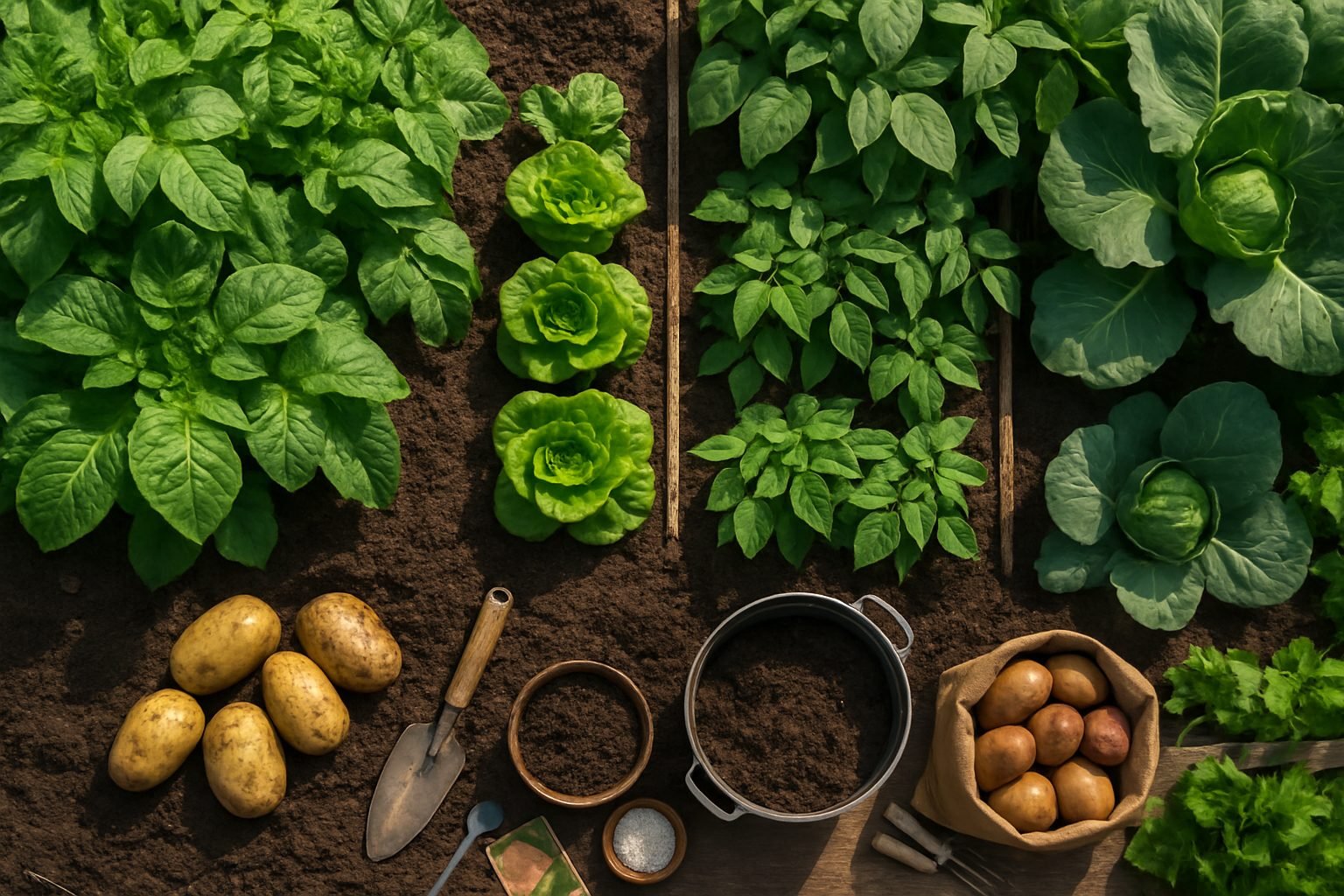
Why It Matters What You Plant After Potatoes
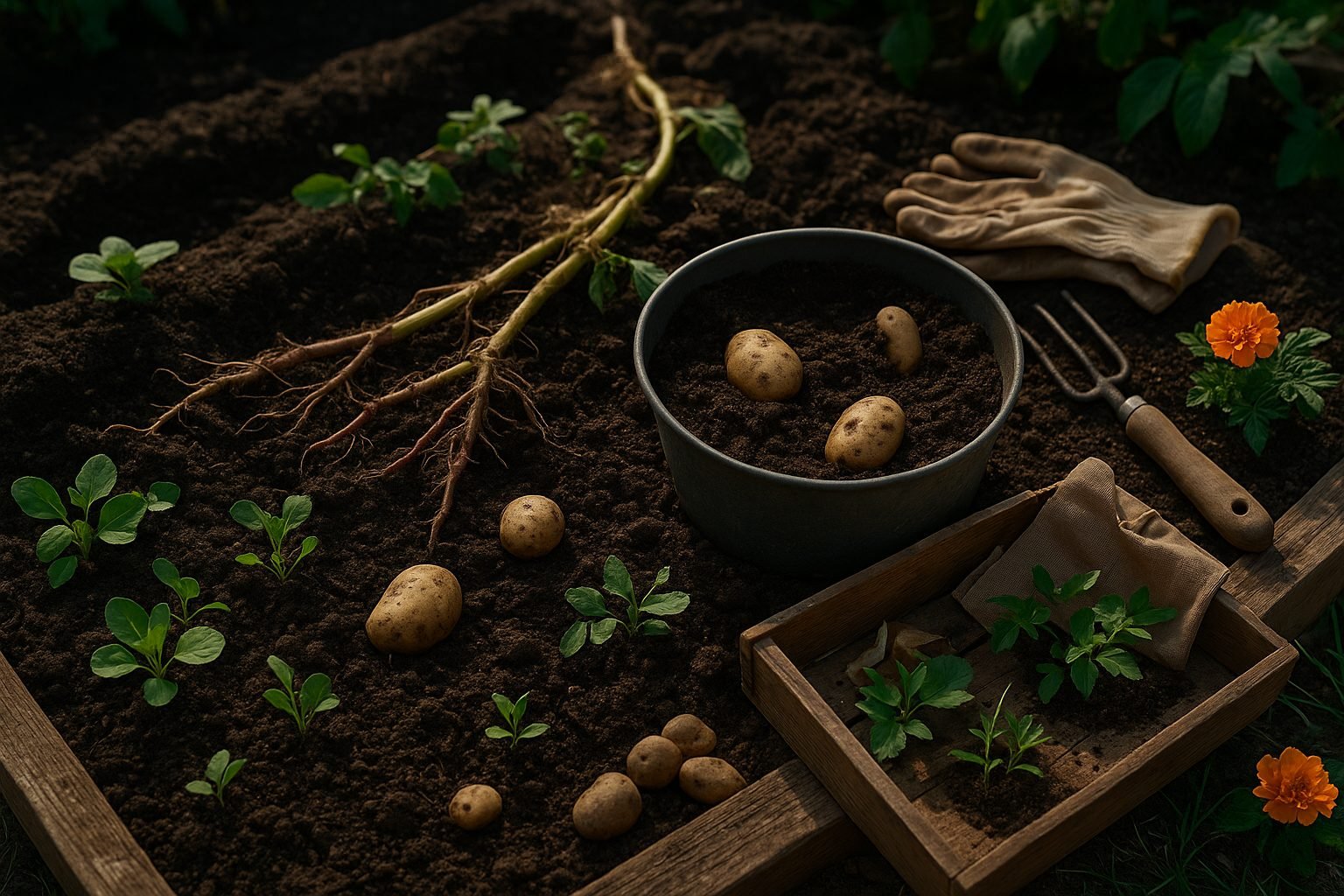
Understanding crop rotation after potatoes is essential for any gardener who wants to maintain healthy, productive soil and avoid recurring pest problems. When potatoes have finished their growing season, the choices you make about what to plant next can significantly impact the long-term health of your garden. This isn’t just about filling space—proper planning helps prevent disease, replenish important nutrients, and break cycles of troublesome pests like potato beetles and nematodes that linger in the soil.
Crop rotation is a tried-and-true gardening strategy where you plant different types of crops in a sequence rather than repeating the same family in the same spot every year. This practice makes a big difference for two reasons: first, each crop draws on different soil nutrients, helping to keep the ground balanced rather than depleted; second, switching up plant families interrupts the habitat and food supply for many pests and pathogens. For example, after potatoes—a heavy feeder that pulls lots of nutrients from the soil—it’s wise to plant crops that either help restore nitrogen or aren’t susceptible to the same diseases, such as beans, peas, or leafy greens.
Many gardeners face challenges after harvesting potatoes, from poor soil structure to residual pests and fungal spores. Potatoes leave the ground vulnerable to scab and wilt if the next crop is too closely related (like tomatoes or peppers). They also deplete certain nutrients, meaning that forgetting to rotate or replenish can lead to tough growing conditions for your next planting. Choosing the right follow-up crop is more than a routine—it’s a smart, preventative step that preserves your garden’s vitality for years to come.
In this post, we’ll look at the best choices for crop rotation after potatoes and share practical tips to make your next harvest even better.
Principles of Crop Rotation with Potatoes
Crop rotation is a smart, time-tested strategy that helps keep soils healthy and potato crops productive year after year. For potatoes, crop rotation is especially important because these tubers are heavy feeders, meaning they pull a lot of nutrients—especially nitrogen and potassium—from the soil. If potatoes or close relatives like tomatoes and peppers are planted in the same spot season after season, soils can quickly become depleted, leading to smaller harvests and weaker plants.
Worse, these areas can become breeding grounds for persistent pests like wireworms and diseases such as potato blight and potato cyst nematodes. To avoid these issues, many growers use a three- or four-year crop rotation cycle. A simple approach looks like this:
- Year 1: Plant potatoes (a root crop).
- Year 2: Follow with a leafy green like lettuce or spinach.
- Year 3: Plant fruiting crops such as beans, peas, or other legumes, which help replenish nitrogen in the soil.
- In a four-year scheme, you might add a brassica crop (like cabbage or broccoli) in the fourth year.
It’s best to avoid planting other members of the nightshade family (tomatoes, eggplant, peppers) immediately after potatoes, as these share many of the same diseases and pests. Likewise, steer clear of planting root crops like carrots or beets right after potatoes, since both can deplete similar nutrients and may suffer from residual soil-borne diseases.
By mixing up crop types and allowing time for nutrient recovery and pest cycles to break, you’ll set yourself up for healthier potato patches and tastier harvests season after season.
Best Crops to Plant After Potatoes
After harvesting potatoes, the soil is often left in ideal shape—loose, aerated, and rich in organic matter—creating great opportunities for planting a new round of crops. Top choices to follow potatoes include many legumes, like bush beans and peas, as they naturally fix nitrogen and help replenish soil fertility. This is especially valuable after potatoes, which are heavy feeders.
Fast-growing bush beans, for example, can produce a harvest in as little as 45-60 days, providing a quick turnaround and plentiful yield. Leafy greens such as lettuce, spinach, and Swiss chard also thrive after potatoes, as they love the loose soil and mature quickly, often in under two months.
Brassicas—including cabbage, broccoli, kale, and cauliflower—are another excellent pick, as they follow well after root crops and help break cycles of pests and diseases specific to potatoes. Root vegetables like carrots and beets do well in recently loosened soil, and their different nutrient needs compared to potatoes help balance garden rotations and reduce pest pressure.
Tips for Selecting Your Next Crop
- Consider sun exposure: leafy greens can handle some shade, while beans and most brassicas need full sun.
- For heavy clay or poorly drained soils, stick with shallow-rooting greens or try hardy beans that tolerate a wider range of conditions.
- In cooler climates, opt for fast-maturing greens or root veggies that withstand light frosts.
- Warm regions can extend brassica and bean harvests deeper into the season.
Ultimately, choosing a mix of nitrogen-fixing, fast-growing, and pest-resistant crops ensures your garden keeps producing after potatoes, while keeping your soil—and your kitchen—overflowing with variety.
Avoiding Common Mistakes: What NOT to Plant After Potatoes
One of the biggest mistakes gardeners make is planting tomatoes, peppers, eggplants, or other nightshade family members directly after harvesting potatoes in the same plot. This is risky because these crops are all susceptible to many of the same diseases and pests—potato blight, verticillium wilt, and nematodes, for example, can linger in the soil long after potatoes have been dug up.
If you plant another nightshade crop too soon, you’re setting the stage for these problems to reappear, sometimes even more aggressively. To give your garden soil a healthy break, it’s a good practice to avoid planting any nightshades in that area for at least two to three years.
Instead, rotate in crops that are less likely to share the same pests and diseases, such as beans, corn, or brassicas (like cabbage or broccoli). This rotation helps deprive pathogens of their preferred hosts, reducing their numbers naturally over time. If space is tight, even giving one full growing season before replanting a related crop can make a helpful difference.
Marking your plots and keeping a simple rotation chart can help you keep track—preventing these all-too-common mistakes and protecting your harvest for years to come.
Integrating Cover Crops and Soil Builders After Potatoes
After harvesting potatoes, your soil is often left exposed and depleted, making it the perfect time to introduce cover crops—sometimes called green manures—to restore fertility and protect your plot over winter. Cover crops like clover, vetch, rye, and mustard work wonders by fixing nitrogen, adding organic matter, suppressing weeds, and improving soil texture.
For instance, crimson clover and vetch are leguminous plants that pull nitrogen from the air and store it in their roots, providing your next crops with a natural nutrient boost. Rye grows quickly and forms a dense mat over the soil, preventing weed seeds from finding sunlight and helping to break up heavy soil with its deep roots. Mustard not only covers the ground but also has biofumigant qualities that help suppress soil-borne pests and diseases—something potatoes are especially vulnerable to.
To get started, sow your chosen cover crop seeds no later than a few weeks after digging up your potatoes, ideally before the first frost if you’re in a cold climate. Simply scatter seeds evenly over clear, moist soil, rake them in lightly, and keep the area watered until established.
Come spring, or about three to four weeks before you plan to plant the next vegetable crop, mow or cut down the cover crops before they set seed and allow the green matter to wilt. Then, gently turn it into the top few inches of soil with a fork or rototiller. This gives time for the organic matter to decompose and enrich your earth without tying up nutrients needed for your new veggies.
By pairing the right cover crops with mindful timing, you can give your post-potato bed a powerful, natural recharge—setting the stage for a healthier and more productive garden season ahead.
Succession Planting with Potatoes: Maximizing Your Harvest
Succession planting is a simple but powerful strategy to keep your garden productive all season long, especially when growing potatoes. Instead of filling your plot with a single crop and harvesting once, you stagger plantings or follow one harvest quickly with another crop, making the most of your space.
For potatoes, this means that after you dig your early varieties—often ready in 70 to 90 days—you don’t leave the soil bare. Instead, you quickly sow fast-maturing vegetables like bush beans, carrots, beets, or even leafy greens such as lettuce and spinach if you’re heading into cooler weather. In regions with longer growing seasons, consider late crops like radishes, turnips, or even a short-season squash.
Sample Planting Plan
Here’s a sample plan: plant early potatoes in late March (in warmer zones) or as soon as the soil is workable, harvest them by late June or early July, work in some compost, and then sow bush beans, which will be ready to pick in about 50 days.
If your potatoes are ready later in summer, switch to crops that thrive in cooler conditions as fall approaches, like spinach or kale. In colder climates, focus on quick crops or cover crops to protect the soil if frost comes early.
Timing and Local Considerations
Timing is everything, so check your local frost dates and growing zone information—gardening apps and local extension offices are invaluable resources here. By tailoring your succession planting schedule to the unique rhythm of your region, you can enjoy fresh yields from spring all the way until the first hard frost.
Companion Planting and Mixed Cultivation Ideas
Companion planting is the practice of growing certain plants together to enhance each other’s growth, deter pests, or attract helpful insects. It’s especially valuable when planning what to plant after harvesting potatoes. Because potatoes are heavy feeders and can leave the soil depleted, choosing the right follow-up crops can help restore nutrients and keep pests in check.
Legumes like peas or beans are classic companions for post-potato plots; they fix nitrogen in the soil, improving fertility for the next round of crops. Leafy greens, such as spinach or lettuce, also do well after potatoes, filling in space quickly and taking advantage of the soil’s remaining nutrients.
To help deter common potato pests like wireworms, try planting marigolds, which emit natural pest-repelling compounds, or aromatic herbs like basil and coriander that discourage unwanted insects and attract pollinators.
In small gardens, a simple rotation—planting a row of bush beans or lettuce where your potatoes were—can rejuvenate the soil and break pest cycles. For larger gardens, consider alternating potato beds yearly with blocks of beans intercropped with flowering herbs and fast-growing greens, creating diverse plots that both deter pests and reduce disease risks.
Watch for common myths, such as the idea that you must avoid growing any nightshades (like tomatoes or peppers) after potatoes. While rotating away from nightshades is wise due to shared diseases, not all crops need to be excluded, and many non-related crops actually thrive as follow-ups. Similarly, some believe potatoes poison the soil for years, but with the right rotations and nutrient-boosting companions, your garden can stay healthy and productive season after season.
Ultimately, companion planting after potatoes is about boosting soil health, managing pests naturally, and getting the best yields from every patch—whether you have a few raised beds or a sprawling backyard garden.
Practical Tips and Troubleshooting for Planting After Potatoes
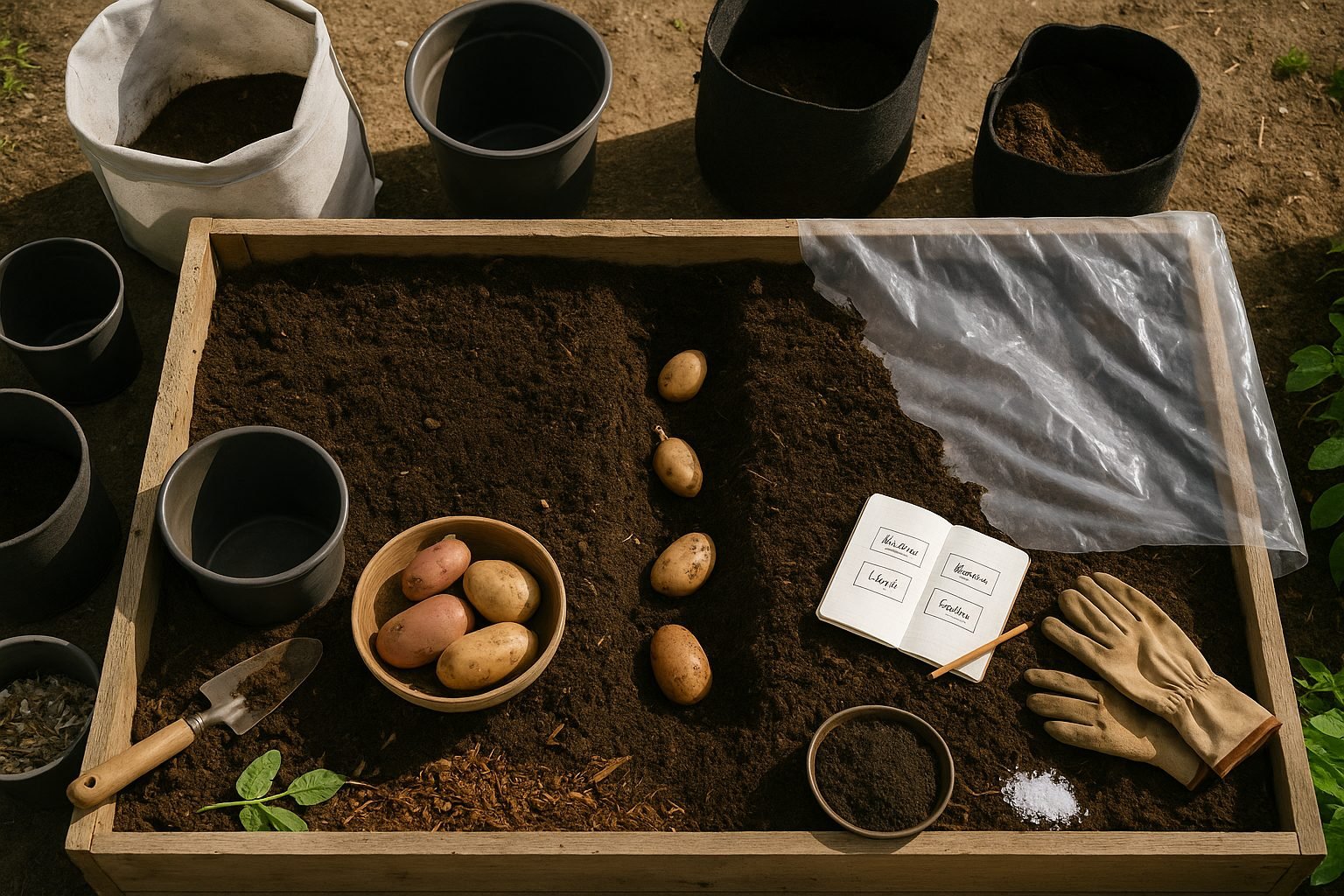
Planting after potatoes can be straightforward and rewarding with a few practical strategies, especially when working with raised beds or limited garden spaces. Start by thoroughly clearing out all leftover tubers—missed “volunteer” potatoes can sprout and harbor pests or disease. Dig carefully and sift the soil by hand if needed.
To support healthy crop rotation, avoid planting other nightshades (like tomatoes, peppers, or eggplants) in the same bed the following season. Instead, try legumes, leafy greens, or brassicas, as these families help break pest cycles and restore soil nutrients.
Beds that housed potatoes are often depleted of key nutrients, especially nitrogen and potassium. Mix in well-rotted compost or an organic balanced fertilizer before replanting. If using a raised bed, consider topping up with fresh soil mix each season for an extra boost.
Watch for lingering pests like wireworms or Colorado potato beetles. Clearing plant debris and solarizing the soil with a clear plastic sheet for a few weeks in summer can help reduce their numbers.
Planning and Crop Rotation
For small-space or intensive gardening, plan ahead by dividing your garden into sections (even simple ones with stones or string) and rotate crops clockwise each year. This makes it easier to remember what went where.
Try keeping a garden journal or a simple spreadsheet to track plantings and yields—snap a quick photo at planting time or sketch a map in your notes to avoid guesswork next season.
Container and Soil Maintenance
If you reuse grow bags or containers, wash them out between uses and change the soil regularly to minimize disease carryover.
Grouping Crops
Finally, group crops with similar nutrient needs or pest risks together to make rotating and amending soil simpler. This ensures each plant gets the best chance to thrive after your potato harvest.