Introduction to Pumpkin Patch Businesses
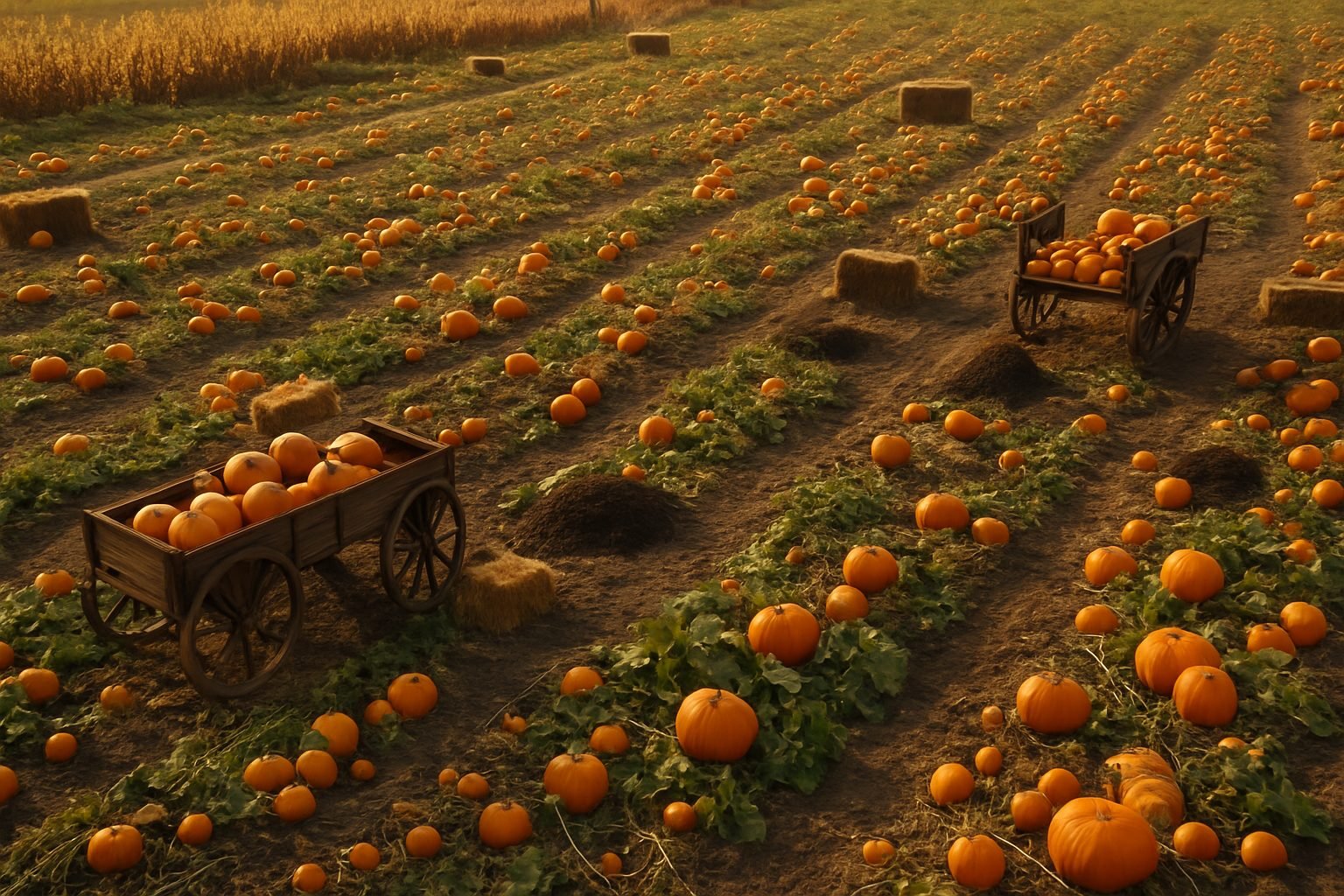
Commercial pumpkin growing offers entrepreneurs a vibrant path into the heart of agritourism, blending traditional agriculture with seasonal excitement and community fun. At its core, a pumpkin patch business is more than just acres of pumpkins—it’s a destination where families flock for fall festivals, hayrides, and the timeless joy of choosing the perfect pumpkin right from the field.
Each autumn, these patches transform farms into bustling hubs of activity, drawing visitors who crave the colors, flavors, and experiences of the harvest season. The surge in agritourism means pumpkin patches aren’t just about selling crops—they’re about creating memorable events, hosting school field trips, and even partnering with local businesses for larger celebrations and markets.
For many communities, these pumpkin-centric events have become annual traditions that boost local economies and create lasting connections between growers and their neighbors. In this blog post, we’ll explore commercial pumpkin growing as a business venture, diving into smart planning strategies to start your own patch, realistic insights into profitability for both large and small growers, and tips for smooth day-to-day operations.
Whether you dream of a full-fledged agri-business or a weekend farm stand, you’ll discover how to plant the seeds for a thriving pumpkin patch that brings joy—to your community and your bottom line—every fall.
Market Potential and Profitability
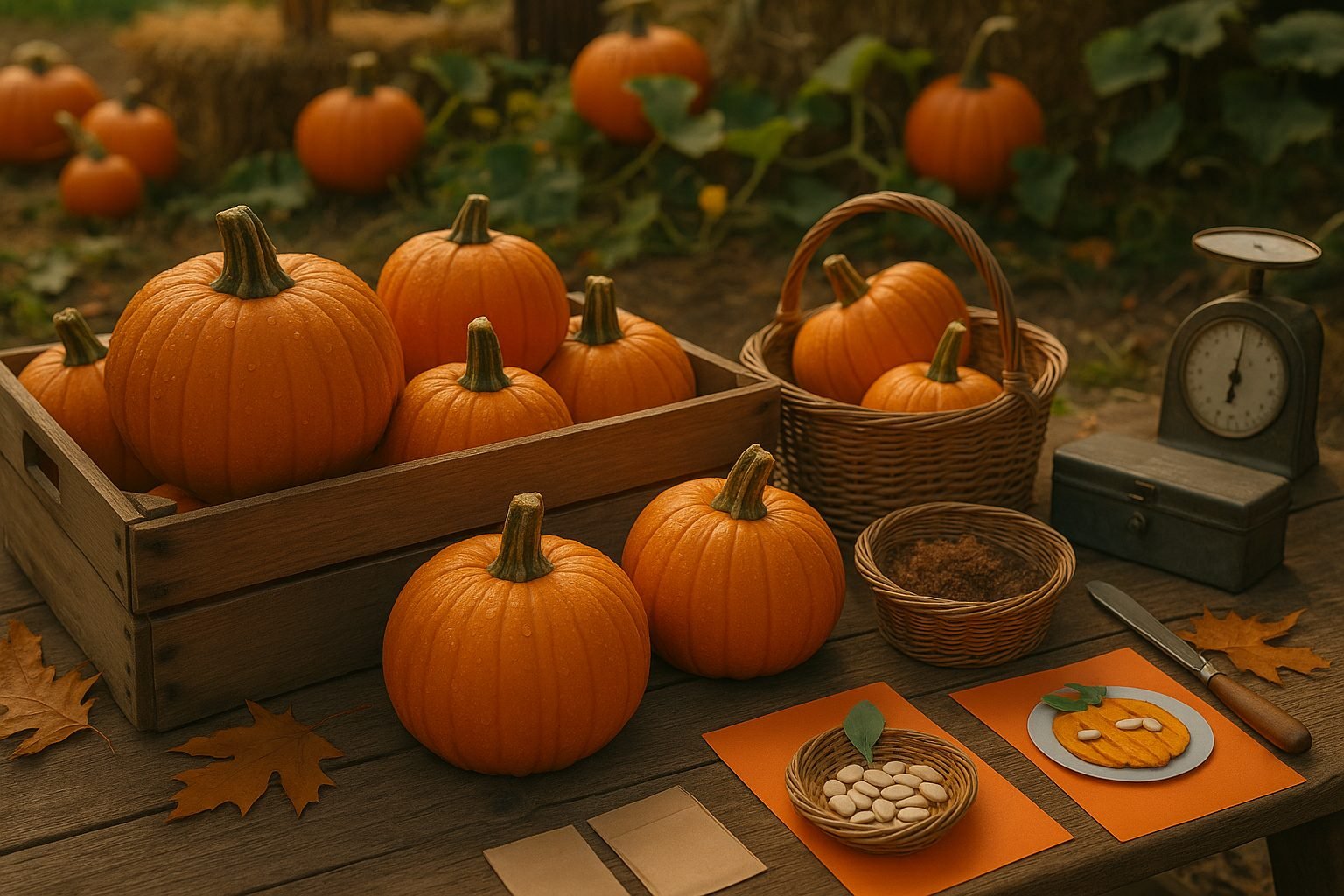
The market potential for pumpkins remains strong, driven by high seasonal demand for carving around Halloween, as well as consistent interest in baking and decorative uses throughout the fall. Each year, millions of families purchase pumpkins for jack-o’-lanterns, while bakeries and restaurants offer pumpkin-based treats, maintaining a broad consumer base.
Beyond retail and farmers markets, segments like agritourism—think pumpkin patches and fall festivals—provide additional revenue streams. According to industry sources, commercial pumpkin farms often generate between $1,500 and $3,500 per acre in revenue, with profit margins typically ranging from 25% to 40%.
Factors such as yield, farm scale, and direct-to-consumer sales can make a big difference. For example, small farms selling at local markets often enjoy higher margins than those selling wholesale. However, profitability isn’t guaranteed. Farmers face challenges including weather variability, pests, and disease, all of which can significantly impact crop yields.
There is also stiff competition, especially near urban markets, and fluctuations in wholesale prices can tighten margins. Location is key—farms close to metropolitan areas or popular tourist routes benefit from higher foot traffic and better prices. Finally, pumpkin farming is highly seasonal, with income peaking during a narrow four- to six-week window; leftover stock quickly loses value after Halloween.
For growers considering pumpkins, it’s crucial to plan for short sales cycles, manage input costs carefully, and explore direct sales or value-added products like pies and preserves to increase profitability. In sum, while pumpkins can be a rewarding and profitable crop, success depends on smart marketing, careful timing, and vigilant risk management.
Developing a Pumpkin Patch Business Plan
Before launching your pumpkin patch, taking the time to craft a thorough business plan is essential for setting your venture up for success. A thoughtful plan helps you clarify your goals—are you focusing mainly on family entertainment, school field trips, or a pick-your-own pumpkin farm?
Identifying your target audience will influence everything from marketing strategies to the types of activities you offer, such as hayrides, corn mazes, or kids’ play areas. Set clear, measurable goals, like aiming for a certain number of visitors or achieving a specific profit margin in your first season.
Carefully estimate both your startup costs (land preparation, seeds, irrigation systems, point-of-sale software, insurance) and ongoing expenses (staff salaries, utilities, promotional materials). Factor in realistic revenue projections by researching average admission prices and pumpkin sales in your area—don’t forget to account for unpredictable weather, which can impact your yield and visitor turnout.
Comply with all legal requirements, like obtaining permits for agritourism activities and checking local zoning regulations. Adequate insurance is a must to protect against liability and crop loss; consult an agent familiar with farm or event insurance.
Finally, list out resources you’ll need: suitable land with good soil and drainage, farm equipment like tractors and wagons, and enough seasonal staff to help during peak weekends.
Sketching out these details not only makes your pumpkin patch business more likely to thrive but also makes it much easier to secure a loan or investment if you need additional funding.
Growing and Managing Pumpkins
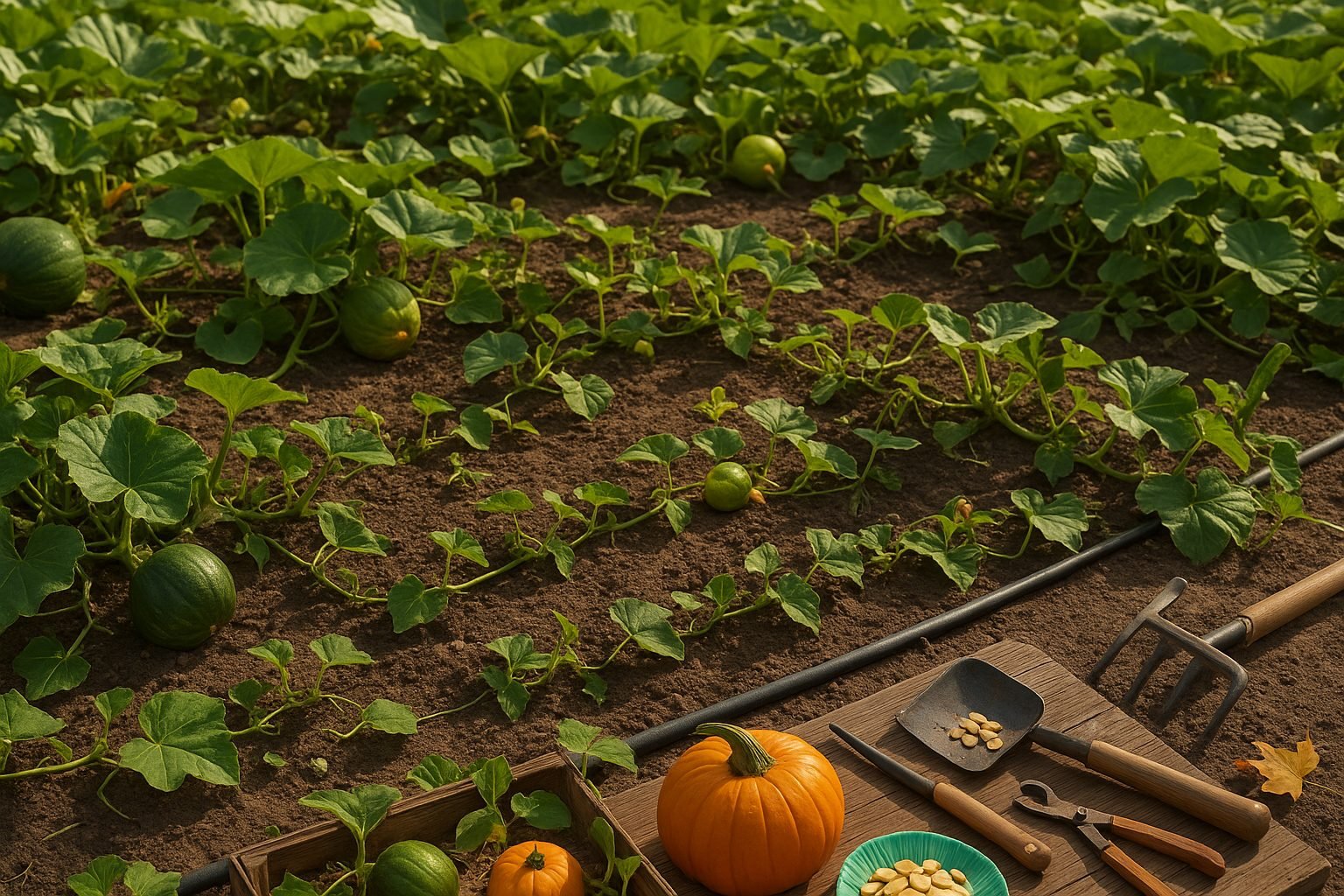
Choosing the right pumpkin variety is the first step to a successful growing season, whether you’re aiming for decorative miniatures or robust jack-o’-lanterns. Popular varieties like ‘Jack Be Little’ and ‘Connecticut Field’ each have different space and maturity requirements. Check seed packets for disease resistance traits and growth habits to match your needs.
Prepare your pumpkin patch with well-drained, nutrient-rich soil—a pH of 6.0 to 6.8 works best. Before planting, work compost or aged manure into the top six inches of soil to boost fertility, and consider a soil test so you can add the right amount of balanced fertilizer.
Space hills or rows generously, about three to five feet apart, since pumpkins need room for their sprawling vines and good air circulation to prevent disease. Consistent irrigation is key: aim for deep watering once or twice a week to maintain even moisture but avoid wetting the foliage, as this can encourage fungal issues. Mulching and drip irrigation can reduce water stress and keep weeds at bay.
For pest management, keep an eye out for common threats like squash bugs and cucumber beetles; hand-pick insects when possible, and use row covers early in the season for extra protection.
When pumpkins mature—meaning their skin hardens and turns the proper color—cut them from the vine with a few inches of stem attached, ideally on a dry day to prevent rot. Cure them in a warm, dry, well-ventilated area for 10 days before storage, then keep them in a cool, dry place (50–55°F) to extend shelf life. Checking regularly for soft spots or mold will help reduce losses and ensure your pumpkins are ready for autumn displays or recipes.
Creative Revenue Streams & Attractions
Expanding your farm’s revenue streams doesn’t have to be complicated—in fact, it can be a lot of fun for both you and your visitors. Consider adding interactive attractions like hayrides or a well-designed corn maze, which create memorable, family-friendly experiences and can be ticketed separately to boost your bottom line.
Seasonal events are another big draw; for instance, set up pumpkin carving stations in the fall or host outdoor farm-to-table dinners where guests enjoy fresh, local ingredients right from your fields.
Don’t overlook the power of a small farm market stand: selling your own produce, jams, baked goods, or local crafts provides visitors with a tangible piece of their experience to take home.
Partnering with local schools and community groups is also a smart move—offer educational tours or collaborate on special events for fundraising, which not only generates income but helps deepen your farm’s roots in the community.
Above all, prioritize offering a top-notch customer experience. Friendly staff, clean facilities, and creative touches—like photo spots or scavenger hunts—show people you care, encouraging them to leave glowing online reviews. Those positive reviews are priceless: they act as word-of-mouth advertising and will help your farm stand out among a crowded field of rural attractions.
Ultimately, by diversifying your offerings and nurturing strong community relationships, you can turn your farm into a vibrant local destination that supports your business all year long.
Operations and Seasonal Management
Managing operations during peak season requires careful planning to ensure both staff and guests have a smooth experience. Start by hiring seasonal staff early and providing clear training on customer service, safety, and the specific needs of your venue. Having a few floaters on hand who can move between roles as needed helps prevent gaps when things get busy.
For visitor layout, use clear, easy-to-follow signage and set up defined walking paths to keep traffic flowing, especially around ticket booths and restrooms. Offering online ticket sales with timed entry slots can reduce lines and prevent crowds at your entrance. Consider mobile check-ins or QR code scanning to speed up entry even more.
Parking is often a pain point, so assign attendants and create overflow lots. Simple numbered rows and clear exit signs help guests remember where they parked. Be ready for changing weather by renting temporary tents or shelters, placing extra seating under cover, and keeping cancellation or rescheduling policies visible on your website and social channels.
After peak season winds down, shift your focus to land preparation — soil testing, necessary repairs, and cleaning all equipment keeps your operation in top shape. Use this time to analyze visitor feedback, plan staffing for next year, and update your marketing. Tease next year’s events or early-bird deals on social media to keep your farm or attraction top of mind.
By staying organized and proactive year-round, you’ll ensure each season runs better than the last.
Conclusion and Next Steps
Starting a pumpkin patch business offers exciting potential, but success depends on careful planning and research. Be sure to evaluate land suitability, research market demand, and plan for seasonal labor and equipment.
Building connections with local farmers, agricultural extension offices, and small business support organizations can provide valuable advice and even partnerships.
If you’re ready to move forward, start by:
- Mapping out your budget
- Visiting successful pumpkin patches nearby
- Joining local farm groups or online forums to learn from others’ experiences
Consider attending community events or farmers’ markets to scout out your future customers and meet potential collaborators. By taking these initial steps and tapping into local networks, you’ll be well on your way to turning your pumpkin patch idea into a thriving seasonal business.