Choosing the Right Tomato Variety
If you’re searching for a tomato planting schedule that actually works for your region, understanding the role of climate—and choosing the right tomato variety—can make all the difference in your harvest. The first step is learning about the two main tomato types: determinate (bush) and indeterminate (vine).
Determinate tomatoes grow to a certain height, set fruit nearly all at once, and are perfect if you want a big harvest in a short window. This is ideal for canning or when you have a shorter growing season. On the other hand, indeterminate tomatoes keep growing and producing until frost, giving you a steady supply of tomatoes for fresh eating throughout the summer—great if you enjoy gardening and harvesting over many weeks.
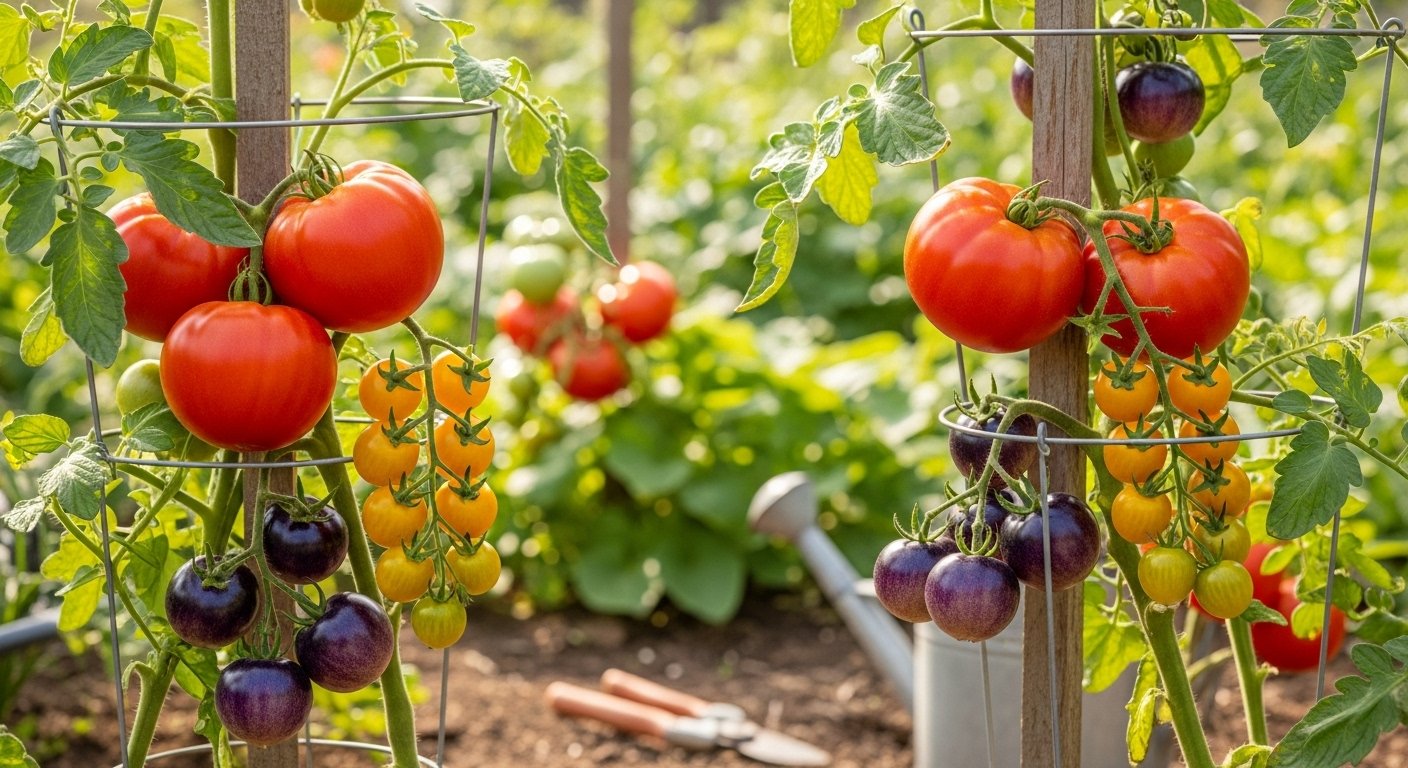
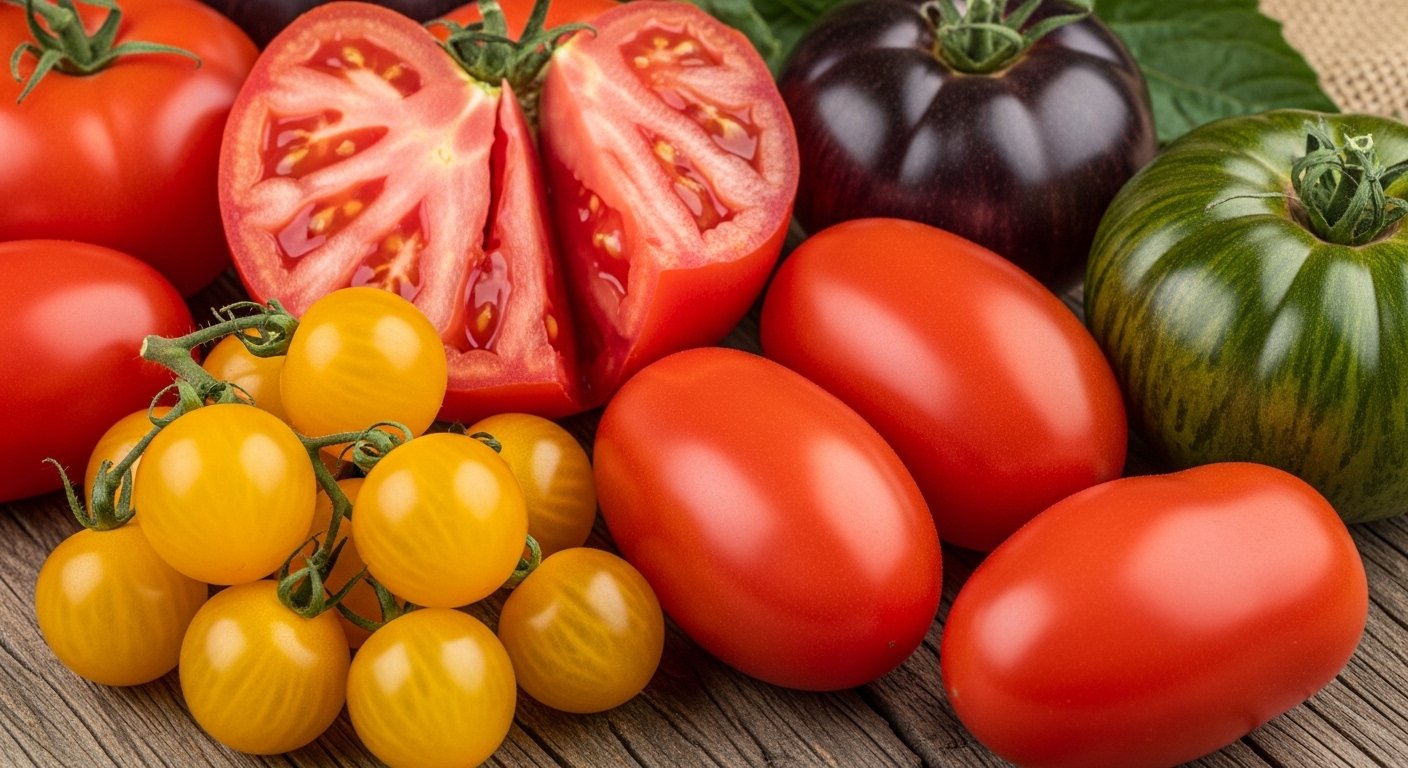
Once you decide on the type, zeroing in on the right variety for your needs makes all the difference. For slicing, ‘Beefsteak’ and ‘Big Boy’ are classics, prized for their large, juicy fruit. Cherry tomatoes like ‘Sweet 100’ or ‘Sungold’ are bite-sized and perfect for snacking or salads. If you love making sauce or paste, go for Roma types such as ‘San Marzano’—their firm flesh makes for a creamy, rich tomato base. Heirlooms like ‘Brandywine’ or ‘Cherokee Purple’ offer unique colors and flavors, often with stories and heritage that appeal to gardeners who like a bit of history in their plot.
Choosing the right variety isn’t just about looks or taste, though. Consider your climate zone—a robust tomato planting schedule for cool coastal areas should include varieties noted for cold tolerance, like ‘Stupice.’ In hot, humid zones, opt for heat-loving and disease-resistant types, such as those labeled VF (Verticillium and Fusarium wilt resistant) or ‘Celebrity.’ Space is also key: determinate varieties often do better in small beds and containers, while indeterminate types need room to climb on stakes or cages.
Use these tips to tailor your choices—the best tomato harvest starts with the right variety, matched to both your needs and your region.
Essential Tips for Buying Tomato Seeds or Seedlings
When shopping for tomato seeds or seedlings, start by choosing reputable sources—local nurseries, garden centers, or well-reviewed online suppliers. Look for packets or tags that share key details like “days to maturity” (how long until harvest), as this helps match your climate and growing season.
Pay attention to disease resistance codes, such as VFN (Verticillium, Fusarium, Nematode), to ensure your plants stand a better chance against common garden diseases. Labels mentioning “organic” or “non-GMO” let you align your purchase with your growing preferences; organic seeds come from plants grown without synthetic chemicals, while non-GMO ones haven’t been genetically modified.
If you’re considering starting from seeds, the main advantage is the wide variety to choose from, plus the satisfaction of growing your plants from scratch—just remember this requires a few extra weeks and some indoor space for seed-starting trays. On the flip side, purchasing seedlings saves time and is ideal if you have a short growing season or limited patience, but it usually means fewer variety choices and a higher upfront cost.
Whichever route you take, inspect seedlings for strong stems, dark green leaves, and no signs of pests or disease; skip any that look spindly, yellowed, or wilted. Deciding between seeds and seedlings comes down to your timeline, resources, and the tomato varieties you love best, but with careful label reading and a discerning eye, you’ll be set up for a flavorful tomato harvest.
Stages of Tomato Growth Explained
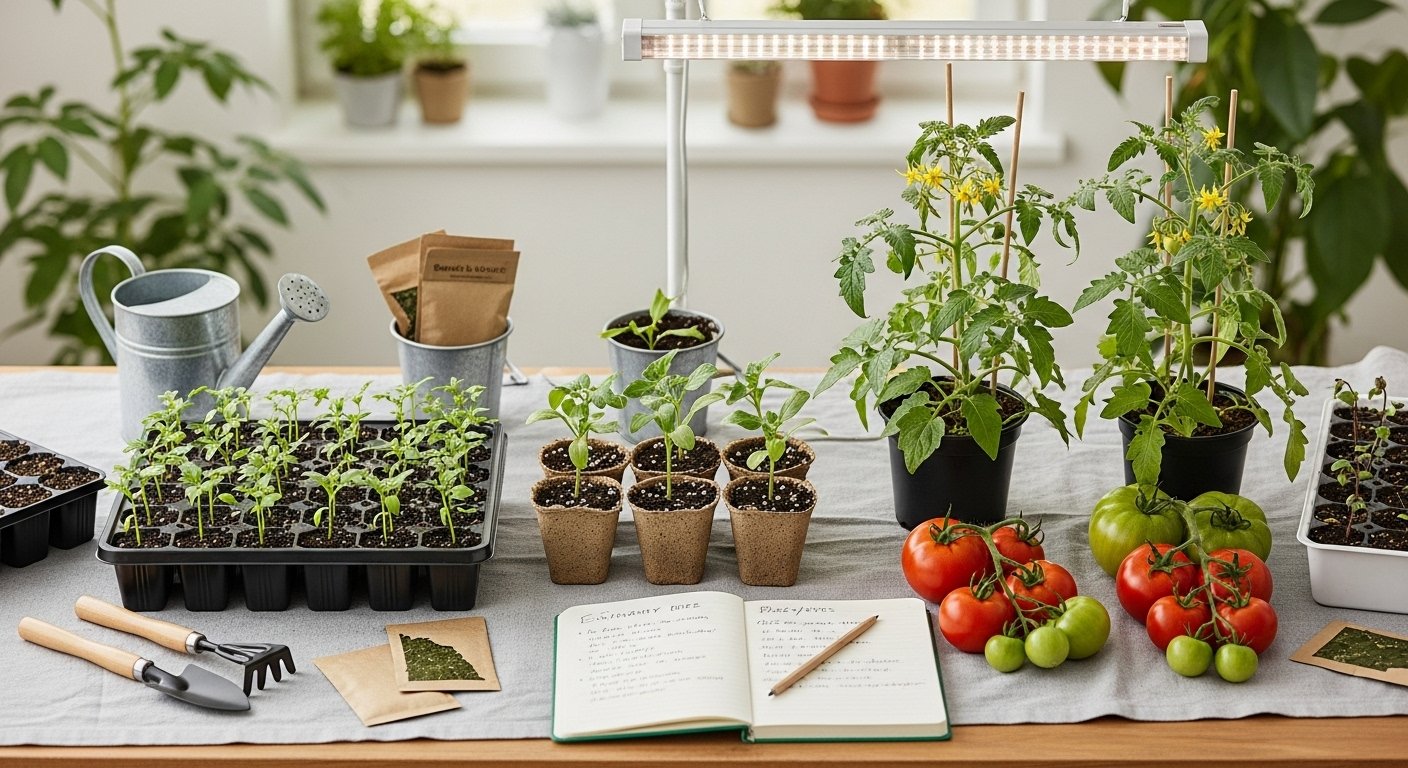
Understanding the stages of tomato growth helps you give your plants exactly what they need at the right time. It all begins with germination: tomato seeds sprout after 5–10 days in warm, moist soil, showing tiny green shoots. To boost germination, keep soil temperatures around 70–80°F and avoid letting the soil dry out.
As your plant enters the seedling stage, recognizable sets of true leaves replace the initial sprout. Here, ensure bright light and gentle airflow to prevent leggy growth—grow lights and a small fan can help indoors.
Next comes the vegetative stage, where plants rapidly develop stems and leaves. At this point, provide plenty of sunlight (at least 6–8 hours daily), and consider feeding with a balanced fertilizer to encourage strong roots and foliage.
When you notice buds forming, the flowering stage has arrived. Switch to a fertilizer lower in nitrogen and higher in phosphorus and potassium to encourage blooms. For indoor plants, gently shake the stems or use a small paintbrush to help with pollination, which naturally occurs via wind or insects outdoors.
Once flowers have been pollinated, fruit set begins: you’ll see small green tomatoes start to develop. From here, keep the soil consistently moist, mulch to retain water, and feed with a tomato-specific fertilizer as fruits grow.
Finally, the ripening stage transforms firm, green fruit into the familiar reds, yellows, or purples depending on the variety. Ease off on watering just before harvest to enhance flavor, and pick tomatoes as soon as they fully color up.
By noticing and responding to each stage—from careful moisture during germination to nutrient tweaks during flowering and fruiting—you’ll enjoy healthier plants and a more abundant harvest.
Common Tomato Growing Questions Answered
Growing tomatoes can be incredibly rewarding, but it often comes with plenty of questions. One of the most common issues is poor fruit set, usually caused by extreme heat, cold nights, or inconsistent watering. To help, try mulching your tomato plants and watering deeply at the base once or twice a week, depending on rainfall, to keep soil moisture steady.
Yellow leaves are another frequent concern and can result from overwatering, nutrient deficiencies, or disease. If just the bottom leaves are yellowing, it’s often natural aging, but widespread yellowing may mean you need to check for root rot or add a balanced fertilizer.
Blossom end rot, seen as brown sunken spots at the bottom of fruit, is typically due to a calcium imbalance caused by irregular moisture. Again, consistent watering is key, and avoid high-nitrogen fertilizers.
Cracked fruit can happen after heavy rains following a dry spell, so regular, moderate irrigation helps prevent this issue.
Pests and Diseases
Look regularly for aphids, whiteflies, and hornworms—removing them by hand or with insecticidal soap can keep them under control. Staking or caging plants improves airflow and reduces fungal diseases like blight.
If you spot black or brown patches on leaves or stems, remove affected foliage quickly and clean up debris to limit spread.
For more details, check out trusted sources like your local agricultural extension office, university horticulture sites, or guides like the University of California’s Integrated Pest Management Tomato Resource for targeted solutions to almost any tomato trouble.
Easy Tomato Care & Harvest Tips
Daily tomato care is straightforward but makes a real difference in your harvest. Start by watering your plants consistently—tomatoes thrive on deep, even moisture. Check the soil every morning and aim to water at the base, avoiding the leaves to prevent disease.
Feed your tomatoes with a balanced fertilizer every couple of weeks to boost growth and fruit production. Many gardeners find success with a tomato-specific blend. Support is crucial as plants grow, so stake or cage them early to keep vines upright and fruit off the ground, protecting against pests and rot.
Pruning is simple but effective: use clean scissors to snip off suckers (the shoots that grow between main stems and branches), which helps channel energy into growing larger tomatoes.
As fruit starts to ripen, look for a rich, even color—red, orange, yellow, or purple depending on your variety—and a slight give when you gently squeeze them. Avoid tugging to minimize plant damage; instead, twist tomatoes off the vine or use garden scissors.
For preserving a bumper crop, tomatoes can be frozen whole, diced, or pureed for sauces—just wash, core, and pack them in airtight containers. Alternatively, slow-roast cherry tomatoes with olive oil and herbs for a delicious addition to salads or pizzas.
Enjoy fresh tomatoes in simple sandwiches, salsas, or sliced with a sprinkle of salt and pepper—the freshest way to savor your efforts.