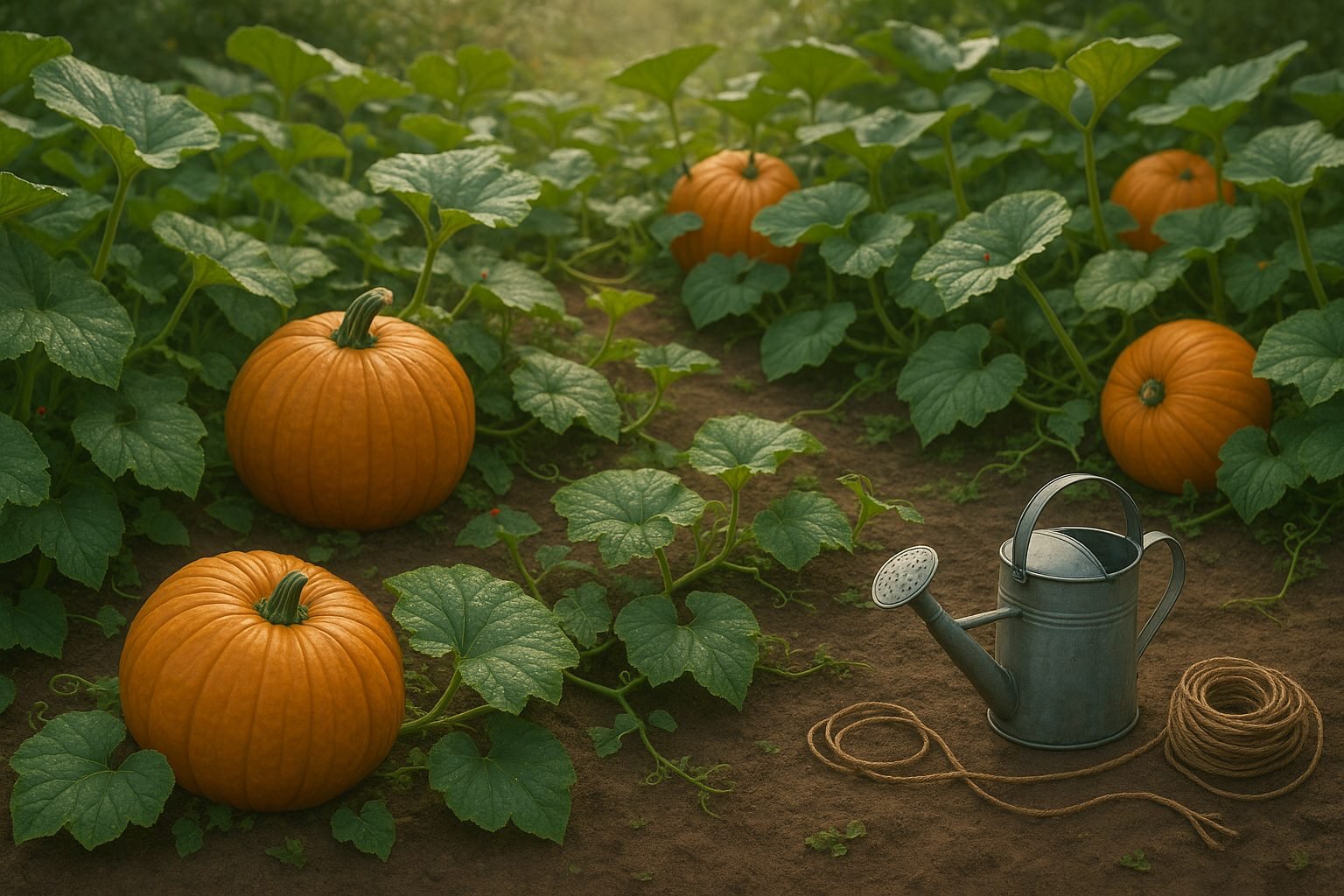
Introduction
Organic pest control for pumpkins is essential if you want to harvest healthy, vibrant gourds without relying on harsh chemicals. Anyone who’s tended a pumpkin patch knows how quickly pests like squash bugs, cucumber beetles, and aphids can show up and wreak havoc—leaves start wilting, vines collapse, and fruit suffers.
Traditional pesticides may solve the problem, but they also harm beneficial insects and impact soil health. Many gardeners struggle to identify early warning signs, choose earth-friendly remedies, or prevent pests altogether. That’s where this guide comes in.
In this article, you’ll learn how to spot common pumpkin pests, discover organic solutions that actually work, and get practical prevention tips to protect your crop naturally. Whether you’re growing pumpkins for Halloween, pies, or fall décor, our real-world advice will help you manage infestations and keep your pumpkin patch thriving all season long.
Understanding Pumpkin Pests
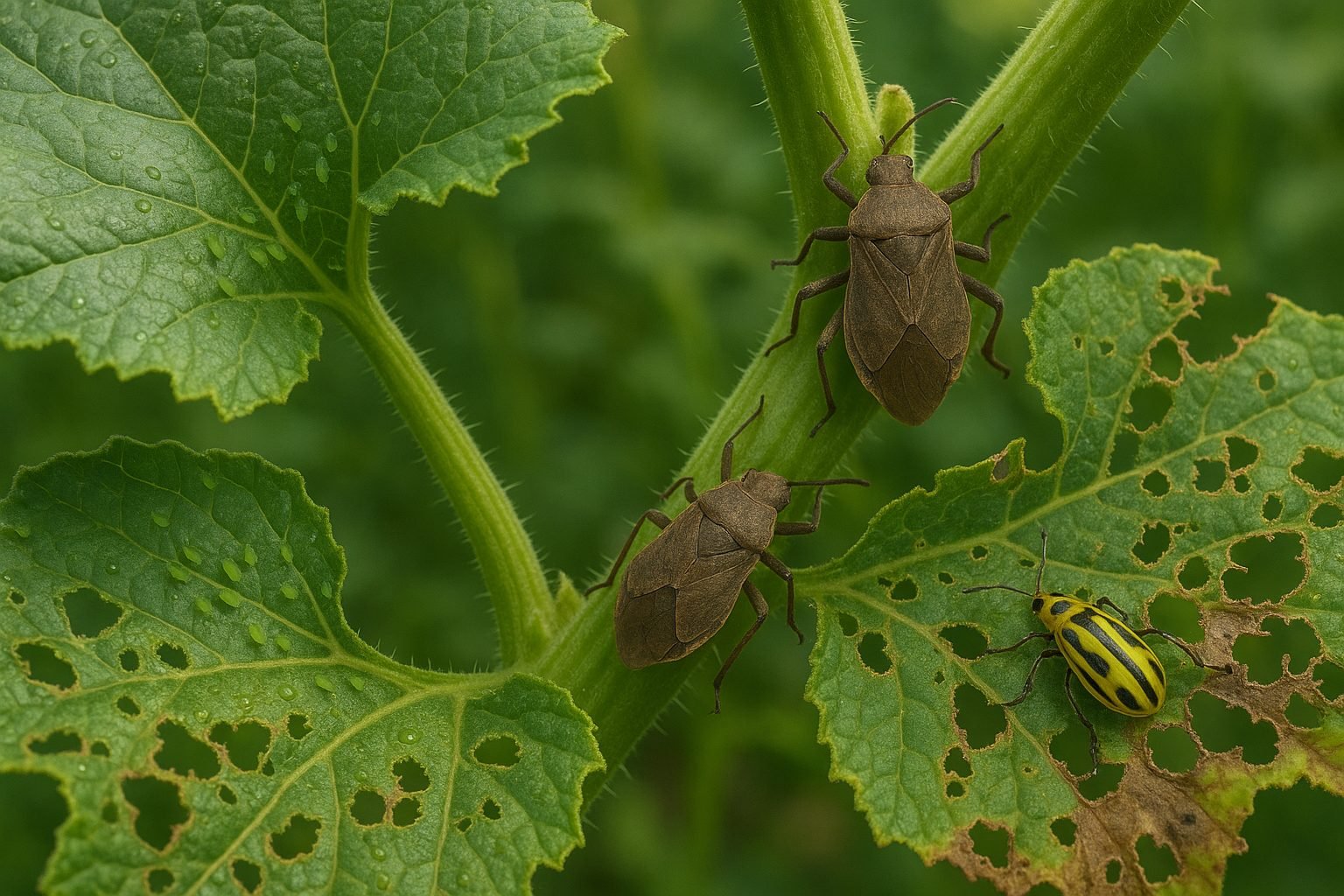
Pumpkin plants can fall victim to a variety of pests, but knowing what to look for can help you catch problems early. Pumpkin beetles and cucumber beetles are notorious for chewing holes in leaves and flowers, leaving behind ragged, yellowed foliage. You might also spot their small, striped or spotted bodies feeding conspicuously on your plants.
Squash bugs are another common culprit; they pierce plant tissues and suck out the sap, causing wilting and eventually black, crunchy leaves, particularly on young vines. Their flat, brown bodies and clusters of coppery eggs on leaf undersides are telltale signs of their presence.
Aphids, tiny green or black insects, cluster on stems and undersides of leaves, consuming sap and leaving a sticky residue called “honeydew,” which can attract ants and create a shiny or sooty mold on leaves.
Melonworms, the caterpillar stage of a small moth, burrow into leaves and sometimes fruit, leaving behind irregular holes and frass (caterpillar droppings) as evidence.
If you notice wilted shoots, distorted growth, sticky residue, or actual insects on plant surfaces, chances are you have unwelcome visitors.
Tips for Early Detection
For gardeners, regularly checking the undersides of leaves, inspecting for holes or chewed areas, and watching for wilting or yellowing patches can help spot issues before they get out of hand. Early morning or late afternoon are good times for inspection, as many pests are more active during these cooler hours.
Simple Control Methods
- A strong blast from a hose can sometimes dislodge aphids.
- Handpicking beetles and larvae is an effective first line of defense for small-scale growers.
Catching infestations early will go a long way in keeping your pumpkin patch healthy and productive.
Identifying Pest Infestations Early
Catching pest infestations early is crucial for protecting your pumpkin plants and ensuring a healthy harvest. Pests like squash bugs, cucumber beetles, and vine borers can cause significant damage in a short amount of time if left unchecked.
Regular inspection is your best line of defense—examine both the upper and underside of leaves every few days, paying close attention to any discoloration, holes, or wilting. Look for clusters of small, oval eggs stuck to the leaves, which can signal the start of an infestation. Larvae might burrow into stems or hide in the soil near the base, often leaving sawdust-like frass as a clue.
Adult insects are sometimes disguised or camouflaged, so bring along a magnifying glass to spot small or fast-moving bugs. Don’t forget to check the fruit itself for soft spots, chew marks, or scarring, which can indicate feeding activity.
A helpful tip is to start a simple garden journal or log—note when and where you spot eggs, larvae, or noticeable damage patterns, and record any steps taken to address them. Over time, this tracking can reveal pest cycles and help you anticipate recurring problems, making it easier to intervene before issues become severe.
Developing these observation habits not only saves your current pumpkin crop but also builds valuable knowledge for future gardening seasons.
Natural and Organic Pest Control Methods
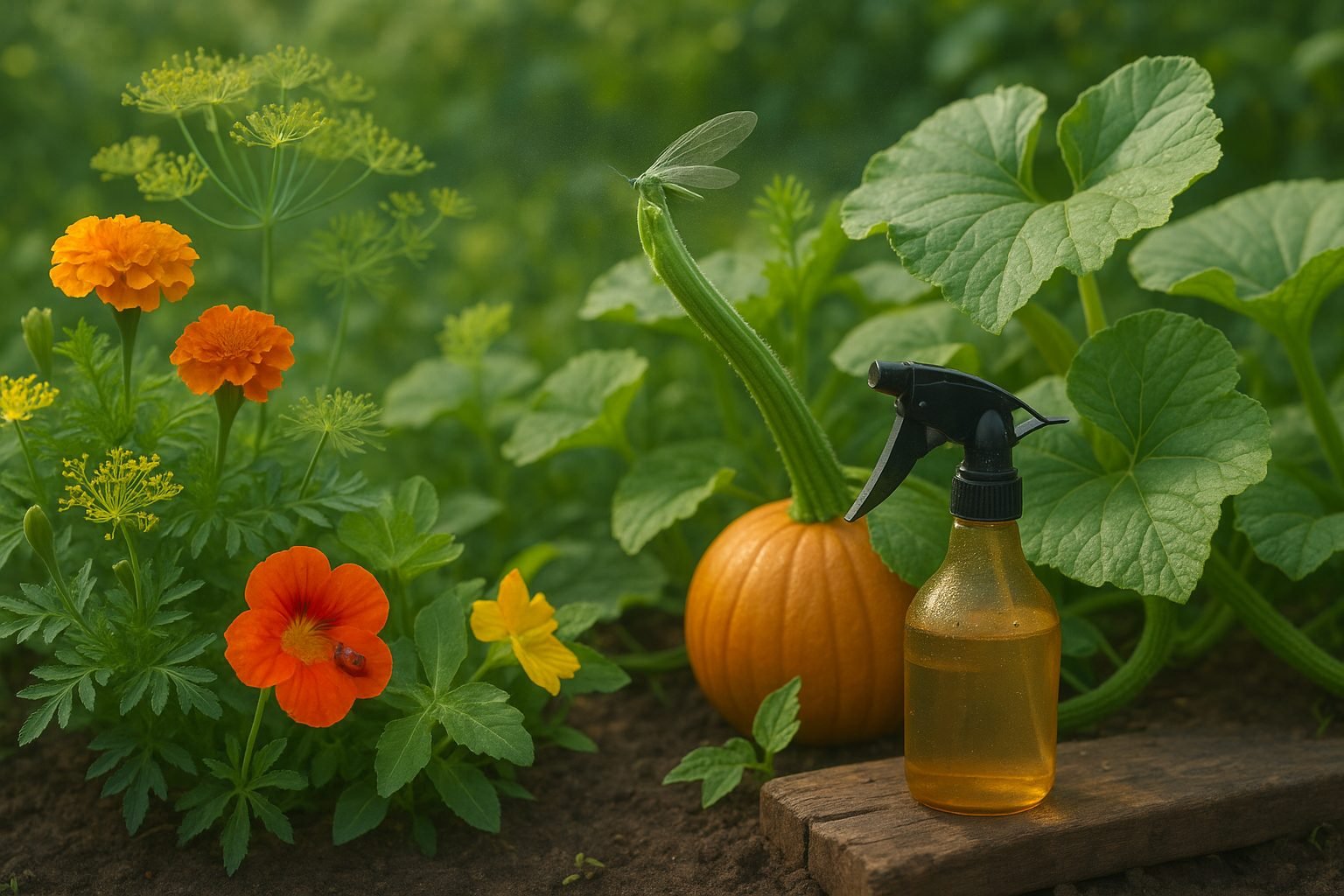
Companion planting is a smart, simple way to keep pests at bay while attracting helpful insects to your garden. By growing plants like basil near tomatoes or marigolds among vegetables, you create a living shield that naturally repels aphids, whiteflies, and nematodes. For example, nasturtiums lure away pests that might otherwise destroy leafy greens, while sunflowers attract pollinators.
Beyond plants, inviting natural predators is key to maintaining a thriving, pest-resistant garden. Ladybugs, lacewings, and praying mantises are voracious eaters of common pests. To attract them, grow pollen-rich flowers like dill, fennel, and cosmos, avoid using broad-spectrum pesticides, and even consider purchasing beneficial insects from garden suppliers if you want a head start.
When plant pairings and predatory insects aren’t enough, organic sprays can help. Neem oil, pressed from the seeds of neem trees, disrupts insect hormones and kills soft-bodied pests while breaking down harmlessly in the environment. Just spray in cooler evenings and never during pollinator activity to avoid harming bees. Myco Pestop is a biological fungicide that uses beneficial microbes to control certain plant diseases and bugs—the key is to follow label directions and wear gloves for safe handling.
By forgoing harsh chemical pesticides in favor of these natural strategies, you protect garden health, preserve pollinators, and reduce harmful runoff into waterways. These methods promote resilient crops and a balanced ecosystem, so your garden flourishes year after year without sacrificing environmental responsibility.
Integrated Pest Management Strategies
Integrated Pest Management (IPM) is a practical, eco-friendly approach to controlling pests by combining multiple methods to minimize damage while protecting the environment and human health. For pumpkin growers, IPM is especially important because pumpkins are vulnerable to a variety of pests, including squash bugs, cucumber beetles, and aphids, which can quickly devastate a crop if not managed wisely.
Rather than relying solely on pesticides, IPM encourages using non-chemical tactics as the first line of defense. Practices like crop rotation—growing pumpkins in different locations each year—help break the life cycles of pests that overwinter in the soil. Trap cropping, where you plant a more attractive crop nearby (like blue hubbard squash), lures pests away from your main pumpkin patch. Using floating row covers early in the season physically blocks insects from reaching plants, while regular sanitation—removing plant debris and weeds—reduces pest habitats and breeding grounds.
These strategies work best when combined with vigilant monitoring: check pumpkin plants early and often for signs of damage or pest presence. If you spot an emerging problem, address it promptly with preventive steps such as hand-picking bugs or introducing beneficial insects like ladybugs. Chemical pesticides should be a last resort, used only when pest populations exceed economic thresholds—meaning when they’re likely to cause costly damage—rather than on a fixed schedule.
When treatment is unavoidable, choose targeted products that specifically address the identified pest and avoid broad-spectrum chemicals that could harm helpful pollinators or predators. By integrating multiple methods and making informed, timely decisions, you can protect both your pumpkin yield and the health of your garden ecosystem.
Common Diseases Mistaken for Pest Damage
Pumpkin growers often confuse certain diseases with pest damage, which can lead to ineffective treatments and ongoing problems. Powdery mildew, for example, appears as white, powdery spots on pumpkin leaves. It spreads quickly but usually does not cause holes.
Downy mildew creates yellow or brown angular spots, mainly on the underside of leaves, giving them a weathered look. However, it does not produce the ragged edges typical of insect feeding. Bacterial wilt, spread by cucumber beetles, causes sudden wilting and yellowing of vines. Unlike insect damage—which is often patchy, with chewed holes and jagged leaf edges—the entire plant may collapse even without obvious bite marks.
To tell these apart, inspect leaves closely:
- Pest damage leaves physical holes, tunnels, or frass (insect droppings).
- Diseases usually show discoloration, spots, or powdery growths.
If you see bugs or larvae on the plants, pests are likely the cause. Diseases, on the other hand, often spread systematically across the plant or field rather than appearing as isolated damage.
Consider using a magnifying lens to spot pests hiding on the undersides of leaves or within the stem. For added certainty, take clear photos of affected areas and consult your local cooperative extension or plant health expert. Early, accurate identification is crucial to choosing the right solution and saving your harvest.
Building a Year-Round Management Plan
Creating a year-round management plan is key to a successful garden, starting with thoughtful steps before you even plant a seed. In the pre-planting phase, focus on maintaining and improving soil health—test your soil for nutrients, add compost or other organic matter, and rotate crops to reduce the risk of disease. Remove any lingering debris from last season, as it can harbor pests and pathogens.
During the growing season, stay proactive with routine inspections—walk through your garden at least once a week, check the undersides of leaves for pests, catch diseases early, and note any unusual plant changes. Remove weeds and prune overcrowded growth to ensure good air circulation, which helps prevent many plant problems.
When you spot issues, jot them down in a garden journal; recording where, when, and what kind of pests or diseases appear will help you anticipate and tackle recurring problems in future years.
After harvesting, don’t just pack up and leave—clean up spent plants, compost healthy debris, and remove anything diseased to prevent overwintering pests. Consider planting a cover crop or adding mulch to protect and enrich your soil over winter.
These consistent, simple steps ensure your garden stays resilient, reduces pest and disease pressure, and sets you up for an even better season next year.
Conclusion
Keeping pumpkin plants healthy demands constant vigilance and a well-rounded approach, as pests and diseases can quickly get out of hand if left unchecked. By combining early detection with natural pest control methods—like introducing beneficial insects or using organic sprays—gardeners can minimize harm while protecting pollinators and the broader ecosystem.
A strong, integrated management plan that includes crop rotation, regular monitoring, and prompt removal of affected leaves creates a robust defense against common pumpkin threats. Remember, success starts with staying alert and acting quickly before problems escalate.
When you take the time to implement these strategies, you’ll not only boost your chances of a plentiful pumpkin harvest but also build a more resilient, thriving garden season after season. Don’t wait for issues to appear; start applying these best practices now and give your pumpkins the healthy start they deserve.