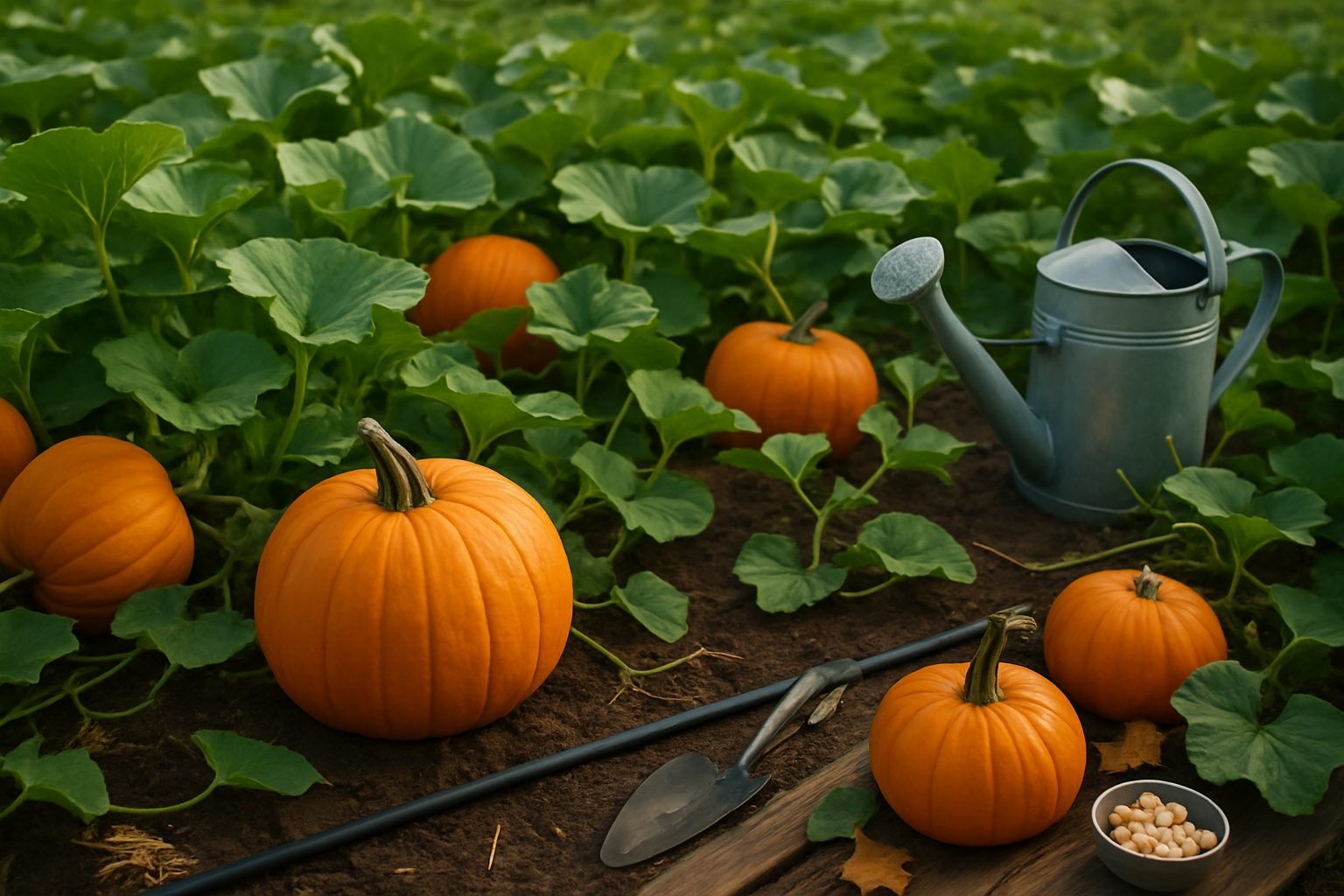
Introduction to Pumpkin Watering Needs
Getting pumpkin watering just right is the secret behind those grand, vibrant gourds you see at harvest time. If you’ve ever dreamed of a backyard full of robust, orange pumpkins—or simply want your few plants to thrive—you’ll quickly learn that water plays a starring role. Too little water, and your pumpkins will struggle, showing signs of stress like wilting leaves and undersized fruit. Too much, and roots can rot, leading to disappointing yields or even the loss of the entire plant. That’s why understanding the right balance is key if you want healthy vines and impressive pumpkins in the fall.
There isn’t a one-size-fits-all answer for how often to water pumpkins. Several factors affect how thirsty your pumpkin patch will be. Climate makes a huge difference: hot, dry areas require more frequent watering compared to cooler, humid climates. The type of soil in your garden also comes into play. Sandy soils drain quickly and need more frequent attention, while clay retains moisture longer, so you’ll want to check before topping up. Even your plants’ stage of growth matters—young seedlings are delicate and have different needs than flowering vines or maturing pumpkins.
In this article, we’ll break down everything you need to know to master watering pumpkins. You’ll learn how to assess your local conditions, tailor your watering schedule throughout the growing season, and spot the signs your pumpkins are thirsty—or getting too much. With a few practical tips, you’ll grow healthier, happier pumpkins and enjoy a more rewarding harvest.
How Much Water Do Pumpkin Plants Need?
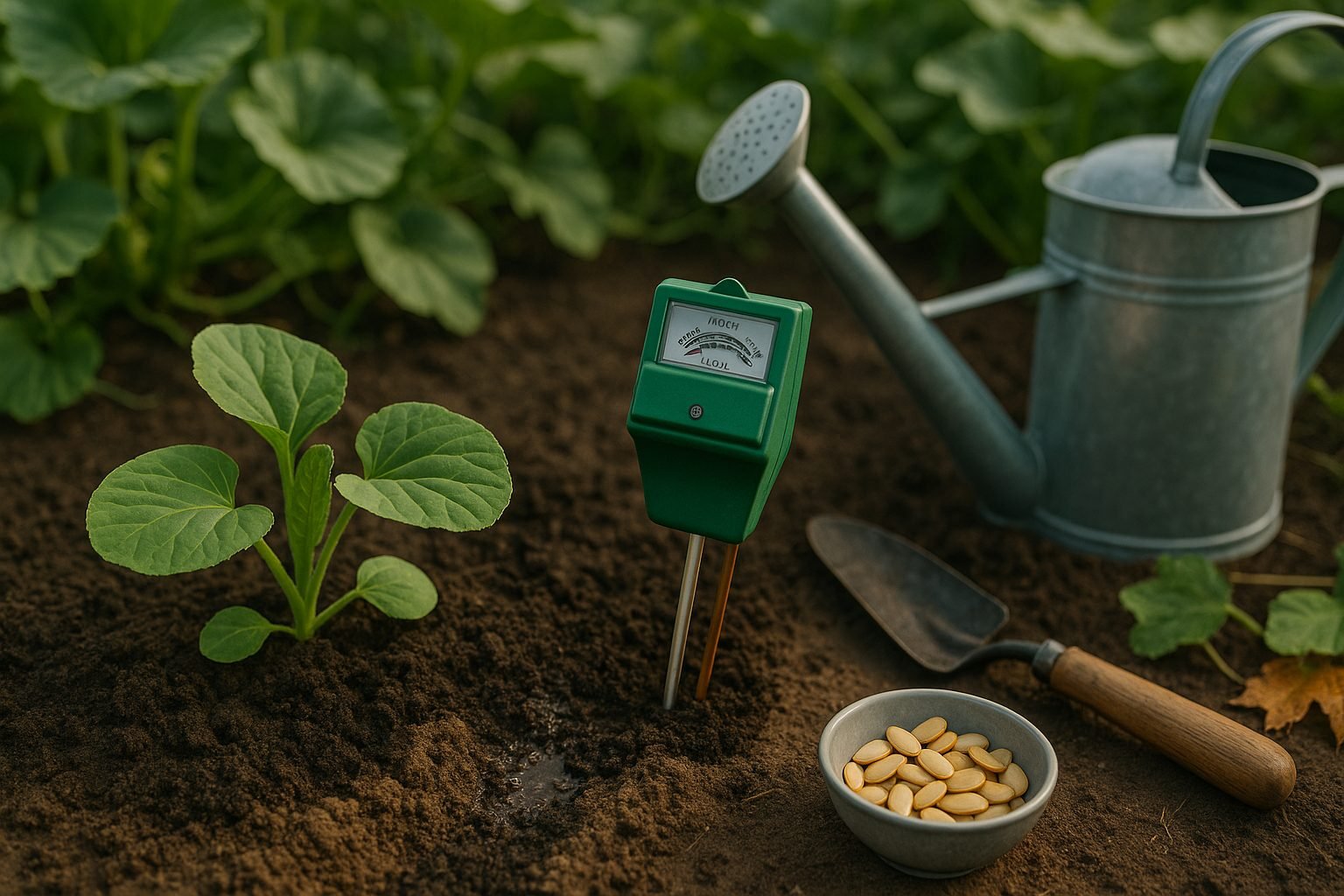
Pumpkin plants need consistent moisture for healthy growth, typically requiring about 1 to 1.5 inches (2.5 to 4 cm) of water per week, which is roughly 10–15 liters per square meter. However, this isn’t a one-size-fits-all rule—smaller seedlings need less water, just enough to keep the top inch of soil moist, while mature plants, especially during flowering and fruiting, demand more hydration.
Hot, dry, or windy weather may mean you need to increase watering, whereas cool, rainy weeks might let you cut back. A simple way to check if your pumpkins need water is to stick your finger or a small trowel into the soil near the roots; if the top 2–3 inches feel dry, it’s time to water. You can also use a moisture meter for more precise readings.
Watering Tips for Healthy Pumpkin Growth
- Water deeply but less frequently—soak the soil to a depth of at least 6–8 inches each time rather than giving frequent, shallow sprinkles.
- Deep watering encourages pumpkin roots to grow downward in search of moisture, making them stronger and more resilient against drought stress.
- Try to water early in the day and avoid wetting the leaves to help minimize disease risk.
- Remember, overwatering can be just as harmful as underwatering, so always let your soil—and the stage of your pumpkin’s growth—guide your approach.
How Often Should You Water Pumpkins?
Watering pumpkins the right way at each stage of growth is key to keeping your plants healthy and productive. When seedlings first sprout, they need consistently moist (but not soggy) soil, so aim to water lightly every 2-3 days or whenever the top inch of soil feels dry.
As the plants mature and start vining, switch to deep watering about once a week, giving them one to two inches of water at the roots each time—this encourages strong, deep-root development.
When flowering and fruit-setting, pumpkins need even more water to support fruit growth, so increase to twice a week, making sure the moisture reaches the root zone.
Always adjust for weather conditions: if there’s a lot of rain, cut back to avoid waterlogged soil, but during hot, dry spells, you may need to water more frequently.
Soil type matters, too; sandy soils dry out quickly and may call for shorter, more frequent watering, while heavy clay holds moisture longer but can lead to root rot if you overwater.
If you’re growing pumpkins in containers, check them daily since pots dry out quickly—sometimes needing water every day during peak summer.
Watch for signs your pumpkins need more water:
- Wilting leaves during the hottest part of the day that don’t perk up in the evening
- Dry or crumbly soil
- Stunted growth
These usually mean underwatering. On the flip side, symptoms of overwatering include:
- Yellowing leaves
- Constant soggy soil
- Moldy patches on the soil surface
Adjust your routine based on these signals rather than sticking rigidly to a schedule, and mulch around plants to help regulate soil moisture. With attentive watering, your pumpkins will thrive through every growth stage.
Best Time of Day and Methods for Watering Pumpkins
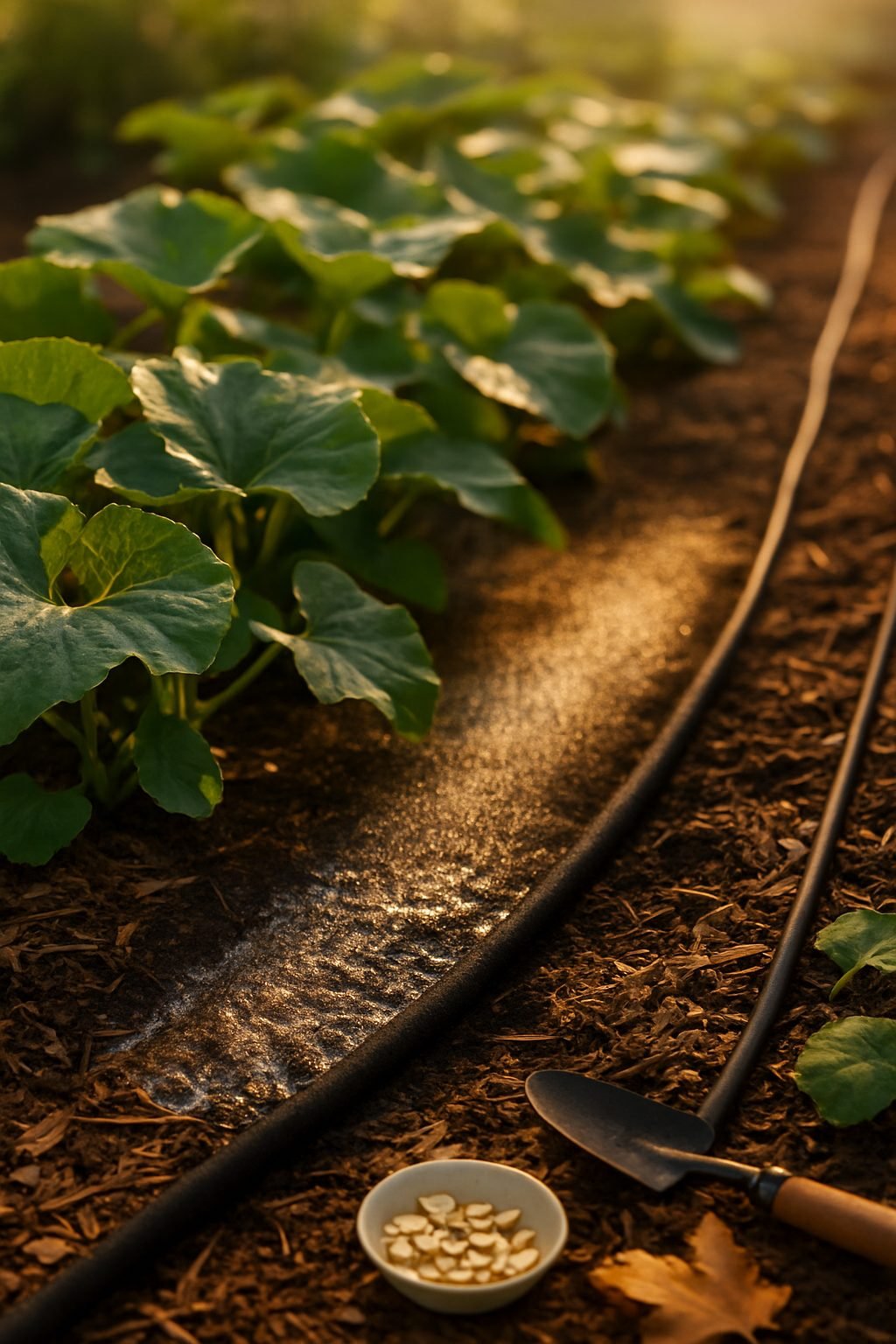
Watering pumpkins at the right time of day can make a big difference in their growth and overall health. Experts recommend watering in the early morning, ideally just after sunrise, because it gives the plants plenty of time to absorb moisture before the day heats up. Morning watering also allows leaves and soil surfaces to dry quickly, which helps prevent fungal diseases that thrive in damp conditions.
If you water in the evening, the moisture lingers overnight, creating a perfect environment for mildew and rot.
Effective Watering Methods
For how you water, soaker hoses and drip irrigation systems are popular options. Both deliver water directly to the base of the plant, keeping the leaves dry and ensuring moisture reaches the roots where it’s needed most.
Drip irrigation systems are often more precise, allowing you to control how much and how often each plant is watered, while soaker hoses are budget-friendly and easy to set up for small gardens.
Watering cans give you maximum control, but they can be labor-intensive for larger pumpkin patches and often cause splashback onto leaves, which can increase the risk of disease.
Best Practices for Watering
- Water deeply and infrequently to encourage pumpkin roots to grow deeper and access moisture during hot spells.
- Avoid shallow, daily sprinkling, which can make plants reliant on frequent watering and leave them stressed during dry periods.
- Aim the flow of water at the soil rather than the foliage to reduce disease risk.
- Use mulch to retain moisture and limit weed competition.
By choosing the right time and method for watering, and following these simple tips, you’ll give your pumpkins the best chance for a healthy, bountiful harvest.
Pumpkins in Containers: Special Watering Considerations
When you grow pumpkins in containers, it’s important to remember that pots dry out much faster than garden soil, especially in warm or windy conditions. This happens because the exposed sides of containers and the limited amount of soil cause water to evaporate quickly, often requiring daily or even twice-daily checks during hot spells.
To help your pumpkins thrive, use a high-quality potting mix combined with materials like perlite or coconut coir to improve drainage without sacrificing water retention. Avoid heavy garden soil, which may compact and lead to root rot. Always choose containers with drainage holes to prevent water from pooling at the roots.
To check if your pumpkin needs water, stick your finger about two inches into the soil—if it feels dry, it’s time to water deeply and evenly until water runs out the bottom. Mulching the soil surface with straw or shredded leaves can also help keep moisture levels steady.
Try to water in the morning to give foliage time to dry and reduce the risk of fungal diseases. Keep a close eye on your pots: pumpkins have large leaves and rapid growth, which can turn a once-moist pot dry very quickly. By monitoring soil moisture regularly and providing consistent, deep watering, you’ll give your container-grown pumpkins the best chance to set fruit and mature successfully.
Identifying and Troubleshooting Watering Problems
Knowing how to spot and fix watering issues can make all the difference in your pumpkin’s health. If your pumpkins are underwatered, you’ll often notice wilting during the hottest part of the day, brittle or curling leaves, dry or cracked soil, and browning at the leaf edges.
To address underwatering:
- Water deeply at the base of the plants early in the morning so moisture reaches the roots and doesn’t evaporate quickly.
- Mulch with straw or leaves to help the soil retain moisture longer.
On the other hand, overwatering shows up as persistent yellowing leaves, soft stems, or even root rot—roots may look brown, mushy, or smell sour when unearthed.
To correct overwatering:
- Ensure your garden bed drains well and allow the top few inches of soil to dry before watering again.
- If your area receives a lot of rain, consider planting pumpkins on mounds or raised rows to help excess water drain away from the roots.
During the heat of summer or drought, increase watering frequency but avoid shallow, daily sprinkles. Instead, give your pumpkins a deep soak two or three times per week. Using drip irrigation or soaker hoses can be a real game-changer for consistent moisture.
After heavy rainfall, watch for standing water and proactively clear channels to prevent roots from sitting in soggy soil.
Regularly check soil moisture by feeling the top two inches with your finger—if it’s dry, it’s time to water; if still damp, wait a bit longer.
By tuning into these signs and responding promptly, you can help your pumpkins thrive through all kinds of weather.
Tips for Watering Pumpkins in Extreme Weather
Watering pumpkins during extreme weather calls for a flexible approach to keep your vines healthy and productive. In hot, dry conditions, pumpkins are especially vulnerable to wilting and sunburn, so aim to water deeply early in the morning, ensuring moisture soaks down to the roots.
Daily surface watering can actually do more harm than good, encouraging shallow roots, so check soil moisture several inches down before adding more. Mulching around the base of your plants with straw, wood chips, or even grass clippings helps trap moisture and keep roots cool—a simple step that conserves water and reduces stress.
If a heatwave is on the horizon, consider temporary shading with row covers or garden fabric during the hottest part of the day to prevent excessive evaporation and leaf scorch.
When the weather turns wet and soggy, resist the urge to water unless the soil truly dries out; oversaturated roots are prone to rot and disease. Remove any fallen leaves or debris that could trap moisture and provide shelter for pests.
Throughout the season, make a habit of checking both the look of your pumpkin vines (yellow, droopy leaves may signal watering problems) and the soil with your finger or a moisture meter. Adjust your routine as the weather changes, and remember that pumpkins thrive on consistent—not copious—moisture. These small tweaks can mean the difference between a struggling patch and a bumper crop when the weather gets wild.
When to Stop Watering Pumpkins Before Harvest
As pumpkin fruits approach maturity, gradually reducing their water intake is a key step to ensure they ripen fully and develop hard, durable skins—crucial for storage and longevity. As the harvest window nears, usually two weeks before you plan to pick your pumpkins, begin tapering off your watering rather than stopping abruptly.
Overwatering late in the season can make the fruits watery and the skins more prone to rotting or damage. As you lessen water, watch for signs that your pumpkins are nearly ready:
- The skins should lose their glossy sheen and feel firm to the touch.
- The vines will often start to yellow and wither.
- A mature pumpkin has a deep, even color and resists puncture from your fingernail.
When your pumpkins meet these criteria—and your local forecast shows no risk of a hard frost—you can safely stop watering altogether. This drying-off period helps the fruit cure on the vine, improving flavor and shelf life so your pumpkins look and taste their best all season long.