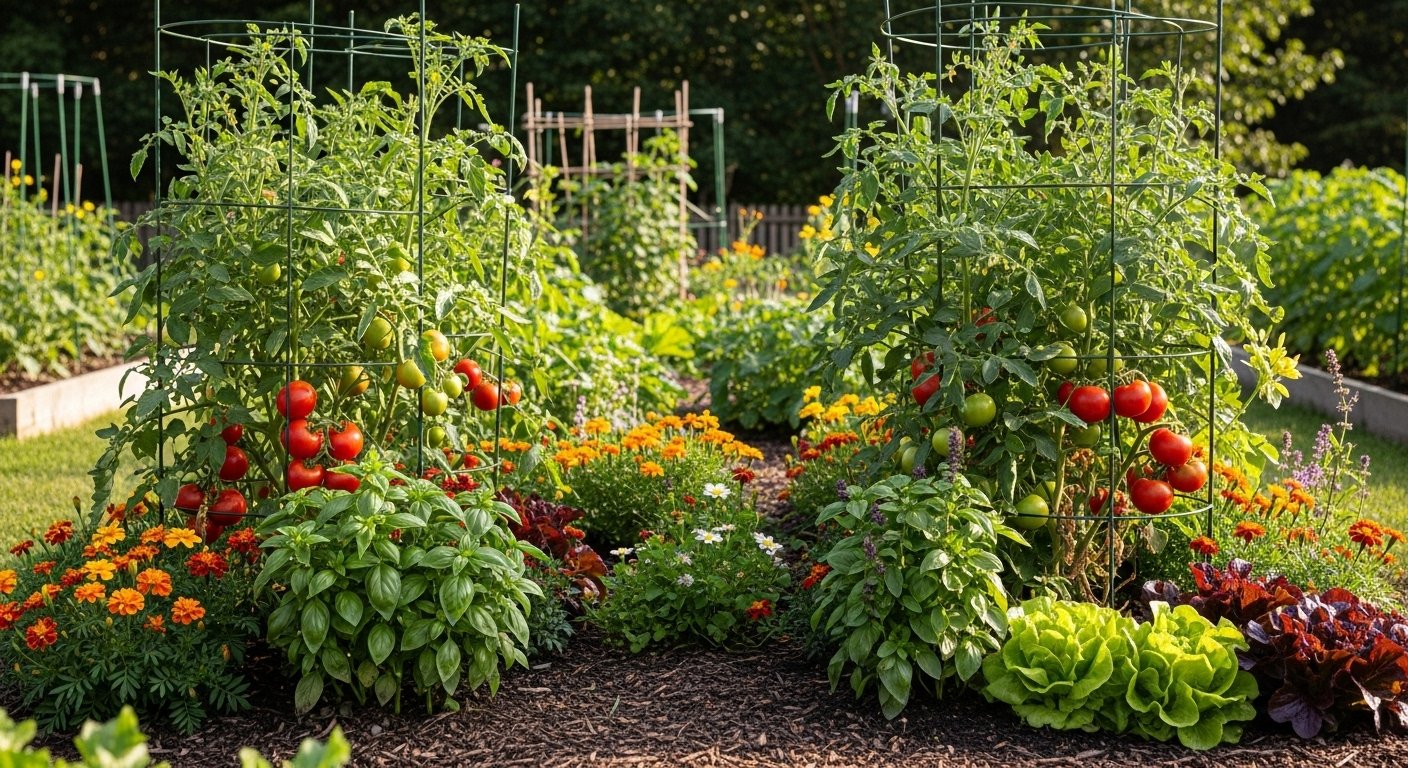
Introduction to Companion Planting with Tomatoes
Interplanting tomatoes is a clever gardening strategy that goes beyond just saving space—it’s about creating a thriving ecosystem right in your backyard. Companion planting, the practice of growing different crops close together, boosts productivity, naturally deters pests, and improves overall plant health.
For example, pairing tomatoes with lettuce and herbs not only makes the most of your garden bed but can also lead to tastier, more robust harvests. Tomatoes are especially suited for companion planting because their tall, bushy growth provides shade for leafy greens like lettuce, protecting them from the summer heat, while certain herbs can repel harmful insects and attract beneficial pollinators.
In this guide, we’ll dive into how and why interplanting tomatoes with lettuce and various herbs works, explore specific combinations that can give you the best results, and share hands-on tips to get started—even if you’re a beginner.
By the end, you’ll understand which plants naturally support each other, how to design your planting layout, and easy ways to boost your yields with less effort and fewer chemicals. Let’s help your garden become both more productive and harmonious using the time-tested wisdom of companion planting.
How Tomatoes Grow Best: Key Growing Conditions
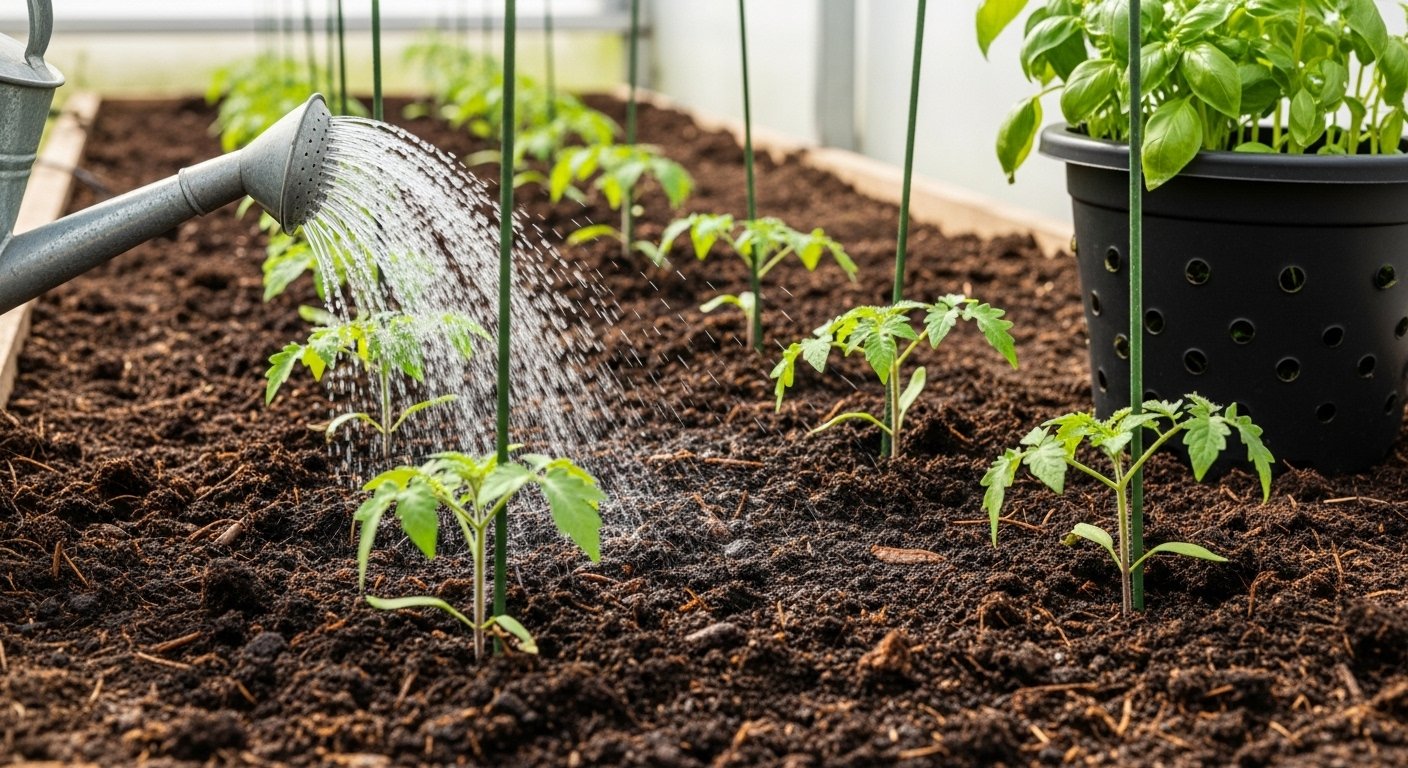
Tomatoes thrive when they get plenty of sunlight—ideally six to eight hours of direct sun daily—so choose the sunniest spot in your garden or on your patio for containers. They need well-draining, nutrient-rich soil; mixing in compost or aged manure before planting improves both texture and nutrition, helping roots grow strong and healthy.
Watering is essential: aim for deep, consistent soakings rather than light, frequent sprinkles. This encourages deep roots and helps prevent split fruit. Try watering in the morning so leaves dry quickly, which helps deter disease.
Give your plants room to breathe, too; space tomato seedlings about two feet apart to boost air circulation and reduce the likelihood of fungal problems. These same steps also support companion plants—like basil, marigolds, or lettuce—since rich soil and smart spacing help all garden residents absorb nutrients and avoid pests.
Whether you’re using raised beds or large pots, prep by loosening the soil at least a foot deep and mixing in organic matter. For containers, pick a pot at least 5 gallons in size with good drainage holes. Mulching after planting locks in moisture, keeps weeds down, and gives your tomatoes and their companions the best shot at a healthy, productive season.
Best Companion Plants for Tomatoes: Top Picks
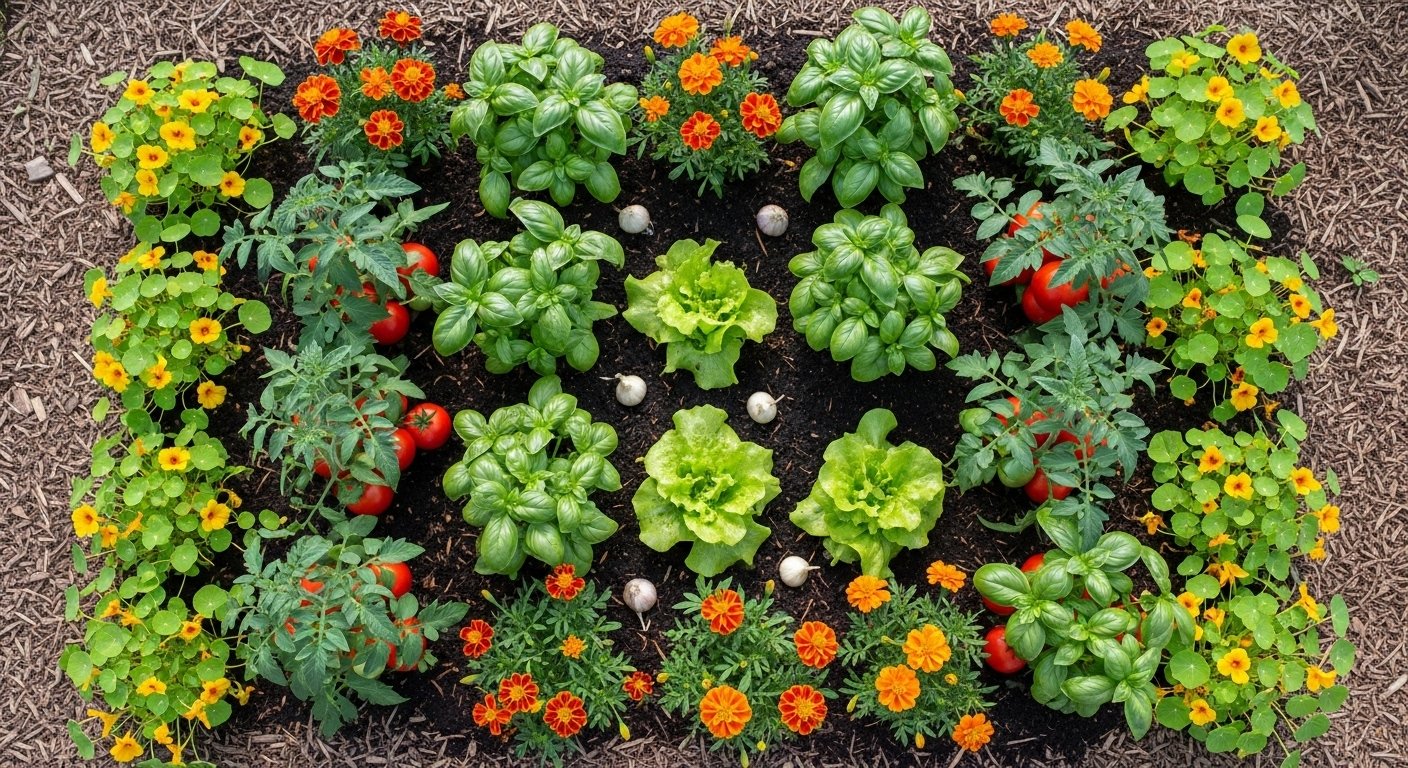
Choosing the right companion plants for your tomatoes can boost growth, improve flavor, and help keep pests at bay. Basil is a popular choice; not only does it enhance tomato flavor, but it also repels pests like aphids and hornworms. Try planting a few basil plants around each tomato in your garden bed.
Marigolds add a splash of color and act as natural defenders, deterring nematodes and whiteflies. Ring your tomato patch with marigold borders for protection. Garlic offers powerful pest control against spider mites and helps fend off fungal infections. Simply interplant a few garlic bulbs among your tomato rows.
Nasturtiums, with their peppery leaves and trailing flowers, serve as a trap crop, luring aphids and whiteflies away from your tomatoes. Let them sprawl along the edges of your beds or in containers nearby. Carrots are another practical companion; they use underground space without competing for sunlight, and their roots help aerate the soil. Sow carrot seeds in alternating rows or between tomato plants.
Lettuce thrives in the shade of taller tomato plants and acts as a living mulch, keeping soil cool and moist. Tuck lettuce starts beneath your tomato canopy early in the season for the best results. Finally, onions repel a range of pests like aphids and thrips, making them a smart partner. Nestle onion sets in the gaps between your tomatoes.
By mixing and matching these companions around your tomatoes, you create a healthier garden ecosystem. Plus, your harvest should be larger and tastier, too!
More Good Companions and Creative Combinations
Beyond classic combos like tomatoes with basil or carrots with onions, there’s a whole world of unique companion plant pairings to try out. For example, plant borage with strawberries—borage attracts pollinators and is believed to enhance fruit flavor and yield. Calendula helps with pest control by drawing aphids away from your crops, making it a handy partner for lettuces and beans. Interplanting aromatic herbs like dill or fennel can confuse pests that target cabbage family members.
For small or raised beds, get creative with vertical layers and repeating patterns. Try nesting climbing peas along a trellis in the back, tucking compact lettuces in the middle, and letting trailing nasturtiums spill over the edge. This approach maximizes both space and visual appeal. If space is really tight, consider the “guild” system—a small grouping of symbiotic plants, like dwarf tomatoes, basil, and marigolds planted together for natural pest control and efficient nutrient use.
Remember, what works great in one region might not in another, so keep notes and adjust your combos each season. Visit local nurseries or chat with neighbors to swap stories about what thrives in your microclimate. And don’t hesitate to try unusual pairings—sometimes the best garden discoveries come from a bit of experimentation.
Plants to Avoid Near Tomatoes: Bad Companions
When planning your vegetable garden, it’s wise to keep tomatoes away from certain plants known to be bad companions. Members of the brassica family, such as cabbage, broccoli, and cauliflower, compete aggressively for nutrients and can stunt tomato growth.
Potatoes are another no-no; they share common diseases like blight with tomatoes, so planting them together or in the same spot year after year increases your risk of a wipeout. Corn may seem unrelated, but it attracts the tomato fruitworm (also called corn earworm), which can damage both crops. Fennel poses its own challenge by releasing chemicals that can inhibit the growth of tomatoes altogether.
To minimize these issues, try rotating your garden beds so that tomatoes and their incompatible neighbors aren’t grown in the same soil two years in a row. Keep a simple planting diary or sketch a garden map each season to ensure you’re not repeating high-risk combinations, and try interplanting tomatoes with friendly companions like basil or marigolds instead.
By giving some thought to what grows next to your tomatoes, you’ll boost their health and harvest while keeping disease and pests at bay.
Companion Planting Success: Practical Tips & Final Thoughts
Successful companion planting hinges on giving each plant the space it needs. For tomatoes, leave about 18–24 inches between each plant, and keep companions like basil or marigolds about a foot away to avoid overcrowding and ensure good air circulation, which helps prevent diseases.
Pay close attention to timing—start cool-season companions like lettuce or spinach early, before the tomato plants get too large and shade them. Herbs such as basil can be planted later, thriving alongside tomatoes throughout the summer.
As the seasons change, look for opportunities to swap out spent companions. Once spring crops bolt, replace them with late-summer growers like bush beans.
Be ready to troubleshoot common issues. If your tomatoes look leggy or spindly, they may be competing with companions for sunlight, so thin plants as needed. Also, watch for signs of pests; sometimes companion crops attract the pests they’re supposed to deter, so rotate plants each season to break pest cycles.
Even if you hit a few bumps along the way, don’t get discouraged! Companion planting is all about experimenting and discovering the best combinations for your garden. With a little patience and observation, you’ll find that tomatoes and their friendly companion plants can create a healthier, more vibrant vegetable patch.