Choosing the Right Zucchini Variety and Planting Time
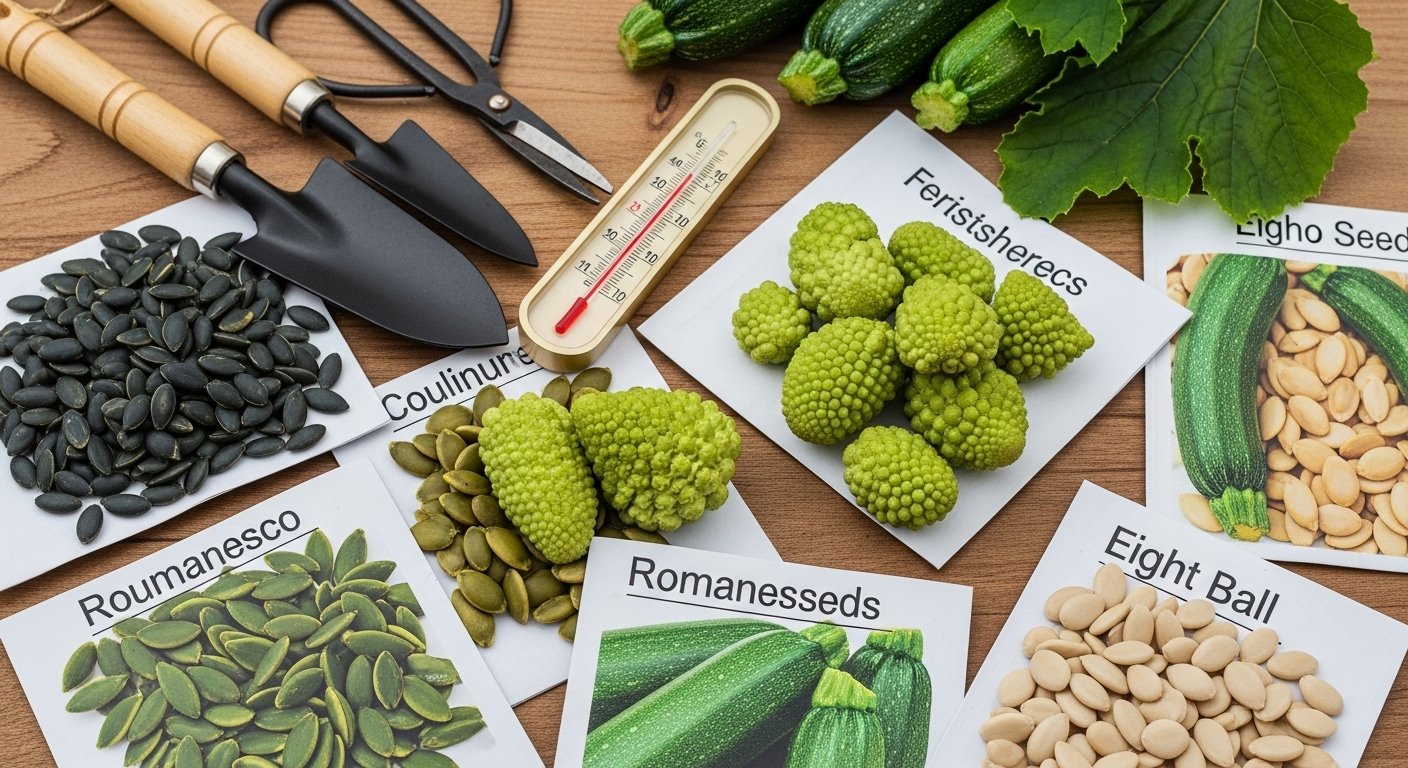
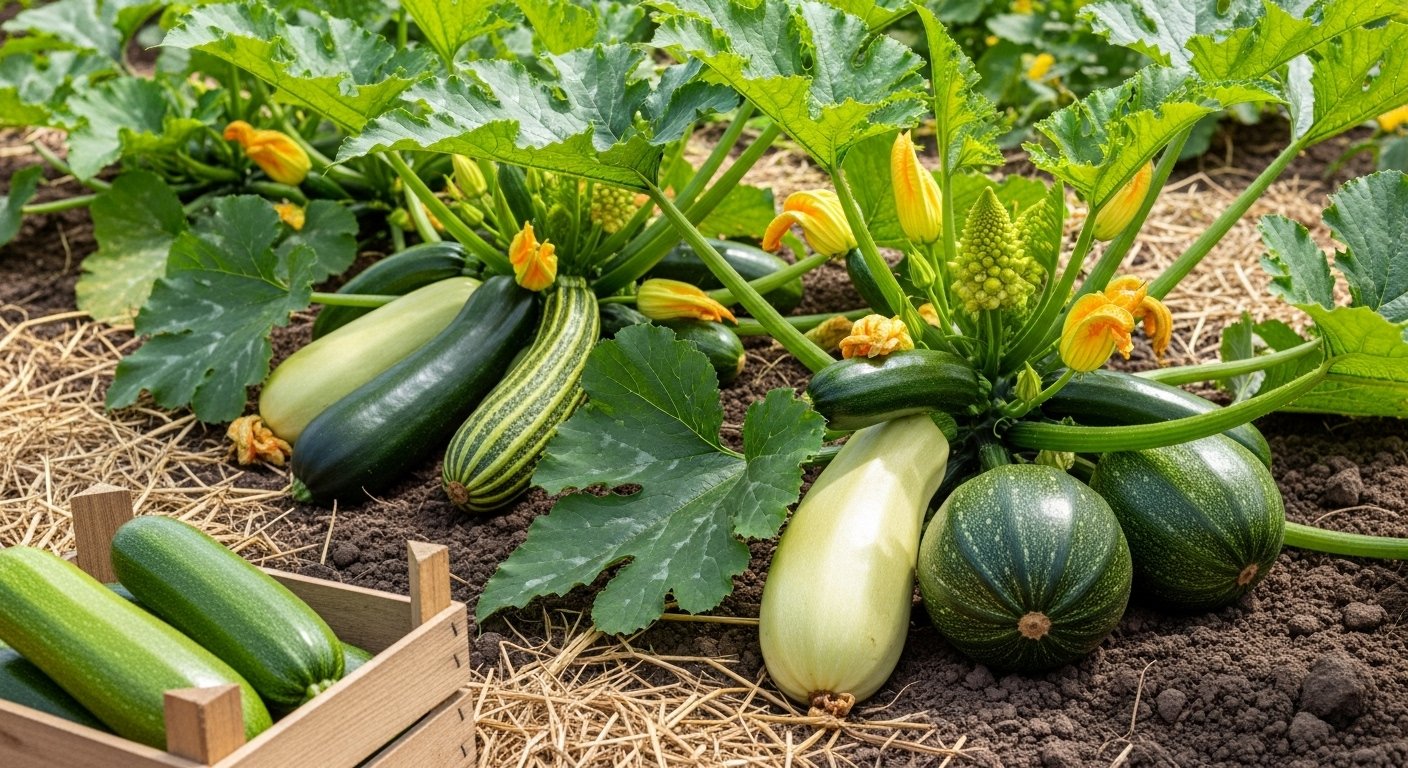
When it comes to commercial zucchini growing, selecting the right variety and planting at the best time are critical first steps to success, especially for CSA shares or small market gardens where taste, yield, and appearance all matter. Zucchini varieties come in a remarkable range, each offering something unique. Classic dark green types like ‘Black Beauty’ are favorites for their prolific yields and reliable texture, while ‘Costata Romanesco’ boasts distinctive ribbing and a nutty flavor that stands out on market tables. If you’re after a softer, tender harvest for early baskets, pale-skinned ‘Cocozelle’ or compact ‘Eight Ball’ round zucchinis are perfect options that please both customers and chefs alike. Disease resistance is another crucial factor: newer hybrids such as ‘Spineless Perfection’ or ‘Dunja’ have built-in resistance to powdery mildew and mosaic virus, reducing the need for intervention and helping you maintain organic practices.
Choosing the Right Variety for Your Climate
Selecting which variety to plant depends on your climate, the length of your growing season, and your market’s preferences. Gardeners in northern regions with shorter summers may prioritize fast-maturing varieties like ‘Raven’ or ‘Emerald Delight’ to ensure a continuous supply before the first frost hits. Those in hotter, southern climates can experiment with long-season producers that are slower to bolt and more tolerant of heat stress—research is key, and candid feedback from your customers is invaluable. You might also try a mix: plant a reliable open-pollinated variety for early crops and stagger your sowings of disease-resistant hybrids throughout the summer to keep your harvest steady and diverse.
Timing Your Planting
Timing your planting is just as important as the variety itself. Zucchini is highly sensitive to frost, so wait to sow seeds or transplant starts until after your region’s average last frost date and when soil temperatures are reliably above 60°F (16°C)—cool soils can stunt growth and invite root issues. In cooler zones (USDA Zones 4-6), this typically means planting in late May or early June. In warmer southern or Mediterranean climates, you might start as early as late March or April and follow up with succession plantings every 2-3 weeks, right up until midsummer, to keep the bounty coming.
For small-scale operations, using row covers early in the season can offer both warmth and protection against cucumber beetles, giving your young plants a crucial head start.
Final Tips
Ultimately, thriving in commercial zucchini growing means learning what grows best both in your soil and for your market. Experiment with a few select varieties each year, record your results, and talk directly to your customers about what they love. With the right match between variety, timing, and technique, you’ll find your CSA boxes full, your market stand colorful, and your harvests resilient season after season.
Preparing Your Planting Site and Soil
Zucchini thrives in soil that’s loose, well-drained, and rich in nutrients, so taking time to prepare the planting site can make a big difference in your harvest. Aim for a soil texture that’s loamy—a balanced mix of sand, silt, and clay—so roots can grow easily without getting waterlogged or compacted.
Good drainage is crucial; soggy roots make plants vulnerable to rot and disease, so if your garden tends to hold water after rain, consider building raised beds or mixing in coarse sand to help excess moisture escape.
Soil fertility is another key factor. Zucchini grows vigorously and needs plenty of nutrients, so work in a generous layer of compost or well-rotted manure before planting. This boosts both fertility and soil structure, allowing zucchini roots to access nutrients throughout the season.
For the best results, check soil pH with a simple test kit—zucchini prefers a slightly acidic to neutral range, around 6.0 to 7.5. If your soil is too acidic, you can mix in garden lime; if it’s too alkaline, peat moss or sulfur can help balance it out.
Choose a spot in full sun, with at least six hours of direct light each day, and try to avoid planting too close to walls or other large plants so there’s plenty of air circulation. Good airflow helps prevent common issues like powdery mildew, which can trouble zucchini in damp, crowded conditions.
Before planting, clear the site of weeds and debris, then dig down 8-10 inches to loosen the soil—this helps young roots spread quickly. Mixing mulch or straw into the top layer can help conserve moisture and reduce weeds once seedlings are established.
If your backyard soil is heavy clay or very sandy, raised beds or large containers are a worthwhile investment; you can fill them with a custom blend of compost, topsoil, and organic matter for ideal conditions.
By paying attention to these details before you plant, you’ll set your zucchini up for a healthy, productive season—no green thumb required.
Planting and Spacing Zucchini for Success
Starting zucchini from seed is straightforward and rewarding, whether you’re sowing directly outdoors or transplanting seedlings. For direct sowing, wait until soil temperatures reach at least 60°F (16°C), as zucchini hates cold feet and won’t germinate well in chilly earth. Plant the seeds about 1 inch deep—any deeper and they may struggle to break the surface—and water the area gently but thoroughly.
For an early jump-start, you can begin seeds indoors 2-4 weeks ahead of your last frost date, using peat pots or seed trays filled with seed-starting mix. Transplant seedlings outside only after the danger of frost has passed and the soil is warm, taking care to minimize root disturbance.
Proper spacing is crucial for zucchini success, as crowded plants are more prone to mildew and will produce fewer fruits.
Spacing Guidelines
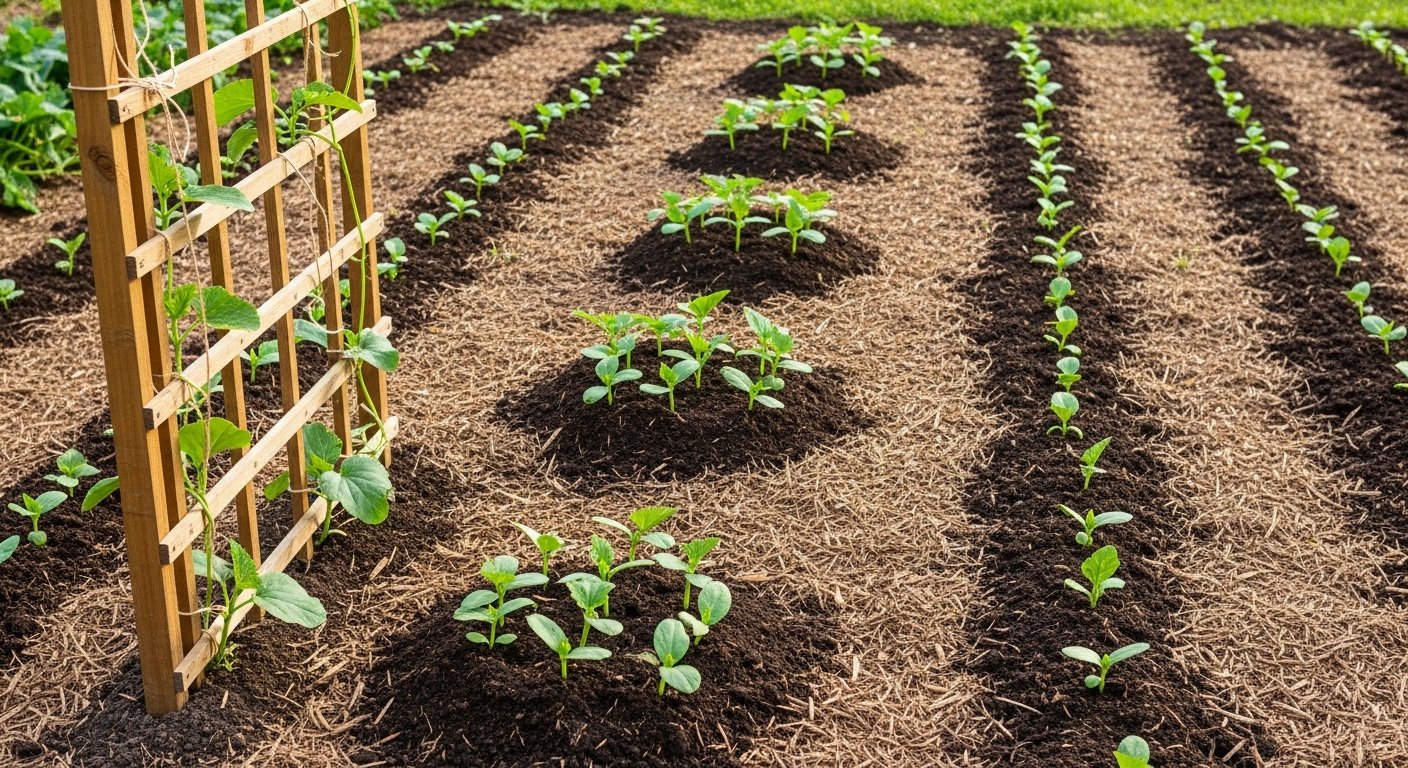
If planting in rows, space seeds or seedlings 18-24 inches apart in the row, with at least 3-4 feet between rows for bush types. Alternatively, for hills (small mounds of soil), sow 4-5 seeds per hill and thin to the strongest two plants, with hills placed 3-4 feet apart.
In containers, pick a pot that’s at least 16 inches wide for a single plant, and ensure it has good drainage.
Giving your zucchini room means better airflow, which helps prevent disease and allows each plant enough soil nutrients and sunlight.
Supporting Vining Zucchini
For vining or “trailing” zucchini types, consider staking or trellising to keep plants off the ground and save garden space. Use sturdy cages or trellises anchored well in the soil; as vines grow, loosely tie them using garden twine or soft strips of fabric, supporting heavy fruit as it develops.
Regularly check and guide vines onto the supports, and prune away excess growth if it gets too tangled. These practices not only make harvesting easier but also reduce slug or rot issues by keeping foliage and fruit drier and more exposed to sun and air.
By starting with healthy seeds or seedlings, spacing them generously, and lending a little support to sprawling varieties, you’ll set up your zucchini patch for a season of prolific, trouble-free harvests.
Caring for Zucchini: Water, Nutrients, and Maintenance
Proper care for zucchini starts with getting the watering schedule right. In the early days after planting seeds or seedlings, keep the soil consistently moist but not soggy to encourage strong root development—about 1 inch of water per week is usually enough. As the plant matures and begins to flower, increase your watering frequency during hot or dry spells, ensuring you water deeply at the base rather than on the leaves to help prevent fungal diseases. Morning is the best time to water, allowing excess moisture to evaporate throughout the day.
Alongside watering, zucchini needs a balanced diet. When seedlings have three or four true leaves, apply a balanced, slow-release fertilizer—look for products with equal N-P-K numbers, like 10-10-10. As the plant enters its flowering and fruiting stage, opt for a fertilizer higher in phosphorus and potassium to support robust fruit production. You can side-dress the plants by gently mixing granular fertilizer into the soil a few inches away from the stems and watering it in, or use a diluted liquid fertilizer every three weeks for ongoing nourishment.
Ongoing Maintenance
Ongoing maintenance is vital for healthy zucchini plants and high yields. Mulching with straw or chopped leaves helps retain soil moisture, suppress weeds, and keep fruits clean. Check the mulch regularly to make sure it’s not harboring pests or excessive moisture near the stems. Regular weeding is important, too; remove weeds by hand or with a hoe, being careful not to disturb zucchini roots.
Pruning may be necessary if plants become overcrowded—snip away some of the larger, older leaves around the base to improve airflow and reduce the risk of powdery mildew, always using clean, sharp scissors to prevent disease spread.
Encouraging Pollination
To get the most fruit, encourage pollination by welcoming bees and other pollinators to your garden. Planting flowers like marigolds, zinnias, or sunflowers nearby can attract helpful insects. Avoid using pesticides, especially when flowers are blooming, as they can harm pollinators.
If you notice lots of flowers but few developing fruits, try hand-pollinating: use a small artist’s brush or cotton swab to gently transfer pollen from male to female flowers. Look for the swelling at the base of female flowers—they’re the ones that become zucchinis.
With consistent watering, proper feeding, ongoing maintenance, and a focus on pollination, you’ll maximize your zucchini harvest and enjoy healthier, more productive plants all season long.
Managing Zucchini Pests and Diseases
Zucchini plants attract several common pests like squash bugs, cucumber beetles, and aphids. Squash bugs often hide on the undersides of leaves, causing wilting, yellow spots, and crisped leaves. Cucumber beetles leave streaks or holes on the leaves and can transmit bacterial wilt, which leads to sudden plant collapse. Aphids cluster on growing tips, causing leaves to curl and develop a sticky residue known as honeydew.
Besides insect pests, zucchini is also vulnerable to diseases such as powdery mildew, which appears as white, powdery spots on leaves, and downy mildew, which produces yellowish, angular spots on the leaf surface. Bacterial wilt causes rapid wilting accompanied by sticky stems, while mosaic virus results in mottled, distorted leaves.
Prevention is your strongest tool:
- Practice crop rotation by avoiding planting zucchini or other squash family crops in the same spot each year, since many pests and diseases overwinter in soil and debris.
- Keep gardens clean by removing plant waste and weeds, which can harbor pests or disease spores.
Integrated Pest Management (IPM) is essential for long-term success. Monitor your plants often for early signs of trouble and take action before infestations spread.
Organic Control Methods
- Hand-pick squash bugs and beetles early in the morning.
- Use floating row covers to protect young plants.
- Encourage beneficial insects like ladybugs and lacewings to naturally control aphid populations.
- Avoid overhead watering to prevent spreading fungal spores.
- Space plants to improve air circulation, reducing disease risk.
- Apply neem oil or insecticidal soaps for mild infestations, always following label instructions.
- Use stronger organic-approved controls only as a last resort when pest numbers threaten a significant portion of your plants.
By combining these strategies—especially crop rotation and rigorous garden hygiene—you can keep your zucchini healthy, productive, and resilient against the most common challenges.
Harvesting and Storing Your Zucchini
Knowing when to harvest your zucchini is key for both taste and continued plant production. Aim to pick zucchini when they’re 6 to 8 inches long—about the size of a smaller forearm. If you wait too long, they’ll grow huge, but the seeds and flesh become tough and less flavorful.
Check your plants daily during peak season, as zucchini can seem to double in size overnight! To harvest, use a sharp knife or garden shears to cut the stem about an inch above the squash. Tugging too hard by hand can damage the plant and reduce future yields.
For short-term storage, keep unwashed zucchini in the crisper drawer of your fridge inside a perforated plastic or paper bag; they’ll last up to a week. If you’re swimming in zucchini, get creative with preservation.
Preservation Ideas
- Grate and freeze zucchini in measured portions for baking
- Pickle slices in vinegar brine for a tangy treat
- Dehydrate zucchini or make zucchini chips
Finally, don’t forget to reach out to friends, neighbors, or local food pantries with your extras—fresh garden produce is always a welcome gift. Sharing can build community ties while reducing waste.
Troubleshooting and Frequently Asked Questions
Zucchini plants are generally easy to grow, but a few challenges can pop up during the season. If your zucchini isn’t setting fruit, the most common cause is insufficient pollination. Zucchini flowers are pollinated by bees and other insects, so planting pollinator-friendly flowers nearby or even hand-pollinating with a small brush can help.
Another frequent issue is yellowing leaves, which often signals overwatering, underwatering, or nutrient deficiencies. Aim to water zucchini deeply once or twice a week, soaking the soil but letting it dry out slightly in between—soggy roots can quickly lead to yellow leaves and even root rot. Feeding your plants with a balanced liquid fertilizer every few weeks ensures they get enough nitrogen, which keeps foliage vibrant and healthy.
For stunted growth, check for crowded planting or poor soil; zucchini need space (24–36 inches apart) and rich, loose soil to thrive. Aphids and powdery mildew are two pests and diseases that can cause problems, but they’re easy to handle with regular inspections. If you spot white powdery patches, remove affected leaves and avoid wetting the foliage. Neem oil works well in both cases and is safe for edible crops.
Common Questions
- How much should I water? A good rule: stick your finger a couple of inches into the soil—if it feels dry, it’s time to water.
- Do I need more than one plant for pollination? While one plant can produce both male and female flowers, growing two or more boosts pollination success.
- What’s the fastest way to fix yellowing leaves? Trim off the worst leaves, check your watering habits, and top dress with fresh compost.
Successful zucchini growing is about routine care and swift troubleshooting, so stay observant and address problems as soon as they appear.