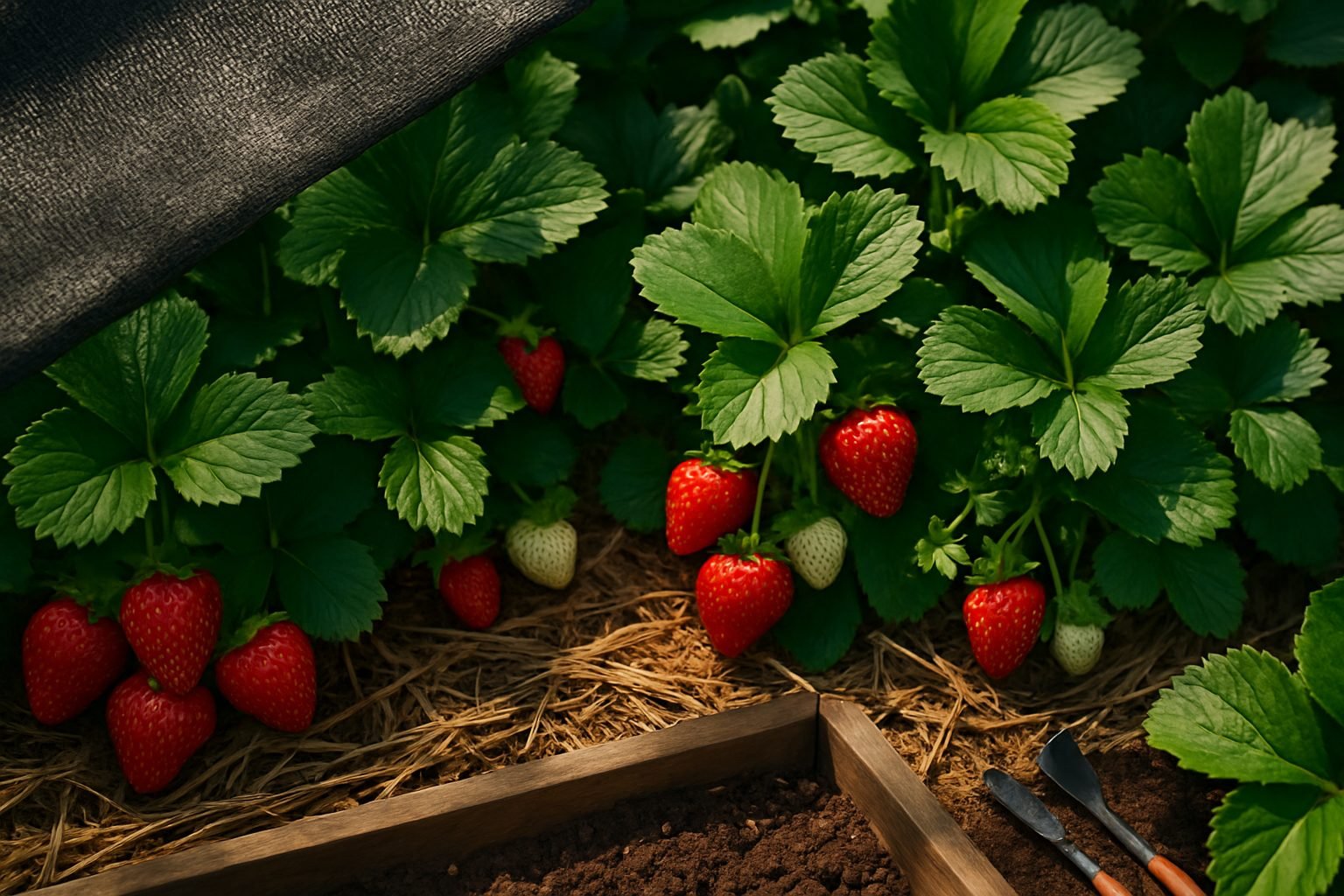
Understanding Strawberries’ Heat Challenges
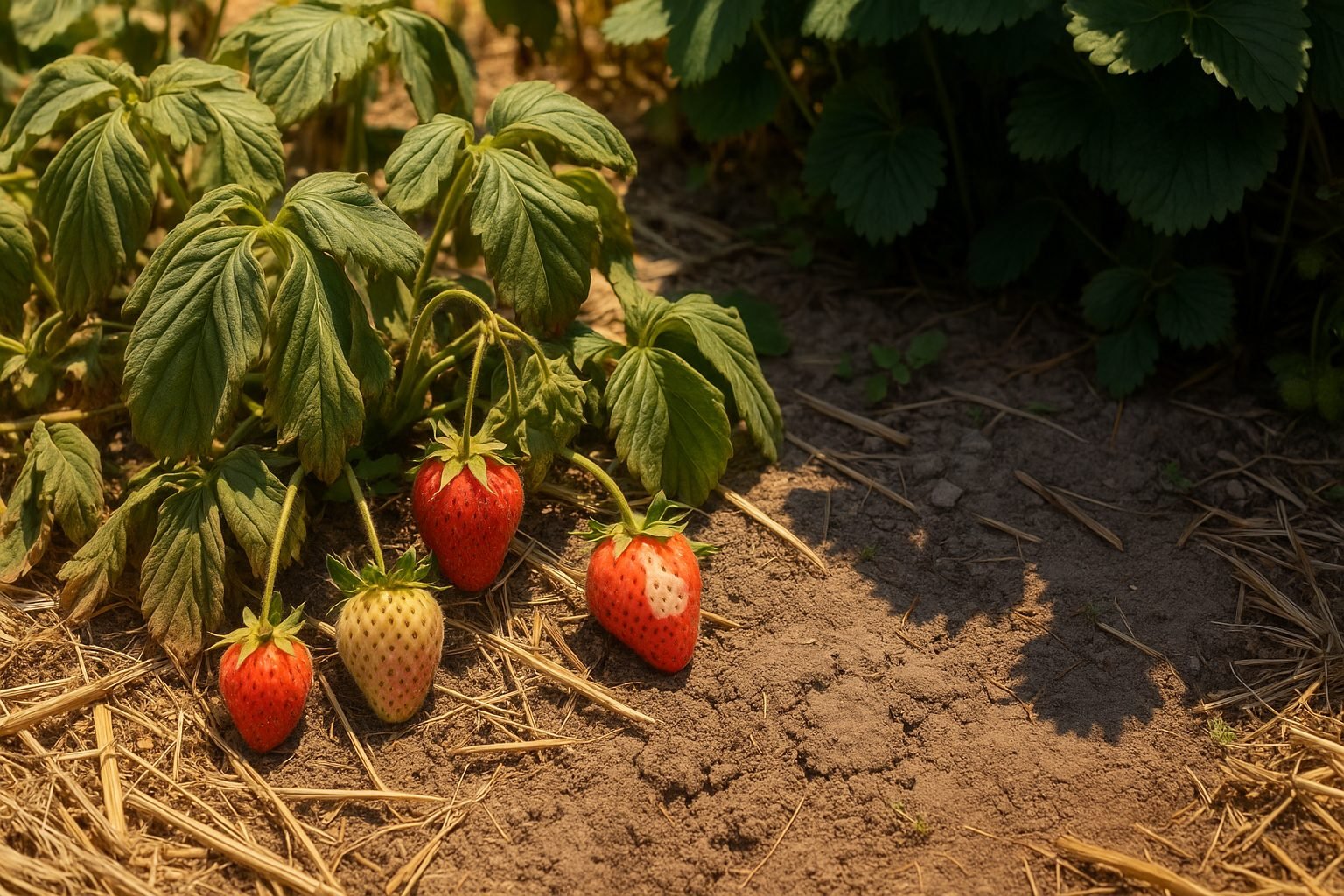
Growing strawberries in hot climates presents a unique set of challenges for even the most dedicated gardeners. Unlike their cool-loving cousins, strawberries in these conditions are especially vulnerable to high temperatures, which can stress the plants, reduce yields, and impact the overall quality of the fruit.
For instance, when the mercury rises above what strawberries find comfortable—typically around 80°F (27°C)—you might notice your strawberry plants’ leaves wilting or drooping by midday. This is a clear sign they’re struggling to keep up with water loss. Extended exposure to intense sun often leads to sunburn on the berries themselves, appearing as pale, hard patches that never fully ripen. Stunted plant growth is another red flag; your strawberries may stop producing new runners or blossoms, resulting in fewer and smaller berries.
In hot or dry regions, these problems can quickly add up, turning a promising strawberry bed into an underwhelming patch. That’s why it’s vital to adapt your strawberry care techniques—for example, by providing shade during the hottest parts of the day, using mulch to conserve soil moisture, and watering deeply during the cooler hours.
Successful strawberry growers in dry or hot areas often plan their planting schedules to avoid the most intense heat, choose heat-tolerant varieties, and pay extra attention to soil health. By understanding these heat challenges and adjusting your gardening approach, you greatly improve your chances of biting into homegrown, juicy strawberries even when the forecast is sizzling.
Choosing the Right Strawberry Varieties
When growing strawberries in warmer climates, selecting the right variety can make all the difference in your harvest. Heat-tolerant strawberry varieties like ‘Chandler,’ ‘Sweet Charlie,’ ‘Camarosa,’ and ‘Festival’ thrive in zones with higher temperatures, producing sweet, firm berries even as daytime highs soar.
When choosing between plant types, keep in mind that June-bearing strawberries typically produce one large crop in late spring or early summer but sometimes struggle in prolonged heat. In contrast, everbearing and day-neutral strawberries—such as ‘Seascape’ or ‘Albion’—are more adaptable to fluctuating temperatures and tend to produce multiple, smaller harvests throughout the season. This can be an advantage where summers are long or unpredictable.
Don’t forget that local climate and microclimate also play key roles: a spot with afternoon shade, good airflow, or slightly higher elevation can offset some heat stress, giving even less heat-tolerant varieties a fighting chance.
Before planting, check with local nurseries or extension services for recommendations specific to your area, and consider experimenting with a few varieties to see what truly flourishes in your unique environment.
The Best Location and Soil for Hot-Climate Strawberries
When growing strawberries in hot climates, choosing the right spot in your garden makes a big difference. Aim for a location that gets plenty of morning sun—this helps the plants start growing early without exposing them to the harsh, drying rays of the late afternoon. If possible, situate your strawberry beds near a fence or in the dappled shade of a tree to shield them from scorching afternoons.
For soil, focus on good drainage while boosting moisture retention. Mix compost or aged manure into the soil to add organic matter, which helps hold water and keeps roots cooler. You can also incorporate a bit of coconut coir or peat moss, both known for their ability to lock in moisture.
Don’t overlook the power of mulch: a thick layer of straw or wood chips acts like a natural sunblock for your strawberry roots, reducing soil temperature and slowing water evaporation. During especially hot spells, check the mulch and top it up if it becomes thin. Together, these strategies will help your strawberries stay healthy, hydrated, and productive even in intense summer heat.
Essential Watering and Feeding Tips
During hot weather, your plants’ thirst increases, so it’s important to adjust your watering routine. Water early in the morning, before the sun gets intense, to minimize evaporation and give roots time to absorb moisture.
You might need to water more frequently, but be careful—both overwatering and underwatering can harm your plants. Check the soil with your finger; if the top inch feels dry, it’s time to water.
Efficient irrigation methods like drip irrigation or soaker hoses are great options because they deliver water directly to the roots, reducing waste and keeping leaves dry to prevent fungal issues.
When it comes to feeding, avoid heavy fertilization during extreme heat, as it can stress plants further. Opt for a diluted, slow-release fertilizer, or wait until temperatures cool down. If you notice yellowing leaves or wilting, assess your watering habits and consider pausing on feeding until your plants look healthier.
This approach helps your garden thrive, even on the hottest days.
Protecting Strawberries from Excess Sun and Heat
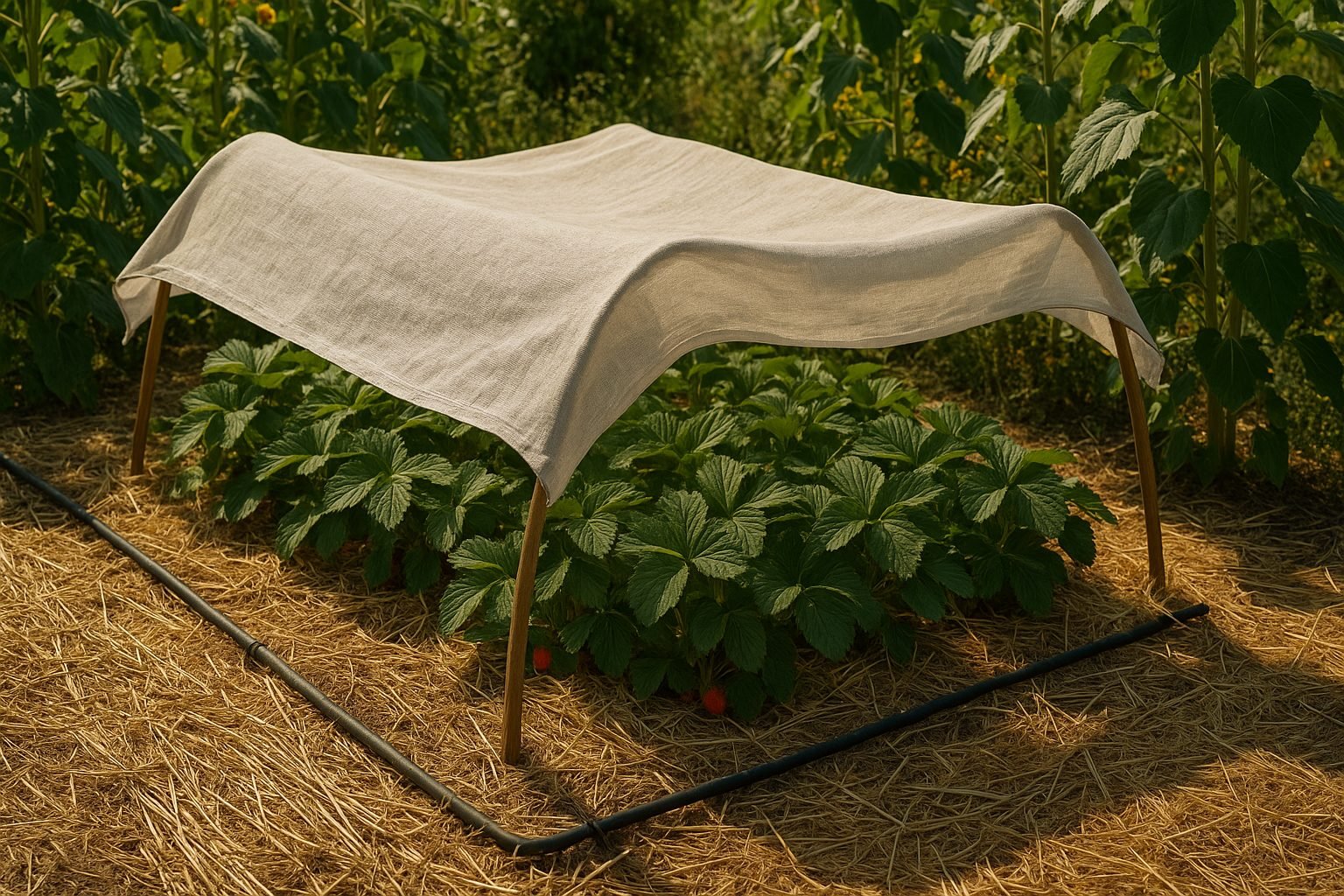
To shield your strawberries from harsh sun and heat, try using shade cloth stretched above your beds. This creates a gentle barrier that blocks intense rays without hampering airflow—choose 30-50% shade cloth for the best balance. Light-colored row covers can also reflect sunlight and buffer temperature spikes; drape them loosely over plants, just high enough to avoid squishing leaves and blooms.
For a more natural approach, interplant taller companions like sunflowers or bush beans on the south or west side of your strawberry patch. These provide dappled shade and help keep soil cool. To prevent fruit sunburn, mulch around plants with straw or shredded leaves, which insulate roots and minimize reflected heat onto berries.
If hot weather hits unexpectedly, water early in the morning so plants stay hydrated throughout the day, and consider moving container strawberries to shaded spots or creating temporary screens with cardboard or old sheets. Finally, check fruit often during heatwaves; pick ripe berries promptly since overheated fruit is more likely to spoil or develop soft spots.
Small adjustments like these can make a big difference in preserving your strawberry harvest all season long.
Ongoing Strawberry Care and Common Issues in Hot Weather
Caring for strawberries during hot weather means staying on top of a few key tasks to keep your plants healthy and productive.
Regularly trim off runners—long stems that shoot out from the main plant—so your strawberries focus their energy on fruit production rather than spreading. Keep an eye out for pests like spider mites and aphids, which multiply rapidly in warm conditions.
If you notice tiny holes in leaves or sticky residue, spray affected plants with insecticidal soap or a mix of water and mild dish soap. Hot, humid conditions also invite fungal threats like powdery mildew and gray mold. To prevent these, space your plants well to allow air circulation, avoid watering in the evenings, and promptly remove any wet or damaged foliage.
When it comes to harvesting, pick fruit early in the morning before the sun gets harsh—heat-stressed berries bruise easily and spoil quickly. Mulching with straw or pine needles helps retain soil moisture and keeps roots cool, especially during heatwaves.
If a major heat spike is expected, consider providing temporary shade using mesh or row covers. With a little extra vigilance and quick action, you’ll help your strawberry plants thrive and produce sweet, juicy fruit all season long.
Quick Reference: FAQs and Troubleshooting
Growing strawberries in hot climates can be tricky, but with a few adjustments, you can still enjoy a sweet harvest.
One common question is how often to water—aim for deep watering two to three times a week, and use mulch to keep roots cool and moist.
If your plants show yellow or crisped leaves, they may be sunburned; try using shade cloth during the hottest part of the day.
Seeing holes in your berries? Keep pests at bay with row covers or natural insect repellents like neem oil.
Don’t get discouraged if your first harvest isn’t perfect—gardening is a process, and each season brings new lessons.
For more tips and troubleshooting support, check out local extension services or online gardening communities—they’re full of growers ready to help you succeed!