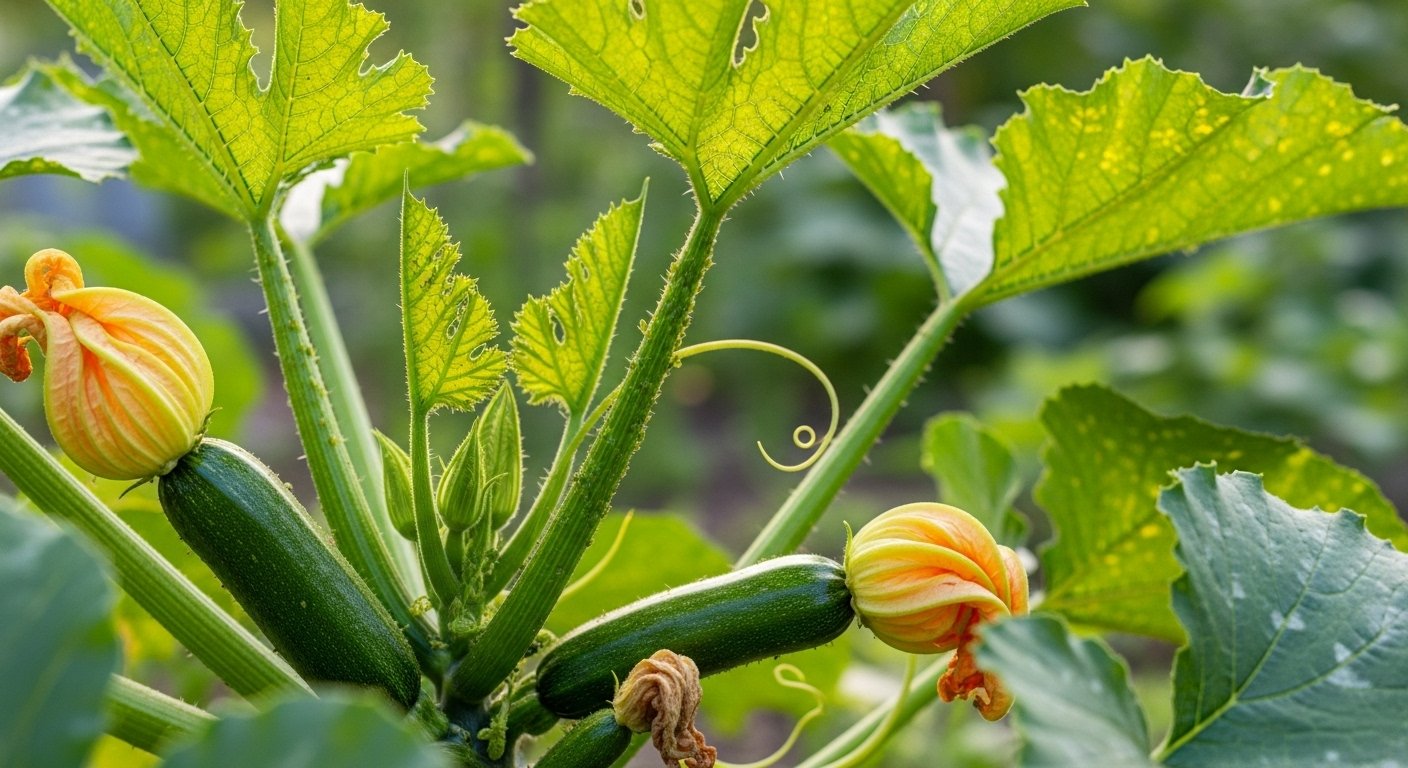
Introduction to Zucchini Pests
Aphids on zucchini are a common headache for many gardeners each growing season. Zucchini plants, with their tender new growth and succulent stems, are particularly vulnerable to a range of pests—including not just aphids, but also squash bugs and cucumber beetles. These pests can inflict significant damage by sucking sap from the leaves or transmitting plant viruses, leading to yellowing leaves, curly growth, and a noticeable reduction in overall yield.
Even a mild infestation early on can weaken your plants, making them less productive and more prone to fungal diseases or other issues down the line. That’s why early detection and swift control are absolutely crucial for ensuring a robust, healthy zucchini harvest. Spotting aphids before their populations explode gives you a real chance to protect your crop and avoid last-minute disasters in the garden.
In this article, we’ll guide you through the key zucchini pests to watch for, share simple and effective ways to identify aphids and their damage, and explain step-by-step management strategies—from natural garden techniques to targeted treatments. Whether you’re growing a few plants in containers or managing a large backyard patch, understanding and outsmarting pests is the first step toward a bountiful zucchini season.
Most Common Zucchini Pests (A Quick Overview)
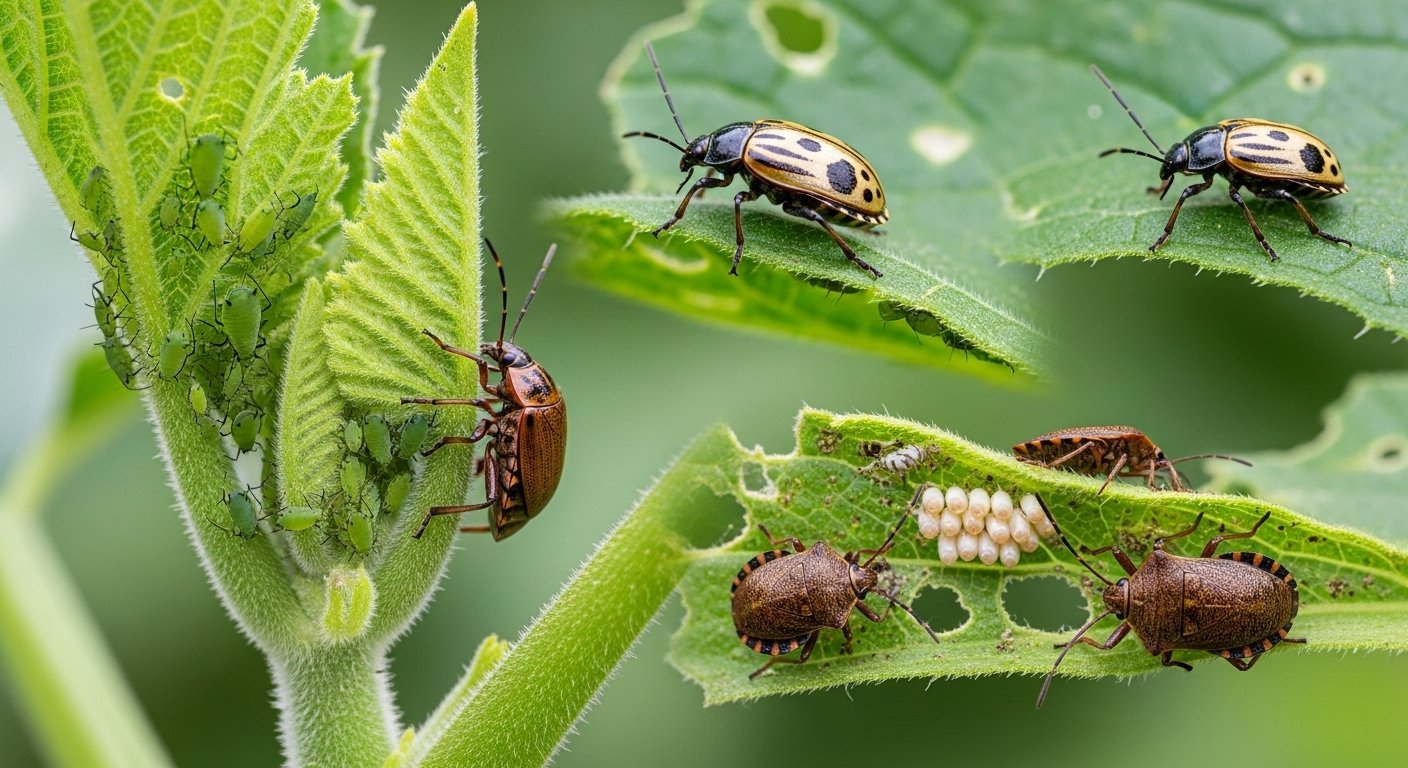
Aphids are tiny green or black insects that cluster on new growth, often leaving behind sticky honeydew and causing distorted, curled leaves.
Cucumber beetles are yellow-green bugs with black spots or stripes; they chew holes in leaves and can introduce bacterial wilt, leading to wilting vines.
Squash bugs are flat, gray-brown insects that suck sap from leaves, leaving yellow spots that turn brown and dry. You’ll also find clusters of bronze-colored eggs under the leaves.
Squash vine borers are larvae that burrow inside stems, causing sudden wilting and hollow, rotting vines with sawdust-like frass at entry points.
Spider mites are barely visible, but their presence is clear through fine webbing, speckled leaves, and eventual leaf bronzing or drop.
Cutworms are night-active caterpillars that lop off young seedlings at the soil line or chew holes in leaves, often leaving slimy residues or droppings.
Leafminers create winding, white tunnels in leaves as larvae feed inside, sometimes causing leaves to yellow and drop prematurely.
Thrips are minuscule, slender bugs that rasp leaf surfaces, leaving silvery streaks, black specks, and distorted or ragged growth.
Flea beetles are tiny black or brown jumping beetles that create pinhole damage across leaves, especially troubling for seedlings.
Whiteflies are small, powdery-white insects found on the undersides of leaves; heavy infestations turn leaves yellow and can cause leaf drop—a quick tap on the plant will send them flying.
Slugs and snails are slimy mollusks that emerge at night, leaving irregular holes in leaves, flowers, and fruit, along with shiny trails on leaves or soil surfaces.
Regularly inspecting the undersides of leaves, especially early in the season, can help you catch these pests before their populations explode. If you notice any of these symptoms, consider using targeted interventions like hand-picking, row covers, or organic sprays to keep your zucchini plants healthy and productive.
How to Identify Pest Damage on Zucchini
Spotting pest damage on zucchini starts with a close look at both the obvious and hidden parts of your plants. Common signs to watch for include yellowing leaves, which often signal sap-sucking insects like aphids or whiteflies feeding on plant juices. Wilting, despite moist soil, may indicate squash vine borers tunneling inside stems or cucumber beetles nibbling at the base.
Stippling—tiny dots or speckles on upper leaf surfaces—is a classic symptom of spider mites or thrips. Don’t forget to check underneath leaves, where pests often hide; you might see fine webbing (from spider mites) or clusters of tiny, moving larvae.
Gently inspect stems for tiny holes, frass (insect droppings), or even hollowed-out areas—all warnings that borers or weevils could be inside. Flowers and young fruit can show scarring, yellow spots, or depressions, especially from beetle feeding.
To avoid confusing pest issues with diseases, remember: disease symptoms like powdery mildew show up as distinct white, powdery patches, while bacterial or fungal wilts usually lead to sudden leaf collapse and are not accompanied by the holes, webbing, or frass typical of insects.
Always use a magnifying glass to look for minuscule pests or eggs, and inspect plants regularly, both in strong light and shade, to spot damage early and take action before it spreads.
Tips for Natural and Chemical Pest Control

When tackling garden pests, combining natural and safe chemical methods gives you the upper hand while protecting your plants and the environment.
Start with natural approaches: regularly inspect your plants and hand-pick visible bugs like caterpillars or beetles, especially in the cool morning hours when they’re sluggish. Spray neem oil or insecticidal soaps directly onto pests—these options are gentle on most beneficial bugs but tough on soft-bodied invaders like aphids or whiteflies.
Encourage helpful insects such as ladybugs, lacewings, or parasitic wasps by planting flowers like dill, fennel, or marigold; these allies will patrol your garden and keep bad bugs in check.
If problems persist and you need to use chemical pesticides, choose products labeled as safe for edible plants and designed to target specific pests. Always read and follow label instructions carefully: wear gloves, avoid spraying on windy days, and never exceed the recommended amounts.
Apply pesticides in the early morning or late evening when pollinators like bees and butterflies are less active, and aim sprays directly at affected areas rather than blanketing your entire garden. Rotate between different control methods to prevent pests from becoming resistant, and always store chemicals safely away from children and pets.
By integrating these strategies, you’ll minimize harm to pollinators, people, and the wider environment—while keeping your garden healthy and productive.
Preventing Future Pest Problems
Preventing future pest problems in your garden isn’t just about reacting to bugs you see—proactive steps make a big difference. Start with crop rotation: by switching where you plant different kinds of vegetables each season, you interrupt pests’ life cycles and make it harder for them to establish themselves.
Companion planting works similarly, using natural plant partnerships like marigolds near tomatoes to help repel common invaders. Keeping your garden tidy and free from fallen leaves, overripe produce, and weeds removes hiding spots for pests and their eggs.
Healthy soil is also your ally; rich, well-balanced earth grows stronger plants that can better resist insect attacks, so add compost regularly and avoid over-fertilizing. Don’t forget to walk your garden often, looking closely for early signs of trouble—catching infestations early makes control much easier.
For physical protection, fit row covers over young seedlings to block out flying pests or add a layer of mulch that can deter insect movement and keep soil moisture steady. Be mindful with watering; too much or too little can both stress plants, making them more vulnerable, so water in the morning and target the base of plants to reduce wet leaves.
These combined methods will help create a resilient, pest-resistant garden where problems are less likely to get started in the first place.
When to Take Action (and When Not To)
Deciding when to intervene with pest control in your garden requires more than just spotting a few unwanted bugs. Start by monitoring pest populations regularly—walking your garden every few days and noting both pest and beneficial insect activity can reveal emerging trends before they become problems.
Before reaching for any intervention, assess whether pest numbers surpass a certain threshold by considering factors like the type of pest, the stage of your plants, and visible damage. For example, a handful of aphids rarely warrants action if ladybugs are also present, as these natural predators can often restore balance on their own.
Use resources like local extension services or university guides to learn the specific thresholds for common pests in your area. Taking unnecessary action—like spraying in response to minimal damage—often disrupts the beneficial insect population and can harm pollinators, reducing your garden’s resilience in the long run.
Instead, focus on encouraging a healthy ecosystem by avoiding broad-spectrum pesticides and providing habitat for natural predators. By observing regularly and acting only when truly warranted, you’ll minimize disruptions and let nature do much of the work, leaving your garden productive and balanced.
Conclusion & Quick Reference Guide
Successfully growing healthy zucchini starts with keen pest identification and diligent management. Common zucchini pests, like squash bugs, cucumber beetles, and aphids, can quickly damage plants if not caught early. Check leaves and stems frequently for signs—look for yellow spots, holes, sticky residue, or clusters of tiny insects. Prompt action is essential.
For minor infestations, hand-picking pests or spraying with a strong blast of water often helps. Encourage beneficial insects, such as ladybugs, by planting flowers nearby. If you spot heavier pest activity, consider organic options like neem oil or insecticidal soap. Remove and destroy any affected plant parts, and rotate crops each year to prevent recurring problems.
Quick-Reference Checklist
- Inspect plants at least twice a week.
- Watch for holes, yellowing, or chewed edges on leaves.
- Remove pests by hand when possible.
- Use row covers early in the season to protect young plants.
- Apply organic sprays only as needed.
- Dispose of infested plant debris promptly.
Stay alert throughout the growing season—consistent monitoring and quick action make all the difference in keeping your zucchini patch thriving and productive.