What Is Companion Planting?
When planning your zucchini crop rotation, one essential strategy to boost your garden’s health and harvest is companion planting. At its core, companion planting means intentionally positioning certain types of plants near each other based on how they interact. These interactions can be mutual, where both plants benefit, or sometimes one plant might shield the other from pests or provide nutrients.
For example, beans fix nitrogen in the soil, nourishing heavy feeders like zucchini, while fragrant herbs such as basil can confuse insect pests and deter them from feasting on your crops. On the other hand, some plants might compete for the same resources or attract pests, so careful selection matters.
Companion planting isn’t just about boosting plant growth—it’s a holistic approach that supports a more balanced ecosystem in your garden. By using natural plant relationships, gardeners often notice less need for chemical pesticides and fertilizers.
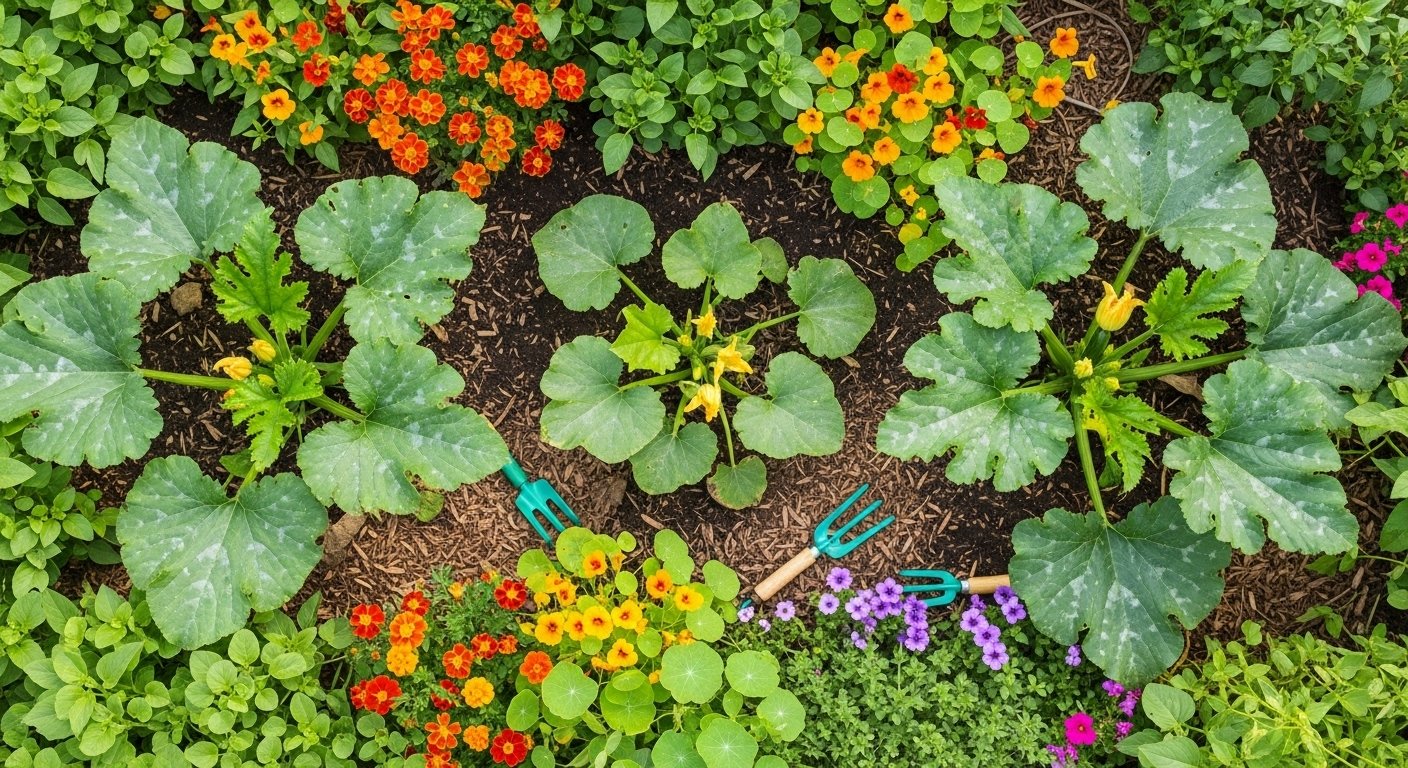
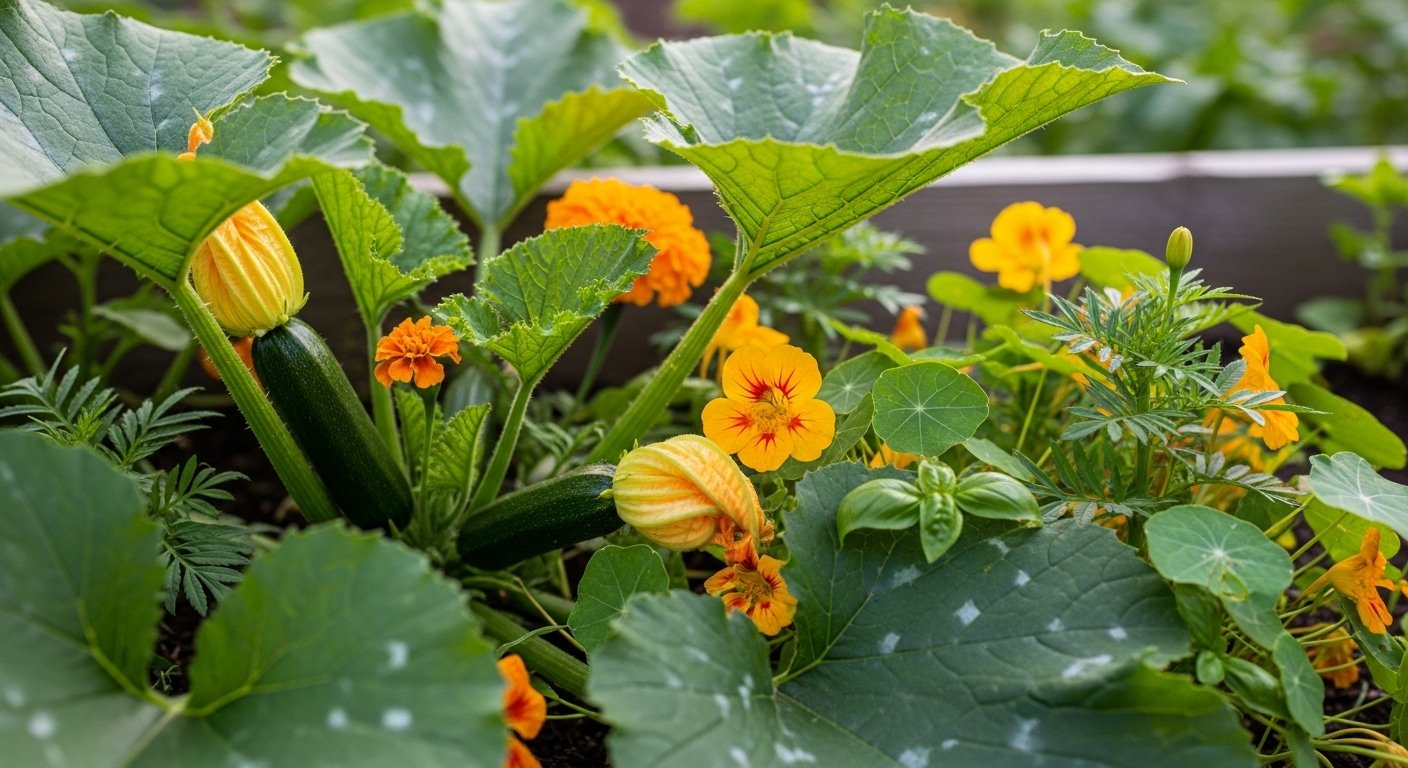
Marigolds planted alongside zucchini discourage harmful insects through their scent, acting as a natural pest control. Similarly, sprawling nasturtiums can act as a trap crop, drawing aphids away from zucchini vines.
The advantages don’t stop with healthier plants—when companion planting is part of your zucchini crop rotation, it can mean less stress for you. Managing pests organically, enjoying higher crop yields, and contributing to sustainable gardening practices all add up to a more rewarding gardening experience without the overwhelm.
Benefits of Companion Planting With Zucchini
Companion planting with zucchini offers several practical benefits that can make your garden healthier and more productive. One big advantage is natural pest control; planting basil, nasturtiums, or marigolds nearby helps deter common zucchini pests like aphids, cucumber beetles, and squash bugs.
In particular, marigolds release a scent that many harmful insects dislike, while nasturtiums attract aphids away from the zucchini. To combat squash vine borers—a notorious zucchini threat—consider adding radishes or onions, which repel these pests with their strong smell.
Enhanced pollination is another key benefit, as zucchini plants need abundant pollinators for plentiful fruit. Flowers like borage, sunflowers, and calendula attract bees and butterflies, helping boost pollination rates and crop yields.
Companion plants can also help fight powdery mildew, a frequent zucchini issue. For instance, planting oregano or thyme increases air circulation and creates a microclimate less friendly to mildew spores, while these herbs also repel insect pests.
Optimizing space is easier with companions like bush beans or peas, which can grow alongside zucchini without competing for resources—the added bonus is that legumes fix nitrogen in the soil, benefiting the zucchini’s growth. Meanwhile, low-growing herbs such as calendula or chives can shade the soil, reduce moisture loss, and suppress weeds, supporting healthier zucchini development.
By thoughtfully combining these companion plants with zucchini, you create a balanced ecosystem that naturally handles many garden challenges, decreases your reliance on pesticides, and maximizes every inch of garden space for a more bountiful harvest.
Best Companion Plants for Zucchini
When planning your zucchini patch, choosing the right companion plants can make a big difference in plant health, pest control, and harvest yield. Legumes like beans and peas work wonders because they’re nitrogen-fixers—these plants team up with special bacteria in their roots to pull nitrogen from the air and store it in the soil, feeding your hungry zucchini and improving overall soil fertility.
Try planting beans or peas alongside or in alternating rows with your zucchini, but be sure to give each plant plenty of space for airflow. Nasturtiums are another favorite companion; they act as a magnet for aphids and cucumber beetles, luring these pests away from your zucchini. Radishes can be sown between zucchini seedlings, where they’ll mature quickly, loosen soil for better root growth, and reportedly even help repel squash vine borers.
Marigolds earn their spot in every vegetable garden, including the zucchini bed, thanks to their ability to deter nematodes and other insect pests with their strong scent—scattered at the edge or in between zucchini plants, they form a natural protective barrier. Don’t forget helpful herbs; basil and oregano can improve zucchini flavor and also attract pollinators, while borage adds minerals to the soil as it decomposes, encouraging strong zucchini growth.
To maximize productivity, try planting zucchini in hills (small mounds) at least three feet apart, then interplant legumes or herbs around the base and tuck in quick-maturing crops like radishes between hills. Fill gaps with flowering companions like nasturtiums and marigolds to add color and keep pests in check. Rotating these companions throughout the season not only keeps your garden lively but helps prevent pest and disease buildup, ensuring your zucchini—and your whole vegetable patch—thrives.
Plants to Avoid Near Zucchini
When planning your zucchini patch, it’s important to avoid planting them too close to certain crops that can stunt their growth or create garden headaches. Steer clear of planting potatoes nearby—these tubers are heavy feeders just like zucchini, meaning they’ll fiercely compete for nutrients and water, often leaving both plants underperforming.
Pumpkins and other vining squash, such as butternut or acorn, are also risky companions for zucchini; not only do they sprawl and tangle, fighting for space, but they can also attract the same pests, like squash vine borers and cucumber beetles, and quickly spread diseases, including powdery mildew.
Corn is another poor choice due to its towering height and high nutrient demand.
To keep your zucchini healthy, opt instead for crops like peas, beans, radishes, or aromatic herbs (think dill, oregano, or nasturtiums), which can actually help repel pests and improve pollination.
If your garden is short on space, try planting incompatible species in different beds or containers, or space them far enough apart to ensure good air circulation. Rotating your crops seasonally also helps prevent disease build-up in the soil.
With a little planning, your zucchini can thrive while avoiding the pitfalls of bad company.
Tips for Successful Companion Planting
Successful companion planting starts with thoughtful garden layout and spacing. When planning your beds, group plants with similar light, water, and soil needs, and avoid packing them too tightly—good air circulation helps prevent disease.
For mixed planting beds, alternate tall and low-growing species to maximize sunlight for all. For example, place tomatoes beside bush beans and let basil or marigolds fill in the gaps underneath.
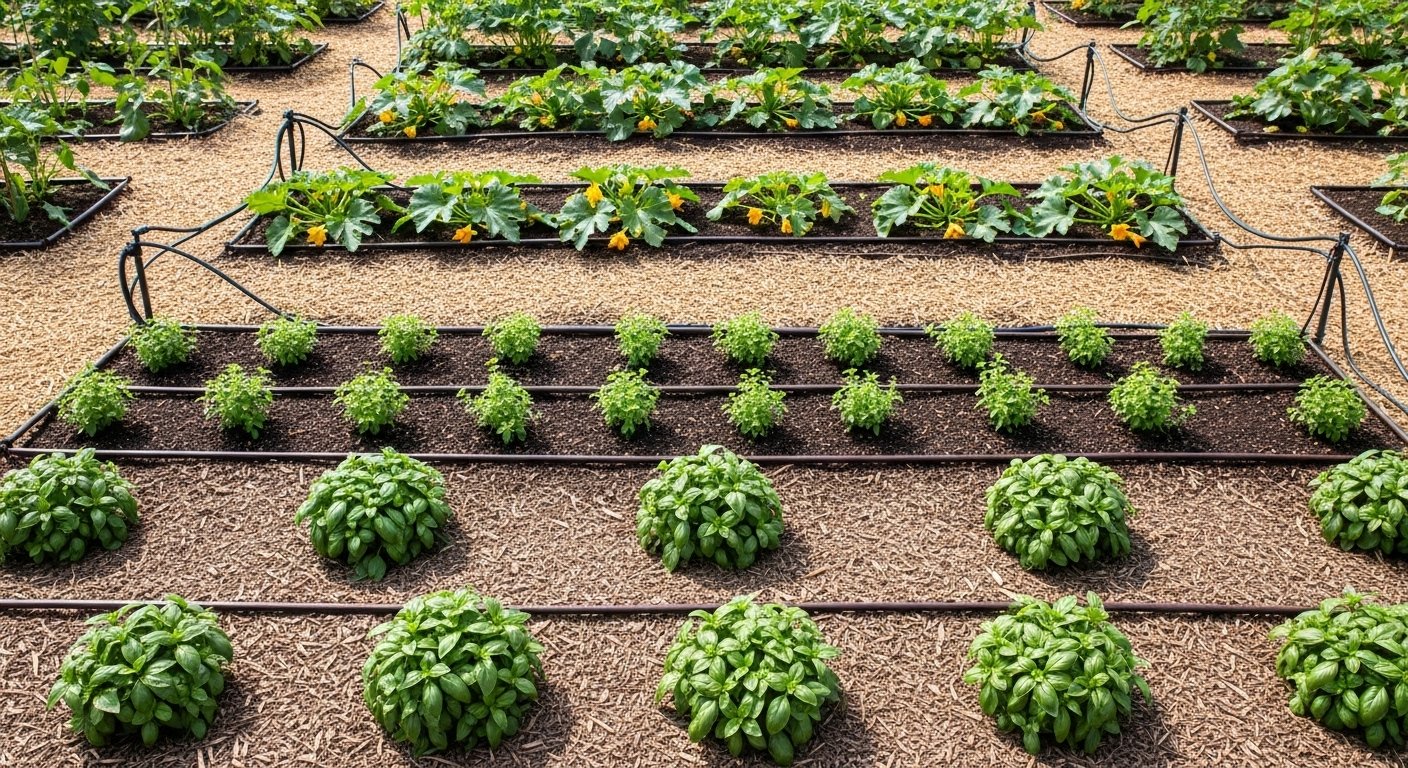
Leave enough space for each mature plant by checking seed packets or plant tags for guidance; a little extra room now can prevent competition later. Reliable watering is key—drip irrigation or soaker hoses provide moisture directly to roots without wetting foliage, which reduces fungal risks.
Adding a layer of mulch, like straw or shredded leaves, keeps soil moist, discourages weeds, and moderates temperatures, especially in beds with diverse plantings.
Monitor your garden regularly for signs of stress: yellowing leaves, stunted growth, or wilting could mean it’s time to thin overcrowded areas, add more mulch, or adjust your watering schedule.
If certain plant pairings don’t thrive, note what’s working and experiment with rearrangements next season. Successful companion planting involves observation and flexibility, so be willing to shift your layout or switch plant partners based on your garden’s evolving needs.
FAQs & Common Mistakes With Zucchini Companions
When it comes to zucchini companion planting, gardeners often ask about the best spacing and which plants make the most helpful neighbors. Aim to give each zucchini plant at least 18-24 inches of space all around—crowding them can stifle growth and encourage disease.
Beans, peas, and nasturtiums are friendly companions, boosting soil health or deterring pests, while potatoes and large-rooted crops can compete for nutrients and should be kept apart.
A common mistake is pairing zucchini with other sprawling vines like cucumbers or melons; these can quickly overrun your garden, resulting in tangled plants and reduced yields.
Pests pose another challenge—while planting marigolds and herbs like basil nearby can help repel beetles, it’s important not to rely solely on companion planting for pest control. Always monitor your plants and use barriers or hand-picking if necessary.
Overwatering is another pitfall; zucchini roots dislike sitting in soggy soil, so check that your garden bed drains well and water only when the top inch of soil feels dry.
Beginners sometimes forget to rotate crops each season, leading to depleted soil and increased pest problems. Make a note to switch planting spots yearly.
In summary, keep zucchini well-spaced, pair them with beneficial plants, avoid plant bullies, and stay proactive about pests and soil health. With a little planning and these basic dos and don’ts, your zucchini patch can thrive—and you’ll avoid the most common beginner blunders.