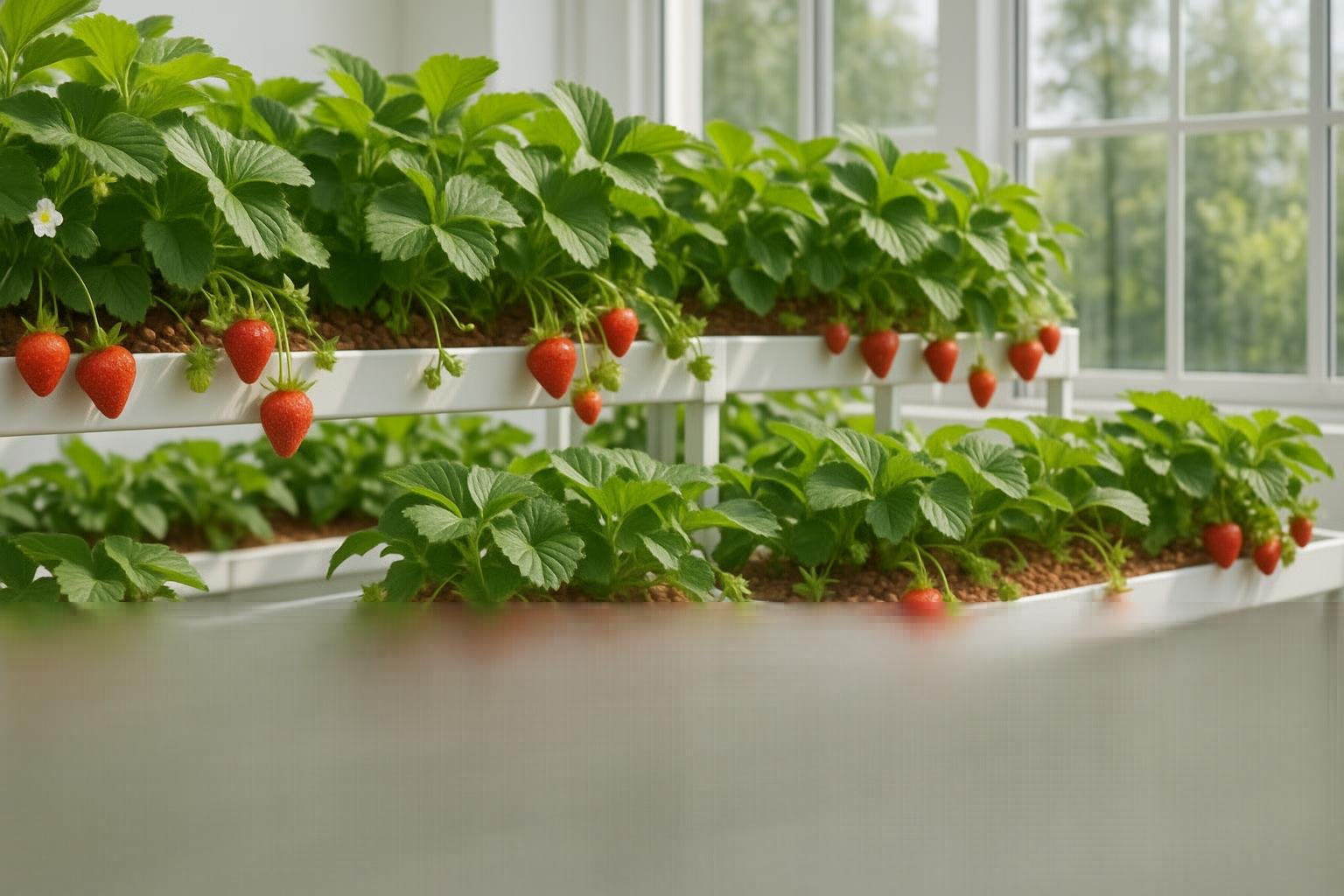
Introduction to Aquaponic and Hydroponic Strawberries
Aquaponic strawberries are quickly gaining attention among gardeners looking for sustainable and innovative ways to grow their favorite fruit. But what exactly does it mean to grow strawberries using aquaponics, and how does this system compare to hydroponics or traditional soil gardening? Let’s break it down:
Aquaponics combines raising fish (aquaculture) with cultivating plants (hydroponics) in a single, closed-loop system. The fish produce nutrient-rich waste, which is naturally transformed by beneficial bacteria into plant food. In return, the plants help filter the water, keeping it clean for the fish.
Hydroponics, on the other hand, involves growing plants in a soilless solution of water and added nutrients, with no fish involved. Both methods completely skip the need for soil, which eliminates many common pests and soil-borne diseases—and that’s just the beginning of their advantages.
Growing strawberries with aquaponics and hydroponics opens up exciting benefits: you’ll enjoy faster growth rates, efficient water usage, and higher yields—even in small spaces like balconies or greenhouses. These systems recycle water, using up to 90% less than traditional gardening. They also let you control nutrients precisely, making it easier to produce sweet, juicy strawberries year-round.
Plus, with global concerns about sustainable food production on the rise, aquaponics and hydroponics are quickly becoming popular options for home growers and urban farmers alike.
In this comprehensive guide, we’ll explore how aquaponic and hydroponic strawberry growing stacks up against in-ground methods, walk you through the setup basics, share best practices for maximizing fruit quality, and address common challenges (and how to solve them). Whether you’re a curious beginner or a seasoned gardener looking to try something new, you’ll find practical tips and real-world examples to help you grow mouthwatering strawberries the sustainable way. Let’s dive in!
Choosing the Right System and Variety for Strawberries
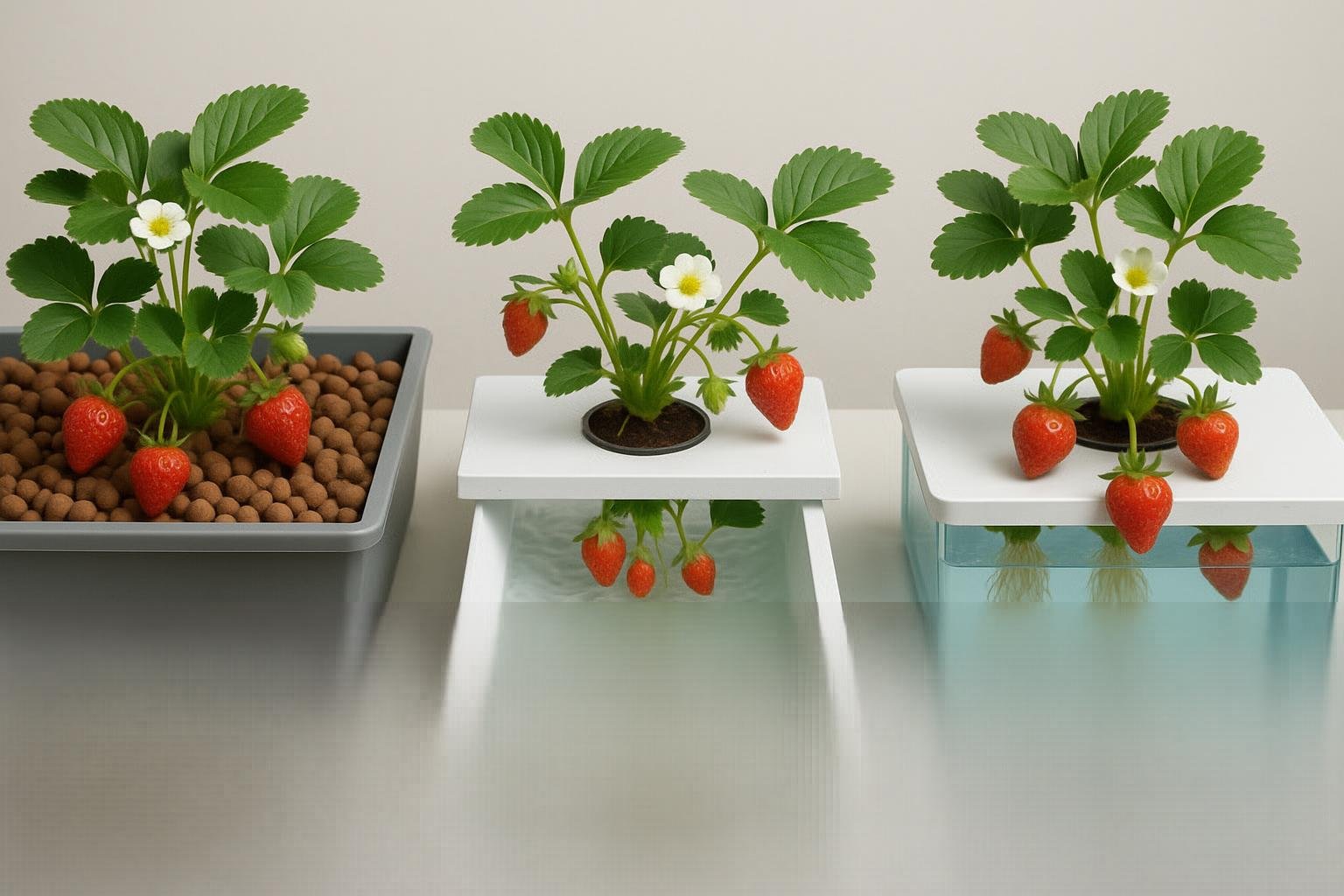
When growing strawberries indoors, picking the right system and variety can make all the difference in both yield and flavor. Aquaponic and hydroponic systems are both popular, but each has unique advantages for strawberries.
Hydroponics typically allows for more control over nutrients and is often chosen for its simplicity and reliability. Strawberries thrive with steady access to well-balanced nutrients, making hydroponics a solid choice, especially for beginners. Aquaponics, on the other hand, integrates fish and plant systems. While it’s eco-friendly and can cut down on fertilizer costs, it’s generally more complex and has a steeper learning curve—though adventurous gardeners might enjoy the extra challenge and sustainability benefits.
System Types
Among system types, media beds are beginner-friendly and forgiving, ideal for small spaces and budgets, as they use gravel or clay pebbles to stabilize roots and buffer watering mistakes. Nutrient Film Technique (NFT) systems, where a thin film of nutrient solution flows over roots, are highly effective for strawberries due to their shallow roots, but NFT setups require precision and are sensitive to power outages or clogs. Deep Water Culture (DWC) suspends plants in oxygen-rich, nutrient-filled water, promoting vigorous growth and large, juicy berries, but it takes up more vertical space and demands a steady electricity supply.
Space and Budget Considerations
Space and budget also play substantial roles. Smaller areas often work best with compact NFT or vertical hydroponic towers, while larger spaces can accommodate extensive media beds or DWC rafts.
Strawberry Varieties
For strawberry varieties, everbearing types like ‘Albion,’ ‘Evie-2,’ and ‘Seascape’ shine in both hydroponic and aquaponic systems because they produce fruit throughout the season, have compact growth, and offer great flavor. ‘Albion’ is praised for its large, sweet fruit and disease resistance, while ‘Evie-2’ and ‘Seascape’ adapt well to indoor setups with steady yields and firm berries perfect for fresh eating.
These varieties also tend to have fewer runners, making them easier to manage in high-density, soilless systems—a critical advantage in maximizing limited indoor growing space.
Essential Growing Conditions for Success
For successful strawberry cultivation, especially in hydroponic or aquaponic systems, maintaining the right environment is crucial.
Start with water temperature: strawberries thrive best between 18°C and 22°C (64°F to 72°F); temperatures that are too warm or too cold can stress the plants or inhibit fruiting. Optimal pH ranges from 5.5 to 6.5—test your water weekly, as strawberries are sensitive to pH fluctuations. Use food-safe buffers to adjust as needed.
Lighting is another key factor: aim for 12–16 hours of bright, indirect light per day, using full-spectrum grow lights rated for at least 200–400 µmol/m²/s of PAR intensity. Too little light results in small, bland berries, while too much can scorch the leaves.
For nutrients in hydroponics, a balanced solution with a ratio close to 1:2:2 (N-P-K) is ideal, supplemented with calcium and magnesium to prevent common deficiencies. In aquaponics, choose compatible fish like tilapia or goldfish, whose waste supports plant growth, but monitor ammonia and nitrate levels carefully—excess amounts can damage strawberry roots.
Unique challenges include root rot (especially in overly wet conditions). Use well-aerated media, ensure proper drainage, and avoid overwatering.
Strawberries need help with pollination indoors; lightly brushing the flowers with a soft brush or running a gentle fan can mimic natural pollinators and boost fruit set.
Humidity should be kept moderate—around 60%—to prevent fungal diseases. Invest in a hygrometer and adjust ventilation as needed.
From the start, design your system for easy temperature, pH, and humidity adjustments: use submersible heaters or chillers for water, programmable timers for lights, and automated environmental sensors if possible. Addressing these factors from the outset minimizes stress on plants and sets you up for sweet, abundant harvests.
Planting, Care, and Troubleshooting
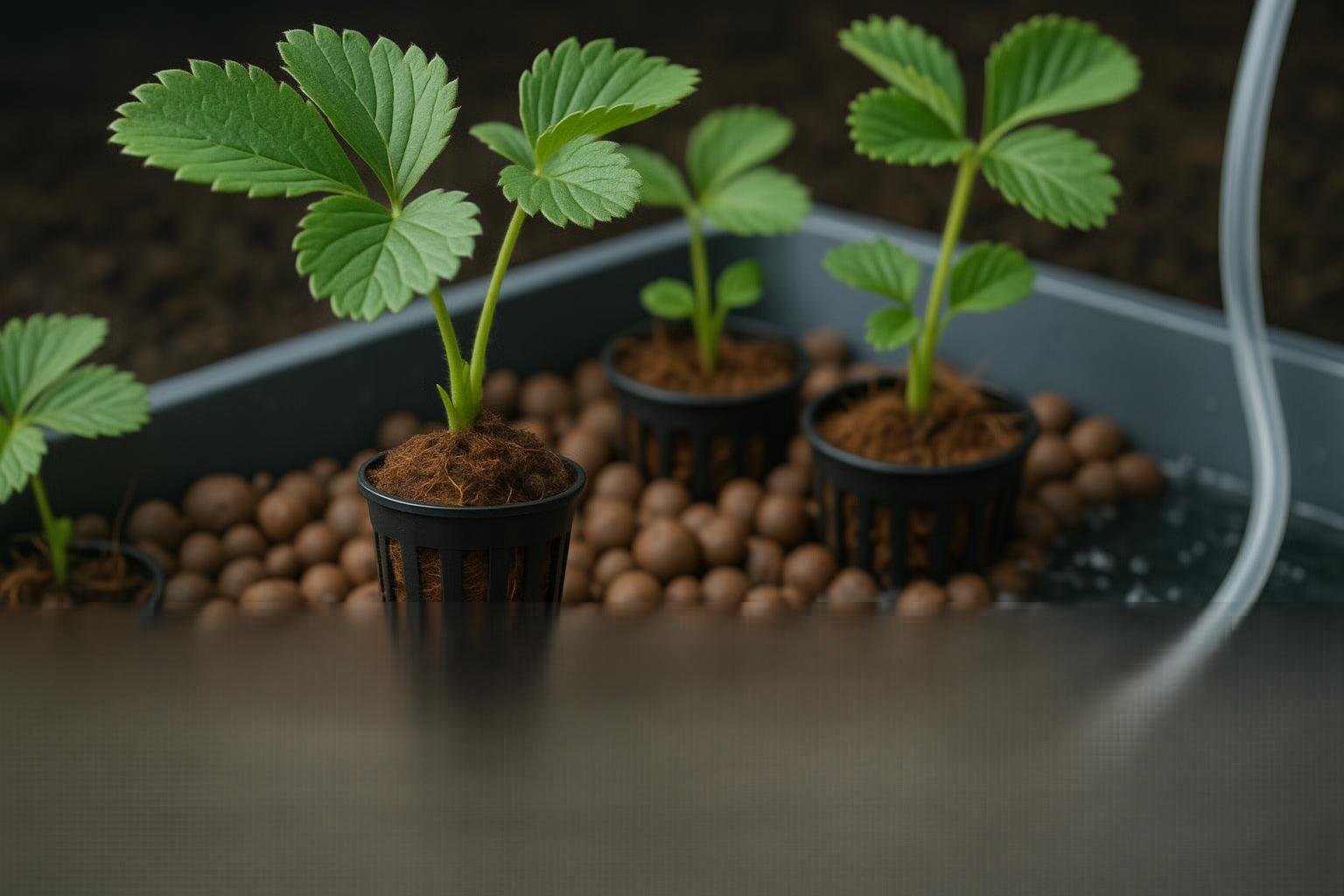
Transplanting seedlings or young plants into aquaponic or hydroponic systems starts with gently removing them from their starter trays, taking care not to damage the delicate roots. Rinse off excess soil or growing medium, then place the plants into net pots or grow cups, securing the roots with a supportive medium like clay pebbles or coconut coir.
For aquaponics, make sure fish tanks and biofilters are running smoothly before introducing plants, as healthy water supports both the plants and aquatic life. In hydroponics, confirm that nutrient solution levels and pH are balanced.
Daily care involves checking water temperatures, ensuring pumps and aerators are functioning, and watching for signs of stress such as wilting or discoloration. Weekly, inspect root systems for browning, sliminess, or unpleasant odors—healthy roots are usually white and smell fresh.
Prune dead or yellowing leaves to encourage new growth and improve airflow, which helps prevent fungal diseases. Regularly examine plants for pests like aphids or spider mites; use insecticidal soap or introduce beneficial insects like ladybugs if infestations occur.
Monitor for common diseases such as powdery mildew or root rot, removing affected areas promptly and improving ventilation or sterilizing equipment as needed. Test water quality at least once a week, paying special attention to pH (most plants prefer 5.5–6.5), ammonia, nitrite, and nutrient levels; fluctuations can signal problems with fish health in aquaponics or nutrient delivery in hydroponics.
Nutrient deficiencies often appear as yellowing leaves (nitrogen), purpling (phosphorus), or leaf edge burn (potassium). Address these issues by adjusting nutrient mixes or supplementing with specific minerals, but always make changes gradually to avoid shocking plants.
If persistent problems arise, double-check filtration systems, clean tubing, and ensure no algae is clogging your setup. With attentive routine maintenance and quick responses to any issues, your aquaponic or hydroponic garden will stay healthy and productive all season long.
Harvesting and Post-Harvest Tips
Knowing the perfect time to harvest strawberries in soilless systems is key for top flavor and quality. Look for berries that are fully red all over—unlike those picked too early, ripe strawberries won’t have white or green tips and they’ll easily slip off the stem with a gentle tug.
It helps to check plants daily during peak season, as strawberries ripen quickly, especially in controlled environments.
For harvesting, grasp the stem just above the berry and pinch or snip with scissors, leaving the green cap attached; this reduces bruising and helps maintain freshness. Avoid squeezing the fruits, which can lead to bruises or mold—using clean, shallow containers for collecting also prevents crushing.
After picking, strawberries should be kept cool; store them unwashed in a single layer in the fridge, ideally in a paper towel-lined container to absorb extra moisture. Washing should happen right before eating, not before storage, to prevent the berries from spoiling faster.
For those wanting a longer picking window, try staggered planting of different varieties or batches—this means sowing seeds or transplants a few weeks apart, so fruit matures in succession rather than all at once, giving you a steady supply of fresh berries.
With these simple steps, you can enjoy sweeter strawberries and a much longer harvest season.
Sustainability and Health Benefits
Growing strawberries at home using aquaponic or hydroponic systems offers a range of environmental and health benefits, making these modern methods especially appealing. First, both systems excel at water conservation; they use only a fraction of the water required in traditional soil-based gardening because water is recycled within a closed loop. This means you can enjoy juicy strawberries while significantly reducing your household’s water footprint—a crucial advantage in areas facing drought or water restrictions.
Additionally, since these systems eliminate the need for heavy-duty pesticides and fertilizers, they help reduce chemical runoff that can harm local ecosystems. When it comes to space, hydroponic and aquaponic setups are compact enough to fit on balconies or rooftops, making them ideal for city dwellers with limited outdoor areas.
Beyond their environmental benefits, these methods produce strawberries that are incredibly fresh and nutrient-packed, since you can harvest and eat them at peak ripeness rather than relying on fruit that’s been stored and transported over long distances. Homegrown strawberries often contain higher levels of antioxidants and vitamins, and you have full control over what goes into your plants, ensuring food safety is not an issue.
Looking to the future, hydroponic and aquaponic strawberry cultivation holds great promise for urban agriculture and food security. As cities expand and farmland decreases, these compact, sustainable systems can deliver consistent, healthy food supplies directly to urban communities, reducing the need for shipping and minimizing carbon footprints. Even schools and community centers are getting involved, turning strawberry-growing projects into hands-on lessons in sustainability and nutrition.
Whether you’re motivated by eco-consciousness, health, or simply the joy of picking your own fruit, integrating these smart growing techniques can make a real difference both personally and within your community.