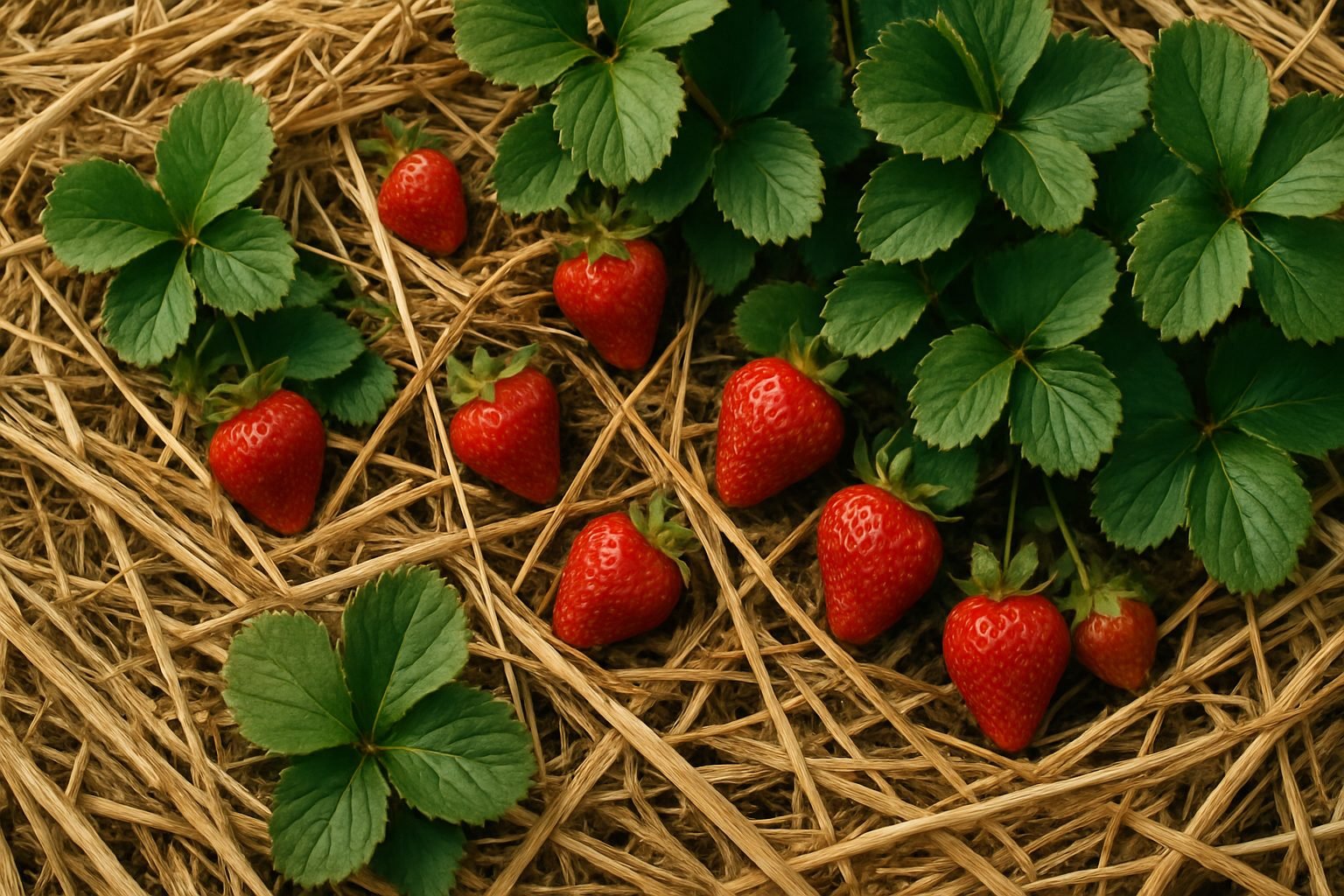
Why Mulching Is Essential for Strawberries
Mulching strawberries is more than just a gardening trick—it’s an essential practice for anyone hoping to enjoy healthy plants and abundant fruit. When you add a layer of mulch, whether it’s straw, fallen leaves, or another natural material, you’re giving your strawberries a line of defense against some of the most common issues gardeners face.
One major advantage is weed suppression. Mulch acts as a natural barrier, blocking sunlight and stopping weeds before they can take over your berry patch. This means your strawberry plants don’t have to compete as fiercely for water, nutrients, or space, giving them a better opportunity to thrive.
Moisture retention is another big win when mulching strawberries. The protective layer helps the soil hold onto moisture by slowing down evaporation. During those hot summer days—or if you live in an area where rain is unpredictable—this can be the difference between stressed-out plants and lush, productive ones. You’ll find yourself watering less often, and you’re less likely to lose plants to drought.
Mulch also shields your strawberries from extreme temperature swings. Soil that’s covered stays warmer during cool nights and cooler on blazing afternoons. This gentle insulation translates to stronger root development and fewer shocks that can stunt growth. As a bonus, the mulch stops ripening berries from sitting directly on damp soil, which reduces the risk of rot, mold, and slug or insect damage.
The cumulative effect of mulching strawberries is not just healthier plants but also a bigger, tastier harvest. In commercial farms and backyard gardens alike, well-mulched strawberries consistently outperform their uncovered counterparts. If you’re hoping for plump, clean, and flavorful berries, investing a little time into mulching is one of the best things you can do for your strawberry patch.
The Best Mulch Materials for Strawberries
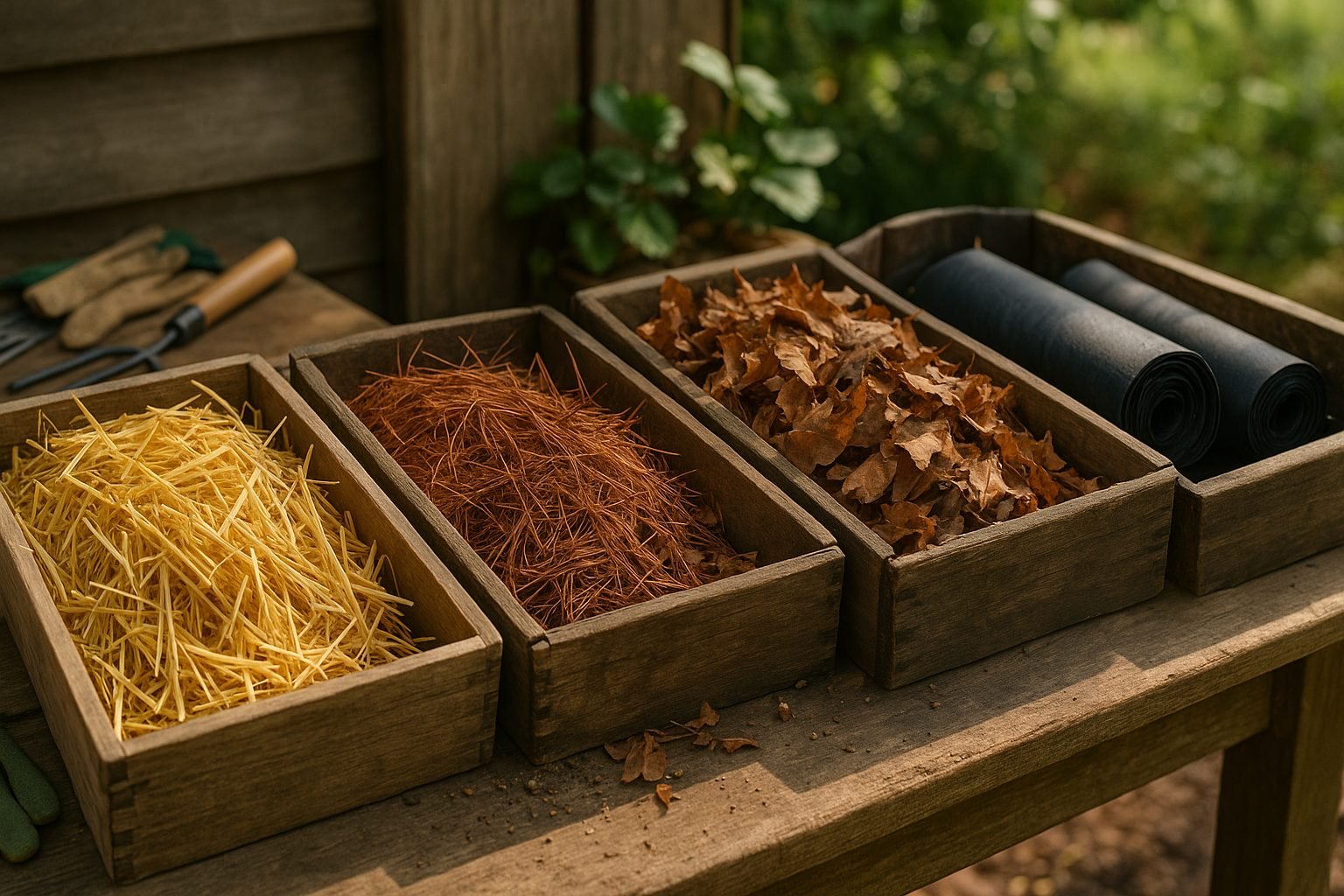
When choosing the best mulch for your strawberries, it’s important to weigh the pros and cons of each option based on your climate and gardening goals.
Straw remains a classic choice because it’s inexpensive, widely available, and organic. Plus, it keeps berries off the soil and deters slugs—though it can harbor weed seeds if not sourced carefully.
Pine needles, or “pine straw,” offer excellent drainage and slightly acidify the soil, which strawberries love. However, pine straw may break down slower than regular straw and can blow away in windy areas.
Black plastic mulch heats the soil quickly, promoting an earlier fruit harvest, suppressing weeds, and keeping berries clean. On the downside, it doesn’t add nutrients and can overheat plants in very hot climates, so it’s best for cooler northern regions.
Shredded leaves are eco-friendly and readily available in autumn. They provide a boost of organic matter as they decompose, but wet leaves can mat down and foster fungus if applied too thickly.
Choose organic mulches like straw or leaves if you want to naturally enrich the soil, especially in mild climates or gardens that benefit from improved soil health. If disease management or early harvest is your priority and you live in a cooler area, black plastic might be the way to go.
No matter your choice, avoid using grass clippings treated with herbicides, dyed mulches, or stones—these can leach toxins or overheat the roots, harming your strawberry plants.
Ultimately, the best mulch balances your local weather, soil needs, and personal preferences. Experiment with small batches until you find your strawberry patch’s sweet spot.
When and How to Apply Mulch to Strawberry Beds
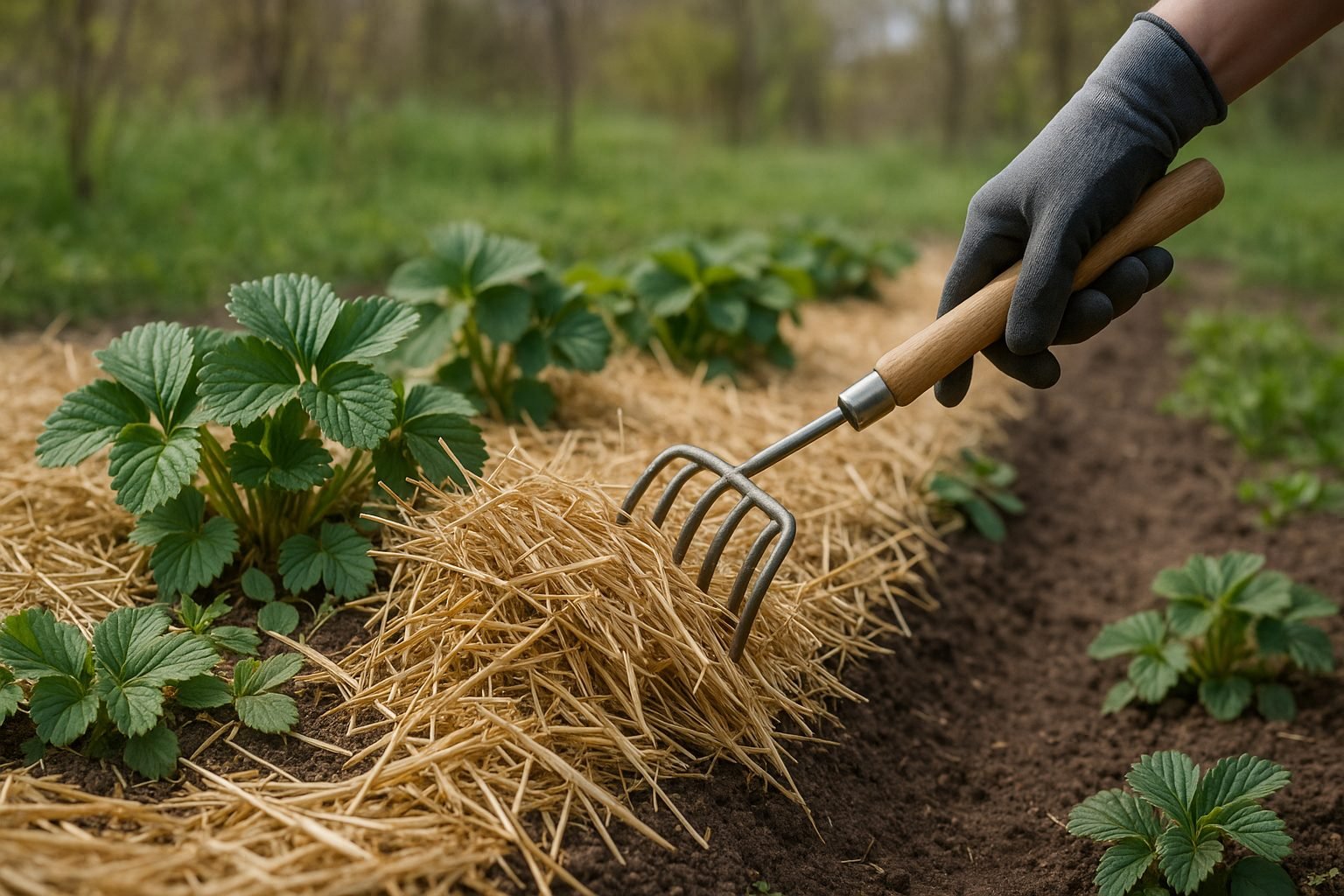
The best time to mulch your strawberry beds is after several hard frosts in late fall, usually when nighttime temperatures are consistently below freezing and the plants have started to go dormant. This timing helps protect strawberry crowns from fluctuating winter temperatures, which can cause freeze-thaw cycles that damage the plants.
To mulch properly, start by gently clearing away any weeds or debris, then choose a loose, insulating material like clean straw, pine needles, or chopped leaves. Spread the mulch evenly in a layer about four inches thick, making sure to cover all the plants but not smother their crowns; you want to insulate, not suffocate. Avoid piling mulch right up against the center of each plant, as this can lead to rot.
For the most even coverage, lay the mulch in handfuls and fluff it up as you go—this helps keep air pockets that further insulate and prevent matting.
In spring, once the danger of hard frost has passed, gradually pull the mulch back from the crowns to allow new growth to emerge, but keep it handy in case of a sudden cold snap. This careful approach helps overwinter your strawberries successfully and sets the stage for a healthy, productive harvest.
Maintaining and Removing Mulch: Seasonal Tips
As the seasons shift, adjusting your mulch becomes key to keeping your strawberry plants healthy. In early spring, once the threat of hard frost has mostly passed and you notice your strawberry plants pushing new green growth, gently rake back or thin the winter mulch—like straw or pine needles—so the plants can warm up and grow while still being protected from late chill.
Avoid removing all the mulch at once; instead, gradually uncover the crowns so they don’t get shocked by a sudden temperature swing. If you notice the mulch appears soggy, moldy, or has a musty smell, it’s likely too wet, which can encourage disease—spread it out so it can dry, or replace it with fresh, clean material.
In the fall, add a thick layer (about 3–4 inches) after the first hard frost to shield strawberries from winter damage. Watch for pests like slugs, which sometimes nest in moist mulch; if you spot leaf damage or slime trails, thin the mulch and consider using crushed eggshells as a deterrent.
Regularly fluffing and checking your mulch each season helps keep your strawberries strong and reduces the risk of common problems.
Common Questions and Expert Tips on Mulching Strawberries
When mulching strawberries, a layer about 2 to 3 inches thick is ideal; this shields roots from temperature swings and conserves moisture without suffocating the plants.
Many gardeners wonder if compost can work as mulch—it can, but it’s best used sparingly or combined with straw or pine needles to prevent heavy matting and allow air to circulate.
A common pitfall is piling mulch right up against the crowns of the plants, which can invite rot; leave a small ring around each plant clear.
For healthier berries, use clean straw, wood chips, or pine needles, and refresh your mulch annually after harvest or at the start of the growing season.
Don’t fall for the myth that mulch harbors pests year-round; while it can provide some shelter, the benefits—like suppressing weeds, maintaining even soil moisture, and keeping berries off wet ground—far outweigh the risks.
As a bonus, try tucking in a thin layer of mulch after fruit set to protect ripening strawberries from soil splash and slugs.
Finally, watch for signs of slugs or excess fungus, and swap out or thin the mulch if you spot issues.
With these strategies, mulch can be a simple but powerful tool for a thriving strawberry patch.