Introduction
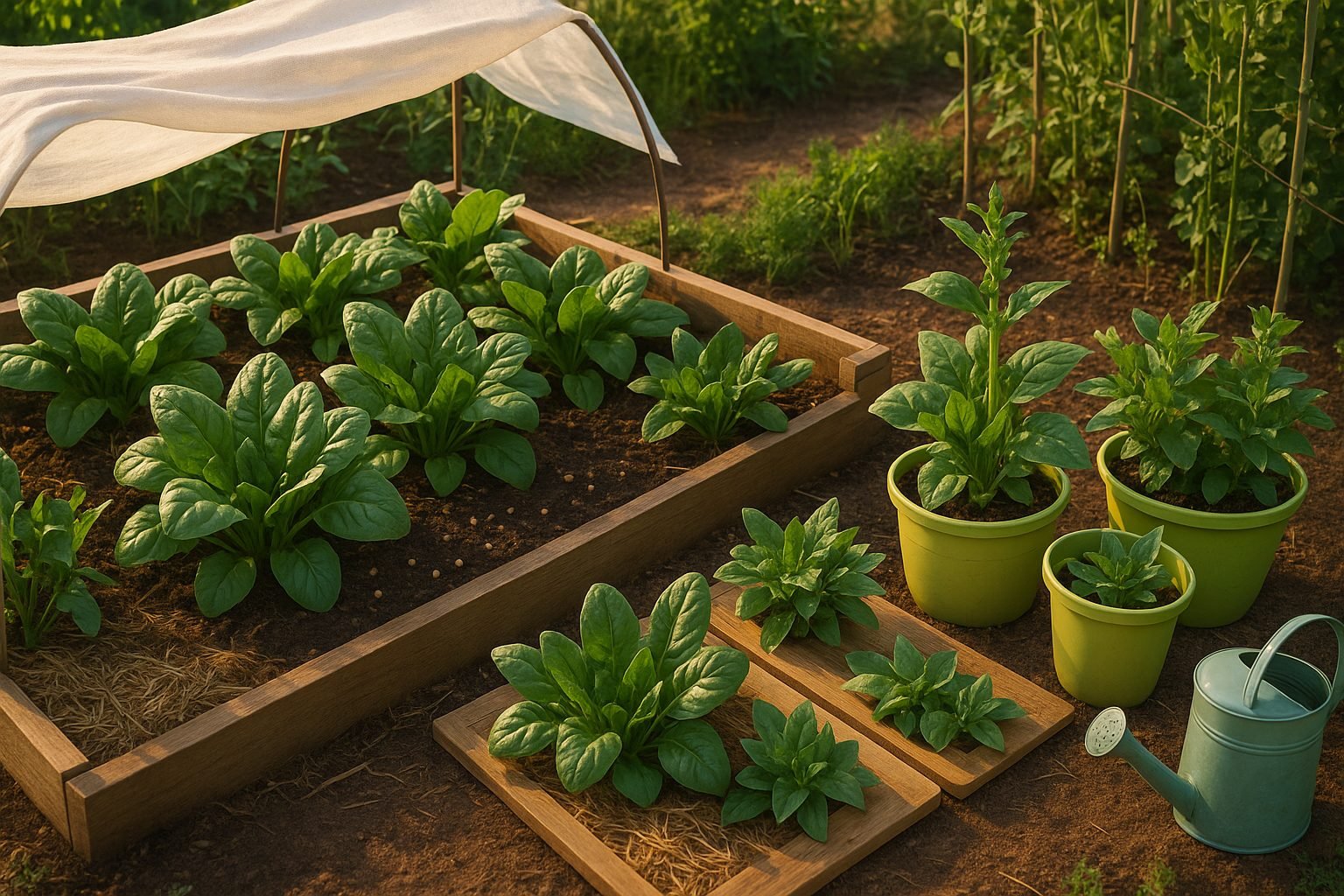
If you’ve ever tried growing spinach in hot weather, you probably know how tricky it can be to keep those tender leaves thriving through summer. Spinach in hot climates often bolts quickly, producing flowers and bitter leaves instead of staying lush and green. That’s because spinach is naturally sensitive to heat—once temperatures rise above 75°F (24°C), most varieties shift their energy from leaf growth to seed production, which can leave gardeners frustrated when craving fresh greens during the warmer months.
But don’t give up on your spinach dreams just yet! With the right strategies, it’s absolutely possible to grow spinach—even in summer—by choosing heat-tolerant varieties, providing proper shading, optimizing soil moisture, and timing your planting carefully. This article will walk you through all these key tips, from recommended cultivars to practical ways to create microclimates, so you can enjoy homegrown spinach in hot climates all summer long.
Whether you’re a seasoned gardener in the South or simply want to stretch your leafy vegetable season, we’ll share real-world advice and easy-to-follow tricks to boost your spinach success—even when the sun is scorching.
Choosing the Right Spinach Varieties for Summer
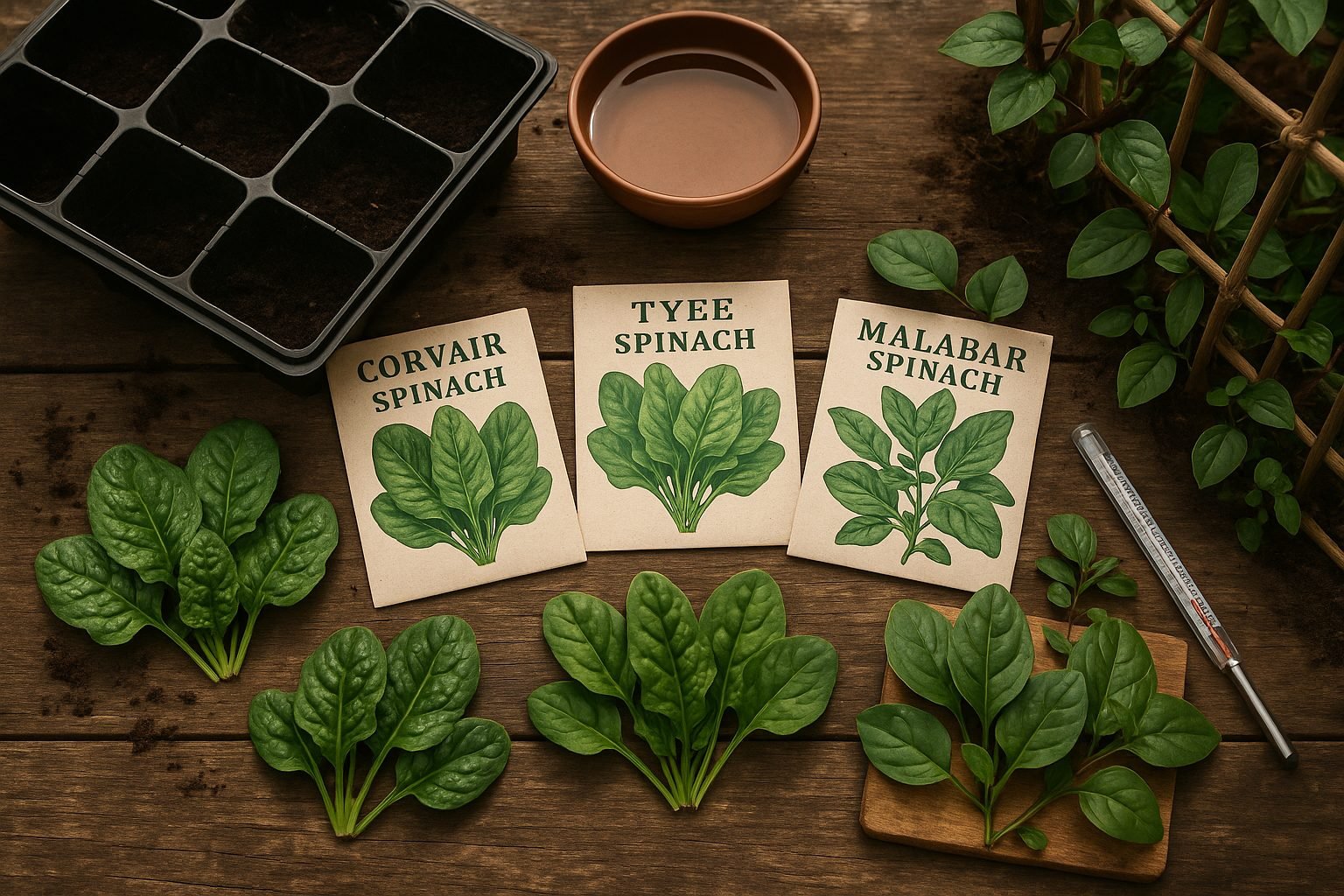
Growing spinach during the heat of summer can be a challenge, as traditional varieties like Bloomsdale often bolt quickly and turn bitter in warm weather. To keep your salads and sauté pans stocked, it’s essential to choose heat-tolerant spinach varieties specially bred for hotter conditions.
Look for options like ‘Corvair’, which offers smooth leaves and a mild flavor, or ‘Tyee’, known for its resistance to bolting and slightly crinkled, sturdy leaves. Another favorite, ‘Space’, grows upright and resists common spinach diseases while maintaining sweetness even as temperatures rise.
If you find spinach still struggling in the heat, consider alternative greens that thrive all summer long:
- Malabar spinach – a vining plant that loves humidity and heat, with thick, glossy leaves perfect for fresh eating or light cooking.
- New Zealand spinach – not a true spinach but delivers a comparable taste with fleshy, triangular leaves that stay tender through the hottest months.
You can find seeds for these varieties and alternatives at well-stocked local nurseries, garden centers, or reputable online seed suppliers like Johnny’s Selected Seeds and Baker Creek Heirloom Seeds. When buying, be sure to check that the variety is labeled as heat-tolerant and pay attention to germination instructions—many summer spinach types benefit from soaking seeds overnight or starting in the cool of early morning for best sprouting.
By choosing the right greens and sourcing your seeds carefully, you can enjoy homegrown “spinach” flavor even when summer heat is at its peak.
Preparing and Positioning Your Growing Space
Getting your growing space ready starts with the soil—aim for a crumbly texture that’s neither too sandy nor heavy with clay so roots can breathe and expand. Good drainage is key; puddles or soggy spots usually indicate soil compaction, so consider mixing in some compost or coarse organic matter to improve structure and water flow.
Check your soil’s pH—most vegetables prefer 6.0 to 7.0—and adjust it by adding lime (to raise pH) or sulfur (to lower it) if needed. For summer gardening, protect plants from blazing heat by choosing a semi-shaded spot or stretching up shade cloth during the hottest part of the day; this helps reduce plant stress and wilting.
When it comes to where to plant:
- In-ground beds retain moisture better but can become heat sinks if placed against concrete or walls.
- Raised beds heat up and dry out fastest, so mulch generously and water more often.
- Containers offer flexibility to move plants into more favorable conditions, but choose light-colored pots to prevent overheating.
Finally, make sure your space has good airflow by keeping beds apart and avoiding cramped corners—stagnant air makes heat build-up and fungal problems more likely. With a little planning, you can set up a thriving, stress-resilient summer garden.
Sowing, Planting, and Watering Techniques
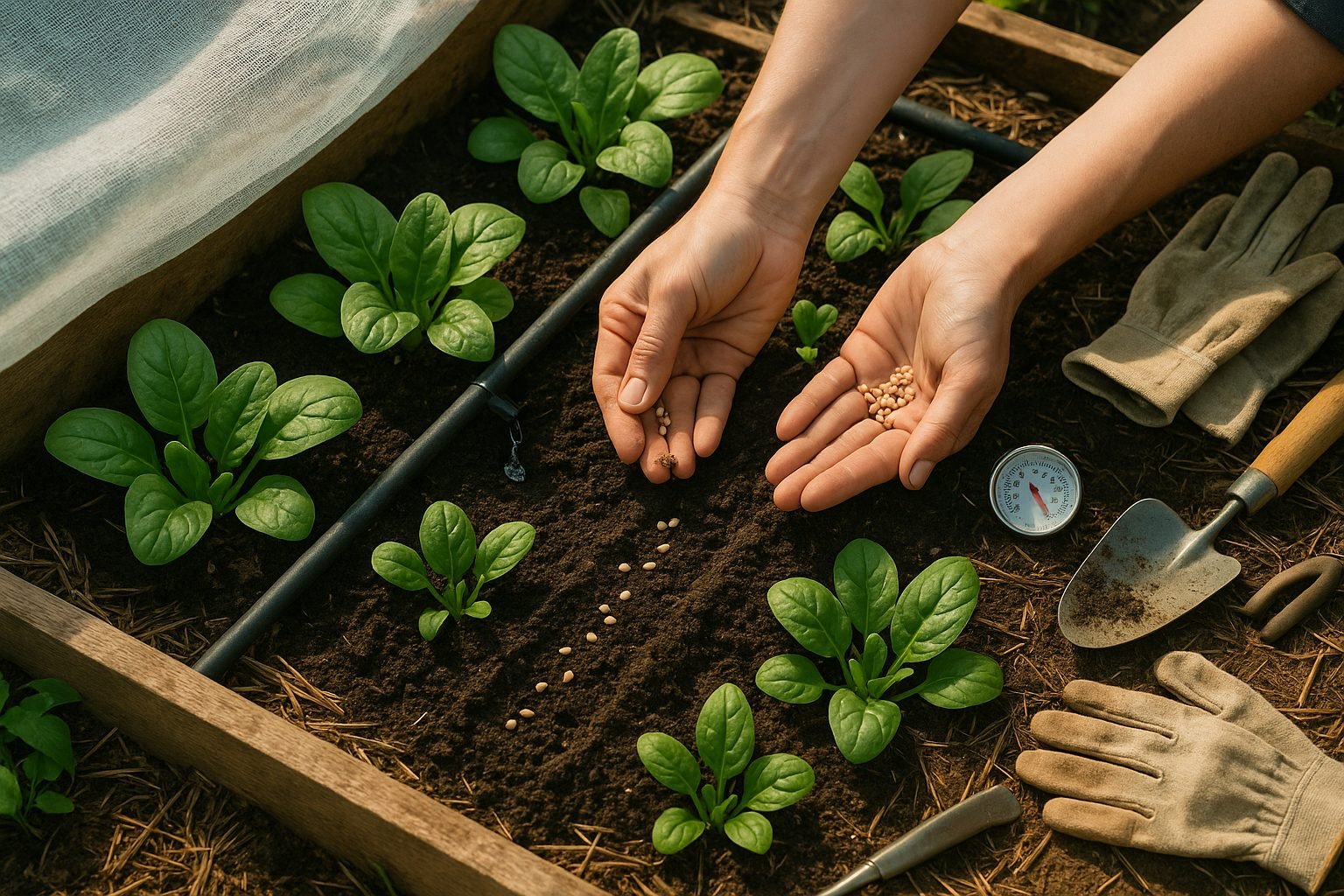
For the healthiest and most vigorous summer plants, timing and technique matter. Aim to sow seeds in the early morning or late afternoon when temperatures are cooler; this helps prevent heat stress during sensitive sprouting stages. Most summer seeds germinate best when soil temperatures range from 60°F to 75°F—invest in a simple soil thermometer to check before planting, especially if you’re starting early in the season.
Deciding between direct sowing or indoor starting comes down to your local climate and plant preferences. Direct sowing is simpler and less labor-intensive but can expose seeds to unpredictable weather and pests. Indoor starting offers more control and a head start, though it requires transplanting and extra equipment.
Whichever you choose, closely follow the instructions on your seed packet for spacing and planting depth. Crowding seedlings can stunt growth and lead to disease. A good rule of thumb is to plant seeds at a depth about twice their size and thin seedlings as they grow, aiming for the recommended final spacing.
To keep soil consistently moist and cool, water deeply in the morning or evening rather than midday. Use a soaker hose or drip irrigation to avoid wetting leaves, which reduces the risk of fungus, and lay mulch around seedlings to further insulate the soil and retain moisture.
By combining precise planting methods with smart watering strategies, your summer garden will get off to its healthiest start.
Maximizing Spinach Care During Hot Weather
Caring for spinach through hot summer days requires a few smart strategies to keep your plants healthy and productive. Start by applying a layer of organic mulch—such as straw, chopped leaves, or grass clippings—around your spinach. This acts like a protective blanket, helping the soil retain moisture, stay cooler, and reduce water evaporation.
When it comes to watering, stick to a consistent schedule. Aim to water early in the morning before the sun gets harsh, making sure the soil stays evenly moist but not soggy. Avoid letting it dry out too much between waterings, as stressful swings can cause the plants to bolt, or produce seeds prematurely.
For feeding, use a balanced, slow-release fertilizer at the start of the season, and side-dress with compost during growth to supply steady nutrients without overdoing it.
Monitoring for Heat Stress
Watch for signs of heat stress like wilting leaves, slowed growth, or yellowing. If you notice these, protect your plants with shade cloth or garden umbrellas during the hottest part of the day. Since bolting is often triggered by prolonged heat, choose heat-tolerant spinach varieties and harvest leaves regularly to encourage new growth.
Pest and Disease Management in Summer
Summer also brings pests like aphids and leaf miners, along with diseases such as downy mildew. Check the undersides of leaves for bugs or eggs, and use insecticidal soap or neem oil if needed. For fungal issues, water at the base of the plant and ensure good airflow to minimize moisture on the leaves.
With these tactics, you can greatly improve your spinach’s resilience and harvest during hot weather.
Harvesting Spinach in Summer: What to Expect
Harvesting spinach in summer requires careful timing to ensure the best quality and keep your plants productive. The ideal moment to pick spinach is when the leaves are young, tender, and about three to four inches long—typically before temperatures climb above 75°F. Heat can cause leaves to become tough and bitter.
To harvest for ongoing yields, use the “cut and come again” method: snip only the outer leaves about an inch above the soil, allowing the center to keep producing new growth. Try to harvest early in the morning when the leaves are most hydrated and crisp, which helps maintain flavor and improves shelf life.
As summer progresses, watch for signs of bolting (when the plant sends up a flower stalk). This signals the end of quality leaf production and leads to even more bitter, thicker leaves. Using shade cloth or companion planting with taller crops like beans can help keep spinach cooler, delaying bolting and extending your harvest window.
Regular watering without creating soggy soil also helps reduce summer stress and encourages leaf regrowth. Remember, spinach flavor and texture can change quickly in the heat—harvest frequently and promptly for salads, and save any thicker, mature leaves for cooked dishes where a slightly stronger taste is an asset.
By staying vigilant and responsive to the weather, you’ll enjoy sweet, tender spinach longer, even in the challenging summer months.
Troubleshooting Common Summer Spinach Problems
Growing spinach during the summer can be tricky, but knowing how to tackle common problems makes all the difference. One frequent issue is bolting, when spinach sends up flower stalks and turns bitter in response to too much heat or long days.
To slow bolting, try mulching around your plants to keep roots cool and water more often, especially during heatwaves.
Another headache is yellowing leaves, often caused by uneven moisture, poor soil nutrients, or overcrowding. Ensure your spinach has enough space—thin seedlings to about 4 inches apart—and use compost or an organic fertilizer to keep the soil healthy.
Pests like aphids and leaf miners also love summer spinach. For aphids, blast them off with a strong jet of water or introduce ladybugs if you have a larger garden. Pick off and destroy any affected leaves to keep leaf miners at bay.
If the heat gets overwhelming and problems persist, don’t hesitate to replant a fresh batch in a shadier spot or switch to more heat-tolerant greens like New Zealand spinach or Malabar spinach that thrive in summer conditions.
By staying proactive and flexible, you’ll enjoy healthy greens all season long.