Selecting the Best Zucchini Varieties for Containers
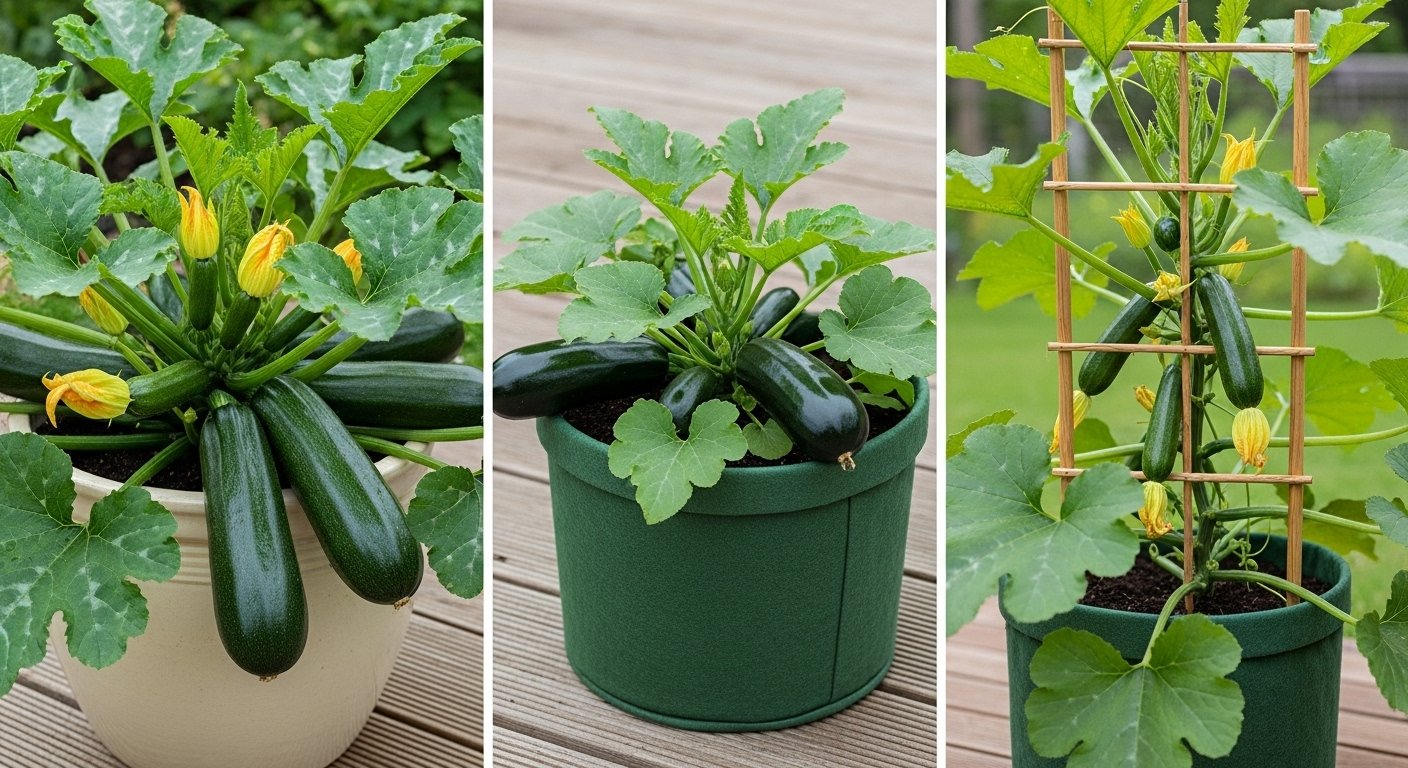
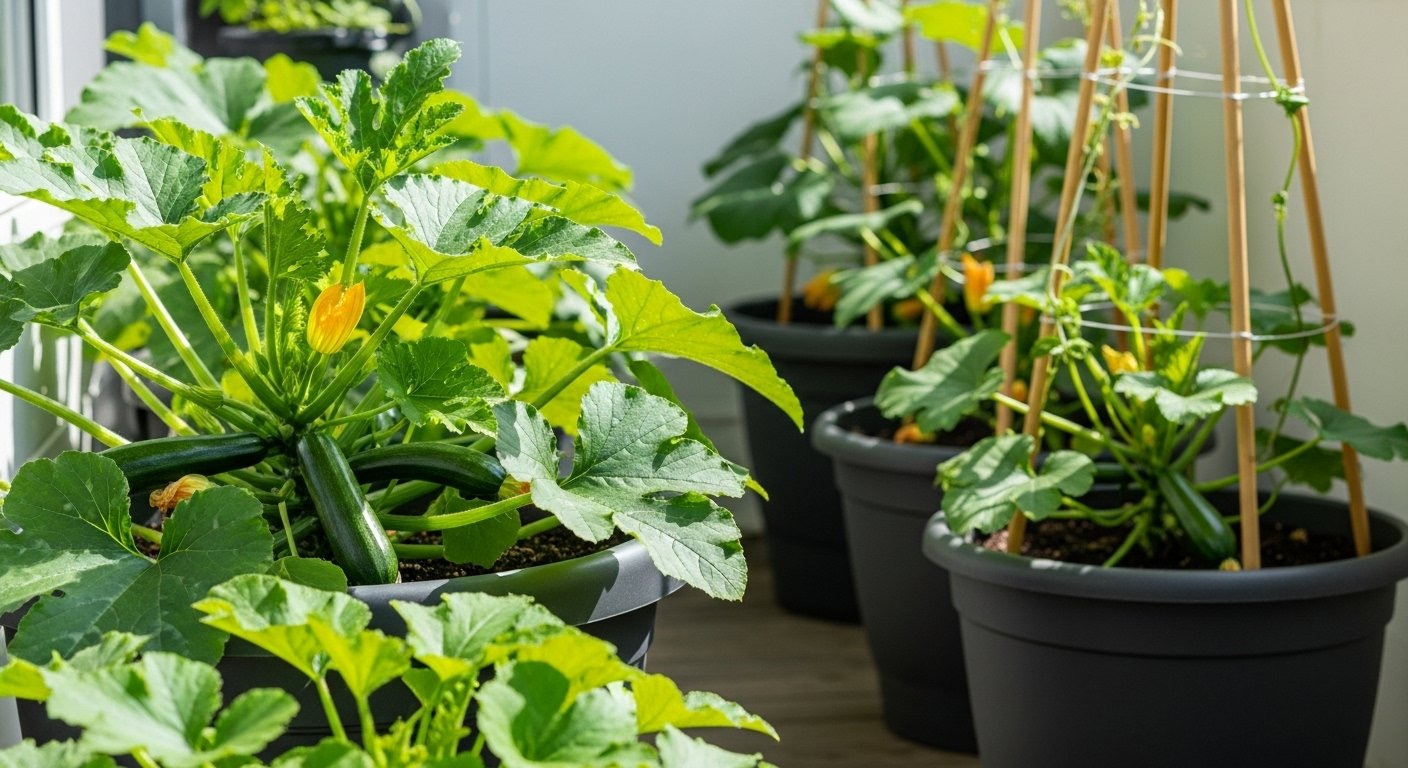
Growing zucchini in pots is a fantastic way for gardeners with limited space—like those on balconies or patios—to enjoy a bountiful harvest of this versatile veggie. But to succeed, it all starts with choosing the right zucchini varieties for containers. Compact, bush, or even climbing zucchini types are ideal for pot culture because they’re bred to stay manageable and productive without sprawling out of control.
Unlike traditional zucchini plants that can take over garden space, bush varieties like ‘Black Beauty’ produce full-sized, tender fruits while remaining tidy and contained. ‘Black Beauty’ is a classic choice for containers, offering dark-green, glossy zucchinis with good disease resistance and a reliable yield.
Another top choice is ‘Raven’, a compact hybrid known for its extra-early production and stunning deep green fruits. Its small, bushy habit keeps things neat and easy, whether you’re gardening on a patio or porch. For those with vertical space to spare, climbing or vining types—such as certain heirloom Italian varieties—can be grown up a sturdy trellis for a unique, dramatic container display. These require a bit more maintenance with staking and training but reward you with a steady, prolonged harvest and an appealing green “wall.”
Ultimately, your choice of zucchini for pots greatly impacts garden efficiency and enjoyment. Compact and bush types make for low-fuss maintenance—less pruning, simpler watering, and easier pest control. They’re perfect for small planters and tight spaces. Climbing zucchinis, while requiring more attention and a larger container, can boost yield per square foot and make the most of your vertical space. In every case, thoughtful selection leads to less hassle and more zucchini on your plate—showing that big harvests really can come from small spaces.
Preparing Your Pots and Soil
Choosing the right pot is crucial for healthy zucchini plants, which have robust roots and need plenty of space. Aim for a container that’s at least 18 inches wide and 12 inches deep—bigger is even better if you have room. This allows roots to spread and retains moisture without becoming waterlogged.
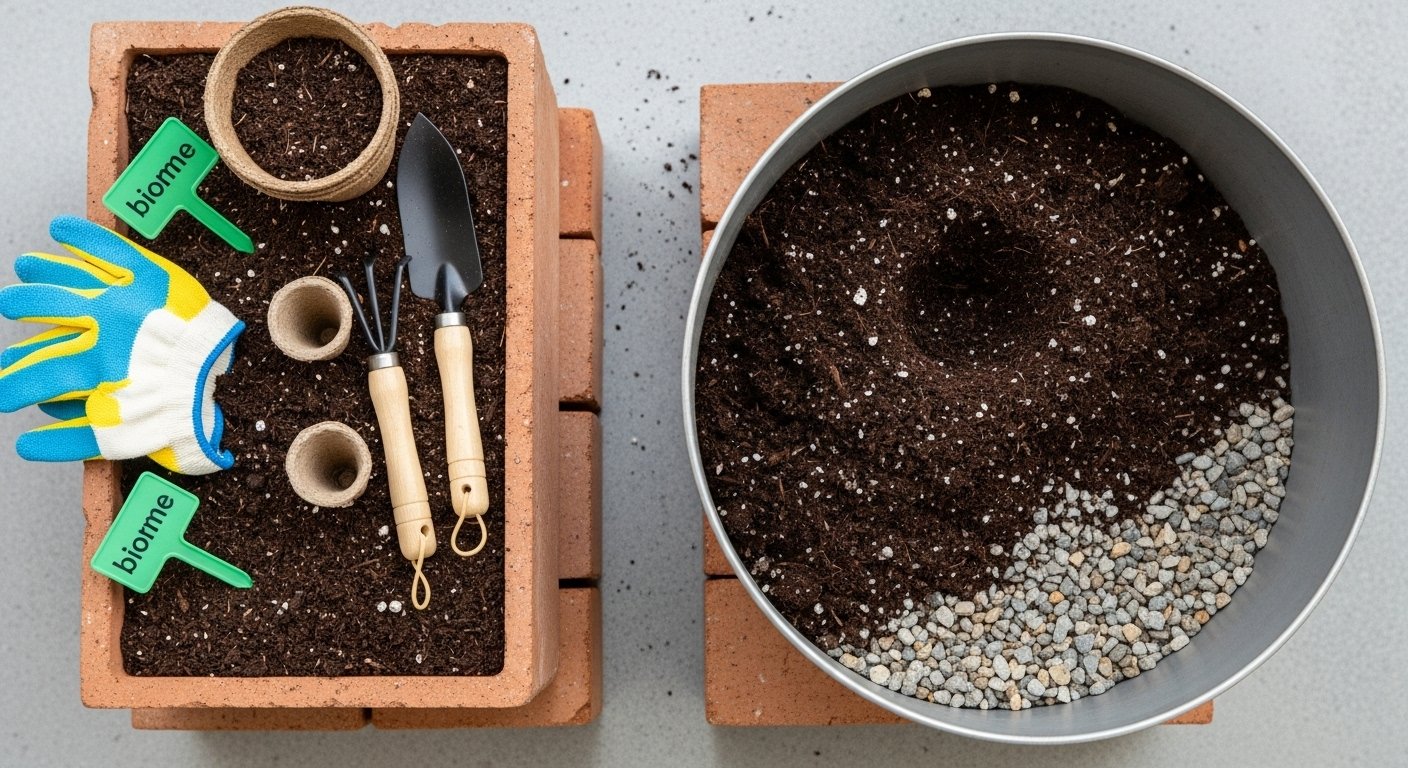
Look for pots made from durable materials like thick plastic, ceramic, or fabric grow bags; each offers different benefits, but all must have drainage holes in the bottom. Good drainage is non-negotiable—zucchini roots quickly rot in soggy soil, so consider adding a layer of gravel or broken pottery at the base to increase airflow.
Use a high-quality potting mix, not garden soil, since it’s lighter and promotes good drainage. Mix in a few handfuls of compost or well-rotted manure to add nutrients and organic matter, which supports healthy growth and flowering.
Before planting, water the soil thoroughly to settle it, then plant seeds or seedlings at the recommended depth (about 1 inch deep for seeds). Elevate your pots slightly with bricks or pot feet so excess water can drain freely, and always water at the base to avoid wetting the leaves—this helps prevent fungal diseases.
Rotate your pots every week to ensure even sun exposure and discourage pests. Keep an eye out for signs of crowding—zucchini leaves grow big fast, so if roots are poking through the drainage holes, consider repotting into a larger container.
By setting your zucchini up with the right pot, rich amended soil, and careful placement, you’ll give them the healthiest start possible and help prevent many common problems down the road.
Planting Zucchini in Containers
For lush, productive zucchini plants in containers, timing and setup are key. Wait to sow seeds or transplant seedlings until outdoor temperatures consistently stay above 60°F (15°C)—typically late spring is ideal, as zucchini thrive in warm soil and don’t tolerate frost.
Use pots at least 18-24 inches wide and deep, filled with rich, well-draining potting mix. Sow two seeds an inch deep in the center of the pot, then thin to one strong seedling after they sprout. Alternatively, transplant one healthy seedling per container to avoid overcrowding. If you’re using a large rectangular planter, keep at least 24 inches between each plant for good airflow.
For climbing zucchini, insert a sturdy trellis or stakes at planting time and guide the vines upward as they grow—this keeps fruit off the soil and saves patio space. With bush varieties, place containers in the sunniest spot possible and regularly rotate them if sunlight is uneven. These compact types are perfect for smaller decks or balconies.
Regular watering, feeding every couple of weeks with a balanced fertilizer, and monitoring plant size will ensure your container zucchini grows vigorously and yields tender summer squash all season long.
Container Zucchini Care: Watering, Feeding, and Sunlight
Caring for zucchini in containers starts with getting the watering right—these plants like consistently moist soil, but not soggy roots. Aim to water your zucchini deeply about two to three times each week, adjusting based on the weather; hot, windy days may require more frequent watering. You’ll want to provide enough water to soak several inches down—try about one to two inches of water total per week.
Signs of overwatering include yellowing leaves and constantly wet soil, while underwatered zucchini will wilt, and the soil will pull away from the pot’s edges.
For feeding, use a balanced, water-soluble fertilizer (like a 10-10-10 or 20-20-20) every two to three weeks once seedlings have their first set of true leaves. Scatter a slow-release fertilizer in the soil at planting time to give your zucchini a good start, then supplement with liquid feedings as the plant grows—don’t overdo it, as too much fertilizer can lead to lush leaves but fewer fruits.
Sunlight is also crucial: zucchini need at least 6-8 hours of direct sunlight daily. If your patio or balcony doesn’t get consistent sun, move or rotate your plant pots every few days to ensure all sides get exposure. Watch for shaded spots as the sun shifts through the seasons; portable containers make adjusting easy.
With these simple habits, you’ll keep your container zucchini healthy, productive, and ready to harvest all summer long.
Managing Pests, Diseases, and Common Problems
Growing zucchini in containers can reduce some garden pests, but challenges like squash bugs, aphids, and fungal diseases such as powdery mildew may still occur. Squash bugs hide under leaves and suck plant sap, causing wilting and yellow spots. Powdery mildew shows up as a whitish film on leaves, which can stunt growth and lower yields.
To prevent these pests and diseases, inspect your plants every few days. Turn leaves over to spot bugs and check for early signs of disease. Remove any dead or yellowing foliage promptly to improve airflow and reduce fungal risks. Pruning overcrowded leaves also maximizes sunlight exposure and makes it harder for bugs to hide.
For organic control, try these methods:
- Spray plants with a homemade solution of water and a few drops of mild dish soap to deter aphids.
- Use neem oil as a natural pesticide that’s safe for containers.
- Hand-pick squash bugs and destroy their eggs by crushing clusters found on the undersides of leaves.
If powdery mildew appears, mix one tablespoon of baking soda in a gallon of water and spray it on the leaves—always testing on a small area first.
Good watering habits also help prevent disease. Water at the soil level and stick to a morning schedule to keep leaves dry and reduce stress on the plants.
By combining these strategies and staying vigilant, you can keep your container-grown zucchini healthy and productive with minimal chemical use.
Harvesting and Maximizing Yield
For the best flavor and ongoing harvests, pick zucchini when they’re still young and tender—usually between 5 to 7 inches long. Letting them grow too large can cause tougher skin, seedy insides, and slow future fruit production. Use a sharp knife or garden shears to carefully cut the stem about an inch above the fruit to prevent damage to both the plant and the developing zucchini.
To keep yields high, harvest regularly; frequent picking actually encourages the plant to produce more blossoms. If you’re growing zucchini in pots, pay special attention to spacing—limit one plant per large container (at least 15-20 gallons) to avoid overcrowding, which can lead to poor airflow, increased disease, and smaller crops.
For even better results, try companion planting in larger containers. Adding bush basil or nasturtium alongside your zucchini not only conserves space but also helps repel common pests like aphids and squash bugs. Plus, basil can subtly boost your zucchini’s sweetness. Marigolds are another great container companion, working as a natural insect repellent and adding pops of color.
Just make sure companion plants won’t smother your zucchini or compete too heavily for nutrients; choose shallow-rooted, compact herbs and flowers that thrive in close quarters. With these techniques, you’ll enjoy a continuous harvest of delicious, healthy zucchini all season long.