Introduction
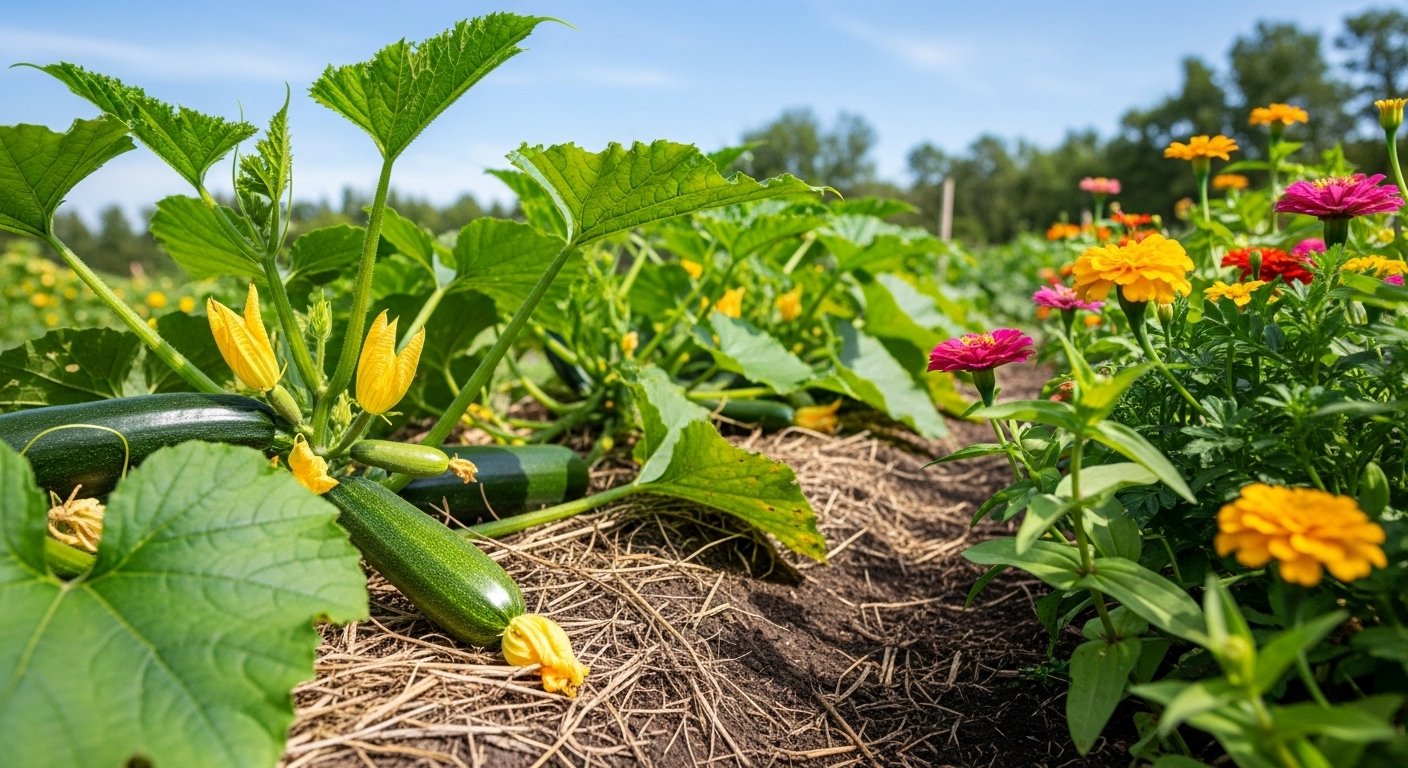
If you’ve ever scratched your head over blossom end rot ruining your anticipated zucchini harvest, you’re not alone. Many gardeners pour energy into nurturing their zucchini, only to watch healthy-looking fruits develop black, sunken spots at the blossom end. This common frustration doesn’t stop with zucchinis; similar issues affect cucumbers, causing fruits to shrivel, rot, or fail to grow altogether.
There’s nothing more disheartening than seeing your carefully tended plants struggle despite your best efforts. But don’t worry—solving these problems is possible with the right knowledge. In this article, we’ll explain exactly why blossom end rot and other growth issues happen in zucchinis and cucumbers. More importantly, you’ll learn practical steps to prevent them, from soil amendments to proper watering rhythms. Get ready to troubleshoot your garden and help your cucurbits thrive, turning frustration into the satisfaction of a healthy, bountiful harvest.
Common Pollination Problems
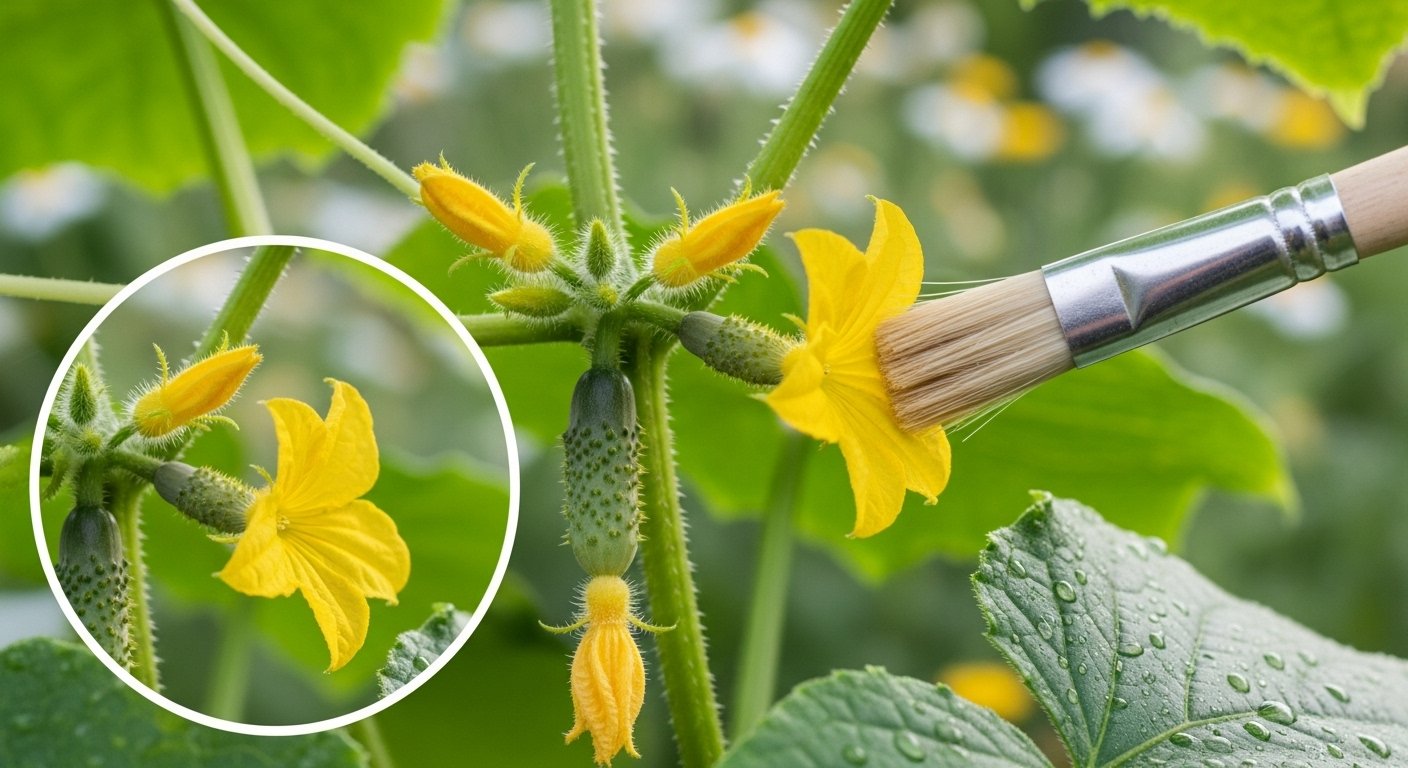
Pollination is crucial for cucumbers because it helps flowers develop into healthy, full-sized fruits. Without adequate pollination, you might notice several issues, such as misshapen, stubby cucumbers or fruits with one end pointed and the other fat. Another common sign is when flowers drop before fruits even form, indicating they weren’t properly pollinated.
These problems often occur if there aren’t enough bees and other pollinators visiting your garden. To attract more pollinators, try planting flowers like marigolds, zinnias, or sunflowers near your cucumbers, and avoid using pesticides during bloom. You can also make your garden more welcoming to bees by providing a small water source and leaving some wild areas undisturbed.
If natural pollination isn’t enough, hand-pollination is a simple backup method: use a soft brush or cotton swab to transfer pollen from the bright yellow male flowers (which have no tiny fruit at their base) to the female flowers (which have a small cucumber behind the petals). Gently touch the inside of each flower, moving pollen to help nature along. This hands-on approach can save your crop and ensure you harvest plenty of straight, healthy cucumbers.
Blossom End Rot and Unhealthy Fruits
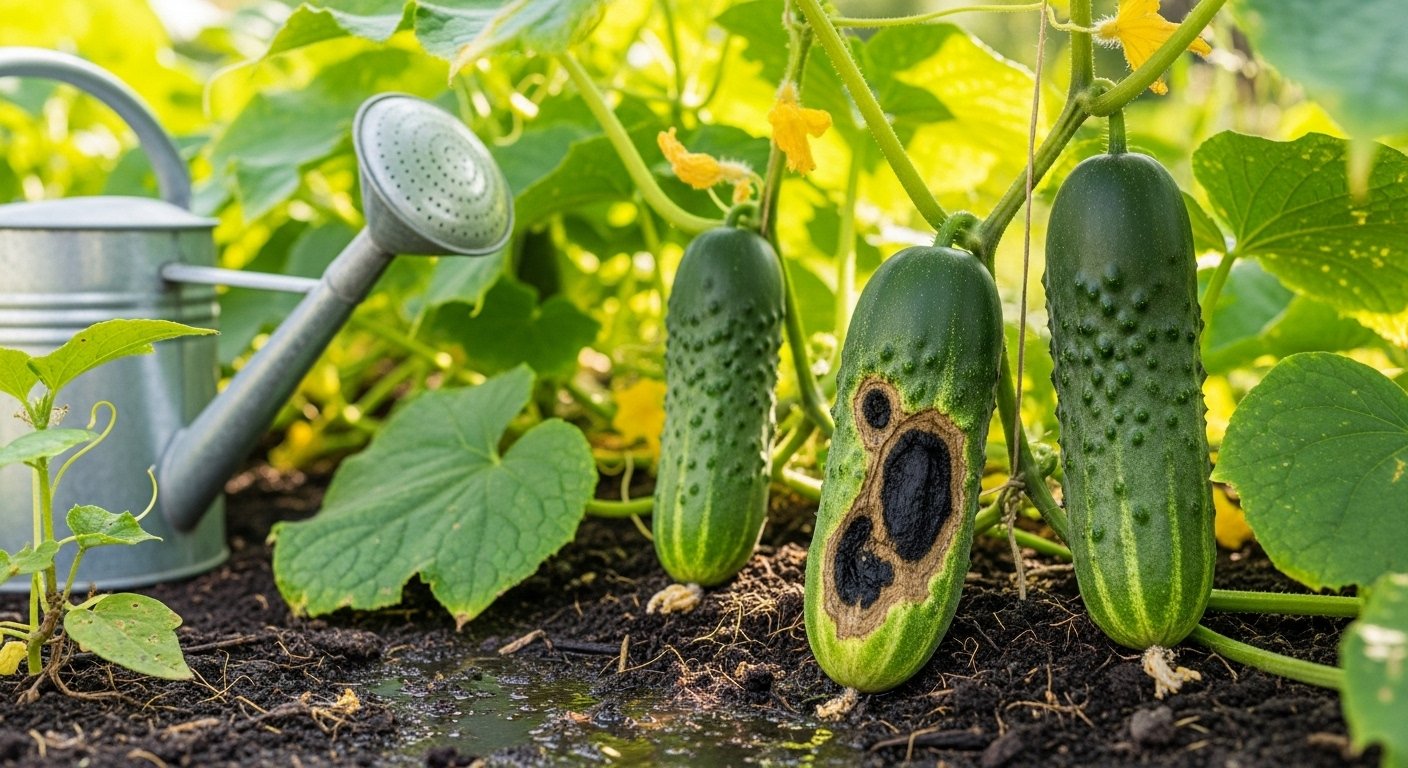
Blossom end rot is a common disorder that affects cucumbers and other fruits like tomatoes and peppers, causing dark, sunken spots to develop at the blossom (bottom) end of the fruit. Early signs include small water-soaked lesions that quickly enlarge, turning brown or black and causing the tissue to become soft and leathery.
While the fruit might otherwise look healthy, these blemishes make it unappetizing and prone to early decay. The main culprit behind blossom end rot is calcium deficiency within the developing fruit, often triggered not by a lack of calcium in the soil, but by inconsistent watering habits.
Periods of drought followed by heavy watering, or letting soil dry out between waterings, disrupt the plant’s ability to take up enough calcium.
Prevention Tips
- Keep soil consistently moist—not soggy—by watering deeply once or twice a week, especially during hot weather.
- Mulch around your cucumber plants to retain moisture and regulate soil temperature.
- Test your soil before planting to ensure adequate calcium levels.
- Avoid using high-nitrogen fertilizers, which can worsen the problem.
Following these practices will help you grow plump, blemish-free cucumbers ready for your summer salads.
Soil Health, Fertilization, & pH
Healthy soil is the foundation for vigorous cucumber plants, and achieving this starts with balanced nutrition and the right pH. Cucumbers thrive in slightly acidic to neutral soil, ideally with a pH between 6.0 and 7.0—this range helps the plants absorb nutrients efficiently.
When soil pH drifts too high or low, cucumbers can struggle with yellow leaves, stunted growth, or poor yields even if fertilizer is applied. Common soil issues like compaction—where soil becomes hard and roots can’t spread—also limit water and nutrient uptake. Nutrient imbalances, such as too much nitrogen or not enough potassium, can result in lots of leaves but few fruits or disease-prone plants.
To prevent these problems, start with a simple soil test, available at garden centers or through extension services, to check pH and nutrient levels. If pH is off, use lime to raise it or sulfur to lower it, following package directions.
For fertilization, mix in compost for long-term health and use a balanced fertilizer (like 10-10-10) at planting and again when vines start to run. Mulching can reduce compaction and retain moisture.
Healthy, well-fed soil makes for sturdy, productive cucumbers, so invest a little time up front for big harvest rewards.
Watering Issues
Cucumber plants are sensitive to watering habits, and both overwatering and underwatering can cause problems. If you notice yellow, wilted leaves, a mushy stem base, or stunted growth, overwatering could be the culprit—roots suffocate when constantly soggy. On the flip side, underwatered cucumbers may droop, develop dry, brittle leaves, or produce oddly shaped, bitter fruits.
Consistent moisture is vital because cucumbers have shallow roots and grow rapidly, especially in hot weather; fluctuations cause stress and poor fruit development. A good rule is to water deeply at soil level once or twice a week, more often in high heat, aiming to keep the soil evenly moist but not waterlogged.
Applying a layer of mulch, like straw or chopped leaves, helps retain moisture and regulate soil temperature, reducing watering frequency and minimizing weed competition. This simple step can significantly boost both plant health and cucumber harvest.
Temperature & Sunlight Requirements
Cucumbers thrive best when temperatures consistently hover between 70°F and 85°F and receive 6–8 hours of direct sunlight daily. Planting them too early—while the soil is still cool or nighttime temperatures drop below 60°F—often results in slow growth, yellowing leaves, and fewer fruits.
Sudden cold snaps or late spring frosts can damage young seedlings, so wait to plant until all danger of frost has passed and the soil feels warm to the touch—usually a few weeks after your area’s average last frost date.
On the flip side, shaded spots or less than 6 hours of sunlight lead to weak, leggy vines and poor yields. Choose a sunny patch in your garden with plenty of airflow, or use containers that can be moved to follow the sun throughout the day.
If unexpected chilly nights are forecast, protect your young cucumber plants with row covers or even a simple sheet overnight.
Pest & Disease Challenges
Cucumber crops face several common pests, including cucumber beetles, which leave yellow speckled holes in leaves and transmit bacterial wilt, and aphids—tiny green insects that cluster on new growth, causing sticky residue and curled leaves.
Watch for powdery mildew—a white, powdery coating on leaves—and downy mildew, which appears as yellow angular spots. Both are fungal diseases that can stunt or kill your plants. Bacterial wilt, marked by sudden vine wilting, is another key threat.
To prevent these issues, rotate crops annually and avoid overhead watering to reduce moisture that encourages fungi. Introduce beneficial insects like ladybugs to control aphid populations naturally, and cover young plants with row covers to deter beetles.
Promptly remove and dispose of infected plant material, and choose disease-resistant cucumber varieties whenever possible. Regular garden inspections and early intervention go a long way in keeping cucumber plants healthy and productive.
Quick Troubleshooting Checklist & Final Tips
If your cucumbers aren’t growing, start by checking soil moisture—it should be consistently damp but not soggy. Make sure your plants are in full sun for at least six hours a day, and inspect leaves for signs of pests or disease.
Confirm that you’re using balanced fertilizer and spacing plants well to ensure good airflow. Don’t get discouraged; cucumbers are resilient and can bounce back with a bit of extra care.
If issues persist, reach out to a local garden center or extension service, or join an online gardening forum for tailored advice. With patience, you’ll be harvesting fresh cucumbers soon!