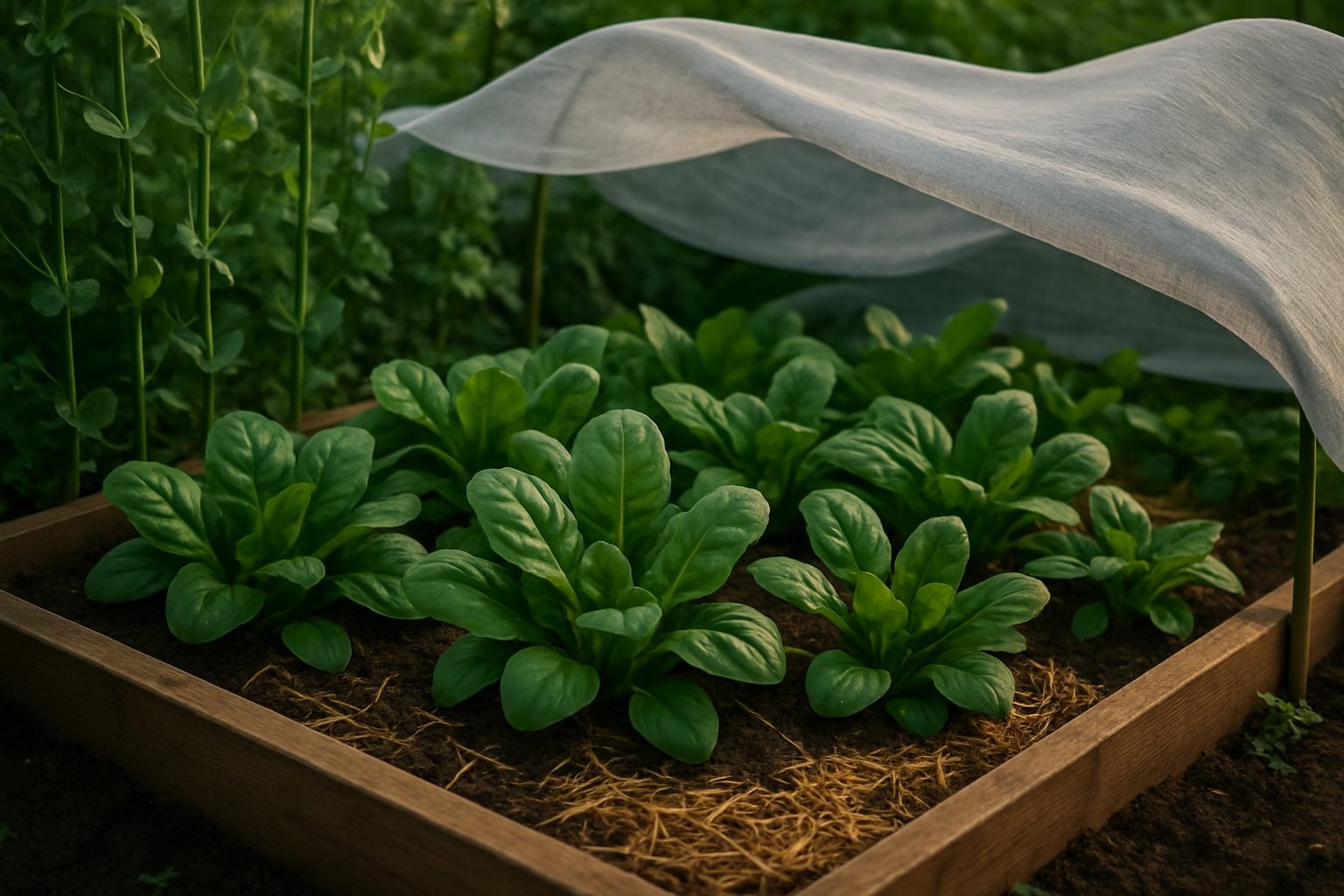
Understanding Spinach Bolting
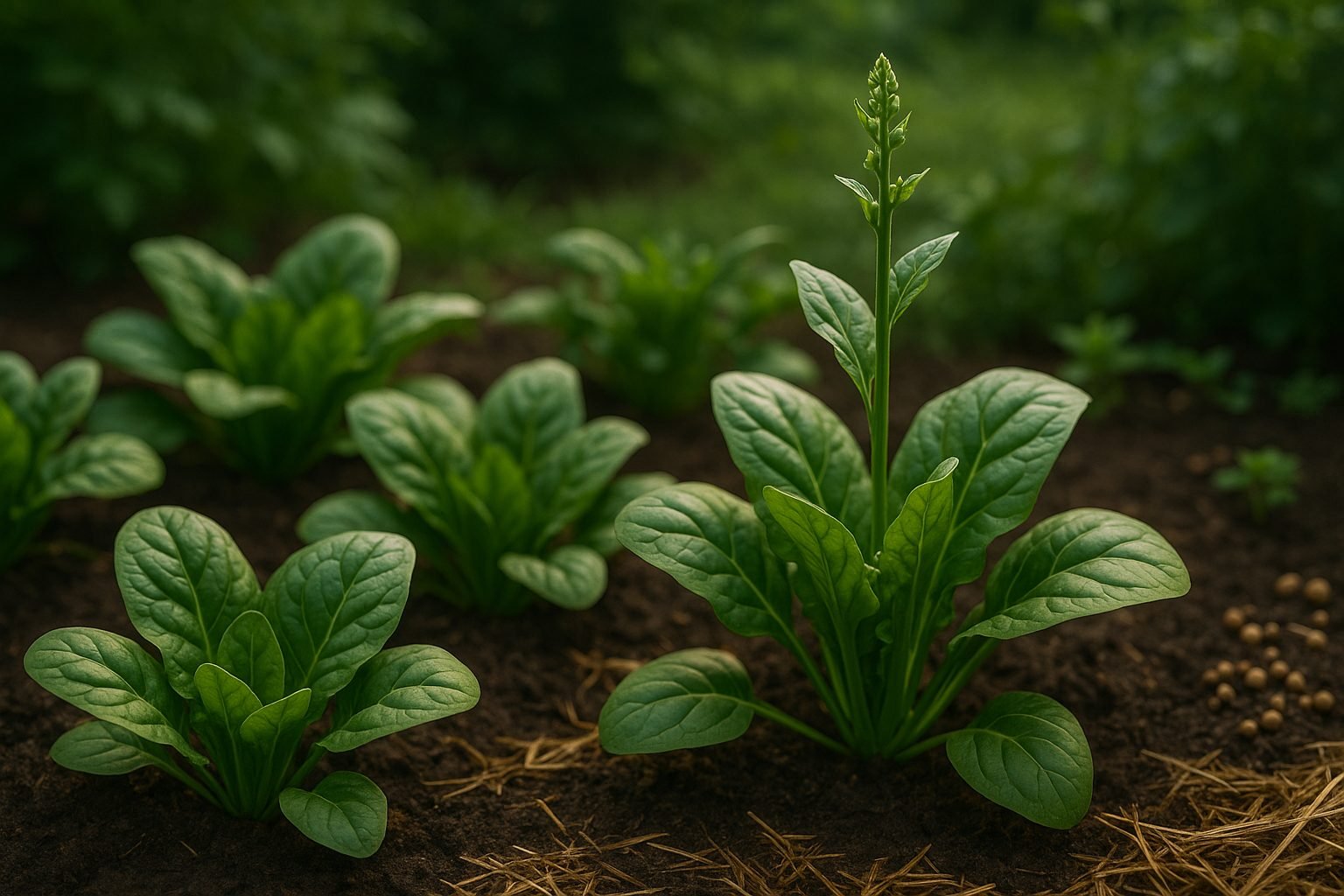
spinach bolting prevention is a top concern for home gardeners who want to enjoy tender leaves all season long. So, what exactly is “bolting”? In gardening, bolting is when a plant, like spinach, quickly shifts from producing leaves to sending up a flowering stalk and eventually going to seed. This process causes spinach leaves to turn bitter and tough, making them far less appealing in the kitchen.
Unfortunately, spinach is particularly prone to bolting compared to other leafy greens. Why? Spinach is sensitive to day length and temperature; as days get longer and warmer in late spring or early summer, spinach perceives these as signals to reproduce quickly before adverse conditions arrive.
The spinach lifecycle starts when seeds are sown in cool soil—ideal conditions for lush, flavorful leaves. But as soon as the plant senses an increase in daylight hours or a sudden rise in temperature (even just a few days above 75°F), it may rush into its flowering phase. Other stressors, such as root disturbance, irregular watering, or overcrowded planting, can also trigger bolting as the plant goes into survival mode.
Unlike hardy lettuces or tolerant Swiss chard, spinach evolved to thrive in cool, short-season climates, so swift temperature changes can be a shock. For those eager to keep their spinach harvest going, understanding these environmental and physiological triggers is the key first step for successful spinach bolting prevention—and will lead to fresher, sweeter greens for your table.
Common Causes of Spinach Bolting
Spinach bolting, which is the premature shift from leaf growth to flowering and seed production, is often triggered by rising temperatures and lengthening days—environmental cues that signal the plant it’s time to reproduce. When spring temperatures climb above 75°F (24°C) or when days become noticeably longer, even well-established spinach can quickly send up a flower stalk, leaving the leaves bitter and sparse.
Besides weather, stress can also cause spinach to bolt earlier than expected. Factors like inconsistent watering, overcrowding, and unbalanced soil nutrition create conditions where spinach feels “threatened” and rushes to complete its life cycle. For example, letting the soil dry out between waterings or planting too densely—restricting airflow and sunlight—can dramatically increase the risk of bolting.
Different spinach varieties vary in their resistance to bolting. Savoyed and smooth-leaf types often differ, and some newer cultivars are bred to tolerate more heat or longer days before switching to flowering. Choosing bolt-resistant varieties and providing steady moisture, ample spacing, and rich—but not overly nitrogenous—soil can help keep spinach crops leafy for longer.
Early Warning Signs: How to Spot Bolting Spinach
Spotting spinach that’s about to bolt isn’t difficult if you know what to watch for. One of the earliest visual cues is a tall, upright central stalk pushing up from the center of the plant—much taller and more slender than the surrounding growth.
As this stalk develops, you’ll also notice the leaf shape starting to change: the once broad, tender leaves may become narrower or more pointed, sometimes feeling thicker or rougher to the touch. Growth can suddenly accelerate, with the plant shooting upwards almost overnight.
In addition to these changes, keep an eye out for clusters of tiny, immature flower buds at the tip of the new stalk—this is a clear sign that bolting is underway.
To catch bolting before it overtakes your crop, make it a habit to walk your garden every couple of days, scanning the spinach for any unusual vertical growth or shifts in how the leaves look and feel. Catching these signs early lets you harvest before flavor and quality decline, saving more of your crop from going bitter.
Top Tips to Prevent Spinach from Bolting
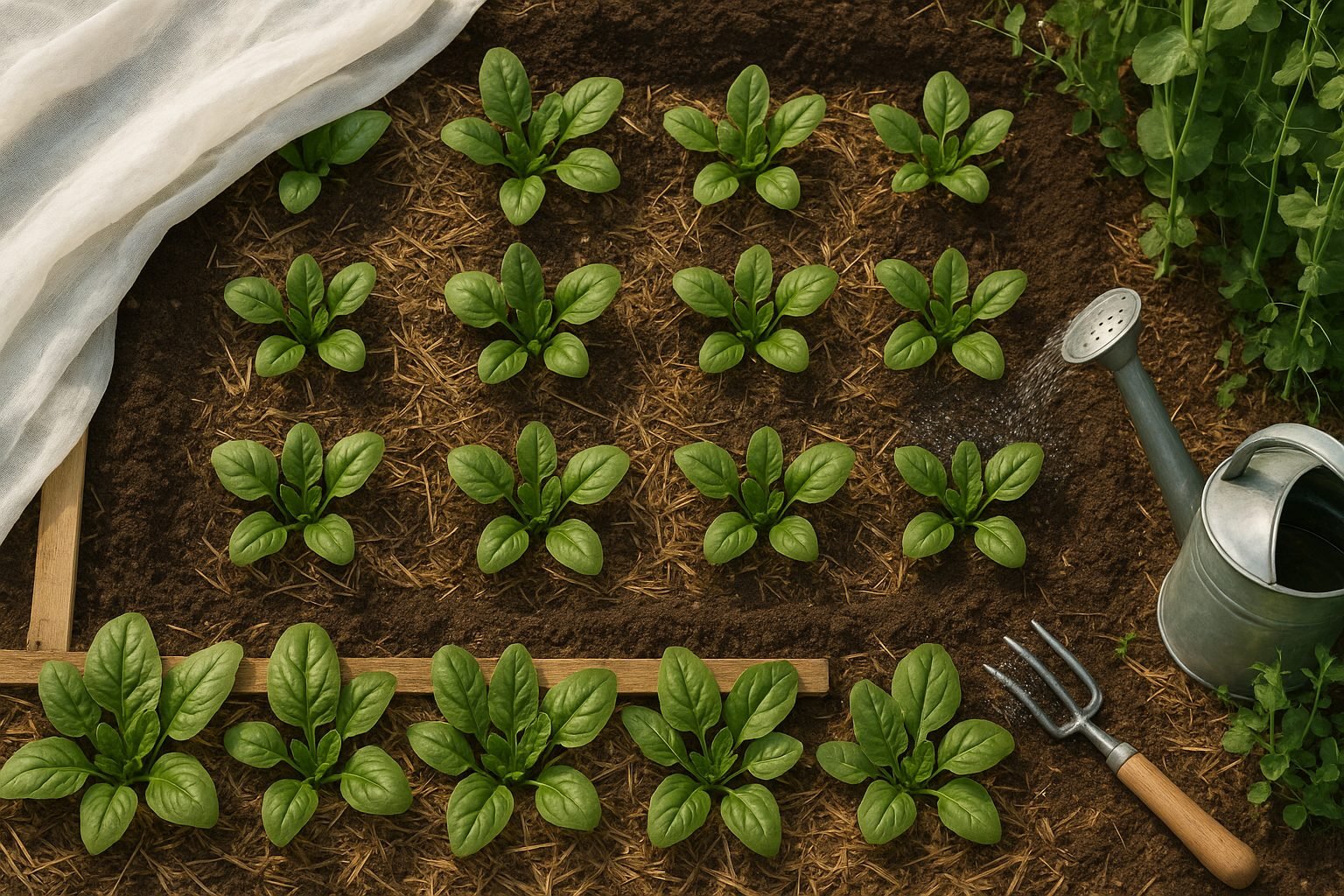
Preventing spinach from bolting starts with savvy timing. Plan to sow your seeds in early spring just as the soil becomes workable, or try a fall planting when the days are cooler. Hot weather is spinach’s enemy—extended warmth triggers rapid flowering and bitter leaves—so set your garden up for success by choosing slow-bolting varieties like ‘Bloomsdale Long Standing’ or ‘Tyee’.
To keep your plants comfortable during warm spells, provide shade using garden fabric or a simple lightweight cloth during the hottest part of the day. Mulching around your spinach with straw or shredded leaves helps regulate soil temperature and moisture, keeping roots cool and stress levels low.
Practice companion planting by growing spinach alongside taller crops like peas or corn, which naturally filter out harsh sunlight. Consistent watering is key; try to water at the base early in the day, aiming for deep and even moisture without letting the soil dry out or stay soggy.
Give your spinach plenty of room to breathe—space your plants about 6 inches apart to improve airflow and reduce heat stress. Finally, don’t let your spinach sit in the garden for too long; harvest leaves regularly, picking the outermost ones first. This not only ensures a steady crop of tender leaves but also signals the plant to keep growing rather than shifting to seed production.
By combining these simple steps, you’ll enjoy a longer, more productive spinach harvest season without the frustration of premature bolting.
What To Do If Your Spinach Bolts
If your spinach plants start to bolt—meaning they grow tall and flower prematurely—don’t worry. There are still ways to salvage your crop.
First, harvest the remaining leaves as soon as you notice the change. While bolted spinach leaves tend to be more bitter, you can use them in cooked recipes like soups, quiches, or stir-fries, where their flavor mellows with heat and other ingredients mask the bitterness.
Bolted spinach also produces seeds, which you can save for planting next year. However, keep in mind that seeds from bolted plants may carry a genetic tendency to bolt quickly, especially if warm weather triggered the change. For better results, buy fresh seeds or save seeds only from the healthiest, slowest-to-bolt plants.
To keep a continuous supply of spinach, try staggering your plantings every couple of weeks and choose bolt-resistant varieties. Consider providing afternoon shade or using row covers to keep temperatures down as the season warms up.
With these tactics, you can enjoy your spinach harvest longer and get the most from your garden, even when bolting tries to cut the season short.
Growing Spinach Successfully Year-Round
To grow spinach year-round and minimize bolting, focus on choosing bolt-resistant varieties like ‘Bloomsdale’ or ‘Space.’ Plant them early in spring or late summer when temperatures are cooler. Mulch the plants to keep the soil moist, and use shade cloth during hot spells to reduce heat stress, which can trigger premature bolting.
Indoors, spinach thrives in containers placed in a sunny window or under LED grow lights, giving you greater control over temperature and daylight hours, and making winter harvests possible. Large pots or window boxes also work well on balconies or patios, perfect for small spaces.
For continuous harvests, try succession planting: sow a fresh batch of seeds every two to three weeks, and adjust watering and fertilizing to match each season’s needs. By tailoring where and when you grow spinach, you can enjoy a steady supply of tender greens no matter the climate.
Quick Reference: FAQ on Spinach Bolting
Yes, you can eat bolted spinach, but the leaves may taste bitter and be tougher than usual. Bolting typically occurs when days get longer and temperatures rise above 75°F (24°C).
To prevent bolting:
- Plant spinach early in the spring or later in the fall.
- Provide partial shade.
- Keep the soil consistently moist.
Pinch off any flower stalks as soon as they appear to extend the harvest a bit longer. For best results, choose bolt-resistant spinach varieties if you live in a warmer climate or if your area experiences sudden heat waves.