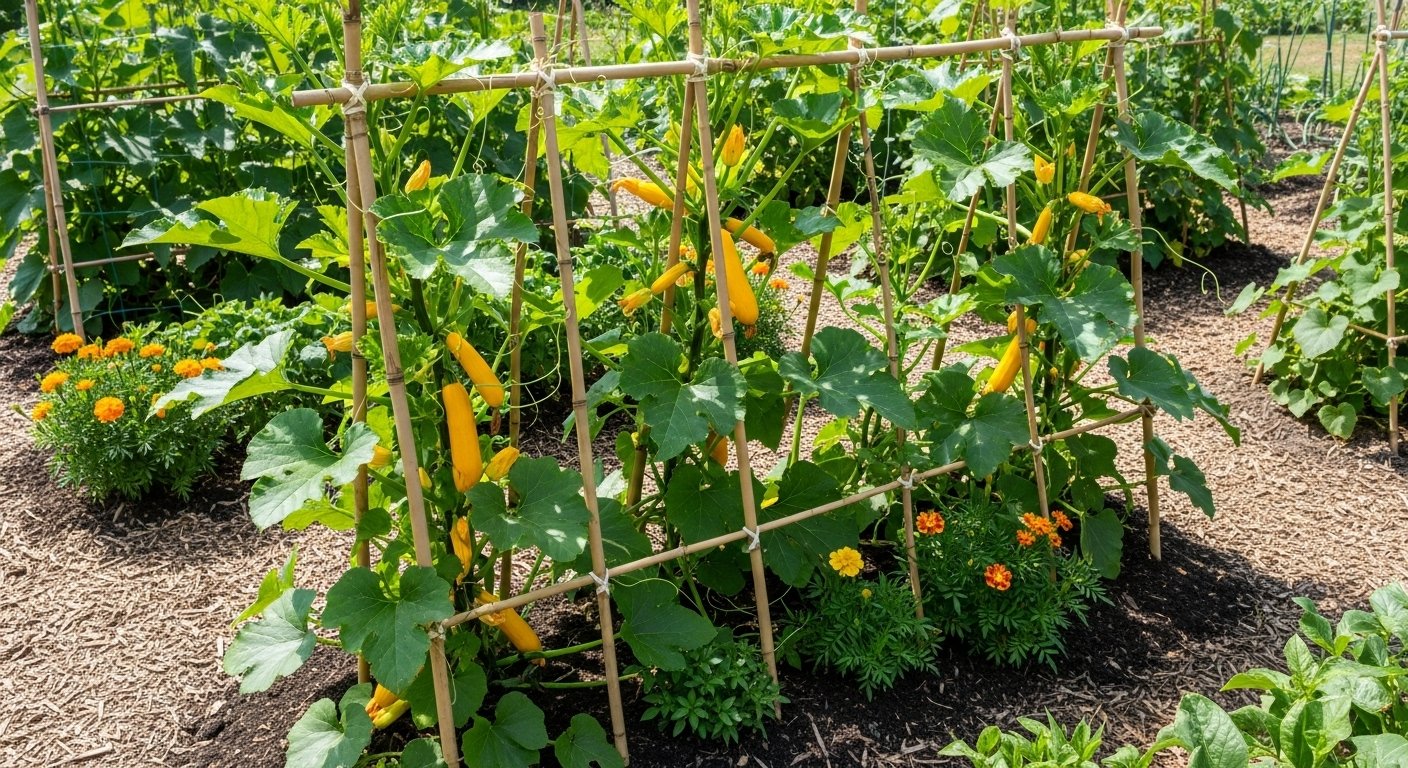
Understanding Zucchini Varieties & Growth Habits
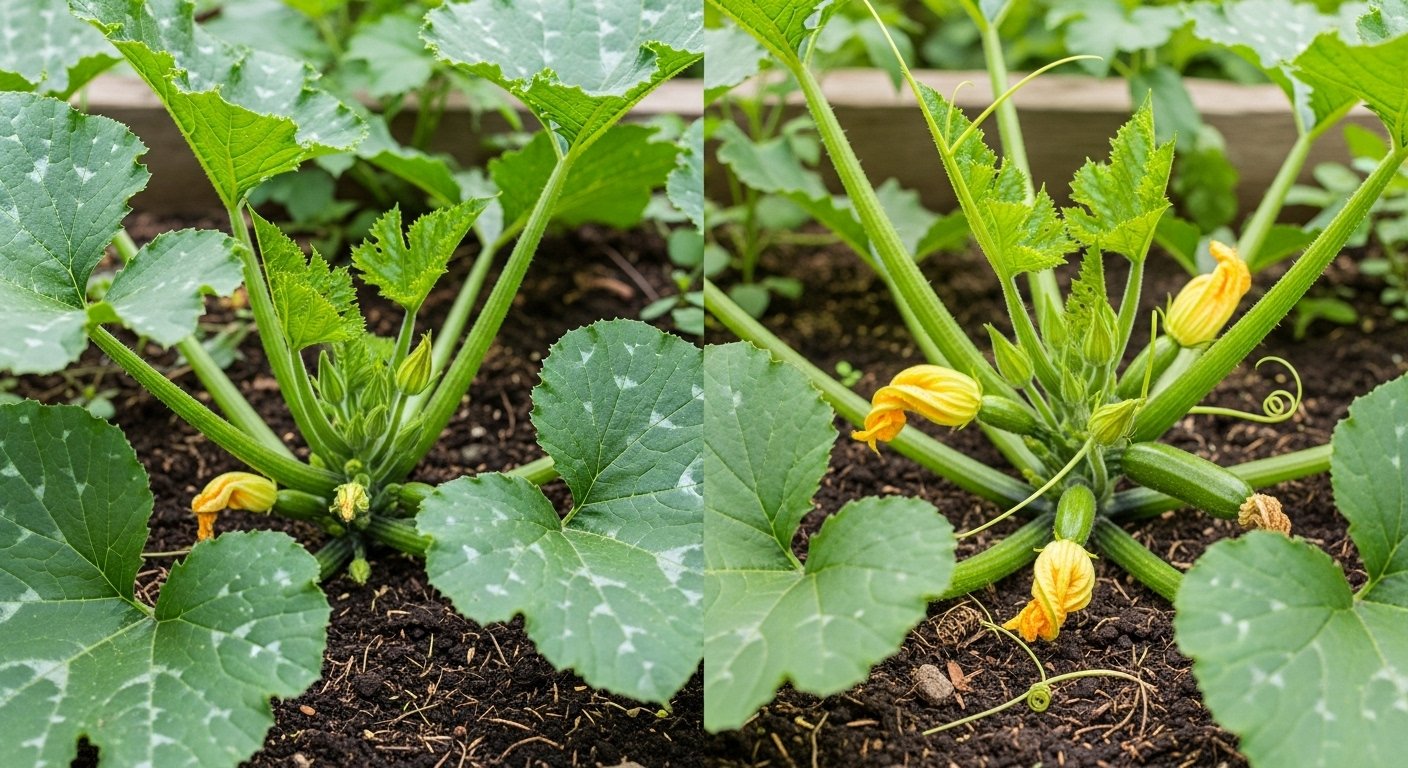
Thinking about maximizing your garden space with a zucchini trellis DIY project? Before you pick up your tools, it’s important to know that not all zucchinis are created equal—especially when it comes to how they grow. There are two main types of zucchini: bush and vining (or climbing). Bush types grow compact and low to the ground, making them perfect for traditional beds or wide containers, but less suited for trellising. Vining zucchinis, on the other hand, develop longer stems and sometimes even curling tendrils, making them ideal candidates for vertical supports.
If your garden space is limited or you’re working with containers on a patio, choosing a vining or semi-vining cultivar—such as ‘Black Forest’ or ‘Tromboncino’—allows you to grow upward instead of outward. These types thrive with a sturdy trellis to climb, producing fruit off the ground for easier harvesting and healthier plants. While compact, container-friendly cultivars are great for small plots, investing in the right vining type can double your harvest per square foot and make maintenance a breeze.
When selecting the right variety for your zucchini trellis DIY adventure, look for keywords like “vining,” “climbing,” or “semi-vining” on seed packets. Check the expected vine length and match your trellis to the plant’s full size—about 4–8 feet for most climbing varieties. Also, take note of disease resistance and sunlight requirements. Choosing the right type upfront means fewer headaches later and a more impressive harvest from even the smallest garden. So, before you plant, plan for growth habits, available space, and your garden’s sun exposure to set yourself up for zucchini success.
Preparing the Perfect Spot for Vertical Zucchini
When choosing the right place to grow vertical zucchini, focus on sunlight first—these vigorous plants need at least six to eight hours of direct light daily. Pick a spot that gets full morning or afternoon sun. Good airflow is just as important because it helps prevent powdery mildew, a common issue for zucchini. Avoid tight corners or enclosed spaces where air gets trapped.
If your location is exposed to harsh winds, like on an open balcony or rooftop, set up a windbreak such as a trellis panel or position your containers near a wall for some shelter without blocking the breeze completely.
Vertical zucchini thrives almost anywhere you can fit a sturdy support system: patios, balconies, raised beds, even large pots (aim for at least 18 inches across and deep with drainage holes). For patios or balconies, make sure your floor can support the weight when pots are fully watered, and remember that containers dry out faster, so water more often.
Wherever you plant, use well-draining, loose, fertile soil with plenty of organic matter—mix in compost, worm castings, or aged manure before planting, especially if your soil is heavy clay or sandy. To improve drainage in pots or raised beds, blend in a little perlite or coarse sand.
Before you sow or transplant, check that the spot won’t collect standing water during rain. For the best harvest, feed plants with a balanced organic fertilizer every few weeks, and mulch around the base to keep the soil moist and suppress weeds.
Taking the time to prep the perfect spot makes vertical zucchini healthier, more productive, and much easier to care for all season.
How to Plant Zucchini for Vertical Growth
Planting zucchini for vertical growth starts with choosing between seeds and transplants. If starting from seed, sow directly into well-draining soil after the last frost, placing each seed about an inch deep and spacing them 18–24 inches apart to allow room for vines to reach upward with support.
If you prefer using transplants, select young, healthy seedlings with at least two true leaves. When transplanting, be gentle with the roots; plant seedlings at the same depth they were in their original containers to prevent stem rot.
Both seeds and transplants benefit from being grown in containers no smaller than 5 gallons, or raised beds at least 12 inches deep and wide, providing ample space for robust root development.
Use a sturdy vertical trellis or tomato cage right from the start, so the vines have something to climb as they grow.
For healthy seedlings, keep the soil consistently moist but not soggy; water at the base to avoid fungal diseases. If starting indoors, harden off seedlings gradually by exposing them to outdoor conditions a few hours per day over a week. This reduces transplant shock and helps plants adjust to wind and sunlight.
Mulching around the base helps retain moisture and deter weeds, while regular, balanced feeding ensures steady growth.
With these tips, your zucchini will thrive upwards, maximizing space and fruit production even in small gardens.
Vertical Support Systems: Trellises, Stakes & Creative Ideas
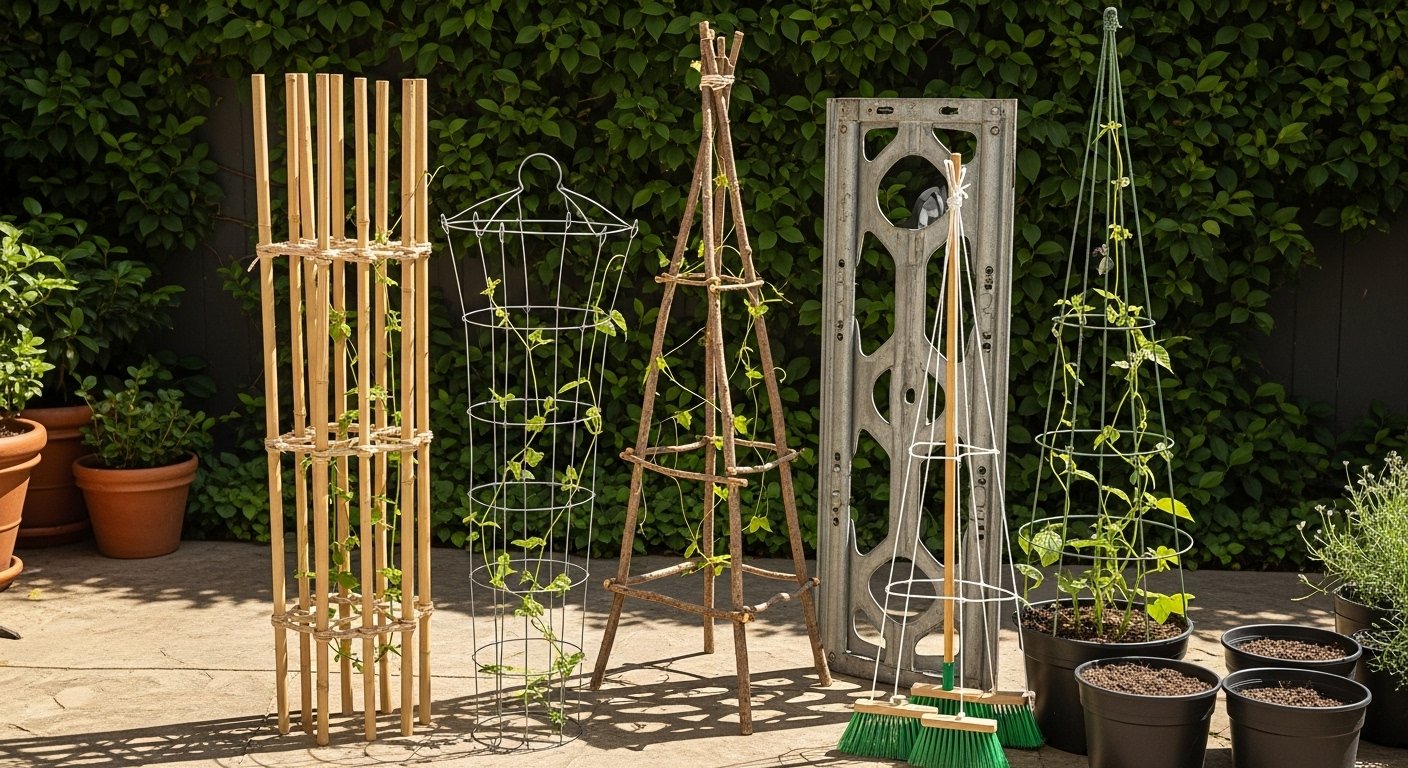
Vertical support systems like stakes, cages, trellises, and more can make all the difference for your climbing or tall plants—especially when space is limited. Classic choices include sturdy wooden or bamboo stakes (ideal for tomatoes and peppers), wire cages to support bushier growth, and string trellises anchored between posts for vertical peas and beans.
A-frame trellises and arches offer a touch of charm and maximize vertical space, while attaching ladders or repurposing old fences can create budget-friendly supports for cucumbers or squash. Cattle panels—metal grids originally made for livestock—are unbeatable for heavy climbers like melons and pumpkins, and their durability makes them a favorite among urban gardeners.
If you’re working with tight spaces, consider making your own trellis from inexpensive materials; upcycled broom handles, curtain rods, or even sturdy branches lashed together with zip ties can support lighter vines. Balcony gardeners can use old shelving, a mesh laundry rack, or string tied between railings to guide beans upward and save precious ground area.
It’s best to install supports around planting time or when seedlings stand a few inches tall—trying to add them later risks damaging roots or breaking stems on older, sprawling plants. Secure supports firmly in the ground or to pots to prevent tipping under plant weight or in strong winds.
As vines grow, gently tie them to supports using soft twine, stretchy plant tape, or strips of cloth. Space ties every 12–18 inches to prevent flopping or tangling. Start supporting as soon as shoots are a few inches high, guiding growth gently rather than forcing stems—early training helps vines find their path and produces stronger, more manageable plants.
With a little creativity and timely action, your vertical garden will stand tall, healthy, and beautifully organized, no matter how small your growing space.
Caring for Your Vertical Zucchini
Successfully growing vertical zucchini requires a bit of extra attention compared to traditional ground planting, but the rewards are well worth it. Start by watering consistently—zucchini like moist, but not soggy, soil. Aim to keep the top inch of soil evenly damp and water at the base to avoid splashing the leaves, which can encourage mildew.
Applying a 2–3 inch layer of mulch helps retain moisture and keeps weeds at bay; straw, shredded leaves, or untreated wood chips all work well. For fertilizing, start with a balanced vegetable fertilizer at planting time, then supplement with a diluted liquid fertilizer every 3–4 weeks as your plants grow.
Training and Pruning
Training your zucchini vines on a sturdy trellis or vertical support keeps fruit off the ground and improves airflow. Tie the main stem loosely with soft garden twine, gently guiding new growth upward as needed. Prune off damaged or crowded leaves to further enhance circulation, which helps prevent powdery mildew and fungal diseases.
Spacing and Pest Management
Good spacing—at least 18–24 inches between plants—is crucial not just for airflow but also to give each plant enough sunlight and room to thrive. Keep an eye out for pests like squash bugs and cucumber beetles; check leaves daily, and remove any pests you see by hand or with an insecticidal soap spray, focusing on the undersides of leaves.
Common Issues and Solutions
- Drooping: Can be caused by underwatering or heat stress.
- Poor fruit set: Often due to insufficient pollination—try hand-pollinating flowers with a small paintbrush.
- White powdery patches on leaves: A sign of mildew—improve air circulation, limit late-afternoon watering, and remove affected leaves promptly.
With these care strategies, your vertical zucchini can flourish, providing a productive harvest in a surprisingly small footprint.
Harvesting Zucchini & Maximizing Yield in Small Spaces
Knowing when and how to harvest zucchini can make a huge difference, especially if you’re working with a small garden or even just a container. Zucchini taste best and have the best texture when picked young—about 6 to 8 inches long and still glossy.
Check your plants daily, as zucchinis grow quickly and can become oversized almost overnight. Overgrown zucchinis tend to be watery and seedy, which signals the plant to slow down production of new fruit. Use a sharp knife or pruning shears to cut the zucchini from the vine, leaving about an inch of stem attached. This helps prevent damage to the plant and encourages it to set more fruit.
To avoid missing those sneaky zucchinis hiding under the foliage, lift the leaves and look around the base of the plant each time you water or weed. Regular harvesting is key to keeping plants productive, so aim to pick every other day during peak season.
If you find yourself with more zucchini than you can immediately use, try these storage options:
- Store them in the refrigerator in a breathable bag for up to a week.
- Grate and freeze portioned batches for baking and cooking later on.
- Share extras with neighbors or try quick-pickling for a tasty snack.
By staying on top of harvesting, you’ll maximize your yield, reduce waste, and keep your zucchini plants happily producing all season long—no matter how small your growing space.
Companion Planting & Succession Ideas for Vertical Zucchini
When growing vertical zucchini in tight spaces, smart companion planting can boost your harvest and keep your plants healthier. Herbs like basil, oregano, and thyme thrive in the same sun and moisture conditions as zucchini, adding scents that deter some pests.
Marigolds and nasturtiums are fantastic flower companions—nestle them around your zucchini tower to attract pollinators and act as natural pest repellents.
Be cautious about planting other members of the squash family (such as cucumbers, pumpkins, or melons) nearby, as they compete for space and nutrients and attract the same pests and diseases. Overcrowding can lead to poor air circulation, increasing the risk of powdery mildew.
To keep your garden productive, try quick-growing leafy greens like spinach or lettuce as a succession crop near your vertical zucchini once the vines start wrapping up their season. Alternatively, after harvesting early zucchini, rotate with legumes such as bush beans to refresh soil nitrogen and break pest cycles.
Planning these companion and succession rotations maximizes your small-space harvests while making the most of every square inch throughout the growing season.