What Is Companion Planting—and Why Does It Matter for Spinach?
If you want your spinach crop to thrive, it’s essential to know not only what to plant but also what to avoid near spinach. This is where companion planting comes into play—a gardening strategy that involves placing certain plants together to enhance growth, deter pests, and improve soil health. For spinach, choosing the right neighbors can make the difference between lush, healthy leaves and a disappointing harvest.
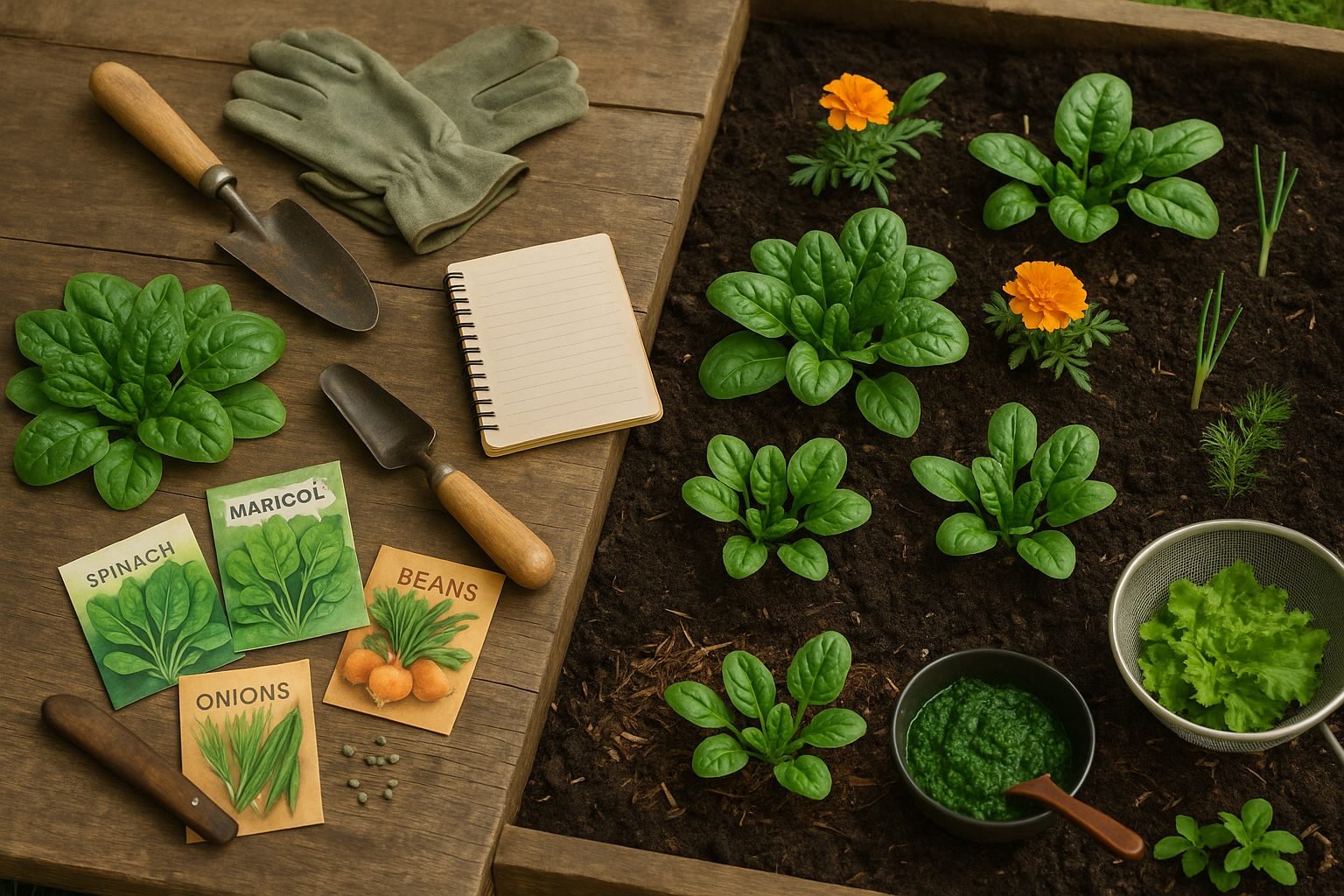
For example, marigolds and onions can help repel common spinach pests, while beans enrich the soil with nitrogen, giving spinach a nutritional boost. On the flip side, some plants can stunt spinach’s development or attract harmful insects, making your garden layout even more critical.
Spinach responds particularly well to companion planting compared to other leafy greens. Unlike lettuce, which mostly benefits from shade-providing companions, spinach enjoys both nutrient sharing and pest deterrence from nearby crops. While kale might tolerate certain close neighbors, spinach can be picky; pairing it with the wrong plants—such as potatoes or fennel—can hinder both flavor and growth. This makes pre-planning your garden layout crucial.
By thoughtfully arranging your crops and being aware of what to avoid near spinach, you can maximize plant synergy and boost your overall yield.
- Grouping spinach with radishes and strawberries not only saves space but also helps repel leaf miners and aphids naturally.
- Rotating where and what you plant each season keeps your soil healthier and reduces pest problems.
In the end, investing time in smart companion planting means healthier spinach, fewer chemicals, and a more productive garden—without added hassle.
Top Vegetables and Herbs to Plant with Spinach
When planning your spinach bed, selecting the right companions can make a world of difference in your garden’s health and productivity.
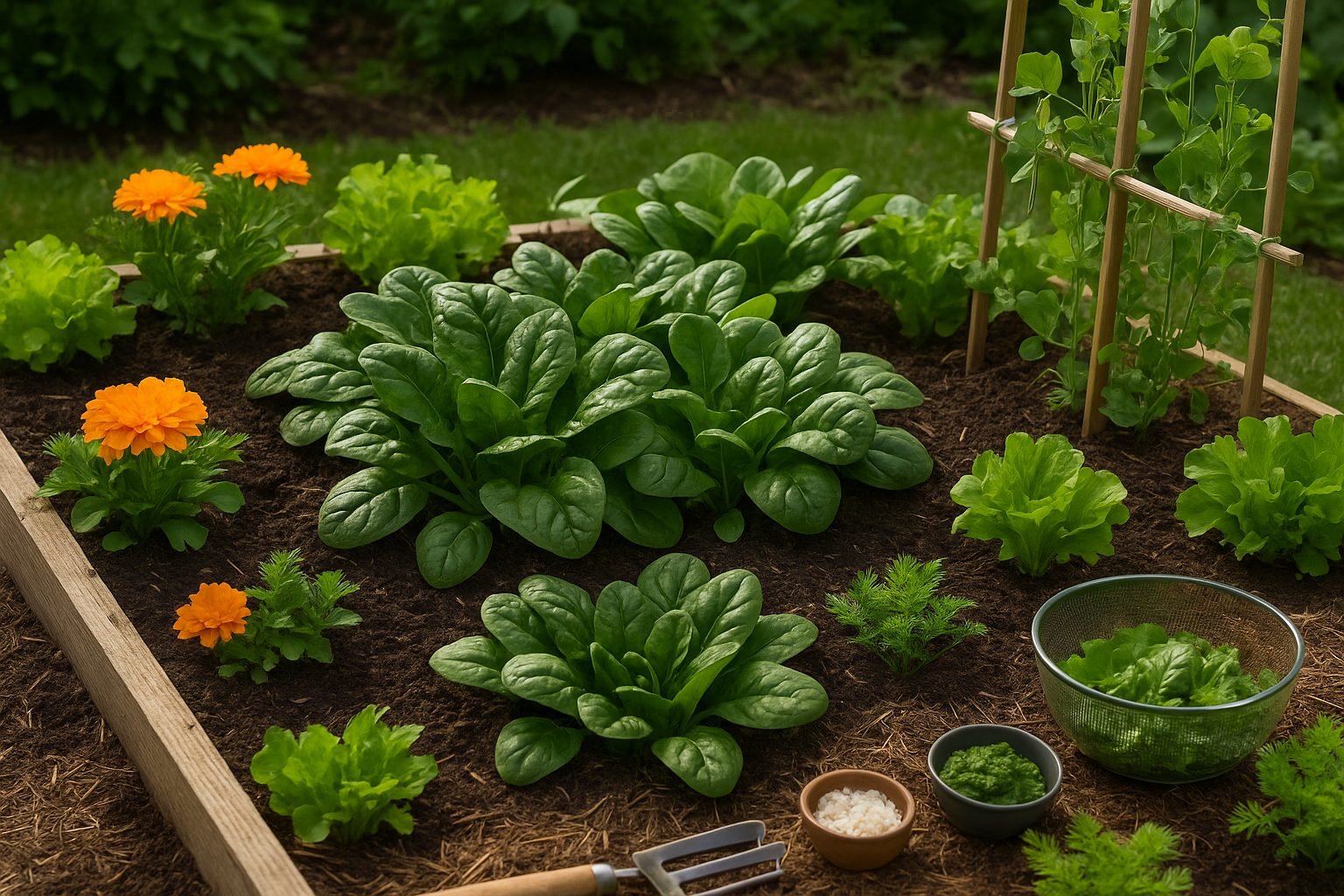
Lettuce is a perfect match for spinach since both prefer cooler growing conditions and have shallow roots, allowing them to share space without competing for nutrients. Plus, their broad leaves help shade tender spinach seedlings from harsh sun, keeping the soil moist and cool.
Carrots and radishes are also excellent companions because their deeper taproots break up soil beneath spinach, improving aeration without stealing nutrients from the shallow-rooted greens. Sowing these root veggies alongside spinach results in better soil structure and a more diverse harvest in a small space.
Legumes like peas and beans offer an added bonus: they fix nitrogen in the soil, naturally enriching it for spinach, which is a hungry but fast-growing crop. Plant peas along the north side of a spinach patch for edible pods and vertical interest without hogging sunlight, while beans can serve a similar function if trellised nearby.
Don’t forget useful herbs — dill, cilantro, oregano, and chives are all star companions. Dill and cilantro repel pests like aphids and spider mites with their scent and attract beneficial insects such as ladybugs to your garden. Oregano forms a fragrant ground cover that deters harmful bugs, and chives ward off leaf-munching pests while their mild flavor complements spinach in salads and cooked dishes.
Mixing these companions together creates a resilient and productive garden where each plant supports the others — saving you effort, repelling pests naturally, and delivering a more abundant, flavorful harvest.
Try grouping smaller lettuces and herbs around the spinach, with deeper-rooted veggies like carrots just behind, and climbing peas or beans along the edge or a trellis for a truly successful and space-savvy planting scheme.
Flowers That Boost Spinach Health and Yield
Introducing flowers into your spinach beds isn’t just about adding color—it can actually help your spinach thrive. Marigolds, for example, are renowned for their pest-deterring abilities; they release a scent that repels nematodes and aphids, two common spinach enemies. Nasturtiums act like magnets for pests such as aphids and whiteflies, drawing them away from your spinach and trapping them on their leaves. Cosmos are fantastic for attracting beneficial insects like lacewings, hoverflies, and parasitoid wasps, which actively prey on pests that could damage your spinach.
When planning your garden, interplant these flowers but be strategic about their placement. Tuck marigolds along the borders of your spinach rows, where their roots won’t compete directly for nutrients and water. With nasturtiums, allow them to trail along the edges or plant in small clumps a short distance away from the main spinach patch to provide a bug “sacrifice zone.” Cosmos grow tall and can create partial shade; therefore, position them on the north or east side of your spinach to avoid overshadowing your sun-loving greens.
Make sure to space everything generously—ideally, leave at least a foot between flowers and spinach—to reduce competition for sunlight and nutrients. Mulching helps the soil retain moisture for both types of plants, and regular monitoring ensures neither species is struggling. This thoughtful combination not only deters pests and boosts beneficial insect numbers but also creates a more biodiverse, resilient garden ecosystem overall.
With a little planning, pairing spinach with these helpful flowers can result in healthier plants and higher spinach yields without having to resort to chemicals.
Spinach’s Worst Neighbors: Plants to Avoid
While spinach is a resilient and adaptable leafy green, it doesn’t thrive when planted alongside certain crops—particularly potatoes, fennel, and members of the brassica family like cabbage, broccoli, and cauliflower.
Potatoes compete heavily with spinach for nutrients and root space, often stunting spinach’s growth or making it more susceptible to disease due to overlapping root systems. Fennel is notorious for releasing allelopathic chemicals into the soil that can inhibit seed germination and stunt spinach development; it’s so aggressive that many gardeners grow fennel in a separate bed altogether. Brassicas, meanwhile, tend to attract similar pests, such as aphids and leafminers, and can quickly deplete soil of essential nutrients like nitrogen, leaving spinach struggling to compete.
If you have limited garden space and these crops must be grown near your spinach, try to establish a buffer zone. Ideally, leave at least 18–24 inches between spinach and potatoes or brassicas, and keep fennel as far away as possible—such as in a separate container or at the garden’s edge. Using physical barriers, like a strip of companion flowers or fast-growing herbs, can also help reduce negative interactions.
By carefully considering plant neighbors and spacing, your spinach will have the best shot at robust, healthy growth.
Tips for Successful Companion Planting with Spinach
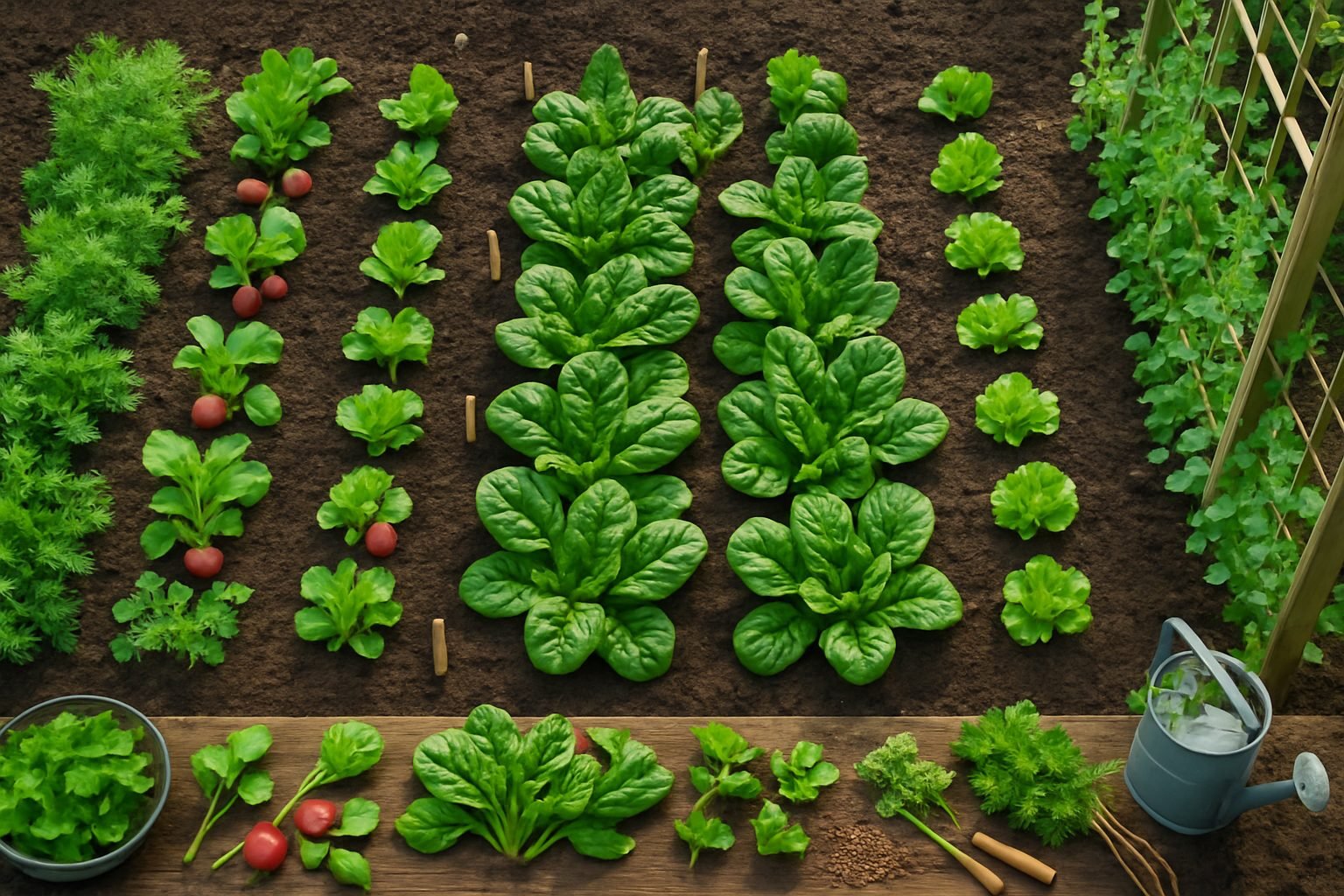
For successful companion planting with spinach, start by planning your bed layout to make the most of row planting and succession strategies. Plant spinach in neat rows beside companions like radishes, lettuce, or strawberries, which not only maximize your garden’s space but also help with pest deterrence.
Utilize succession planting by sowing small batches of spinach seeds every two weeks to keep a steady supply throughout the season. You can alternate these rows with quick-maturing crops like radishes or herbs such as cilantro.
Practicing crop rotation is crucial—avoid planting spinach or its close relatives (like beets or chard) in the same spot each year to prevent soil disease buildup. Instead, rotate with legumes like peas, which can also help boost soil nitrogen for your spinach.
When arranging your companions, ensure taller plants don’t cast heavy shade on your spinach. While spinach enjoys cooler conditions, it still needs 4–6 hours of sunlight daily.
Water consistently but avoid waterlogging by planting in well-drained soil. Mulching helps retain moisture and suppress weeds.
One common mistake to avoid is overcrowding. This stifles air circulation, making plants prone to fungal issues, so give spinach and its companions enough space as recommended on seed packets. Also, be cautious not to pair spinach with allelopathic plants like fennel, which can stunt its growth.
Mixed beds involving spinach require attentive maintenance: regularly check for pests like aphids, remove weeds promptly, and thin seedlings if necessary to prevent competition for water and nutrients.
With these techniques and mindful care, your spinach and its companions will thrive together, giving you healthier plants and a more productive garden.
Frequently Asked Questions About Spinach Companion Planting
A common question gardeners have is whether spinach makes a good companion for tomatoes, and the answer is yes—they can coexist as long as there’s enough space between them. Tomatoes grow tall and leafy, which can shade spinach, keeping it cool as temperatures rise. Just be sure to plant spinach about 12 inches away from tomato stems to prevent overcrowding and ensure good air circulation.
Another frequent query involves planting spinach with beans; while bush beans work well and can even help fix nitrogen in the soil, avoid planting spinach too close to aggressive root crops like potatoes—they compete for the same nutrients.
A persistent myth is that spinach cannot be planted near any brassicas (like broccoli or cabbage), but in reality, they can share space if adequately spaced—just watch for overcrowding that can invite pests.
Speaking of pests, if you notice leaf miners or aphids attacking your spinach, try interplanting with onions or garlic, whose strong scents naturally deter these insects.
For stunted growth, make sure soil is rich in organic matter and not too compacted; using a light mulch can help retain moisture without suffocating tender roots.
If leaves start to yellow, it’s often a sign of either nutrient deficiency or overwatering—cut back on watering and consider adding compost to revive your spinach plants.
With mindful spacing and a few natural deterrents, you can enjoy healthier spinach and better harvests all season long.