Introduction
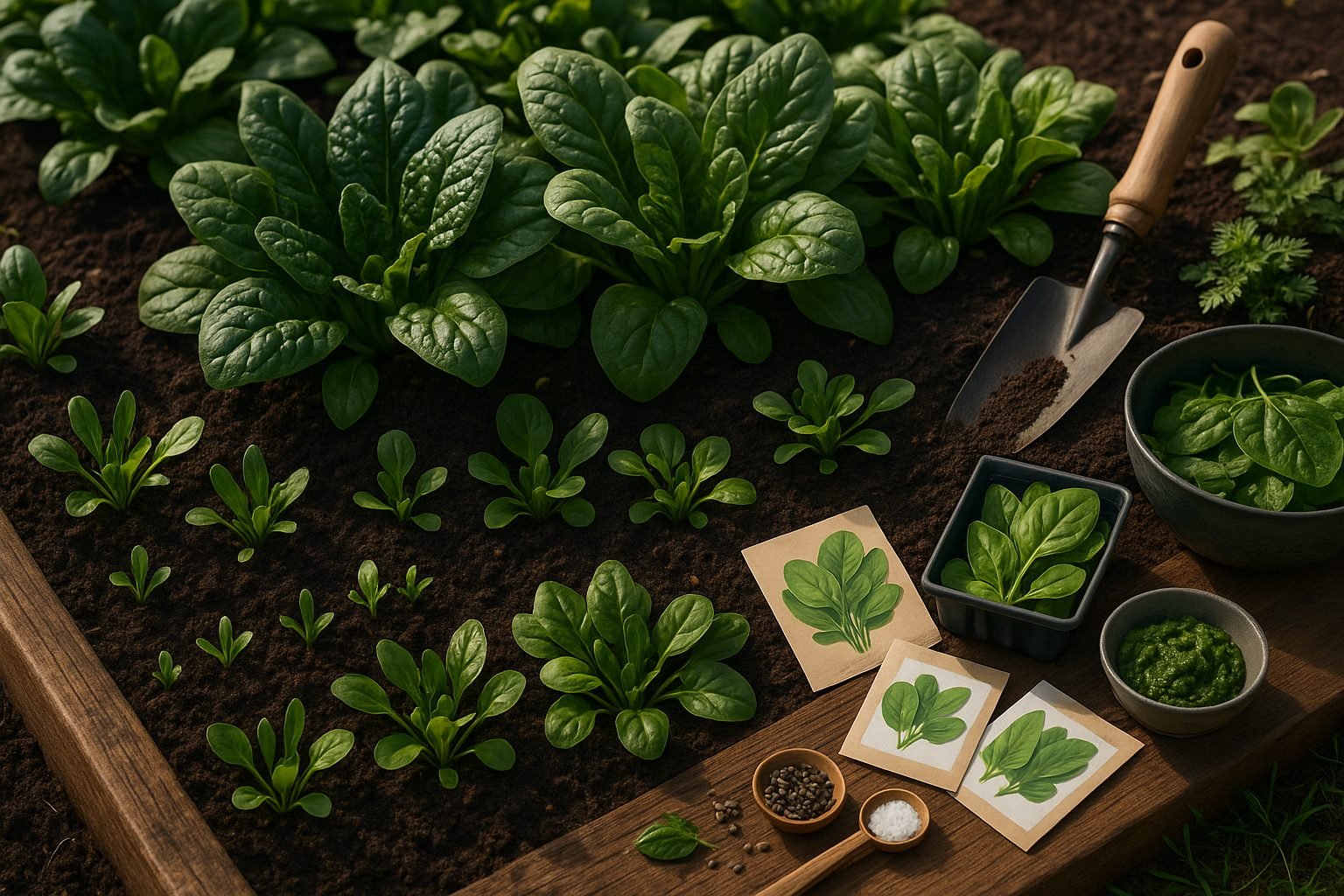
Many gardeners wonder if they can regrow spinach and other leafy greens after harvesting, hoping to get the most out of their garden beds or windowsill planters. The idea of regrowing spinach is especially appealing—not only does it reduce grocery trips, but it also lets you enjoy crisp, homegrown greens year-round.
In this article, we’ll explore whether it’s actually possible to regrow spinach after harvesting and which techniques yield the best results. You’ll learn practical methods to try at home, like cutting just above the crown or experimenting with water propagation.
Regrowing spinach isn’t just a fun gardening experiment; it’s a sustainable practice that reduces food waste, supports eco-friendly habits, and ensures a steady supply of fresh, flavorful leaves at your fingertips. Whether you’re a seasoned gardener or a beginner with a sunny kitchen windowsill, understanding the potential and simple techniques for regrowing spinach can help you create a more self-sufficient, eco-conscious home.
Understanding Spinach Growth Habits
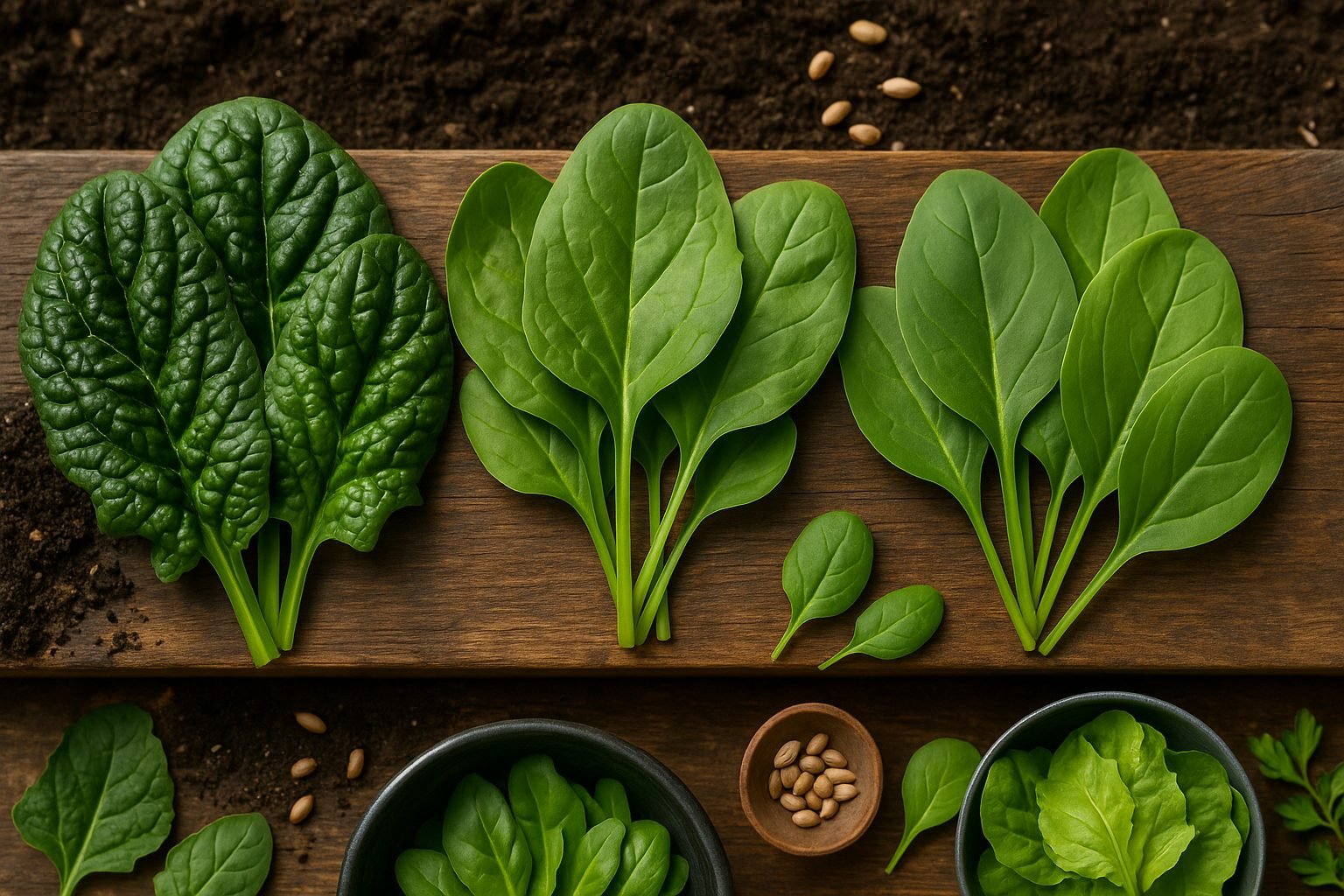
Spinach (Spinacia oleracea) is an annual leafy vegetable, meaning it completes its life cycle within a single growing season. It begins growth with a rosette of flat, edible leaves supported by a compact network of fibrous roots near the soil surface. Unlike perennial greens, spinach doesn’t continuously produce new growth year after year. Instead, it grows leaves until it eventually “bolts” in response to warmer temperatures or longer daylight, shifting energy from leaf production to flowering and seed setting.
The root system, while effective at absorbing nutrients and water, isn’t built for vigorous regeneration like some other greens. Different spinach varieties—such as smooth-leaf, savoy, or semi-savoy—show slight variations in growth rates and leaf structure, which affects their freshness after harvest and their limited ability to regrow if leaves are carefully picked.
Growing conditions also play a major role. Spinach prefers cool, moist environments and rich, loose soil, which can encourage some new leaf growth after partial harvesting. When it comes to how to regrow spinach, it’s important to note that, unlike cut-and-come-again crops like Swiss chard or leaf lettuce, spinach offers only limited regrowth. If you harvest by picking just the outer leaves and leave the inner crown untouched, the plant may produce a small flush of new leaves—especially early in the season. However, once bolting starts or the roots are disturbed, its ability to regrow quickly diminishes.
For a steady spinach supply, succession planting is usually more effective than trying to regrow a single plant repeatedly.
Can Spinach Be Regrown After Harvest?
Many home gardeners wonder if it’s possible to regrow spinach after harvest to get the most out of each planting. The good news is that spinach responds well to the “cut and come again” harvesting method. With this technique, you trim the outer leaves near the base, leaving the inner leaves and crown untouched.
Gardeners and experts agree that when you harvest this way, spinach usually produces new leaves within one to two weeks. This allows for multiple harvests from a single planting—often two to three, or even more if conditions are ideal. On the other hand, pulling up or cutting the entire plant at the base—known as a “full plant harvest”—stops regrowth completely since the crown is removed.
Tips for Regrowing Baby Spinach
Baby spinach, harvested when leaves are small and tender, tends to regrow faster and more vigorously than mature spinach. The younger the leaves you harvest, the better chance the plant has to bounce back because it has more stored energy to grow new shoots. Many gardeners suggest snapping off baby leaves at about three inches tall, cutting just above the soil line while being careful not to damage the central growth point.
Regrowing Mature Spinach
Mature spinach can still regrow after partial harvesting, but it loses vigor over time. The leaves might become tougher or bolt more quickly, especially when temperatures rise. To encourage regrowth, keep plants well-watered and harvest before hot weather sets in, since heat stress can halt regrowth.
Overall, using the cut and come again method with gentle, timely harvesting gives gardeners repeated yields and extends the harvest window, making spinach a very rewarding crop to regrow.
Best Harvesting Methods to Encourage Regrowth
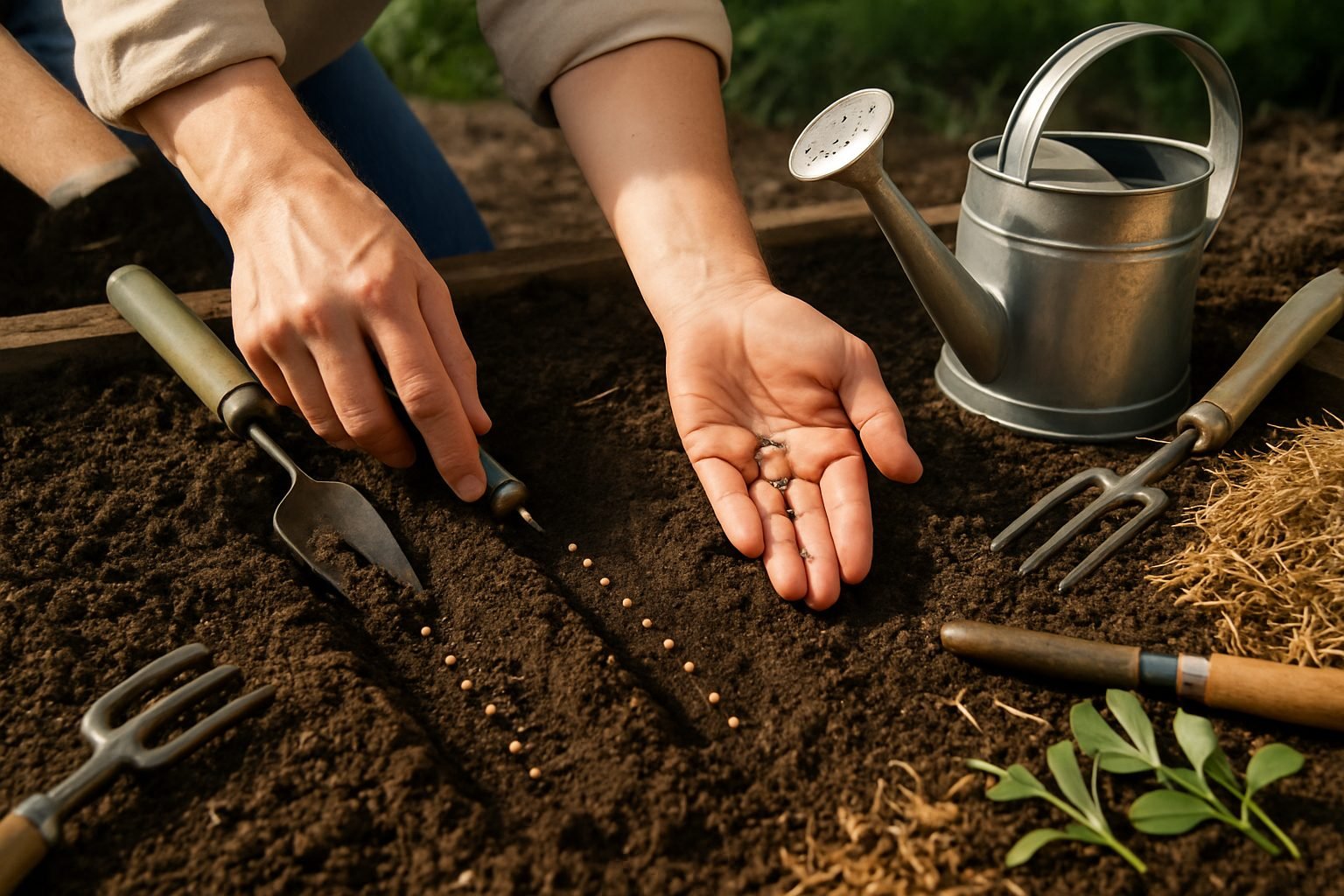
To successfully regrow spinach after harvest, how and where you cut the plant matters a lot. The key is to harvest the leaves while keeping the plant’s crown—the tight cluster where leaves and roots meet—completely intact. Start by waiting until your spinach has at least four or five mature leaves. Using clean, sharp scissors or garden shears, snip the outer, older leaves about one inch above the soil line. Always cut leaves individually rather than slicing across the plant all at once.
This method, often called the “cut-and-come-again” approach, ensures you leave the tender center (the crown and smaller new leaves) untouched. Avoid yanking or tearing leaves, as this can damage the crown and reduce the chance of healthy regrowth. After harvesting, water your spinach bed thoroughly and consider applying a light, balanced fertilizer to support new growth.
Try to harvest in the early morning when leaves are crisp and less stressed by the sun, which helps plants recover faster. Regularly picking outer leaves every few days, instead of waiting for the whole plant to mature, encourages continuous production. If the weather gets especially hot, providing partial shade can prevent bolting and extend the regrowth cycle. By carefully harvesting spinach this way, you can enjoy several flushes of tender greens from each plant throughout the growing season.
Caring for Spinach After Initial Harvest
After you harvest spinach, caring for your plants thoughtfully can encourage regrowth and keep a steady supply of fresh leaves. Start by checking your soil—spinach thrives in nitrogen-rich, well-draining soil. To replenish nutrients lost during the first growth, top-dress with compost or apply a balanced organic fertilizer. Keep the soil consistently moist but not waterlogged; because spinach roots are shallow, a layer of organic mulch can help retain moisture and suppress weeds.
Plenty of sunlight—at least 4-6 hours a day—is essential for vibrant regrowth, but as temperatures rise, providing partial afternoon shade can help prevent premature bolting. Bolting happens when spinach sends up flower stalks and stops producing tasty leaves.
Bolting is especially common in warm conditions. To avoid it, choose bolt-resistant spinach varieties and sow seeds in early spring or fall. When harvesting, pick the outer leaves first, cutting just above the soil level to encourage the plant to focus energy on growing new leaves. If your spinach seems stunted after harvest, check for compacted soil, nutrient deficiencies, or overcrowding—thin out crowded plants to ensure good airflow and root space.
For ongoing harvests, companion planting is a smart strategy. Grow spinach alongside crops like radishes or lettuce, which mature quickly and don’t compete aggressively for resources. You can also practice multi-sowing by planting small batches of spinach seeds every two weeks so you always have fresh, tender leaves on hand. With these simple after-harvest care practices, you can effectively regrow spinach and keep your spinach bed productive and healthy for as long as conditions allow.
How Regrowth Compares: Spinach vs. Other Leafy Greens
Compared to other leafy greens, spinach’s ability to regrow spinach is more limited. Lettuce varieties like leaf lettuce tend to bounce back well after cutting, allowing for two to four harvests if you snip above the crown. Swiss chard is a garden workhorse—after a light harvest, it recovers strongly and can be cut repeatedly throughout the season, sometimes providing leaves for months. Kale also excels at regrowing; as long as you avoid harvesting the central growth tip, you can repeatedly pull mature outer leaves with vigorous regrowth.
Spinach, on the other hand, can regrow for a second, sometimes a third, small harvest if you cut carefully above the roots and leave the crown intact. However, it is more likely to bolt (flower and go to seed) after the first cutting, especially in warm weather, which significantly shortens its productive life. The main advantage of choosing spinach is its quick turnaround—delivering tender leaves just weeks after sowing—but gardeners hoping for endless cut-and-come-again salads might be disappointed.
For best results, plan on one or two harvests per spinach plant and stagger plantings every couple of weeks for a longer season of fresh greens. This approach helps you avoid common pitfalls and enjoy spinach at its peak.
Troubleshooting & FAQs
One of the most common questions about trying to regrow spinach is, “Why isn’t my spinach coming back after I harvest it?” The answer usually depends on how much of the plant you leave behind and the current weather conditions. Spinach generally regrows well if you snip the outer leaves and keep the central crown intact. However, cutting too close to the base or harvesting during extreme heat can prevent regrowth.
Timing also matters—spinach prefers cool temperatures, so regrowth is faster in early spring or late fall. If you notice slow regrowth, try giving your spinach more water, especially during dry spells, and use a gentle, balanced fertilizer to boost its energy.
Sometimes pests or diseases from leftover plant debris can slow things down; removing damaged leaves and keeping the soil clean helps. For persistent problems like yellowing leaves or stunted growth, make sure your spinach is getting at least four hours of sunlight daily and isn’t overcrowded by other plants.
In summary, successful spinch regrow boils down to harvesting just the outer leaves, protecting the crown, watering consistently, and providing a little shade during hot spells. Be patient—spinach may take a week or two to bounce back, but with these tips, you’ll enjoy a second harvest in no time.
Conclusion
Regrowing spinach after harvest is not only possible but also a simple and rewarding way to maintain a steady supply of fresh greens at home. By cutting the leaves above the crown and giving the right care, you can encourage new growth for multiple harvests. This method saves money, reduces waste, and supports sustainable gardening—even if you’re limited to a windowsill or small patio. If you’re new to regrowing leafy greens, try spinach and enjoy the fresh taste of home-grown produce. For more tips, check out guides on continuous harvest vegetables or indoor gardening to boost your green-thumb skills.