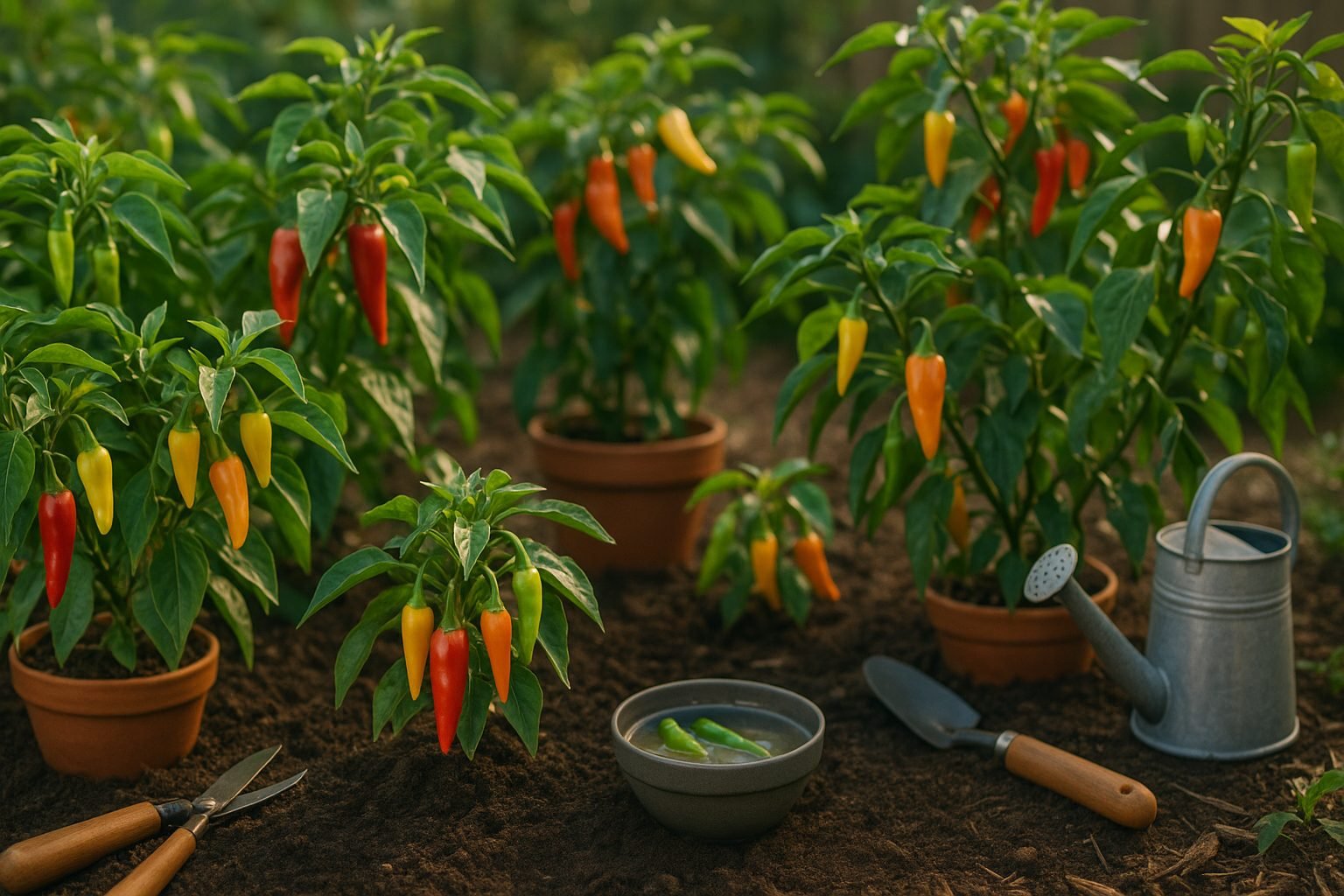
Introduction
Growing hot peppers with kids isn’t just a fun gardening project—it’s a hands-on adventure that opens up new ways to learn together. Hot peppers offer an exciting introduction to science, biology, and even basic chemistry as kids watch seeds sprout, measure plant growth, and explore what makes peppers spicy. Along the way, children can connect with art by sketching pepper plants, designing garden markers, or creating colorful pepper mosaics.
In this article, you’ll find a range of age-appropriate hot pepper projects perfect for kids from preschool through middle school. We’ll share simple growing experiments, tasting and observation activities, creative crafts, and tips for sparking curiosity both in the garden and the kitchen. If you’re concerned about safety, don’t worry—with a few easy precautions, like gloves and adult supervision, handling hot peppers can be safe for even the youngest learners.
Whether you have a full garden or just a sunny windowsill, growing hot peppers together opens the door to active exploration, family fun, and lessons that last a lifetime.
Choosing Kid-Friendly Hot Pepper Varieties
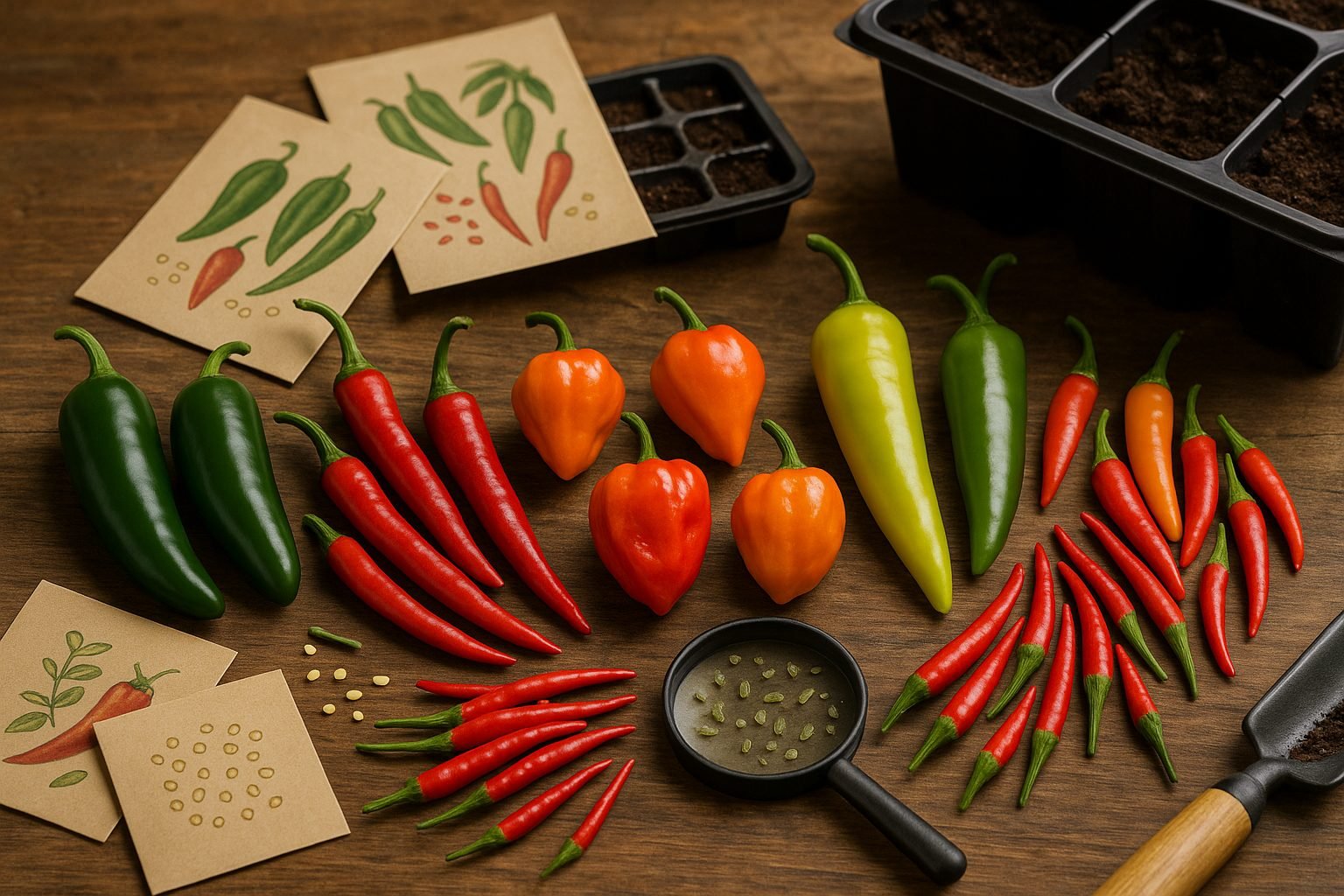
When growing hot peppers with kids, it’s important to pick varieties that are flavorful yet mild enough for children to safely taste and handle. Great kid-friendly options include Banana Peppers, Mini Bell Peppers, Sweet Cherry Peppers, and the popular Pepperoncini. For a bit of adventurous spice without overwhelming heat, consider Anaheim or Padrón peppers—they’re mostly mild but can sometimes surprise your taste buds, making the experience even more fun!
When selecting seeds or seedlings, look for varieties labeled “sweet” or “mild,” and check the Scoville Heat Units (SHU) on the packet or plant tag. The Scoville Scale measures pepper spiciness: sweet bell peppers have a SHU of zero, while habaneros can exceed 100,000! To make learning interactive, encourage kids to guess and compare SHU numbers, then taste-test a few mildly spicy peppers together (after proper washing and handling, of course).
Buy seeds or seedlings from reputable garden centers or online stores with clear product info to ensure you get true-to-type mild varieties. If shopping locally, staff can often recommend gentle peppers perfect for kids’ projects. Always remind children not to touch their eyes after handling any pepper, even mild ones, and to wash their hands thoroughly.
Exploring peppers by their heat, color, and flavor turns gardening into a fun and flavorful science adventure for the whole family!
Starting a Classroom or Home Pepper Garden
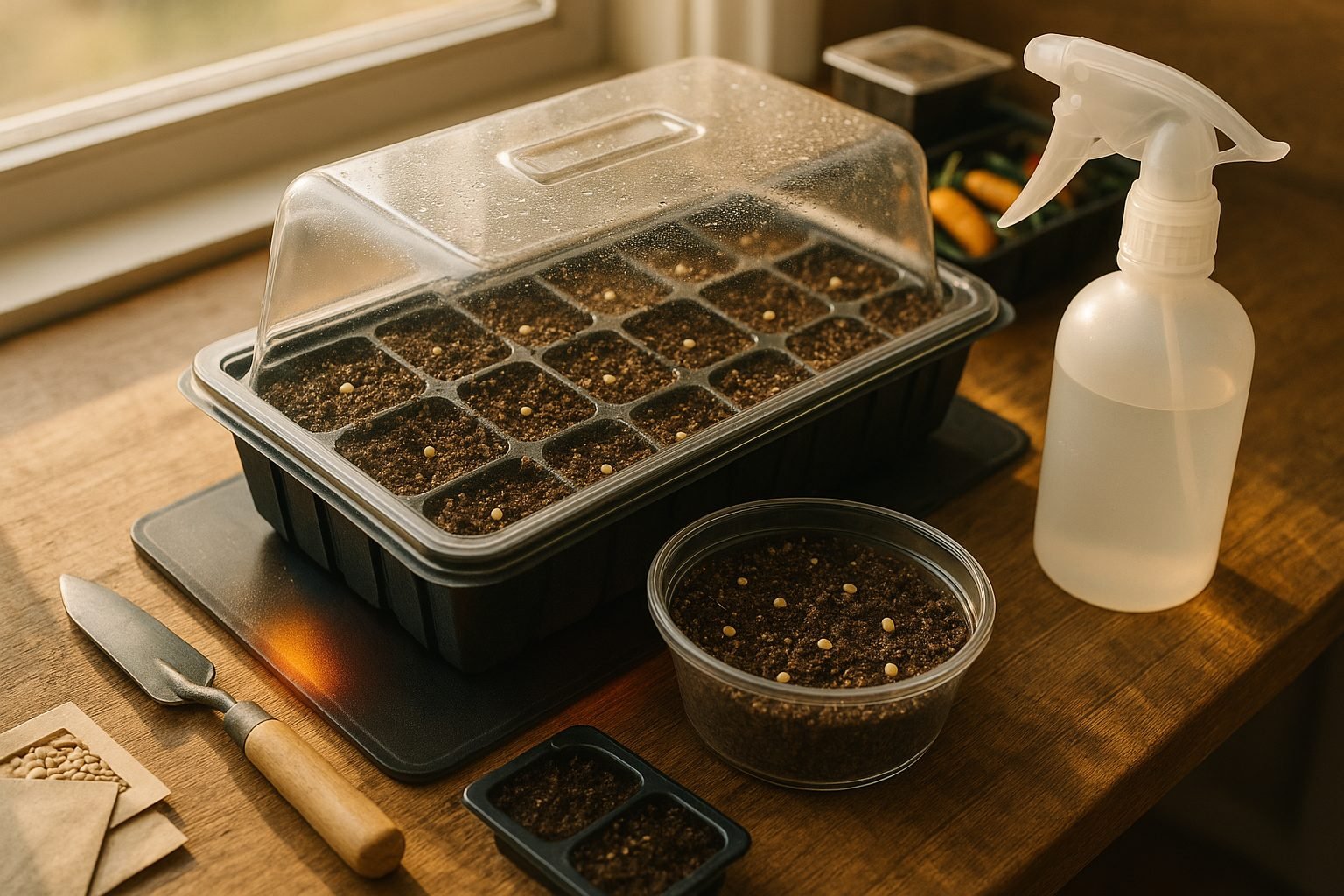
Starting a classroom or home pepper garden is a fantastic way to introduce kids to the wonders of plant science through hands-on learning. Begin by gathering basic materials: hot pepper seeds (choose milder varieties for younger kids), seed trays or small pots, seed starting soil, spray bottles, and labels.
If growing indoors, you’ll want a sunny windowsill or a grow light. For outdoor projects, pick a safe area that gets at least six hours of sunlight daily. Start seeds 8-10 weeks before the final frost date in your area. Fill trays with soil, plant seeds about 1/4 inch deep, gently water using a spray bottle to avoid disturbing them, and cover with a clear lid or plastic wrap to maintain humidity.
Kids can help create colorful labels for each variety, making the setup more personalized and fun. Place the trays in a warm spot (70-80°F), since pepper seeds germinate best with warmth. If possible, use a seedling heat mat.
When sprouts appear in about 7-10 days, uncover the trays and move them to a bright spot, turning them daily so seedlings grow straight. Encourage kids to help water the seedlings, teaching them to check soil moisture and avoid overwatering.
Engage children in daily observation—have them draw pictures of the sprouts, compare heights, and note leaf color or size in a journal. Measuring growth or counting new leaves weekly gives kids a sense of progress and introduces simple data recording.
Once seedlings develop true leaves and outdoor temperatures stay consistently above 60°F at night, begin hardening them off by setting them outside for a few hours each day, gradually increasing the time. For indoor gardens, transplant seedlings to larger pots by sunny windows or under full-spectrum grow lights. Outdoors, plant them in garden beds or containers with good drainage.
Throughout the process, spark curiosity by asking kids questions—like, “Why do plants need sunlight?” and “How does temperature affect growth?”—and encourage them to predict what will happen next. These guided steps make growing hot peppers with kids both educational and enjoyable, providing plenty of opportunities for discovery, teamwork, and scientific thinking.
Exploring Science with Pepper Experiments
Growing hot peppers with kids is a fantastic way to transform everyday gardening into hands-on science lessons. Start with simple experiments like examining the seeds of different pepper varieties—kids will observe that habaneros, jalapeños, and bell peppers each have seeds similar in size, shape, and number. Challenge your kids to predict which peppers are the hottest, then research together to learn the Scoville heat rating for each one.
You can also set up a basic capsaicin solubility experiment using slices of hot pepper (with gloves and adult supervision, since capsaicin can irritate skin). Place the slices in small cups of water and oil, then observe which liquid removes the “heat” from your hands more effectively. This hands-on test shows that capsaicin dissolves in oil but not in water—an exciting chemistry lesson about molecules and solubility.
When comparing pepper types, encourage your children to notice differences in color, shape, and texture. Discuss why peppers change color as they ripen: most start out green and mature to red, yellow, or even purple, depending on the variety. This naturally leads to a conversation about plant biology, including the pepper life cycle.
Use a diagram or garden journal to track how a pepper plant grows—from seed to seedling, flowers, fruit, and back to seed again through harvesting. This is a great chance to reinforce that while peppers are often called vegetables in the kitchen, botanically they’re fruits because they contain seeds. Ask open-ended questions like, “Why do you think some peppers are sweet and others hot?” and “How do peppers protect their seeds?”
By making these discussions interactive and encouraging curiosity, you nurture a love of science and discovery alongside the joy of gardening. Always supervise and remind children not to touch their faces after handling hot peppers. Finish your experiments with a fun taste-test of different peppers—from mild to spicy—if everyone’s feeling adventurous!
Creative Arts and Crafts Using Peppers
Hot peppers aren’t just fun to grow—they’re also a fantastic resource for creative arts and crafts! One easy and engaging project for kids is making pepper prints: simply slice a pepper in half, dip it in washable paint, and press it onto paper to reveal the beautiful star-shaped patterns inside. This activity helps kids explore both color and shape, encouraging them to notice details like the veins in the flesh and the arrangement of seeds.
Another fun and interactive idea is to draw and label the parts of a pepper, such as the stem, seeds, skin, and capsaicin-filled membranes. Using real peppers as models makes this both educational and hands-on. If you have leftover pepper seeds from your garden, try designing DIY seed packets—let kids decorate small envelopes, then fill them with seeds to share with friends or save for next season.
When handling dried peppers, leaves, or seeds, remind kids (and adults!) to wear gloves or wash their hands afterward, since capsaicin can linger and cause irritation. Dried peppers also make great materials for collages, but be sure small children avoid touching their faces or eyes during these activities. Encourage sensory exploration by letting kids compare the smooth, bumpy, or wrinkled textures of different pepper varieties while gently handling each part.
These arts and crafts projects not only reinforce learning about plant biology but also nurture creativity, careful observation, and safe handling habits—all while having fun growing hot peppers with kids.
Tasting Safely: Flavor Exploration Without the Burn
When it comes to growing hot peppers with kids, tasting safely is just as important as cultivating the plants themselves. For a fun and educational tasting event, start with the mildest peppers you’ve grown—sweet banana peppers, shishitos, or even mini bell peppers are great choices. Always have kids wear protective gloves when handling any hot pepper varieties to avoid accidental contact with their eyes or skin.
After rinsing the peppers, slice them into small, bite-sized pieces for easy sampling. Encourage each child to observe the colors and shapes before tasting. As they try each pepper, guide them to focus on the crunchy texture, juicy bursts, and subtle flavors, helping them find words like “fruity,” “grassy,” or “sweet” rather than just focusing on spiciness.
For extra educational fun, share family-friendly dishes from around the world that use mild peppers, such as Italian stuffed peppers or Japanese shishito skewers. If possible, invite parents to join or supervise, especially if you plan to sample traditional recipes together. This approach turns growing hot peppers with kids into an adventurous, all-senses learning experience—showing that peppers offer so much more than just heat!
Learning Beyond the Garden: Cross-Curricular Connections
Growing hot peppers with kids opens the door to a world of cross-curricular learning that goes far beyond the garden. In math, children can measure plant growth, count leaves or peppers, and create bar graphs to track changes over time—turning everyday observations into an interactive statistics lesson.
Want to add some geography? Research where different pepper varieties originate, then help kids locate these places on a world map, drawing lines from their plants to countries like Mexico, India, or Thailand. This sparks discussions about global climates and cultures.
The journey continues with literacy: explore engaging children’s books like Chili Peppers: Hot Tips and Tasty Picks for Gardeners and Gourmets or The Pepper Party Family together. For extra flavor, browse world cuisine cookbooks and let kids pick a simple global recipe featuring peppers—introducing them to new flavors and culinary traditions.
Science comes alive with pepper experiments: track how variations in light, water, or soil affect growth, or investigate which peppers are the hottest using the Scoville scale. These activities can inspire creative science fair projects or classroom presentations—kids can create posters explaining plant life cycles or even display samples and conduct taste tests (with caution and supervision, of course).
By connecting growing hot peppers with math, geography, literacy, and science, you create a rich, memorable experience that weaves learning into every stage of the project.
Conclusion
Growing hot peppers with kids is more than just a fun gardening activity—it’s a fantastic way to teach science, patience, and responsibility. These hands-on projects spark curiosity about plants and the natural world, turning simple seeds into sources of pride and learning. Whether you’re a parent, teacher, or caregiver, trying hot pepper projects together can inspire new skills and create unforgettable memories. We encourage you to start your own pepper-growing adventure and share your experiences, photos, and discoveries with others. By connecting and learning together, we can help kids grow—in every sense of the word!