How to Grow Pumpkins from Seed
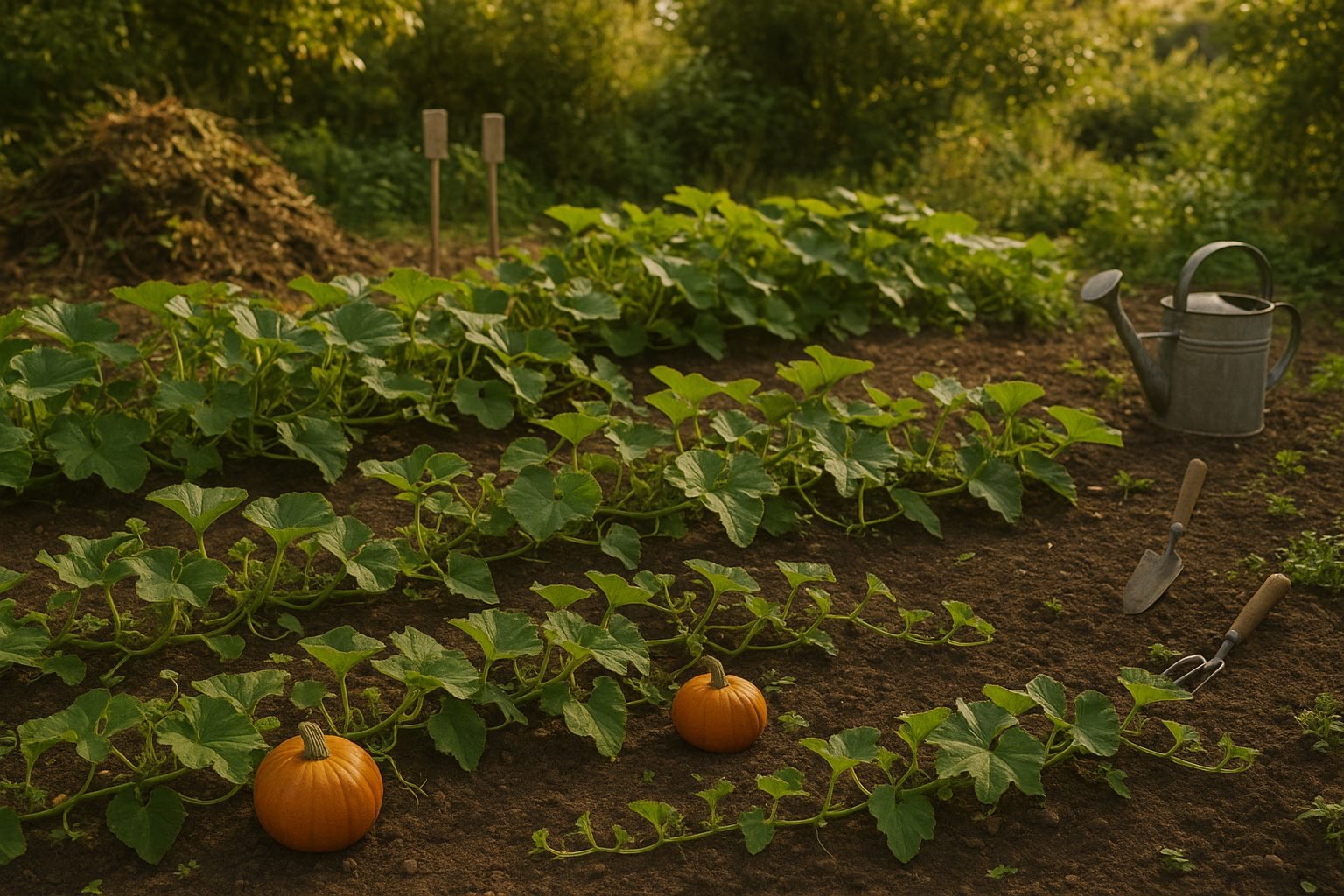
If you’ve ever wondered, “Is a pumpkin trellis needed?” you’re not alone—especially when planning your own pumpkin patch! Growing pumpkins from seed is a fun process, whether you start seeds indoors or sow them directly in your garden.
Starting seeds indoors about 2-4 weeks before your last expected frost gives you a head start, especially in cooler climates. Use peat pots or seed trays filled with rich potting soil, planting seeds 1 inch deep. Water gently and provide plenty of sunlight—either a south-facing window or grow lights work well. If you prefer direct sowing, wait until soil temperatures reach at least 65°F and the danger of frost has passed.
Preparing Your Planting Site
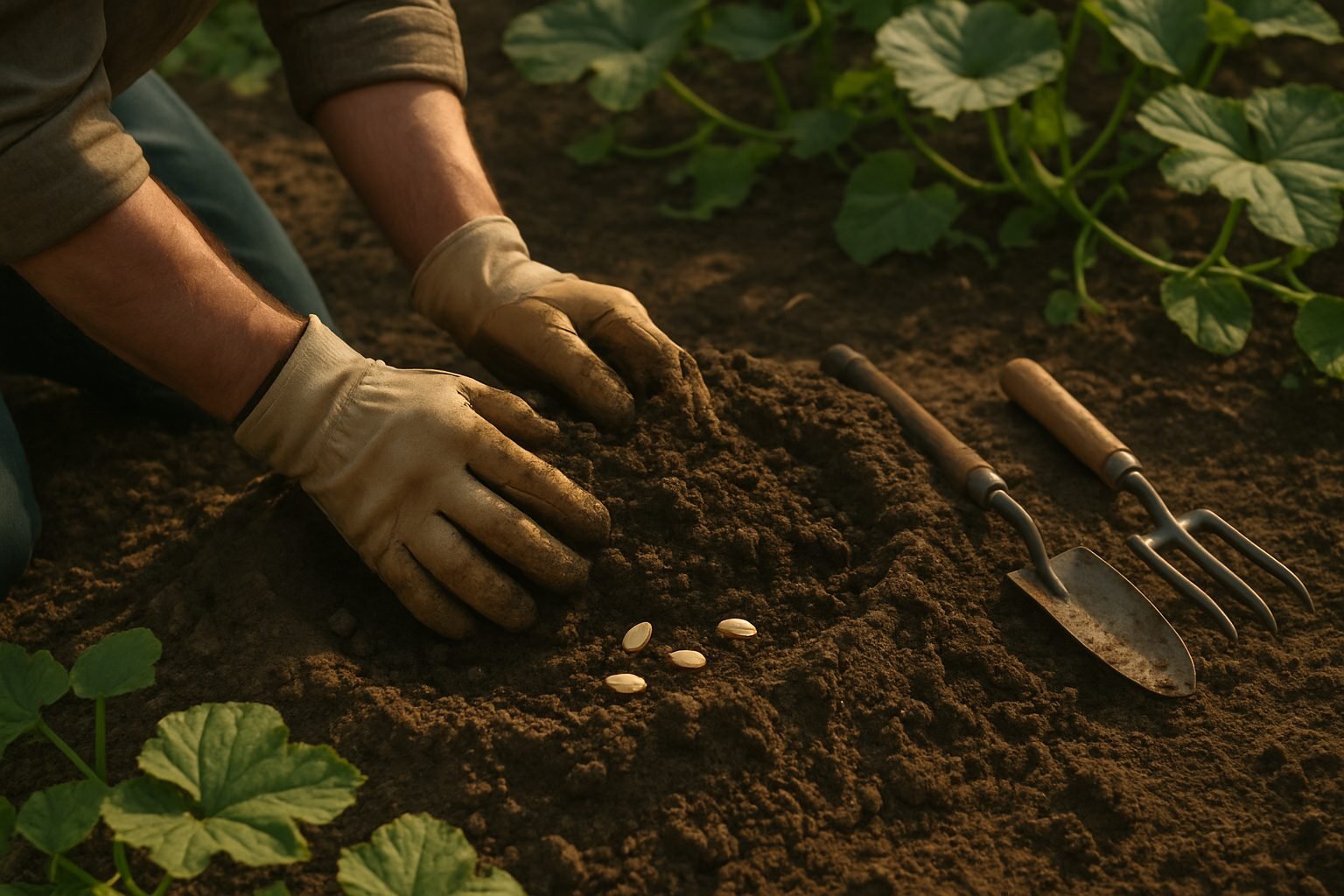
Preparing your planting site is crucial for a healthy crop. Pumpkins love loose, nutrient-rich soil—mix in compost or aged manure to boost growth. Choose a location with at least 6-8 hours of full sun each day; these sprawling vines need warmth and room to roam.
For each hill or mound, space seeds or seedlings 2-3 feet apart, and keep rows about 6 feet apart to ensure they have ample space for their long vines to stretch. Good airflow and drainage also help prevent mildew and root rot issues.
To Trellis or Not to Trellis
When it comes to trellising, the answer depends on your garden space and pumpkin variety. Small and decorative types can be supported vertically with strong trellises, which saves space and keeps fruits cleaner. Larger varieties usually do better sprawling across the ground, as their heavy weight can damage vines if unsupported.
By preparing your soil well and choosing the right growing method, you’ll be set for a successful pumpkin harvest—trellis or no trellis!
Best Pumpkin Varieties to Grow
When it comes to growing pumpkins, choosing the right variety can make all the difference, whether you want a classic jack-o’-lantern, delicious pie filling, or a splash of ornamental color.
For carving, Howden and Connecticut Field are traditional favorites thanks to their large size and sturdy walls. If your focus is on flavor, smaller varieties like Sugar Pie or Baby Pam offer sweet, dense flesh perfect for baking. Ornamental lovers can try Jack Be Little or Mini Harvest Blend—these tiny, decorative pumpkins are ideal for tabletops and craft projects.
Don’t worry if you’re short on space: bush varieties such as Bushkin, Bush Baby, or compact Wee-B-Little are well-suited for small gardens, containers, or even sturdy trellises—just remember to support their fruit! Container gardeners can also try Small Sugar or climbing Tromboncino for vertical interest.
When selecting seeds, consider your climate:
- Northern gardeners should look for early-maturing types (85–95 days).
- Those in warmer areas can grow larger, later varieties.
Always match pumpkin size to your available space—mini and bush types work great for patios, while sprawling vines are best for in-ground plots. Start with a few well-chosen seeds, and you’ll soon have pumpkins perfect for every autumn occasion.
Caring for Your Pumpkin Plants
Keeping your pumpkin plants thriving starts with proper watering, fertilizing, and mulching. Pumpkins need consistently moist soil, so water deeply once or twice a week, aiming for about an inch of water. Use drip irrigation or a soaker hose to keep leaves dry, which helps prevent fungal diseases. Water early in the morning so the foliage dries quickly.
For feeding, pumpkins are heavy feeders—mix compost or well-rotted manure into the soil before planting. Then, side-dress with a balanced organic fertilizer (like a 5-5-5 NPK) once the vines start running and again when flowers appear.
Mulching with straw, shredded leaves, or untreated grass clippings helps retain moisture, suppress weeds, and keeps fruit off damp soil, reducing the risk of rot.
Pest Management
Keep an eye out for common pests such as squash bugs, cucumber beetles, and aphids. Handpick larger pests or blast smaller ones off with a strong spray of water. Floating row covers early in the season can block bugs, but remember to remove them at flowering so pollinators can reach the blooms.
Disease Prevention
Powdery mildew and downy mildew are frequent diseases—space vines well for good air circulation, remove affected leaves promptly, and spray with homemade solutions like diluted milk or neem oil as organic prevention.
Space Management and Care Tips
- Train vines to grow in specific directions by gently repositioning them.
- Guide vines up sturdy trellises if you’re growing smaller varieties.
- Place boards or cardboard under developing pumpkins to prevent soil contact and rot.
With good care and some practical solutions, you’ll be on your way to a hearty pumpkin harvest, even if you have limited garden room.
Benefits and Fun Facts about Pumpkins
Pumpkins are more than just festive fall decorations or the star of your favorite pie—they pack a powerful nutritional punch. Rich in vitamin A, pumpkins help boost your immune system and support healthy eyesight. They’re also loaded with fiber, making them great for digestion, and contain antioxidants such as beta-carotene, which may lower the risk of certain chronic diseases.
Beyond their health perks, pumpkins have a fascinating history. Native to North America, they’ve been grown for thousands of years and were a crucial food source for Indigenous peoples long before they became Halloween icons.
Speaking of Halloween, did you know that the original jack-o’-lanterns were made from turnips and potatoes in Ireland? When immigrants arrived in America, they found that pumpkins were perfect for carving.
Pumpkin seeds are a healthy snack, full of protein and magnesium, and pumpkin flesh can be used in soups, smoothies, and even savory pasta dishes. Even the bright orange color is a signal of its nutritious goodness!
If you’re looking for an easy way to add flavor and nutrition to your meals, try roasting cubed pumpkin as a side dish or adding a scoop of canned pumpkin to your morning oatmeal.
Harvesting Pumpkins
Knowing when to harvest pumpkins is key to getting the best flavor and longest storage life. Look for pumpkins with a deep, consistent color—usually a rich orange—and a hard rind you can’t puncture with your fingernail. The stem should be hard and starting to shrivel, not green and soft.
When harvesting, always use a sharp knife or sturdy garden shears rather than twisting or pulling the pumpkin, which can damage both the fruit and the vine. Cut the stem leaving several inches attached, as a longer stem helps prevent rot.
After picking, cure your pumpkins by placing them in a warm, dry location (about 80°F) with good air circulation for 10 to 14 days. This toughens the rind and heals any small cuts, making them last longer in storage.
Once cured, store pumpkins in a cool, dry area, ideally between 50-60°F and out of direct sunlight. Don’t stack them, as this increases the risk of bruising and rot.
Common harvesting mistakes include picking too early, which leads to underdeveloped flavor and poor storage, or carrying pumpkins by the stem, which can snap off and expose the fruit to decay. Always handle pumpkins gently and avoid rough treatment to maximize their quality and shelf life; one careless cut or drop can mean the difference between a holiday decoration and a pile of mush by Halloween.
Companion Planting and Growing Pumpkins Vertically
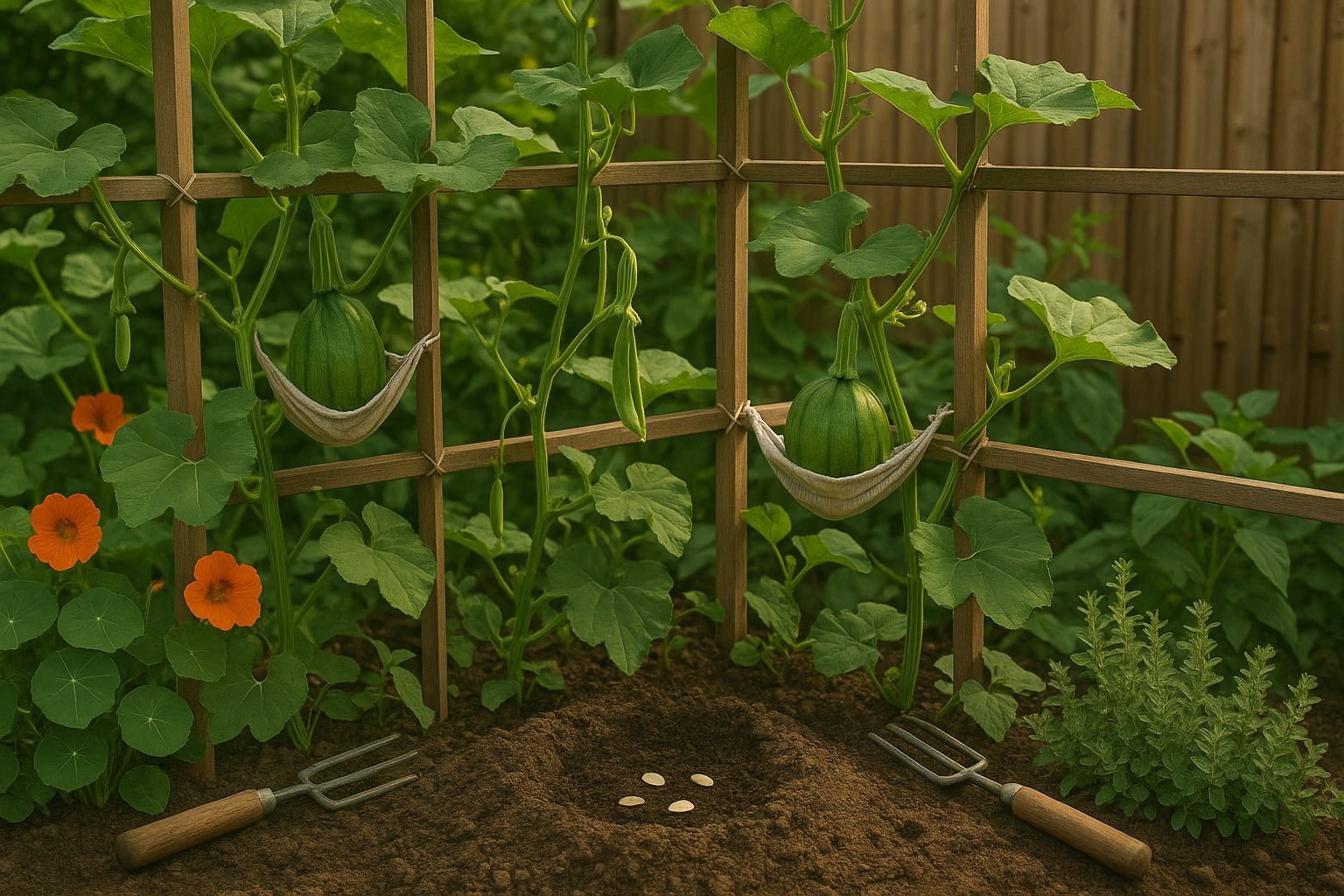
Companion planting can make your pumpkin patch more productive and easier to manage, especially if you’re working with limited space. Great companions for pumpkins include beans, which fix nitrogen in the soil and help nourish your pumpkins as they grow. Nasturtiums and marigolds are also beneficial, as they repel common pests like squash bugs and beetles.
Radishes can be planted between pumpkin vines to deter cucumber beetles, while aromatic herbs such as oregano or mint may confuse pests with their strong scents.
If space is tight, consider growing pumpkins vertically using sturdy trellises, fencing, or A-frame supports. This method lifts the vines off the ground, improving air circulation and reducing the risk of rot and diseases. It also keeps the fruit cleaner and makes harvesting easier.
Choose smaller or “mini” pumpkin varieties for vertical gardening, as they are lighter and less likely to break off the vine. As vines grow, gently train them to wind around the trellis by tying them loosely with soft garden twine or old pantyhose—just be careful not to constrict the stems.
When pumpkins begin to form, support the developing fruits by making slings from old t-shirts or mesh produce bags. Create a cradle under each pumpkin and tie it securely to the trellis.
With the right companion plants and a bit of support, you can maximize your pumpkin harvest without sacrificing yard space or plant health.