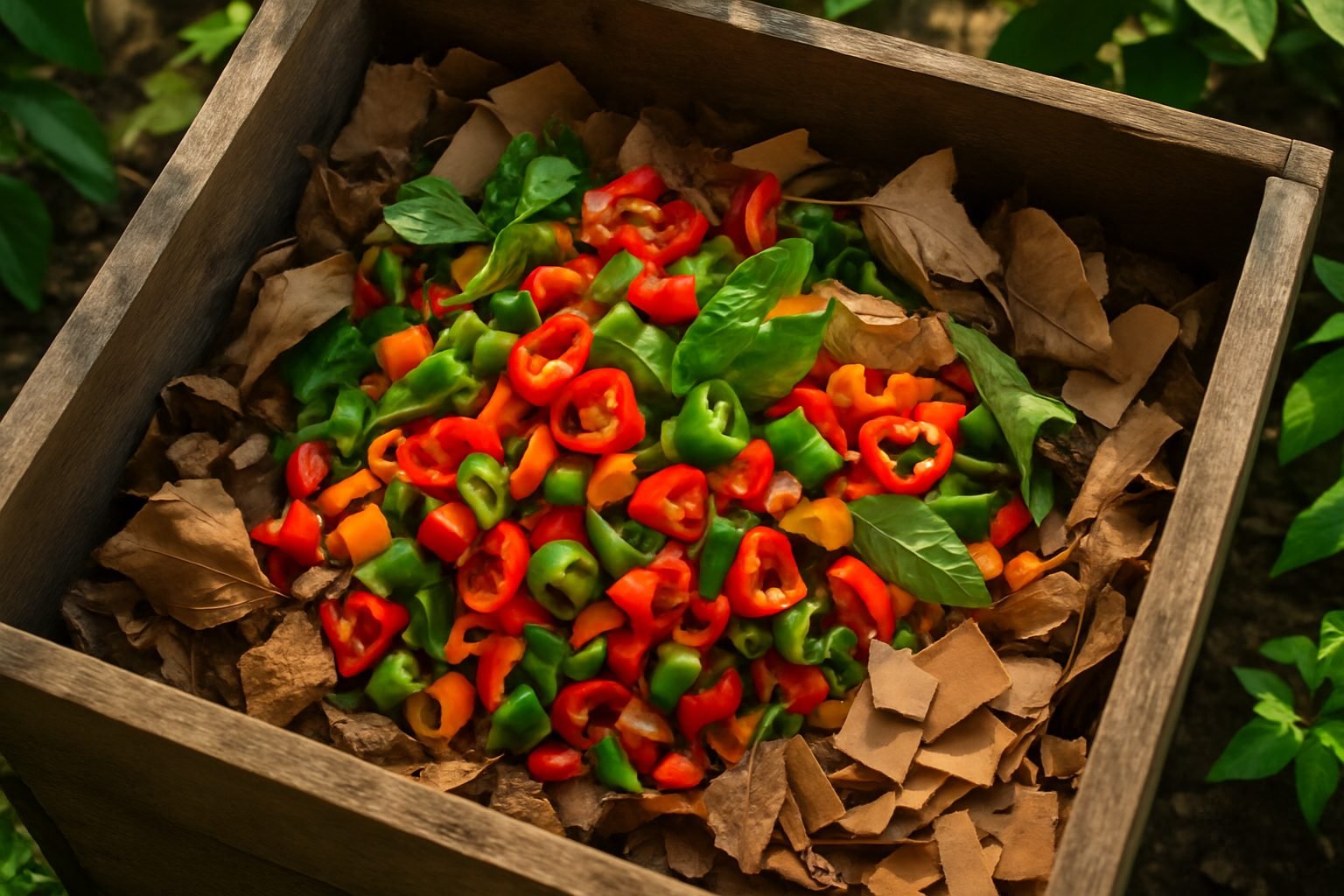
Why Compost Peppers?
Composting hot peppers is a simple yet powerful way to turn kitchen waste into a valuable garden resource. Every year, tons of food scraps end up in landfills, where they break down slowly and release methane—a harmful greenhouse gas. By composting pepper scraps instead, you actively reduce landfill waste and shrink your environmental footprint.
hot pepper scraps, along with their sweet and bell pepper cousins, are packed with nutrients like potassium and vitamin C that break down to enrich your compost pile. Pepper stems, seeds, and trimmings all compost safely, despite common concerns that spiciness might harm compost microbes; the heat quickly dissipates as the materials decompose.
Whether you’re snipping off the tops of fiery habaneros or tossing out the inner ribs of bell peppers, adding these scraps to your compost boosts microbial activity and improves soil health. The end result? Richer garden beds, healthier plants, and a more sustainable way to handle kitchen waste. Composting hot peppers is not only safe but incredibly beneficial for both your garden and the environment.
Preparing Peppers for Composting
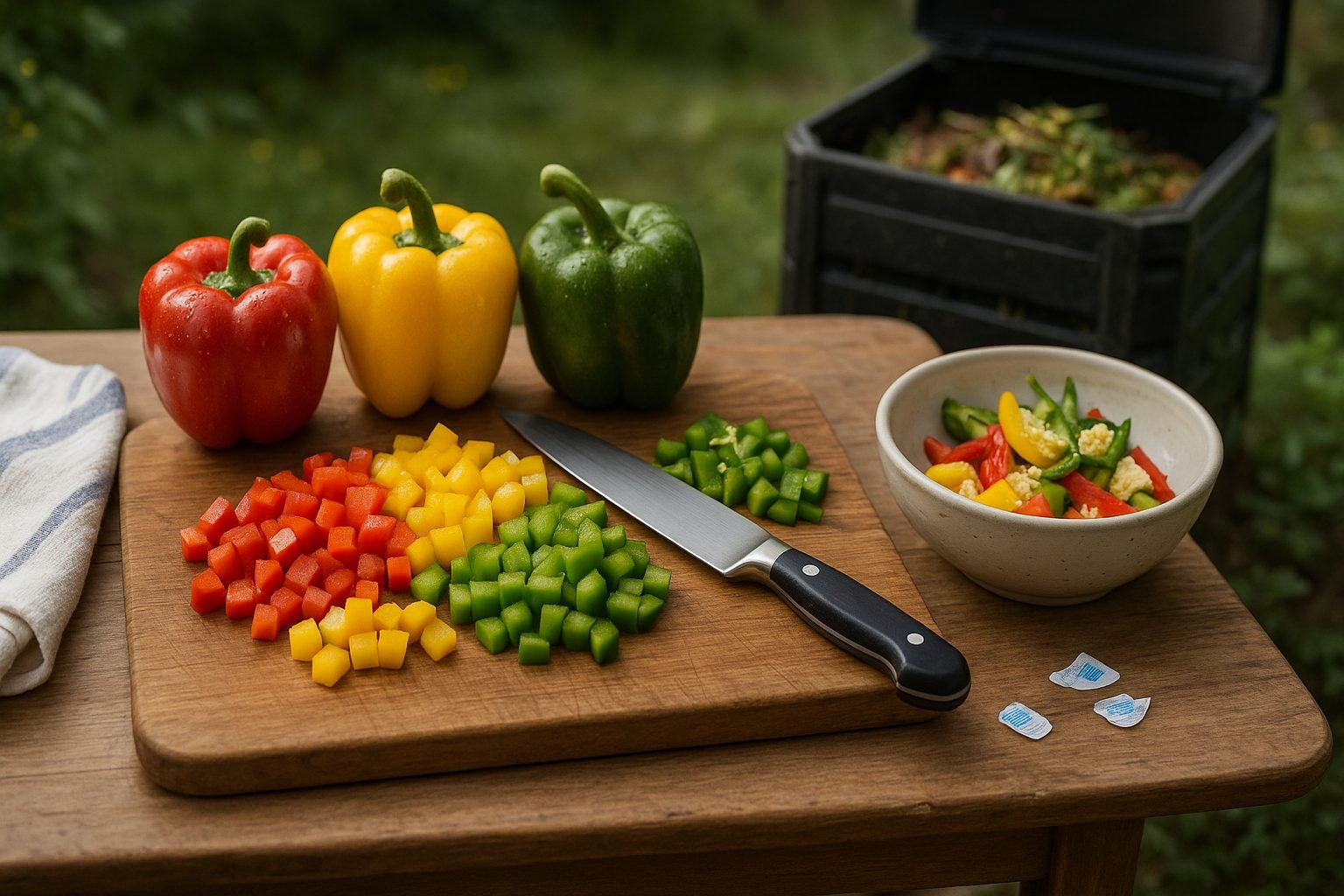
Before adding peppers to your compost bin, take a few quick steps to ensure they break down efficiently and don’t attract unwanted pests. First, check your peppers for any stickers or plastic tags, and remove these, as they won’t decompose and can contaminate your compost.
Give the peppers a good rinse to remove any residual pesticides or dirt, even if they’re organic. Next, chop the peppers into small pieces—one- or two-inch chunks work well—to help them decompose faster and mix more easily into your compost pile.
When prepping peppers, you don’t have to separate out seeds, stems, or cores; all of these parts are safe to compost, although thicker stems may take longer to break down than the flesh. If you want to speed things up, chopping stems a bit smaller can help.
Both raw and cooked peppers can be added to the compost bin, but keep in mind that cooked peppers should be free from oil, salt, and heavy spices, as these additives can upset the balance of your compost or attract pests.
By thoroughly preparing your peppers, you help your compost pile break down materials efficiently, turning kitchen scraps into rich garden soil.
Potential Issues When Composting Peppers
Composting peppers can pose a few challenges if you’re not careful. Peppers, especially the thicker-walled varieties, often decompose more slowly than softer produce, so it’s a good idea to chop them up before tossing them into your compost pile.
If you’re composting hot peppers, watch out for their capsaicin content—the compound that gives them heat—since it can linger in your finished compost and may irritate your skin or impact sensitive plants. Always wear gloves when handling spicy scraps to avoid accidental irritation.
Peppers can also throw off your compost’s balance; they’re mildly acidic, so adding too many at once could lower the pH and slow down the process. Plus, piles heavy with pepper scraps may become wet and start to smell, so balance them with dry, carbon-rich materials like leaves or shredded cardboard.
With a little attention, peppers can become a healthy addition to your compost mix.
Tips for Successful Pepper Composting
Composting peppers can be highly rewarding, but it’s important to follow a few best practices for great results. Start by chopping peppers into small pieces; this not only helps them break down faster but also discourages pests attracted by larger chunks of food.
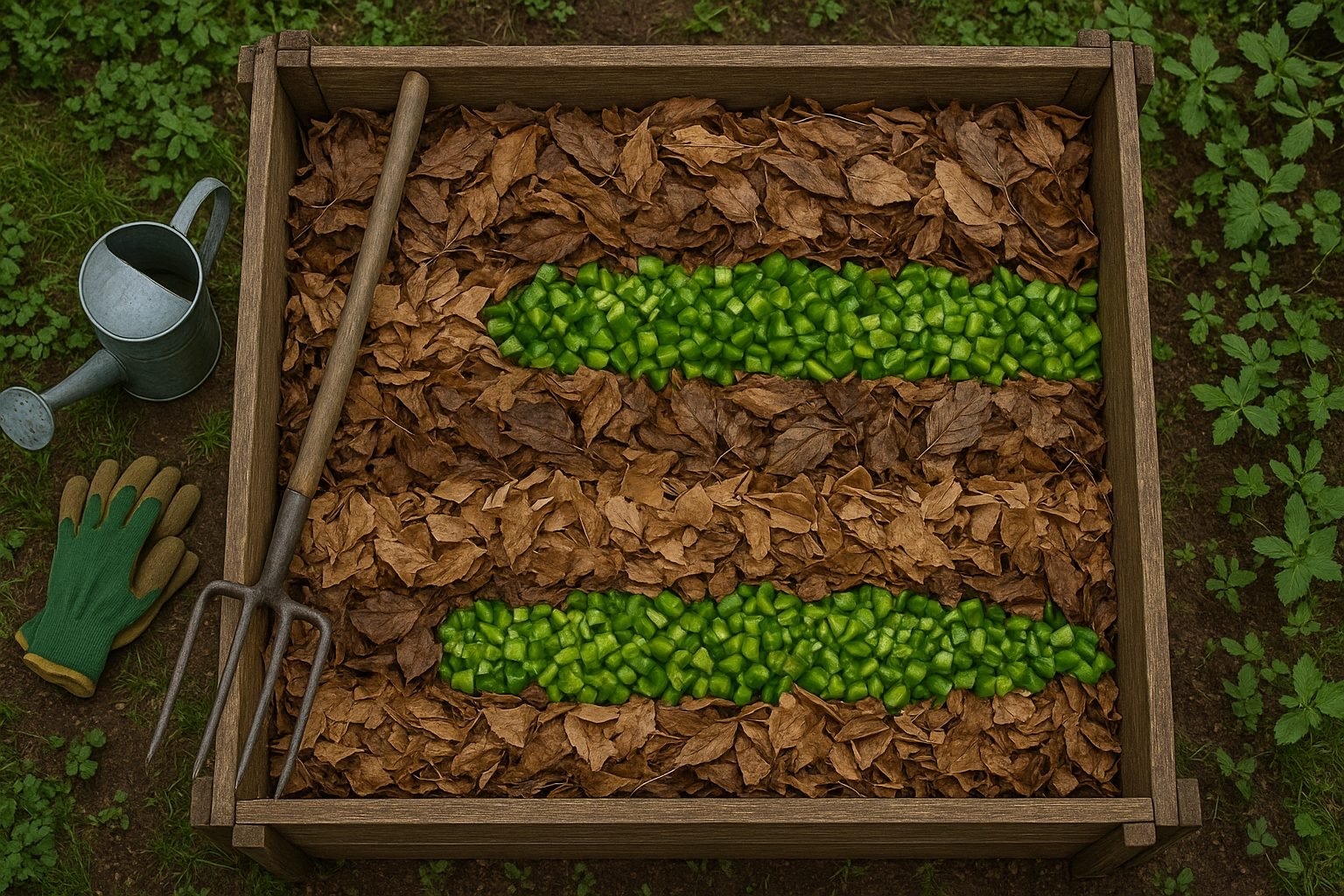
Since peppers are considered “green” material (rich in nitrogen), balance them with “brown” materials such as dried leaves, shredded cardboard, or straw. Aim for a ratio of roughly three parts brown to one part green—this helps avoid strong odors and ensures the microbes in your compost have the right mix to thrive.
Each time you add a layer of peppers, cover them with brown material to mask smells and help the pile heat up. Regularly turn and mix your compost to ensure everything gets enough air; this speeds up decomposition and prevents the pile from becoming soggy or compacted, which can cause rot.
Check the moisture frequently: the compost should feel like a wrung-out sponge—not too dry or waterlogged. By following these tips, you’ll transform spicy pepper scraps into nutrient-rich compost that will give your garden beds a natural boost.
Common Questions About Composting Peppers
Many people wonder if spicy peppers are safe to compost, and the answer is yes—hot peppers, including jalapeños and habaneros, can go into your compost pile. Some worry that the spice, or capsaicin, will harm worms or microbes, but in a healthy, balanced pile, the heat is usually diluted as materials break down.
There’s also a common myth that composting will remove capsaicin entirely, but the heat from typical backyard composting isn’t strong enough to neutralize it completely; small traces can linger, so handle matured compost with care around sensitive plants or skin.
Moldy peppers are generally fine to compost, as natural decomposition by fungi is part of the process. However, cooked peppers, especially those with oil or sauce, are best kept out because fats can slow down composting and attract unwanted pests.
Pepper seeds sometimes survive composting, especially if your pile doesn’t get hot enough, so you might spot surprise pepper seedlings later. You can either weed them out or let them grow if you like a wild garden!
When it comes to pests, peppers themselves are unlikely to invite rodents unless mixed with other tempting scraps. To keep critters at bay and ensure your pile breaks down efficiently, cover your compost with plenty of brown, carbon-rich material like leaves.
Troubleshooting and Extra Tips
If your pepper compost pile seems to be breaking down slowly, try chopping the peppers into smaller pieces and mixing in more green materials like grass clippings or kitchen scraps to boost decomposition.
Unpleasant smells often signal too much moisture or not enough airflow; simply add more dry materials such as shredded newspaper or leaves, and turn the pile every few days to refresh the oxygen supply.
For pest problems—like fruit flies or rodents—make sure your compost is well-covered and all pepper scraps are buried at least six inches deep.
Composting a large volume of peppers can lead to imbalance, so always alternate layers of peppers with browns like straw or cardboard to soak up excess moisture and maintain a good carbon-to-nitrogen ratio.
Don’t forget to keep your pile moist, but not soggy—a handful squeezed should feel like a wrung-out sponge—and monitor for hot spots, turning them as needed to ensure even breakdown.
Final Thoughts and Composting Beyond Peppers
Composting peppers at home is simple—just chop them into small pieces, mix them with browns like dried leaves, and keep your pile moist but not soggy. Don’t worry about the seeds or a little spice; they usually break down just fine.
Go beyond peppers and add apple cores, carrot tops, and coffee grounds for a well-balanced compost mix. By recycling a variety of kitchen scraps, you’ll create rich, healthy soil that nourishes your garden and keeps valuable waste out of the landfill.
Every small effort in composting adds up to a more sustainable, eco-friendly lifestyle and stronger plants.