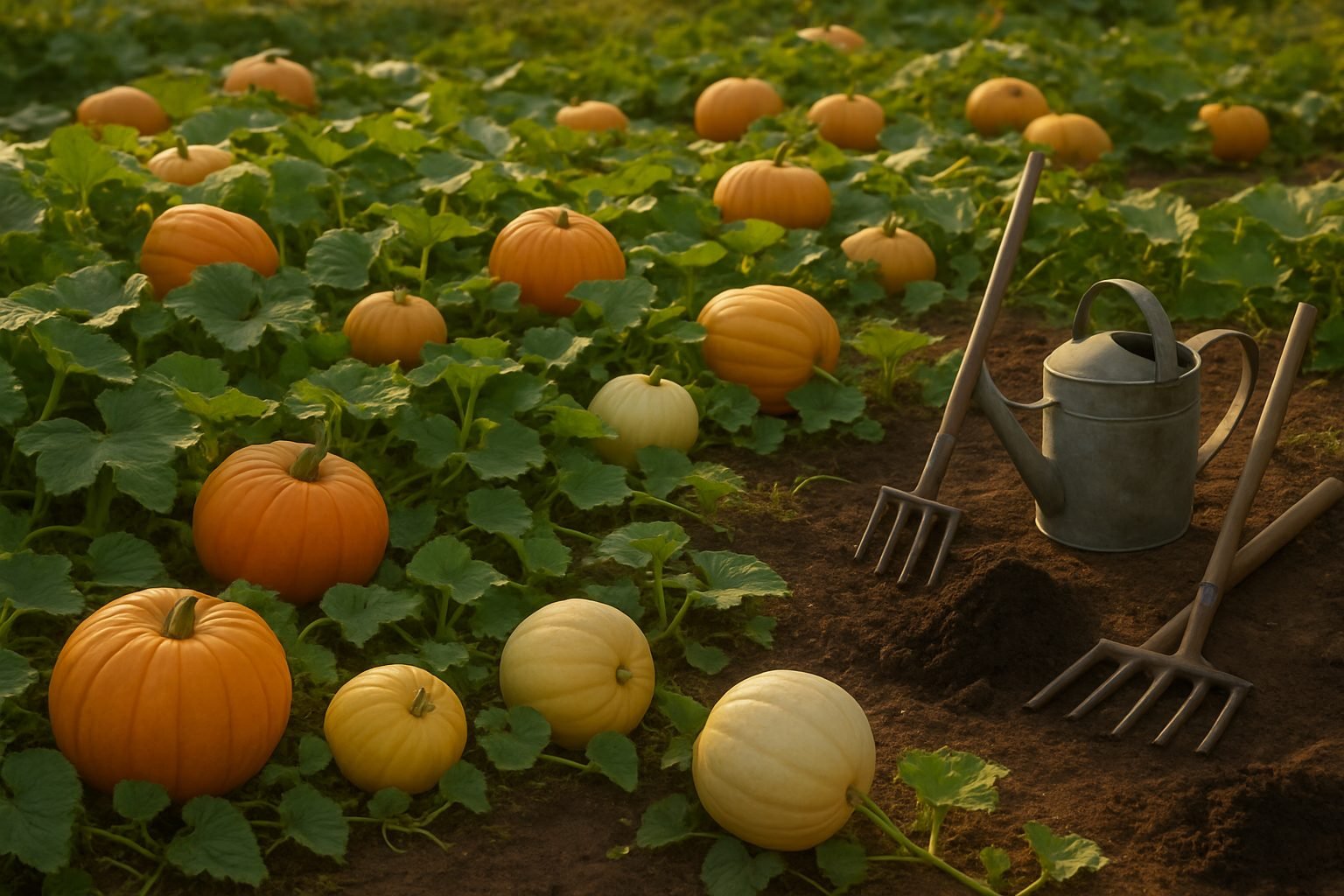
When to Plant Pumpkins
Wondering when to plant pumpkins for the perfect fall harvest? You’re not alone—pumpkins are a favorite among gardeners for their versatility, from jack-o’-lantern carving to homemade pies. But because they’re so seasonal, timing is everything if you want a bountiful crop before the first frost arrives. Plant too early, and young seedlings risk damage; plant too late, and your pumpkins might not mature in time, especially as the days grow cooler.
Since climate and soil temperatures vary widely across the United States, the best time to plant depends greatly on your specific USDA zone. For example, gardeners in zone 5 might start seeds indoors in early May, while those in warmer zones can direct-sow seeds much sooner. In this post, you’ll learn how to pinpoint the ideal planting window for pumpkins in your area by considering frost dates, spring weather, and zone-specific tips to help you grow a thriving pumpkin patch this year.
Understanding Pumpkin Growth Basics
Before diving into when to plant pumpkins, it’s essential to understand their growth basics for a successful harvest. Pumpkin seeds germinate best when soil temperatures are consistently between 70°F and 95°F, with the ideal temperature around 85°F. Under the right conditions, seeds usually sprout within 7 to 10 days, producing sturdy seedlings that thrive in full sun and rich, well-drained soil.
Pumpkins go through several stages: seedling, vining, flowering, fruit setting, and ripening. The entire growth cycle—from seed to harvest—typically takes between 90 and 120 days, depending on the variety. Since pumpkins are frost-sensitive throughout their development, timing is crucial. The best planting time is closely linked to your region’s last expected frost date. Pumpkin seeds should only be sown outdoors after the danger of frost has passed and the soil has warmed sufficiently.
In colder climates, start seeds indoors about two to four weeks before the last frost, then transplant seedlings after hardening them off. Protect young plants from sudden cold snaps or late frosts by using row covers, cloches, or even overturned buckets at night. Monitoring local weather forecasts and checking soil temperature with a simple thermometer will improve your chances of growing strong, healthy pumpkins.
By respecting frost dates and understanding these growth fundamentals, you’ll set your pumpkins up for a robust growing season and a rewarding autumn harvest.
USDA Hardiness Zones Explained
Understanding when to plant pumpkins starts with knowing your USDA Hardiness Zone. These zones, mapped by the United States Department of Agriculture, show regions with similar average minimum winter temperatures. Each zone covers a 10-degree Fahrenheit range, providing gardeners a useful guide to anticipate frost and cold impacts on their crops.
Since pumpkins are frost-sensitive and require a long, warm growing season, your zone determines how early—or late—you should plant seeds outdoors. Living in Zone 3? You’ll have a much shorter planting window than someone in Zone 9.
To find your specific zone, use the USDA’s online interactive map or enter your zip code on gardening sites like the National Gardening Association or your local county extension service website. Neighborhood nurseries and garden centers are also great resources, as they’re usually familiar with planting schedules based on zones.
Once you know your zone, you’ll better understand how to work with your local climate. This knowledge preps you for the zone-specific planting recommendations coming up in this guide. Whether you’re growing pumpkins for fall décor or delicious pies, timing your planting to your region’s unique conditions gives you the best chance for success.
When to Plant Pumpkins by Region (Zones 3–5)
Gardeners in cooler climates, specifically USDA Zones 3 through 5, face unique challenges when deciding when to plant pumpkins. The shorter growing season means less time for pumpkin vines to mature, and unpredictable late spring frosts can threaten tender seedlings.
In these zones, the typical last frost dates fall between mid-May and early June, so sowing seeds directly outdoors too early can be risky. For the best results, many northern gardeners start pumpkin seeds indoors about 2–4 weeks before the last expected frost. This jump-starts growth and ensures plants are ready to thrive once outdoor temperatures stabilize.
Use peat pots or biodegradable seedling trays to avoid disrupting roots during transplanting, since pumpkins are sensitive to disturbance. If you prefer direct sowing, wait until the soil has warmed to at least 65°F—usually about one to two weeks after the last frost date—to help seeds sprout quickly and avoid rot.
In these regions, early-maturing varieties make a big difference. Look for types like ‘Early Sweet Sugar Pie’ or ‘Jack Be Little,’ which can mature in as little as 90–100 days. Bush or compact pumpkin varieties like ‘Bush Baby’ or ‘Baby Pam’ are also great choices, as they require less space and ripen faster than larger, sprawling types.
Remember to monitor young plants for late cold snaps and consider using row covers for extra protection during the first few weeks. By choosing the right planting time and suitable pumpkin varieties, gardeners in Zones 3 to 5 can enjoy a successful harvest come fall, rewarding their efforts despite the shorter, cooler season.
Planting in Temperate Climates (Zones 6–7)
Gardeners wondering when to plant pumpkins in temperate climates—Zones 6 and 7—benefit from a moderate-length growing season, typically lasting from the last frost in spring to the first frost in fall. This provides about 120 to 150 frost-free days, enough to grow most traditional pumpkin varieties if you time your planting correctly.
The ideal time to plant pumpkins outdoors in these zones is after the risk of frost has passed and soil temperatures are consistently above 65°F—usually from late April through early June. If you want to harvest pumpkins in time for Halloween or fall events, count backward from your target harvest date, since most pumpkins need 85 to 110 days to mature.
For larger pumpkins or slower-warming springs, consider starting seeds indoors 2–3 weeks before the expected last frost. This gives your young plants a head start and lets you transplant them outdoors once conditions are warm enough.
When selecting varieties, choose classics like ‘Jack-o’-Lantern’, ‘Howden’, or more compact options such as ‘Baby Boo’ and ‘Sugar Pie’—all of which perform well in Zones 6 and 7.
To maximize pumpkin yields, provide plenty of sunlight, rich, well-drained soil amended with compost, and consistent moisture, especially during flowering and fruit development. Space plants generously—at least 3 to 5 feet apart—to promote healthy vine growth and good airflow.
Mulching around the base helps conserve moisture and control weeds. If pollinators are scarce, hand-pollinating blossoms can improve fruit set. By choosing the right planting window and variety and giving your pumpkins attentive care, you’ll enjoy a rewarding harvest perfectly timed for autumn celebrations.
Warm Climate Pumpkin Planting (Zones 8–10)
Gardeners in USDA Zones 8 to 10 benefit from a longer growing season, making these regions ideal for pumpkins. However, the warm weather that promotes growth can also present challenges, as excessive heat may stress young pumpkin plants. The key is to time your planting to avoid the peak midsummer heat while giving pumpkins enough time to mature.
For spring crops, plant pumpkin seeds outdoors once soil temperatures reach at least 70°F—usually from late March to mid-April, depending on your last frost date. This timing helps vines establish before the hottest part of summer arrives. In areas with mild autumns and late frosts, you can also plant a second crop in July or early August for a late fall harvest—perfect for Halloween or Thanksgiving.
To combat persistent heat, choose pumpkin varieties bred for warm climates, such as ‘Lumina,’ ‘Musquee de Provence,’ or ‘Baby Pam,’ which are more heat-tolerant. Because rapid evaporation is common in these zones, consistent deep watering is essential—aim for 1 to 2 inches of water per week, applied early in the morning or late in the afternoon to reduce water loss. Mulching helps retain soil moisture and keep roots cool, while shade cloth can protect young seedlings during extreme heat waves.
By carefully planning when to plant pumpkins, selecting suitable varieties, and watering diligently, gardeners in the hottest zones can grow healthy, thriving pumpkins right in their backyard.
“`html
Tips for Success Regardless of Zone
No matter which zone you’re growing in, several universal tips can maximize your pumpkin success. Begin with soil preparation: pumpkins love rich, well-drained soil with plenty of organic matter. Before planting, work compost or aged manure into the top 6-8 inches of your garden bed to ensure a strong nutritional foundation. Good drainage is essential, as soggy roots can lead to disease.
Space your pumpkin plants generously—most varieties need at least 3-5 feet between hills or mounds, with rows 6-10 feet apart. This spacing not only gives vines room to sprawl but also improves air circulation, helping to prevent mold and mildew.
Consistent watering is key, especially as young plants establish and when fruit is developing. Aim for deep, infrequent watering to encourage roots to grow downward; early morning is best to minimize evaporation and reduce fungal risks. Use mulch—straw or leaf mulch works well—to retain soil moisture, suppress weeds, and keep ripening pumpkins clean.
Fertilize with a balanced fertilizer early on, then switch to one higher in phosphorus and potassium (and lower in nitrogen) once flowers form to promote fruit development.
Stay vigilant for pests like squash bugs, cucumber beetles, and vine borers. Handpick pests when possible, use floating row covers early in the season, and rotate crops yearly to break pest cycles. Inspect leaves regularly for signs of powdery mildew or bacterial wilt, and remove infected foliage promptly.
By combining these practices—rich soil, strategic spacing, regular watering, mulching, targeted feeding, and active pest monitoring—you’ll boost your chances of a bountiful pumpkin harvest no matter your location.
“`
Conclusion & Next Steps
Knowing when to plant pumpkins makes all the difference, and the best timing depends on your growing zone. Gardeners in cooler, northern zones should wait until the risk of frost has completely passed—usually late May to early June—while those in warmer, southern zones can start as early as April. Remember, pumpkins need soil temperatures above 60°F to thrive, so using a soil thermometer is a smart move.
Planning ahead not only gives your pumpkins enough time to mature before the fall harvest but also helps you avoid late-season diseases and weather surprises. Keep an eye on your local forecast and jot down key planting dates for future reference—consistency really pays off.
If you’re eager to grow the best pumpkins, check out our related guides on watering and fertilizing pumpkins, tips for proper harvesting, and how to troubleshoot common pumpkin problems like powdery mildew or poor fruit set. A little preparation can lead to a bumper pumpkin crop!