Introduction
A successful pumpkin harvest depends on more than just good soil and plenty of sunlight—it hinges on following a smart pumpkin fertilizer schedule. Pumpkins are hungry plants, and neglecting their changing nutritional needs as they grow can stunt development or limit the number and size of your fruits. Whether you’re aiming for a prize-winning giant or a patch full of jack-o’-lanterns, getting the timing and nutrients right at every stage makes all the difference.
In this article, we’ll break down a practical, stage-by-stage fertilizer plan to help you nurture pumpkins from seedling to harvest. You’ll learn not only when to feed your plants but also which nutrients matter most at each growth phase—so you can avoid common mistakes and enjoy healthier vines, more vigorous blooms, and bigger, tastier pumpkins. Stick with this stage-wise approach, and you’ll see how thoughtful fertilization is truly the secret to a thriving, productive pumpkin patch.
Understanding Pumpkin Growth Stages
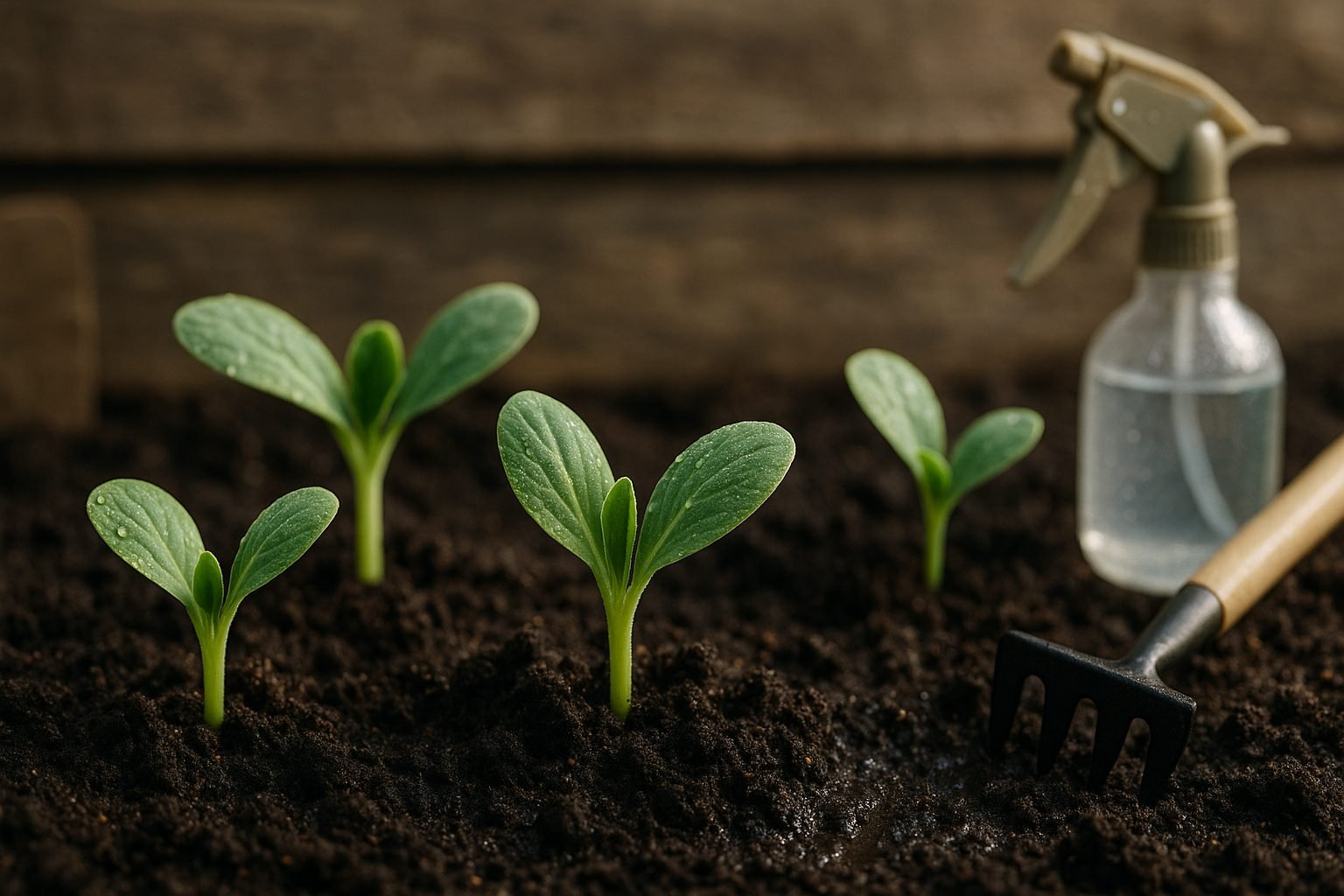
Grasping the distinct growth stages of pumpkins is the first step to creating an effective pumpkin fertilizer schedule. It all starts with the seedling stage, when young sprouts emerge from the soil with their first set of true leaves. At this point, pumpkins need more phosphorus to encourage healthy root development, as the plants are still small and vulnerable.
Next is the vining stage—long, trailing vines spread quickly across the ground. During this phase, nitrogen is essential to fuel rapid leaf and stem growth. You’ll know your pumpkins have entered this stage when runners appear, and the leaves increase in size and number.
As the season advances, flowering marks the next phase. Bright yellow blossoms start appearing, signaling the need for a balanced fertilizer that supports both vine health and bloom production. Look out for both male and female flowers; female blooms have a tiny swelling at the base.
The fruit set stage follows, when fertilized female flowers develop into small pumpkins. Potassium becomes crucial now to support fruit formation and prevent issues like blossom end rot. You’ll notice newly forming green pumpkins that swell quickly during this phase.
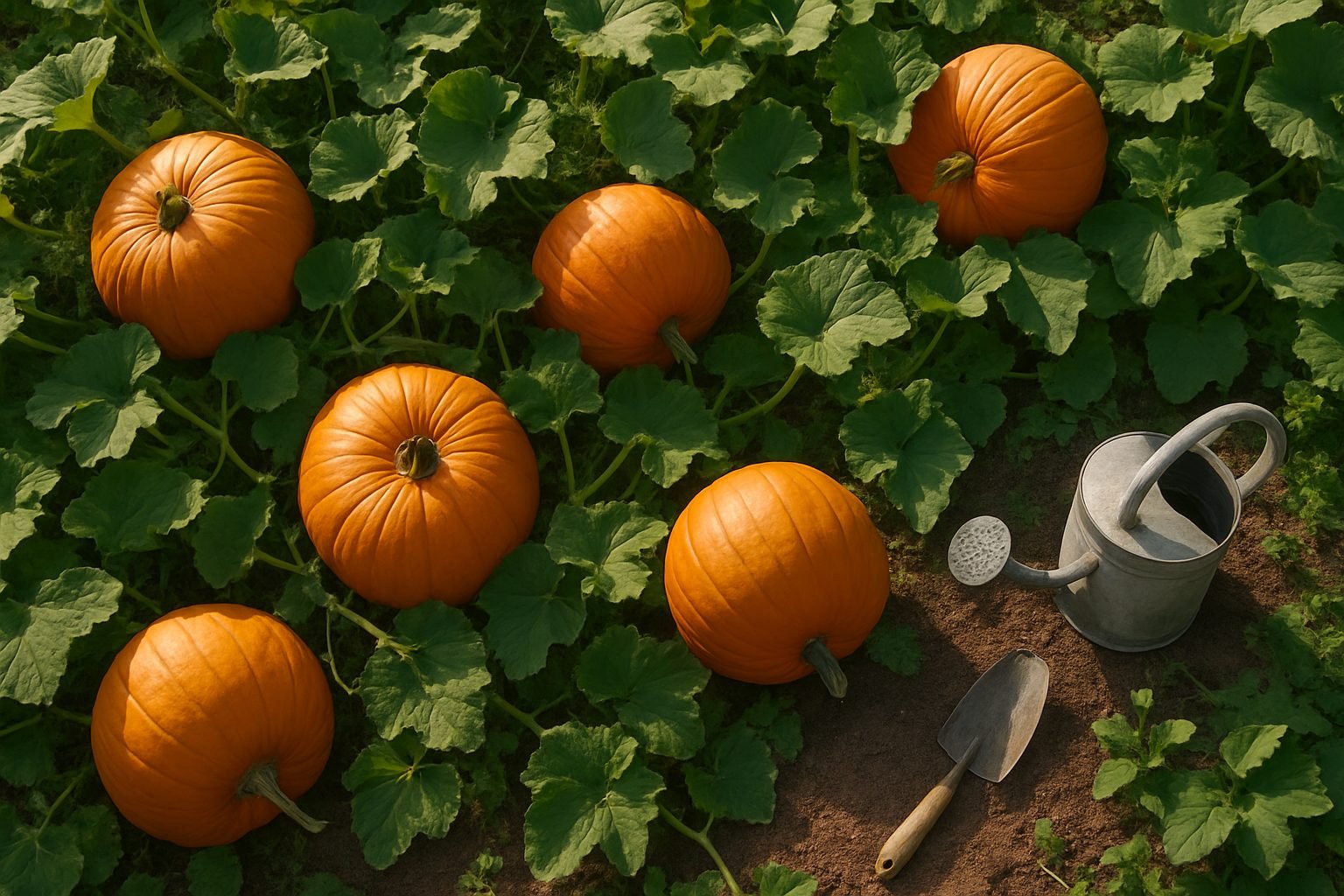
Finally, the maturation stage occurs when pumpkins stop growing and begin turning their mature color—classic orange or the specific varietal shade. At this point, reduce fertilizers, especially nitrogen, to help fruits ripen properly and avoid soft, watery pumpkins.
To identify your plant’s stage, observe leaf and vine growth, check for flowers, and monitor fruit development and color changes. Adjusting nutrition according to these cues will help your pumpkins thrive from seedling to harvest.
Pumpkin Fertilizer Schedule
Stage 1: Seedling and Early Growth Fertilization
In the earliest stage of your pumpkin’s life—the seedling and early growth phase—setting a solid nutritional foundation is key. During this time, pumpkins need phosphorus-rich support to develop strong roots and healthy initial leaves. Choose a balanced, water-soluble starter fertilizer with a slightly higher middle number in its N-P-K ratio, such as 10-20-10, to provide essential phosphorus without overwhelming the young plant.
If you prefer an organic option, compost tea or well-rotted manure tea are gentle and effective sources. Dilute liquid fertilizers to half or even quarter strength, applying them once a week until true leaves start to appear. It’s tempting to think more fertilizer means faster growth, but too much can quickly burn tender roots or cause leggy, weak seedlings.
Always water seedlings before fertilizing to protect the roots, and watch for leaf tips turning brown or yellow—signs you may have overdone it. For most home gardeners, a single light feeding at planting and one follow-up around the time true leaves emerge is enough at this stage. Combined with rich, well-draining soil amended with a bit of compost, this cautious approach helps young pumpkins establish quickly and avoids common mistakes.
Remember: when it comes to seedlings, less is often more. Avoid slow-release synthetic granules at this point, as they can release nutrients too quickly for tiny plants, leading to stunting or root injury. Start small, watch closely, and set your pumpkins up for a thriving season from their very first days.
Stage 2: Vining and Vegetative Growth – Boosting Leafy Growth
During the vining and vegetative growth stage, pumpkins focus on developing a dense canopy of healthy leaves and sprawling vines. This surge in leafy expansion is driven primarily by nitrogen, a key nutrient that stimulates cell division and leaf production. Achieving the right nitrogen balance is essential at this stage because abundant foliage supports photosynthesis, providing the energy pumpkins need for flowering and fruiting later on.
Opt for a balanced or slightly nitrogen-heavy fertilizer, such as a 10-5-5 or 20-10-10 NPK ratio, prioritizing nitrogen without neglecting phosphorus and potassium, which also support healthy roots and stress resistance. For granular fertilizers, side-dress along the vines about 6-8 inches from the base, then lightly cultivate the soil to incorporate the nutrients and water thoroughly.
Foliar sprays—applying diluted, water-soluble fertilizers directly to the leaves—can give an extra boost if plants show pale or slow growth, especially when quick absorption is needed due to soil issues. However, moderation is key: too much nitrogen can cause excessive vine growth at the expense of flower formation, reducing yields or delaying fruit set. Monitor your plants and reduce nitrogen once vines are established and flower buds appear.
When choosing fertilizers for your pumpkin fertilizer schedule, organic options like well-rotted manure, blood meal, or fish emulsion offer slow-release benefits and enrich soil microbial life, though their nutrients act more gradually. Synthetic fertilizers deliver fast, predictable results and can be tailored easily but should be applied carefully to avoid leaching and environmental harm. Whatever you choose, consistency with restraint is crucial—healthy, vibrant vines pave the way for a bumper pumpkin harvest, but only if nutrient levels remain balanced.
“`html
Stage 3: Flowering and Pollination – Supporting Blossoms
As your pumpkin vines transition from vigorous vegetative growth to the flowering stage, it’s time to adjust the pumpkin fertilizer schedule to support abundant, healthy blossoms and successful pollination. At this point, the focus shifts away from nitrogen, which primarily fuels leaf and stem growth, toward nutrients that directly impact flowering: phosphorus and potassium.
Phosphorus is essential for strong flower initiation and root health, while potassium improves flower quality, disease resistance, and overall plant vigor. Look for balanced fertilizers specifically labeled for bloom-boosting, such as a 5-10-10 or 10-20-20 (N-P-K) ratio. Liquid formulas or water-soluble options can provide a quick nutrient boost just as flower buds start to appear.
Begin applying these fertilizers as soon as you notice the first female flower buds, which you can recognize by the tiny bulge beneath the blossom, and continue every 10-14 days throughout the peak flowering period. Avoid over-fertilization, especially with nitrogen, as this can reduce flowering and encourage excessive vine growth at the expense of fruit formation.
Mulching around the base of the plants helps retain soil moisture, which is vital during bloom. Additionally, consider side-dressing with bone meal for phosphorus and supplementing with potash or wood ashes for potassium, especially if soil tests indicate deficiencies.
Adequate nutrition, combined with encouraging pollinator activity by planting flowers nearby and minimizing pesticide use during bloom, can significantly improve fruit set and the overall success of your pumpkin crop.
“`
Stage 4: Fruit Set and Early Development – Feeding Fruit Growth
As your pumpkin plants enter the crucial fruit set and early development stage, their nutritional needs shift—from promoting lush green growth to fueling the developing fruit. At this point, a well-timed pumpkin fertilizer schedule emphasizes increasing potassium (the “K” in N-P-K ratios), which is vital for fruit bulking, sweetness, and overall strength. Phosphorus remains important too, supporting strong roots and healthy floral and fruit development.
Switch to a balanced fertilizer with an N-P-K ratio around 5-10-20 or 4-8-12, reflecting higher potassium and adequate phosphorus. Apply about ½ cup of granular fertilizer at the base of each mature plant every 2 to 3 weeks. Avoid fertilizer contact with stems to prevent burning.
For organic growers, supplement with composted manure, well-rotted chicken manure, or potassium-rich amendments like wood ash (used sparingly—about ¼ cup per plant, worked into the soil) or kelp meal. During hot, dry periods, a liquid feed such as fish emulsion or seaweed extract every 10–14 days can provide an extra nutrient boost and maintain steady availability.
Watch for deficiency signs: yellowing between leaf veins may indicate a potassium shortage, while poor root or fruit development often signals low phosphorus. If these appear, promptly apply a water-soluble fertilizer high in potassium (like 0-0-50 sulfate of potash) or granular bone meal for phosphorus. Gently cultivate the amendments into the soil and water deeply to help nutrients reach the roots.
Mulching with straw or compost also helps maintain soil moisture, which is critical for nutrient uptake at this stage. By focusing on potassium and phosphorus now, you’re giving your pumpkins exactly what they need to grow full, healthy, and delicious.
Stage 5: Fruit Maturation and Ripening – Finishing Strong
As your pumpkin plants enter the final stage—fruit maturation and ripening—it’s important to adjust your pumpkin fertilizer schedule for the best results. At this point, too much nitrogen can harm your crop by promoting leafy growth instead of improving fruit quality, and it may even cause late-season vine issues. Gradually reduce high-nitrogen feedings and focus on potassium-rich fertilizers. Potassium helps drive sugars into the maturing fruit, strengthens the rind, and enhances flavor. This support also helps pumpkins develop vibrant color and improves their storage life.
Rather than fertilizing weekly or bi-weekly as earlier, cut back to once every three to four weeks—or less, depending on your soil and plant health. Overfeeding during ripening can cause fruit splitting or encourage unwanted vine growth, which diverts energy from the pumpkins. About two to three weeks before your expected harvest, stop fertilizing altogether. This pause encourages the plant to channel all remaining nutrients into the fruit, intensifying natural sugars and improving storage quality.
A helpful tip is to watch the weather and stop fertilizing before a stretch of cool, dry conditions. This signals pumpkins to concentrate sugars and harden their skins even more. By finishing strong with a well-planned pumpkin fertilizer schedule, you’ll harvest pumpkins that are larger, more visually appealing, tastier, and longer-lasting.
Conclusion & Quick-Reference Fertilizer Schedule Table
A well-planned pumpkin fertilizer schedule tailored to each growth stage makes a noticeable difference in both plant health and harvest yield. By giving seedlings a gentle start, fueling vines during rapid growth, and supporting fruit development with the right nutrients, you help your pumpkins reach their full potential. Following a stage-specific approach prevents issues like nutrient burn, weak vines, or poor fruit set, and helps you use fertilizer efficiently—good for your garden and the environment. Below is a quick-reference table to guide you through the key stages:
| Growth Stage | Fertilizer Type | Application Rate & Timing |
|---|---|---|
| Seedling | Balanced starter (e.g., 10-10-10) | Light dose at planting and after true leaves appear |
| Vining | High nitrogen | Apply when vines begin to run |
| Flowering | Balanced (10-10-10) | Once flowers emerge |
| Fruit Set | High potassium/phosphorus (e.g., 5-10-10) | When fruit starts to form |
| Maturation | High potassium | Repeat every 2–3 weeks until harvest |
Remember, these guidelines are a starting point. Your garden’s soil, weather, and specific pumpkin variety may require adjustments. Regularly check your plants for signs of nutrient deficiency or excess and adapt as needed—a little observation goes a long way toward growing massive, healthy pumpkins!