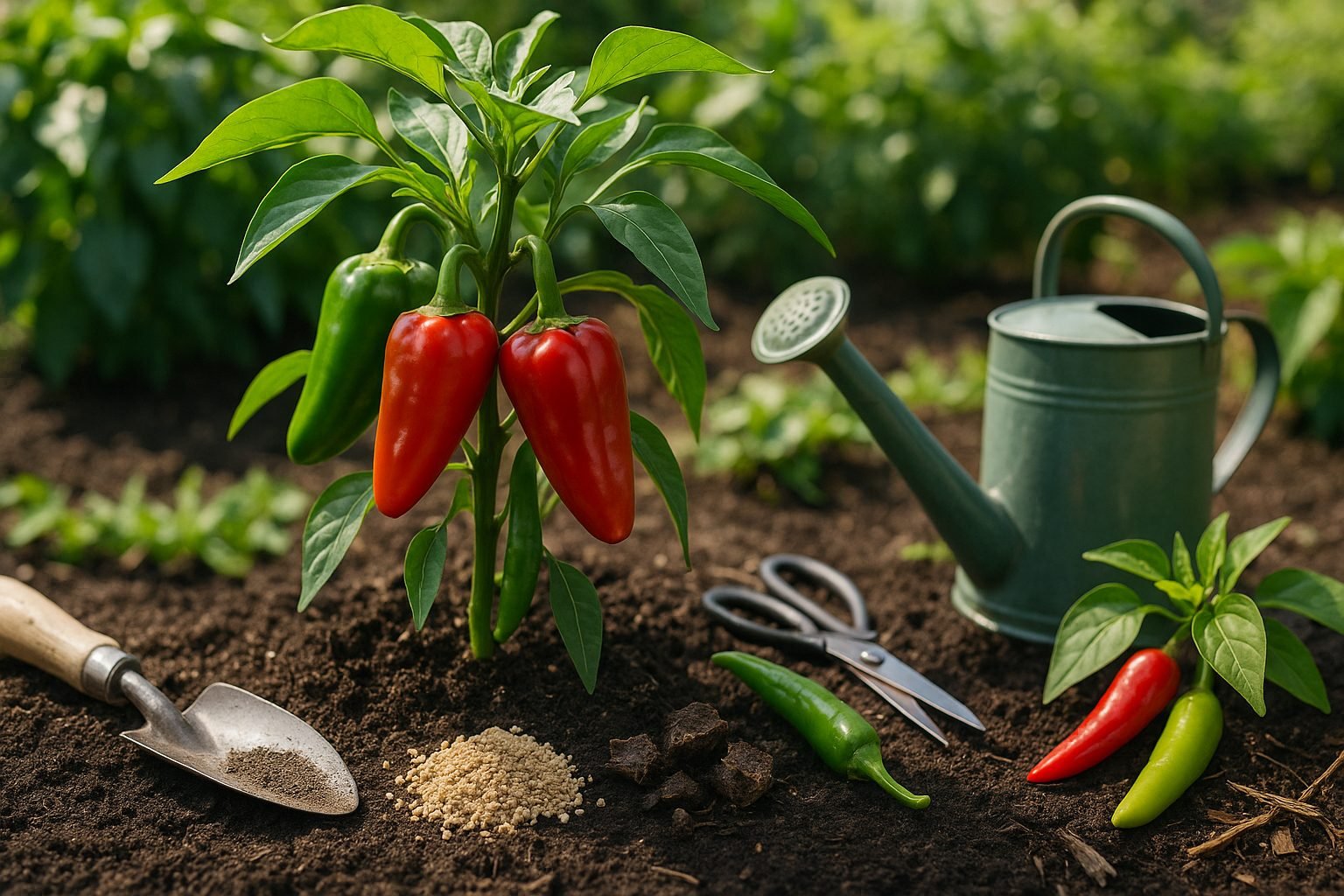
Understanding Pepper Plant Nutritional Needs
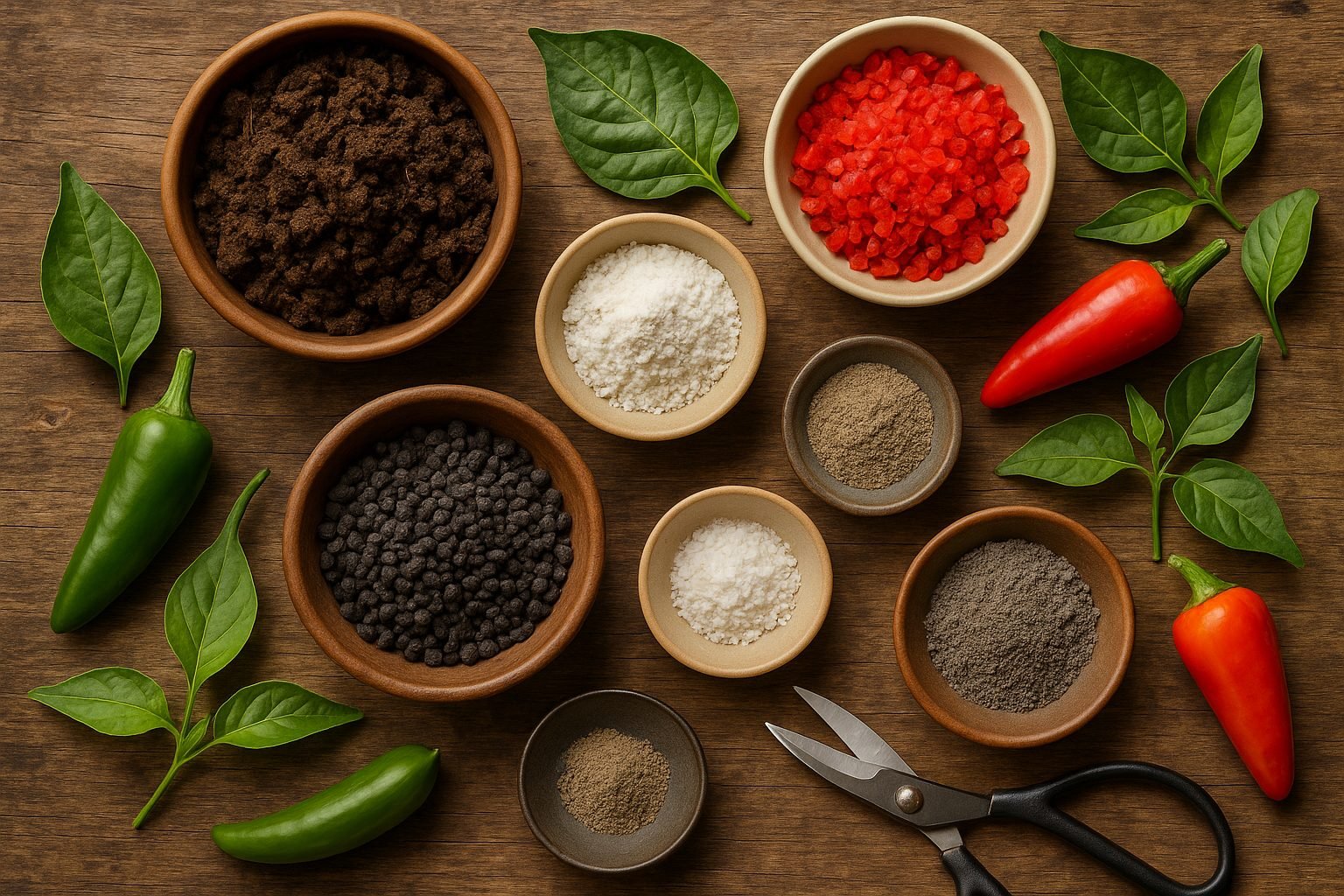
Fertilizing hot peppers can be the difference between bland harvests and a spicy, bountiful yield. Understanding exactly what your pepper plants crave is key to unlocking their full potential. Like all plants, hot peppers need the three essential macronutrients: nitrogen (N), phosphorus (P), and potassium (K).
Nitrogen powers lush, leafy growth early in the season and helps build up the green canopy, which is vital for photosynthesis. As your peppers begin to grow larger and transition from seedling to flowering, phosphorus steps in, encouraging strong root development and abundant blooms—the first steps to heavy fruit set. Potassium rounds out the trio, playing a critical role in overall plant health, disease resistance, and especially fruit development. Without enough potassium, your peppers might look healthy but produce small, bland, or poorly formed pods.
But it doesn’t stop there. For robust growth, you’ll want to pay attention to key micronutrients too.
- Calcium keeps your pepper plants’ cell walls strong and helps prevent common issues like blossom end rot, which can ruin otherwise picture-perfect fruits.
- Magnesium boosts chlorophyll production, giving leaves their vibrant green color and maximizing energy capture from the sun.
- Trace elements like iron, manganese, and zinc support everything from enzyme function to nutrient uptake.
If you notice yellowing leaves or stunted growth, your soil could be missing some of these micronutrients.
From seedling to harvest, your hot pepper plants’ nutritional needs evolve. Seedlings thrive with a bit more nitrogen to support fast, leafy growth. Once flowers appear, it’s time to dial back nitrogen and increase phosphorus and potassium to promote blossom, fruit set, and spice-packed yields. Paying attention to these shifting needs—and providing a balanced, nutrient-rich fertilizer—will help you grow healthy, productive hot pepper plants season after season.
Choosing the Best Fertilizer for Peppers
When choosing the best fertilizer for peppers, it’s important to weigh the pros and cons of organic versus synthetic options, as well as granular versus liquid forms.
Organic fertilizers, such as compost, worm castings, or fish emulsion, nourish the soil and promote long-term plant health but often have lower nutrient concentrations and slower release rates. In contrast, synthetic fertilizers like Miracle-Gro or Osmocote deliver immediate nutrient boosts and are easy to measure, though they may not support soil microbes over time.
Granular fertilizers are straightforward to apply and provide a slow, steady feed—ideal for in-ground peppers and gardeners who prefer low-maintenance routines. Liquid fertilizers, such as FoxFarm Grow Big or diluted homemade compost tea, work faster and can be fine-tuned to a plant’s growth stage, making them great for container peppers or to correct deficiencies quickly.
Reading fertilizer labels is key: look for the NPK ratio—a set of three numbers indicating the proportions of nitrogen (N), phosphorus (P), and potassium (K). For healthy pepper plants, a balanced approach like 5-5-5 for early growth or slightly higher phosphorus and potassium (such as 5-10-10 or 4-6-8) when fruiting can encourage strong roots and abundant peppers.
Examples of trusted commercial products include Dr. Earth Organic Tomato, Vegetable, & Herb Fertilizer and Espoma Garden-Tone, both suitable for peppers. If you prefer homemade solutions, well-rotted compost, banana peel tea (for potassium), or diluted fish emulsion are good choices—just take care with concentrations to avoid burning roots.
Above all, let soil test results guide your choices; they can reveal if your garden lacks certain nutrients or already has an abundance, helping you avoid over-fertilizing and harming your plants. By matching fertilizer type and form to your soil’s needs, as well as your gardening style, you’ll set your pepper plants up for a productive and flavorful harvest.
When and How Often to Fertilize Pepper Plants
Pepper plants thrive when they receive nutrients at the right moments throughout their growth cycle. Start by fertilizing at planting time: mix a balanced, slow-release fertilizer or plenty of compost into the soil to give young seedlings a strong foundation.
As plants shift into early growth, about two to three weeks after transplanting, feed again with a nitrogen-rich fertilizer to encourage leafy development—if your peppers look pale or slow at this stage, it’s a sign they could use the boost.
Before flowering, typically four to six weeks in, switch to a formula higher in phosphorus and potassium to support blooms and healthy fruit set.
Once peppers are setting fruit, fertilize every two to three weeks, focusing on potassium to enhance fruit size and flavor. For container-grown peppers, increase the frequency to every one to two weeks since nutrients wash out of pots faster.
In regions with long, hot summers like USDA zones 9-11, you may need to fertilize more regularly due to rapid plant growth and quicker nutrient depletion, while cooler or shorter-season areas may require less frequent feeding.
After harvesting your first round of peppers, a light reapplication of balanced fertilizer can encourage additional fruit production, especially in indeterminate or long-producing varieties. Always water after fertilizing to prevent root burn, and adjust the schedule if you notice signs of overfeeding, like leaf burn or stunted growth.
With attention to timing and local conditions, your pepper plants will reward you with a bountiful, flavorful harvest.
How to Apply Fertilizer for Maximum Effectiveness
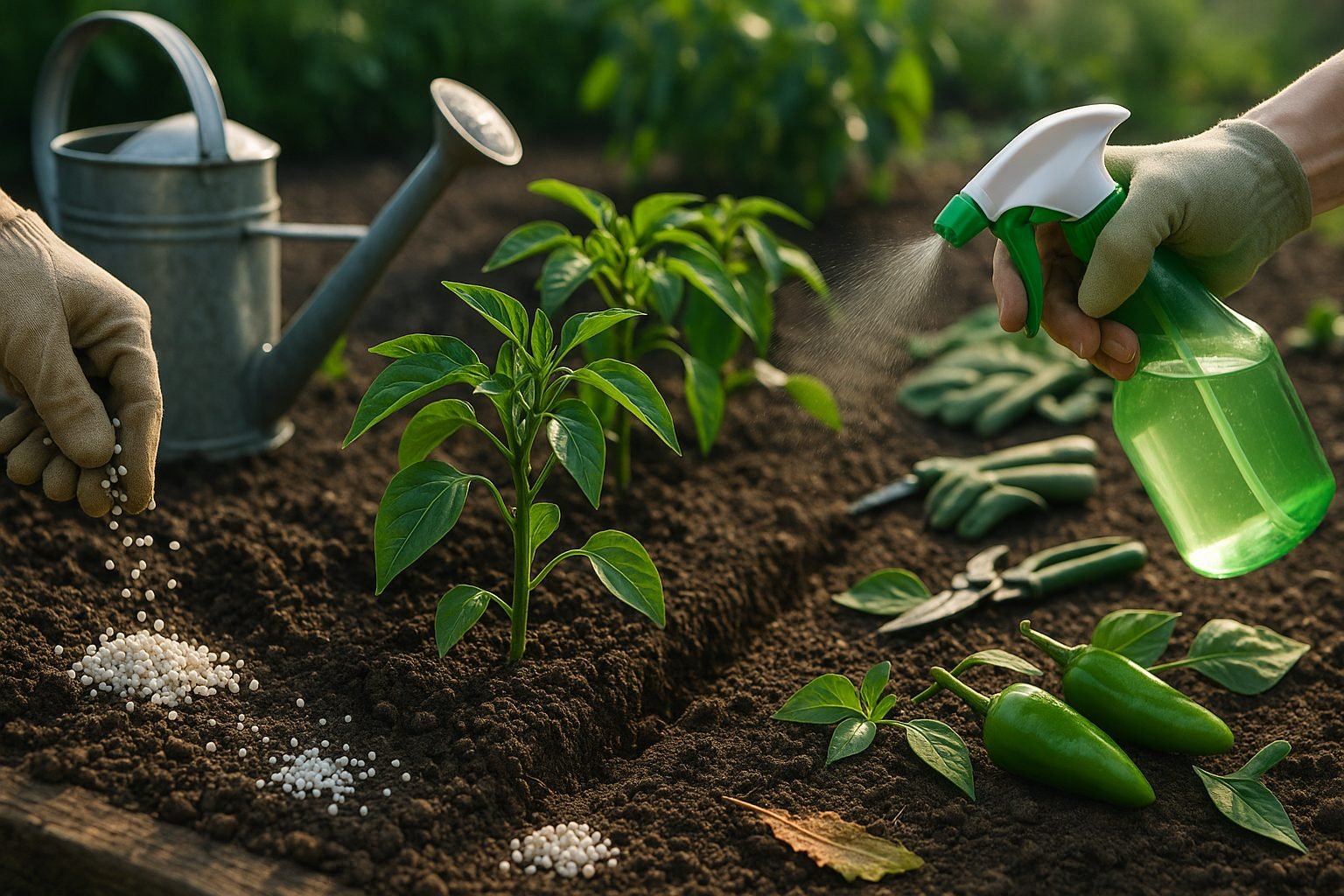
Maximizing the effectiveness of fertilizer means choosing the right application method and using it wisely to avoid waste or plant damage.
Top-Dressing
Top-dressing involves sprinkling granular fertilizer directly onto the soil surface around plants. Make sure to keep it several inches away from stems or trunks. If possible, gently rake it in and water thoroughly afterward to help nutrients reach the roots.
Side-Dressing
With side-dressing, you apply fertilizer in a shallow trench or band a few inches from established plants or rows, then cover it lightly with soil and water. This method is great for heavy feeders like tomatoes or corn during active growth.
Foliar Feeding
Foliar feeding uses a diluted liquid fertilizer sprayed directly onto leaves. Do this early in the morning or late in the day when the sun won’t scorch the foliage. Never apply to wilting plants to avoid burns. Repeat as directed, aiming for thorough leaf coverage.
Watering-In
Watering-in dissolved fertilizer (often for young seedlings or container plants) ensures nutrients go straight to the roots. Mix according to package instructions to avoid burning, pour slowly around the plant base, and check soil moisture to prevent runoff.
General Tips
- Use only the recommended amount on the product label—more is not better and can harm plants.
- Distribute fertilizer evenly to avoid hotspots.
- Avoid applying before heavy rain, which could wash nutrients away.
- Wear gloves and keep fertilizer off leaves unless foliar feeding.
- Sweep up any spills on concrete to protect waterways.
Following these simple steps for each application method helps ensure your plants get exactly what they need—no more, no less—for stronger, healthier growth all season long.
Recognizing and Solving Fertilizer-Related Problems
Spotting fertilizer-related issues early is crucial for healthy plant growth, and the most common signs are often visible right on your plants’ leaves and stems. If you notice yellowing leaves, purpling, or stunted growth, these could indicate nutrient deficiencies—perhaps a lack of nitrogen, phosphorus, or potassium.
On the flip side, symptoms like crispy, brown leaf edges or white crusty deposits on the soil often point to over-fertilization and salt buildup.
To correct deficiencies, start by identifying which nutrient is lacking and apply a targeted, balanced fertilizer. For cases of over-fertilization, flush the soil thoroughly with plain water—this helps wash away excess salts and prevents further damage.
It’s also wise to review your fertilization schedule, ensuring you’re feeding your plants only when genuinely needed and according to their specific requirements.
Maintaining the right soil pH is another essential step since pH levels affect how well plants can absorb nutrients; regular testing and adjustments with lime or sulfur can make a big difference.
Ultimately, attentive monitoring—checking leaf color, new growth, and soil condition—will help you catch fertilizer issues early. Don’t be afraid to adjust routines as seasons change, as your plants’ needs can shift throughout the year.
Paying close attention and responding promptly leads to happier, healthier plants and a more rewarding gardening experience.
Extra Tips for Healthy, Productive Peppers
To keep your pepper plants healthy and productive, go beyond the basics by adding a few key practices to your routine. Mulching is a simple yet effective way to lock in soil moisture, reduce weeds, and keep soil temperatures steady—just spread shredded leaves, straw, or compost around your plants, leaving a bit of space around the stems.
Proper watering is equally important; peppers like consistent moisture but hate soggy roots, so aim to water early in the day at the base of the plant, letting the soil dry slightly between waterings. Rotate your pepper crops each year to minimize the risk of soil-borne diseases and pests—if you’ve grown peppers in a spot this year, switch to beans or leafy greens there next season.
Regularly adding organic matter, such as compost or aged manure, refreshes the soil and gives your peppers a nutrient boost, while a soil test can help you fine-tune amendments for optimal growth.
Tune in to what your plants are telling you: yellowing leaves might signal overwatering or nutrient deficiency, while curled leaves can hint at pests or environmental stress. Make it a habit to scan your plants for changes in color, texture, or growth every few days—catching problems early is the secret to solving them.
If you run into persistent trouble, grab resources like your local agricultural extension office, gardening forums, or trusted sites like the University of California’s Integrated Pest Management page. With a little observation and some smart gardening habits, your peppers can thrive, year after year.