Introduction
If you’ve ever picked a pepper from your garden or grabbed one at the grocery store only to notice black hot peppers staring back at you, you’re not alone. Many gardeners and home cooks get worried or confused when jalapeños, serranos, or cayenne peppers start developing dark patches or turning completely black. Is it just part of the pepper’s natural growth? Could it signal disease or spoilage? More importantly, are these blackened peppers safe to eat?
This blog post will clear up the concerns and misconceptions around hot peppers turning black. We’ll explain why certain varieties like jalapeños, serranos, and cayennes are especially prone to blackening, explore the main causes—from sun exposure and ripening to potential fungal issues—and offer practical advice on how to assess, store, and safely handle black hot peppers in your kitchen or garden. Whether you’re harvesting homegrown peppers or selecting fresh produce at the store, understanding the reasons behind the color change will help you make safe, flavorful choices.
Why Do Hot Peppers Turn Black?
When you notice black hot peppers in your garden or kitchen, it’s natural to wonder if something’s wrong. In most cases, blackening is a perfectly normal part of the pepper’s ripening process. As hot peppers mature, they often change color due to shifts in the pigments within their skin. Early on, many peppers appear green, then as they ripen, their colors may transition through shades of purple, brown, or black before finally turning red, orange, or yellow.
These color changes are mainly caused by the buildup of anthocyanins—pigments that create those deep, dramatic hues. Sun exposure plays a big role in increasing anthocyanin production; peppers that get more sunlight can develop darker purple or nearly black streaks, while those shaded by leaves tend to stay lighter in color.
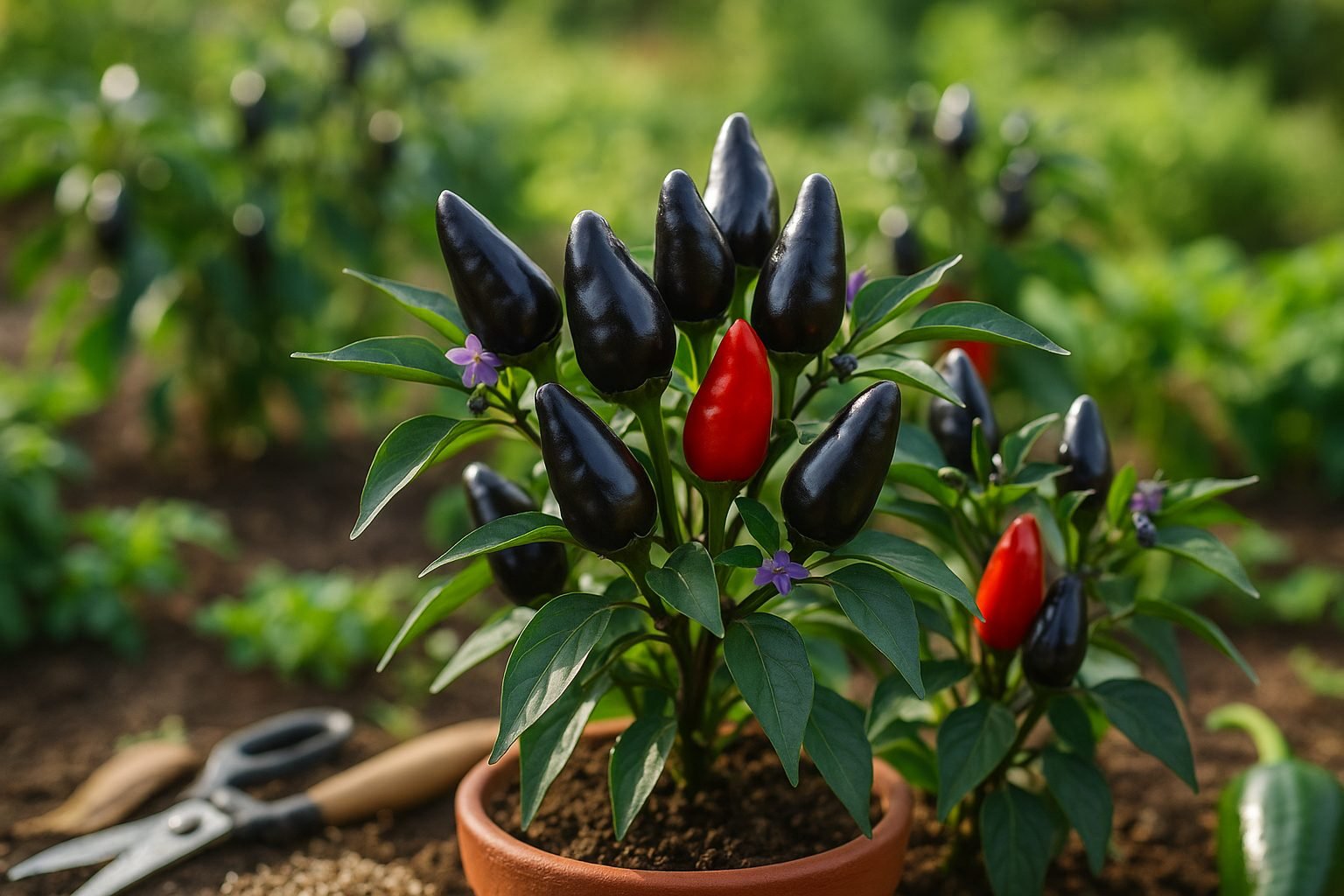
The specific variety of pepper you’re growing is another important factor. Some cultivars, like Black Pearl, Hungarian Black, or certain jalapeños, are bred to have striking dark shades as part of their normal appearance. These naturally pigmented peppers are not only safe to eat but also prized for their ornamental beauty and rich flavor. It’s also common to see black streaks or splotches on green bell peppers or cayenne peppers, which usually isn’t a problem unless you notice softness, mold, or an off smell—signs of rot or disease.
Mechanical damage, such as bumps or bruises during growth or harvest, can also cause black marks as the pepper heals. While these spots might look dramatic, they are usually just cosmetic. If the blackened area is firm and dry and the rest of the fruit looks healthy, your pepper is still perfectly edible.
So, before tossing a black hot pepper, consider its variety, how it grew, and whether the blackening matches natural ripening or might be from physical injury. In most cases, those striking black hues are simply a sign of a healthy, ripening pepper.
Is Black Always a Bad Sign? When to Worry About Black Hot Peppers
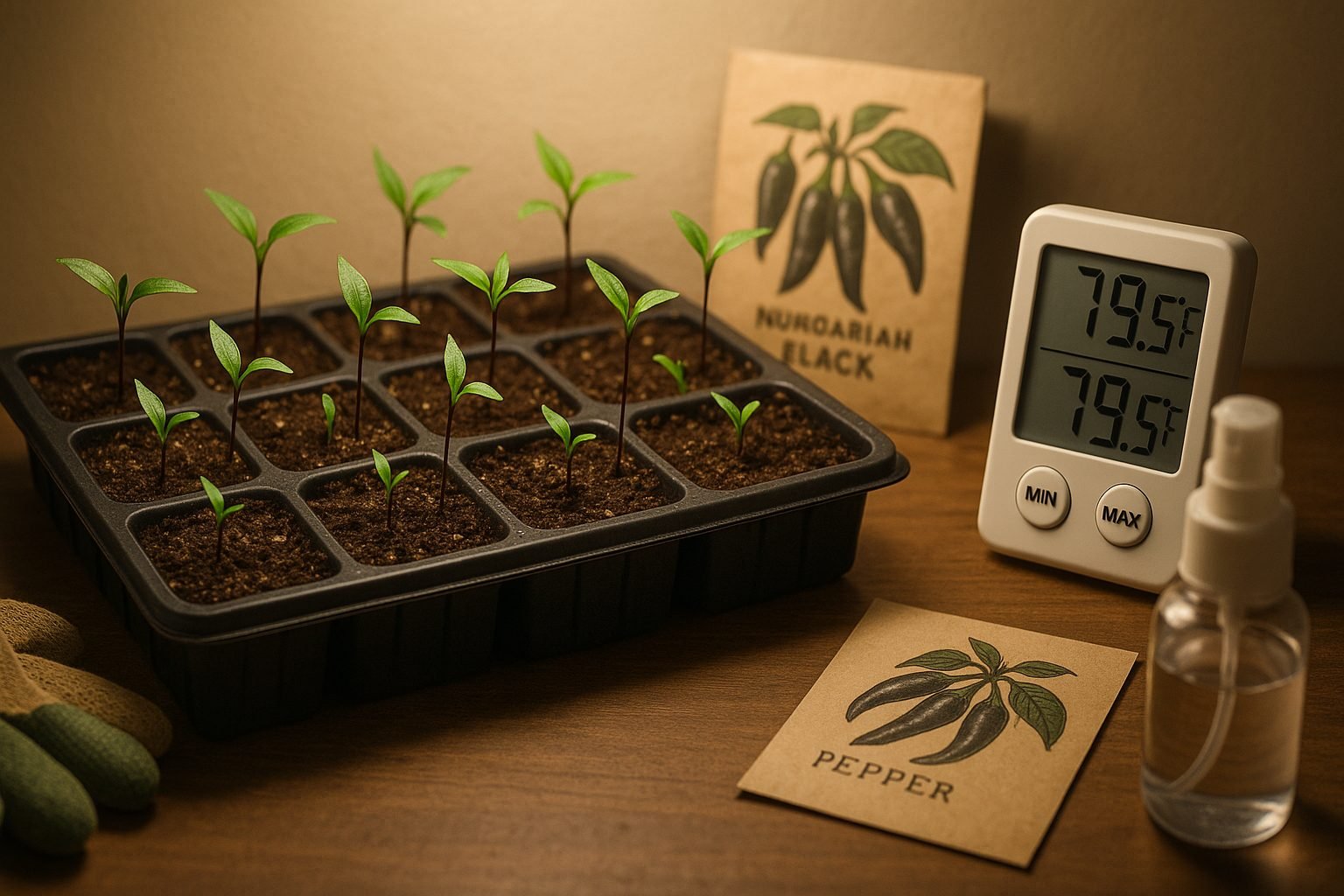
When you spot black hot peppers growing in your garden or on store shelves, it’s natural to wonder if this color change signals a problem. In many cases, blackening is actually a normal part of the ripening process for certain pepper varieties like Jalapeños, Serranos, or Hungarian Black Peppers, which can develop deep purple or black hues before turning red or orange.
Healthy darkening usually appears as an even, firm color without affecting the pepper’s texture. However, not all blackening is harmless. If your black hot peppers develop soft, mushy patches, fuzzy white or green mold, or a foul, fermented smell, those are warning signs.
Unlike the glossy, uniform black of healthy peppers, spoilage often looks splotchy with sunken or wrinkled areas. A simple way to check is to gently squeeze the pepper—healthy ones feel firm and springy, while spoiled ones feel soft or slimy. Also, inspect the stem and blossom end; rot often starts there, showing as brown or black mush.
If the darkening is limited to the skin and the pepper remains firm and aromatic, it’s likely safe to eat. But any sign of mold, foul odor, or softness means it’s time to discard. Black hot peppers can be perfectly edible—but it’s worth taking a moment to look for other symptoms before taking a bite.
Common Diseases That Turn Peppers Black
Several plant diseases can cause black hot peppers or dark spots on your spicy harvest, often raising concerns about food safety. One common cause is anthracnose, a fungal disease that creates sunken, circular black or dark brown spots, usually starting on ripe or overripe fruit. These lesions can spread quickly in warm, wet weather, covering large areas and eventually causing the pepper tissue to rot and ooze.
Another frequent issue is blossom end rot, which appears as a dark, sunken patch at the blossom end (the bottom tip) of the pepper. This condition is due to a calcium imbalance rather than a disease. While the blackened area isn’t appetizing, you can usually cut it off and eat the unaffected part—provided there’s no mold or bad odor.
Bacterial spot shows up as small, raised black or dark brown spots, typically starting on leaves and later spreading to immature fruit. These spots may merge into larger blotches and sometimes become slightly crusty. Peppers with bacterial spot can be eaten if you trim away the affected areas and the rest looks and smells healthy. However, discard any peppers that are soft, leaking, or have signs of mold.
As a general rule, throw away any black hot peppers with widespread rot, sliminess, or a musty smell, as these are unsafe to eat. But if the blackening is limited and the interior remains firm and fresh, most peppers are safe to use after removing the damaged portions.
Environmental Factors and Sun Scald
One common reason you might notice black hot peppers in your garden is sun scald, a condition caused by intense, direct sunlight. Peppers exposed to harsh rays—especially during the hottest part of the day—may develop dark, sometimes blackened patches on their skin. This isn’t a sign of disease but rather a physical response to UV stress.
Temperature changes can also contribute to pepper discoloration; sudden heat spikes or cold snaps may stress the plants, making them more vulnerable to sun scald and dark spots. In addition, inconsistent watering—allowing the soil to dry out too much between waterings—can leave pepper plants stressed and less able to recover from environmental damage.
To protect your crop, try providing afternoon shade with row covers or garden fabric, especially during periods of intense sun or heat waves. Mulching around the base of pepper plants helps retain soil moisture and insulate roots from temperature fluctuations. Water consistently, keeping the soil evenly moist but not soggy, and aim for deep watering a few times a week instead of shallow daily sprinkles.
By paying attention to these environmental factors, you can reduce the risk of black hot peppers and keep your plants thriving through challenging weather.
Are Blackened Peppers Safe to Eat?
When you notice black hot peppers in your garden or pantry, it’s natural to wonder if they’re still safe to eat. In most cases, blackening on peppers is harmless, especially when it comes from natural ripening or sun exposure. Some varieties, like jalapeños or Hungarian hot wax peppers, may develop dark streaks or patches as they mature—these color changes are perfectly normal and don’t affect safety.
However, be cautious if the black areas are mushy, have fuzzy spots, or emit an unpleasant smell; these signs could indicate mold or rot. Avoid any peppers showing these warning signs, as consuming spoiled produce can cause illness.
As for taste, naturally blackened skins might develop a richer or smokier flavor, sometimes with a slightly softer texture, but most hot peppers retain their signature heat even as they darken. Nutritionally, the blackening from ripening or sun exposure doesn’t significantly reduce their vitamin or antioxidant content.
Before using black hot peppers, rinse them thoroughly under cool water and inspect carefully for any soft, sunken, or moldy areas. Cut away any questionable spots and use only the firm, healthy flesh. If you’re unsure, slice the pepper open; a fresh, crisp interior means it’s still good, while sliminess or discoloration inside means it’s best to toss it.
By following these simple steps, you can safely enjoy the bold flavors and benefits of black hot peppers without worry.
What to Do If Your Peppers Turn Black
If you notice black hot peppers in your garden or kitchen, there’s no need to panic—often, the blackening is a natural part of the ripening process, especially in varieties like jalapeños or cayenne peppers. First, take a close look at the peppers: if the black areas are firm and smooth, and the rest of the pepper looks healthy, they are likely safe to eat.
However, if you notice mushiness, fuzz, or a foul odor, this could indicate rot or mold. In that case, it’s best to discard the affected peppers to avoid any food safety risks.
When storing hot peppers, keep them dry and refrigerate them in a breathable bag to slow spoilage. Avoid washing them until just before use, as excess moisture can speed up decay. Freezing is also a great option for long-term storage—just wash, dry, and freeze them whole or sliced. If you’re drying peppers, make sure they show no signs of spoilage before starting.
Remember, blackening alone doesn’t mean the peppers are bad; it’s important to check for other signs of spoilage before deciding whether to use or toss them. Stay calm, trust your senses, and enjoy your black hot peppers confidently with these easy handling tips.
Conclusion
In summary, while black hot peppers can be alarming at first glance, the darkening is usually a natural part of the ripening process or a harmless reaction to environmental factors. However, it’s important to watch for signs of spoilage, such as soft spots, foul odors, or mold—these indicate the peppers should be discarded. By staying observant and handling your peppers properly, you can safely enjoy them in your cooking. Have you ever encountered black hot peppers in your garden or kitchen? Share your experiences or questions in the comments below—we’d love to hear from you!