Introduction
Knowing when to plant cabbage can make all the difference between a thriving patch and a disappointing harvest. As a popular cool-season crop, cabbage thrives in crisp air and gentle sunshine, making it a staple in home gardens across the country. But timing is everything—plant too early, and your seedlings might be nipped by frost; plant too late, and they could wilt under the summer heat. That’s why understanding your specific planting zone is so important. Different climates require different schedules, and what works in one region can spell trouble in another.
In this post, we’ll break down exactly when to plant cabbage based on your USDA hardiness zone. Whether you’re gardening in a southern backyard or a northern plot, you’ll learn the ideal window to sow seeds or set out young plants. With zone-specific tips and simple real-world examples, you’ll be equipped to give your cabbage its healthiest start. Get ready to plan your planting for a harvest you’ll be proud of.
Understanding USDA Hardiness Zones
The USDA Hardiness Zones are a widely used system that helps gardeners figure out which plants are most likely to thrive in their specific location. Developed by the United States Department of Agriculture, these zones are mapped based on the average annual minimum winter temperatures, divided into 13 zones across the country. Each zone represents a 10-degree Fahrenheit difference in temperature. For example, Zone 3 is much colder in winter than Zone 9.
Knowing your USDA Hardiness Zone is a crucial first step in gardening because it directly influences when to plant cabbage. Since cabbage is a cool-season crop, you’ll want to get it in the ground early in spring or late summer—but the exact timing depends on your zone’s typical frost dates.
For colder zones (3-5), it’s best to start cabbage seeds indoors about 6-8 weeks before your last expected frost, then transplant outdoors a couple of weeks before the final frost. Warmer zones (6-9) often allow for direct sowing or earlier outdoor planting because frost dates come earlier or don’t occur at all.
To find your USDA Hardiness Zone, visit the USDA’s online zone map or enter your zip code into reputable gardening websites. Local cooperative extension services can also provide this information and offer tailored advice for your region. Understanding your zone helps ensure your cabbage—and all your garden vegetables—get the best start for a healthy and productive season.
“`html
Factors Affecting When to Plant Cabbage
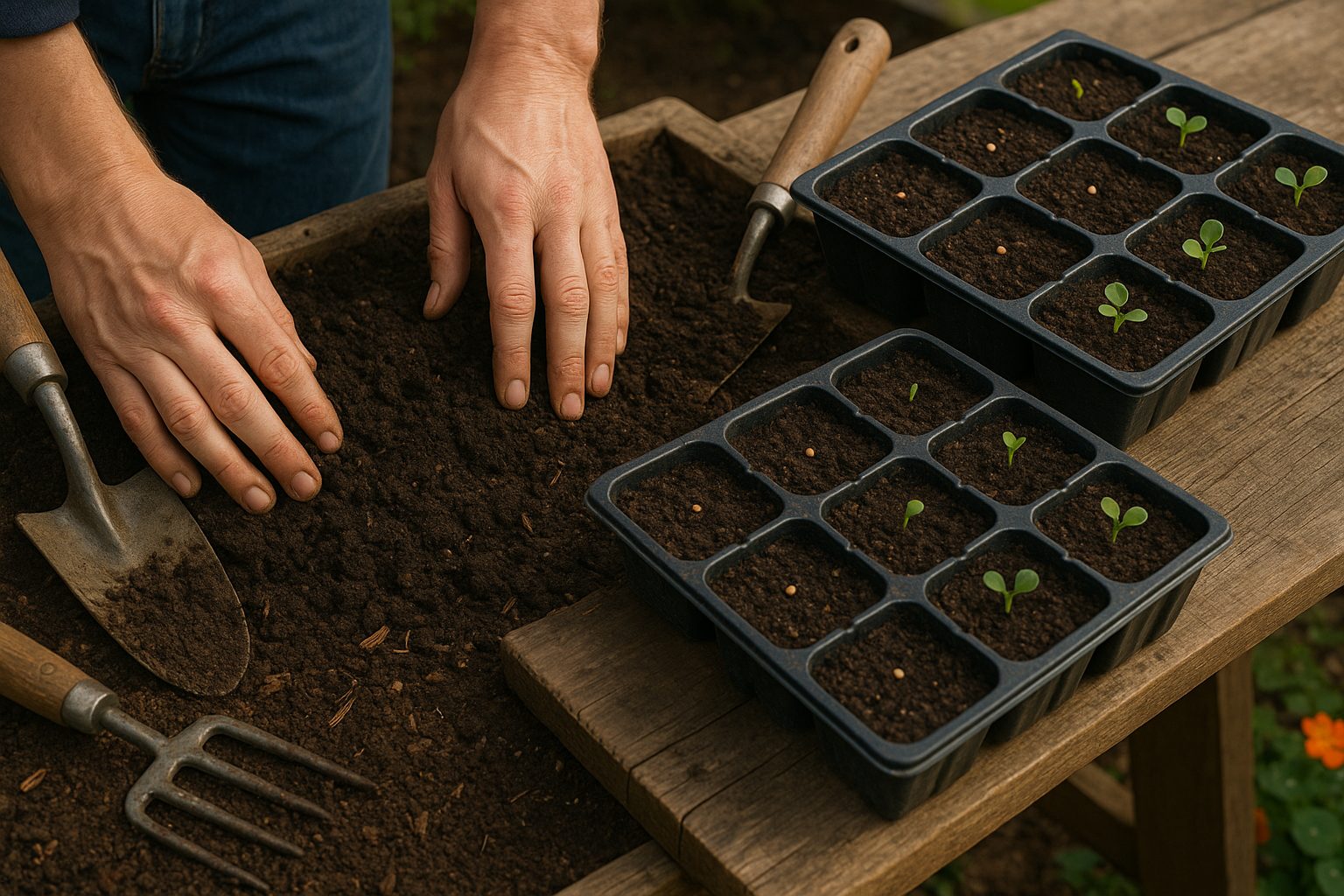
Knowing when to plant cabbage depends on several key environmental factors that can make or break your crop’s success. Cabbage thrives in cooler weather, with ideal daytime temperatures between 55°F and 75°F. It’s notably frost-tolerant, meaning seedlings and young plants can often survive light spring or fall frosts, making it a reliable choice for gardeners in variable climates. In fact, a light frost can even sweeten the flavor of cabbage heads.
However, extremely hot temperatures can cause cabbage to bolt or develop poor head formation, so it’s important to plan your planting to avoid midsummer heat, especially in warmer zones. Soil temperature is also crucial; cabbage seeds germinate best in soil consistently between 45°F and 85°F, with 60°F to 70°F being optimal for fast, uniform sprouting. Ensure the soil is moist but well-drained, as soggy conditions can lead to damping-off or root diseases, while excessively dry soil can inhibit seed germination and early growth.
Another important factor is the lengthening daylight as seasons change. Cabbage is a long-day plant, forming heads as days get longer, so timing your planting so the bulking-up phase aligns with favorable temperatures is key. Local weather patterns—such as unexpected heatwaves, late snows, or prolonged rain—can also affect the planting schedule, so always check regional forecasts and stay flexible.
For example, in areas with unpredictable springs, using row covers or starting seeds indoors a few weeks before the last expected frost can give your cabbage a strong head start.
“`
When to Plant Cabbage in Zones 3-4
Gardening in USDA zones 3-4 comes with unique challenges, especially for cool-season crops like cabbage. With long, freezing winters and a limited frost-free window—sometimes as short as 80 to 100 days—timing is everything. Knowing when to plant cabbage in these colder climates ensures you can grow a successful crop.
For spring plantings, it’s best to start cabbage seeds indoors about 8 to 10 weeks before your region’s last expected frost date. In many zone 3-4 areas, this means sowing indoors as early as late February through March. Transplant sturdy seedlings outdoors 2 to 4 weeks before your average last frost, while the soil is workable but still cool—cabbage is hardy enough to handle light spring frosts. If you prefer direct seeding outdoors, wait until about 2 weeks before the last frost date, though this approach carries more risk due to unpredictable northern weather.
If you’re aiming for a fall cabbage crop, take advantage of the cool autumn air that cabbage thrives in. Count back from your first expected fall frost—which can be as early as late August in the coldest zones—and sow seeds directly outdoors 14 to 16 weeks before (usually in late May or June). For transplants, set them out between mid-July and early August, when summer heat starts to fade.
To make the most of your short summer, use season extension techniques: start seeds under grow lights or in a sunny window, use heat mats for faster germination, and harden off seedlings before transplanting outdoors. Once planted, floating row covers or low tunnels can protect young cabbage from late spring cold snaps or early autumn frosts while also keeping common pests at bay. Mulching around the plants helps regulate soil temperature and retain moisture, supporting healthy growth through the unpredictable weather common in zones 3-4.
With careful timing and these season extension strategies, even gardeners in chilly climates can enjoy crisp, homegrown cabbage.
When to Plant Cabbage in Zones 5-6
Gardeners in USDA Zones 5 and 6 enjoy moderate climates with relatively long growing seasons, making it possible to harvest both spring and fall crops of cabbage. The last frost in these zones typically falls between mid-April and early May, providing a key window for planning your planting schedule.
For spring cabbage, start seeds indoors about 6-8 weeks before the last frost—usually between late February and mid-March. This gives seedlings a good head start to handle outdoor conditions. Once seedlings have developed 3-4 true leaves and have been hardened off, transplant them outdoors around two weeks before the last frost (early to mid-April). If you prefer direct sowing, wait until soil temperatures consistently reach about 50°F, which typically occurs in mid to late April.
To maximize your harvest, a fall cabbage crop is also an option. Sow seeds indoors in late June through early July—about 12-14 weeks before your average first autumn frost. When seedlings are 3-4 weeks old, transplant them outdoors between late July and early August. The goal is to have mature heads ready before heavy frosts, usually by late October in these zones.
For both spring and fall crops, choose quick-maturing cabbage varieties to fit within the growing season. Staggering your plantings by a couple of weeks can also extend your harvest period. Remember, cabbage thrives in soil rich in organic matter, so be sure to amend your garden beds before transplanting for the best results.
By following these guidelines on when to plant cabbage, gardeners in Zones 5 and 6 can enjoy crisp, homegrown cabbage nearly all season long.
When to Plant Cabbage in Zones 7-8
In gardening zones 7-8, timing is everything when deciding when to plant cabbage. This cool-season crop is especially vulnerable to heat stress in these regions. Unlike cooler climates, the warm springs and hot summers here can cause cabbage to bolt early or make heads split, drastically reducing your harvest’s quality.
To avoid these issues, aim for late-winter or very early-spring plantings. Typically, you can start cabbage seeds indoors in late January or early February, then transplant seedlings outdoors four to six weeks before the last expected frost—usually between late February and mid-March in these zones. This schedule allows the plants to enjoy the cool temperatures they need to thrive before the heat arrives.
For a fall harvest, sow seeds directly in the garden from mid-July to early August, or start indoors and transplant in late August through early September. This way, your cabbages mature as the weather cools, providing ideal conditions for forming dense, crisp heads.
Since unexpected warm spells still happen, protect young plants from hot afternoon sun by using lightweight shade cloth or planting them next to taller crops that offer dappled shade. Applying a thick layer of straw or leaf mulch around your cabbages helps keep soil temperatures steady and retains moisture, reducing stress and the risk of heat-related issues.
Monitoring soil moisture is crucial during the unpredictable springs of zones 7-8, so water diligently—preferably early in the day to minimize evaporation. With these timing and protection strategies, gardeners can beat the heat and enjoy a generous cabbage harvest even in the challenging transition zones.
Tips for Maximizing Cabbage Harvest Across Zones
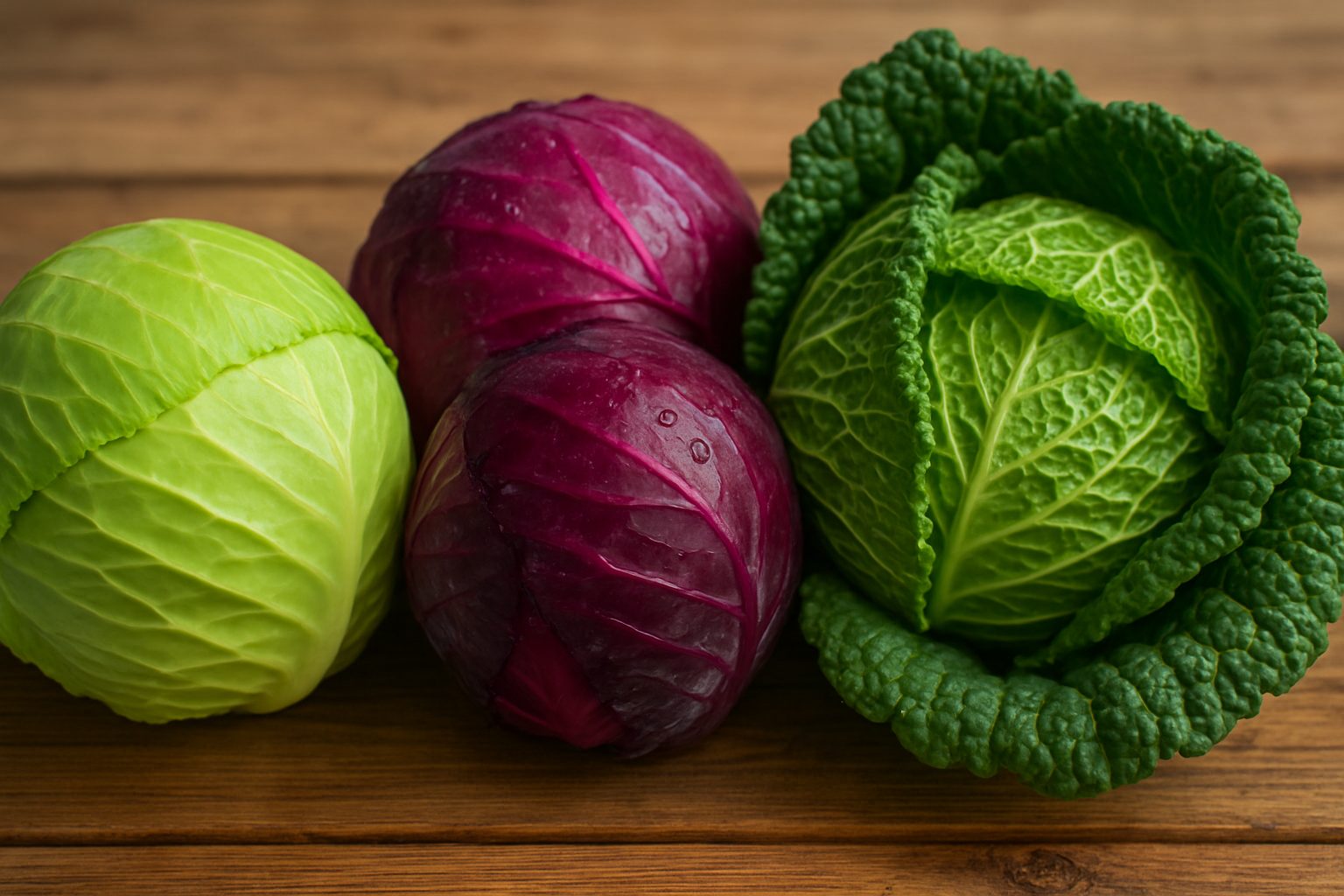
To get the most from your cabbage patch, it’s essential to tailor your approach to your hardiness zone. Start by choosing cabbage varieties suited for your climate—early-maturing options like ‘Golden Acre’ or ‘Jersey Wakefield’ work well in cooler, short-season zones, while heat-tolerant varieties like ‘Bravo’ or ‘Copenhagen Market’ thrive in warmer southern gardens.
Plan for succession planting to extend your harvest window. In cooler zones, sow seeds indoors 6-8 weeks before your last frost and transplant as soon as the ground can be worked. Follow up with direct sowing or a second set of seedlings to maintain a steady supply. In warmer zones, you can often grow both spring and fall crops by planting early and again after the summer heat subsides.
Pest control is crucial since cabbage plants attract cabbage worms and aphids. Row covers can be a game-changer—place them on just after transplanting to keep pests away while your plants establish. Remember to rotate your cabbage beds each year and clear away debris to prevent pests and disease buildup.
Ultimately, paying attention to when to plant cabbage for your zone and adjusting your planting schedule accordingly will help you achieve healthy, abundant harvests no matter where you garden.