Introduction
If you want lush, healthy cabbage heads in your garden, understanding cabbage soil pH is essential. Soil pH can make or break your success when growing cabbage, as it directly affects how well plants absorb vital nutrients and resist diseases. If the soil is too acidic, essential nutrients like calcium become less available, leading to weak and stunted growth. On the other hand, if it’s too alkaline, you might face poor nutrient uptake or increased vulnerability to pests and disorders.
Experienced gardeners know that the right soil pH not only boosts yield but also produces crisper, better-tasting cabbage. This article will guide you step-by-step through testing, adjusting, and maintaining the ideal soil pH so your cabbage plants can truly thrive. Get ready to unlock practical tips and reliable advice that will help you transform your soil and enjoy a bountiful, healthy harvest.
Understanding Soil pH – The Basics
Soil pH measures how acidic or alkaline your soil is, essentially reflecting the concentration of free hydrogen ions in the soil solution. The pH scale ranges from 0 to 14, with 7 being neutral. Values below 7 indicate acidity, while those above 7 indicate alkalinity. Most garden soils typically range between 5.0 (acidic) and 8.0 (alkaline), but even slight changes can significantly impact your plants.
This is because soil pH directly influences the availability of essential nutrients. In acidic soils, nutrients like phosphorus and calcium become less accessible, and harmful elements like aluminum may become more soluble, which can damage roots. Conversely, highly alkaline soils can lock up micronutrients such as iron, manganese, and zinc, making them difficult for plants to absorb.
Most common vegetables, including tomatoes, beans, and carrots, prefer slightly acidic to neutral soils, with pH values between 6.0 and 7.0. In this range, nutrients are generally more available, and beneficial soil microbes thrive. This brings us to cabbage soil pH requirements: like many vegetables, cabbages have an ideal pH range that supports their best growth and yield.
Understanding how pH affects your soil can help you adjust it to meet the needs of cabbage and many other crops, helping to avoid common issues such as nutrient deficiencies or stunted growth right from the start.
Ideal pH Range for Cabbage
The ideal cabbage soil pH ranges from 6.0 to 7.0, and maintaining this slightly acidic to neutral zone is essential for healthy cabbage growth and productivity. This specific pH range helps cabbage plants efficiently absorb key nutrients like nitrogen, phosphorus, potassium, and vital micronutrients, all of which support vibrant leaf development and healthy heads.
Soil within this range also naturally suppresses soil-borne diseases such as clubroot, which thrives when pH falls below 6.0. Many experienced gardeners have found that keeping their soil near 6.5 produces larger, sweeter cabbage heads and reduces issues like yellowing leaves and poor root development.
When soil pH drops below 6.0, nutrients like calcium and magnesium become less available, leading to symptoms such as leaf tip burn and weak, spindly growth—common problems for those who haven’t tested or adjusted their garden beds. On the other hand, pH levels above 7.0 can lock out micronutrients like iron and manganese, sometimes causing pale or mottled foliage.
A study from the University of Minnesota Extension showed that cabbages grown in soil just below pH 6.0 had 25% lower yields than those grown in optimal conditions. As one local market gardener shared, simply liming their acidic soil to raise the pH helped their cabbages resist disease and nearly doubled their harvest the following season.
In essence, maintaining a cabbage soil pH between 6.0 and 7.0 creates a biological sweet spot that balances nutrient availability and disease resistance, giving cabbage the best chance to thrive. For home gardeners and commercial farmers alike, regular soil testing and occasional adjustments—whether by adding lime or sulfur—are practical steps that lead to healthier, more productive cabbage crops.
Testing Your Soil’s pH
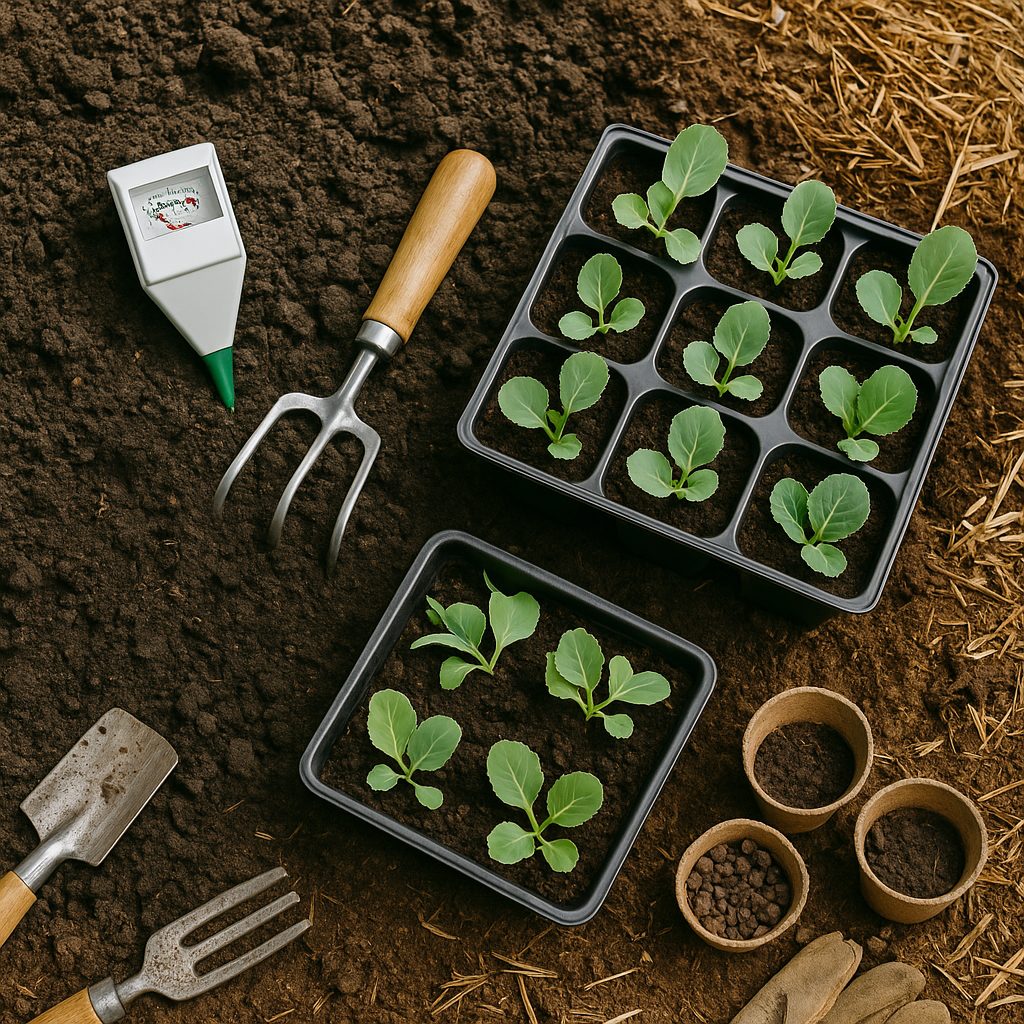
Testing cabbage soil pH is an essential step before planting, and fortunately, there are several easy methods you can use. Home testing kits are simple and affordable, often involving test strips or colored solutions that you mix with soil and water. These provide quick results and work well for getting a general idea of your soil’s pH. For a more precise analysis, you can opt for professional lab testing—many local cooperative extensions or nurseries offer this service. They usually provide a detailed breakdown, including recommendations for correcting any imbalances.
If you want a quick DIY approach, try the classic vinegar and baking soda method: add vinegar to a soil sample—fizzing indicates alkaline soil. Add baking soda to another soil sample mixed with water—fizzing means acidic soil. While this won’t give you an exact pH number, it can highlight major pH issues.
For cabbage, it’s best to test your soil pH a few weeks before planting to allow time for adjustments if needed. After that, check soil pH once a year—preferably in early spring—to catch any changes caused by fertilizers or environmental conditions. Interpreting your test results is straightforward: cabbage thrives best in soil with a pH between 6.0 and 6.8. If your soil pH is below 6.0 (too acidic), add garden lime to raise it. If it’s above 6.8 (too alkaline), incorporate elemental sulfur or composted organic matter to lower the pH. Whatever method you choose, acting on your results will help ensure your cabbages grow healthy and productive.
How to Adjust Soil pH for Cabbage Success

Getting the cabbage soil pH right is essential for healthy plants and a bountiful harvest. If your soil is too acidic (below 6.0), you’ll need to raise the pH. The most common and effective method is applying agricultural lime (calcium carbonate). Pelletized lime is often easier to spread and less dusty than powdered forms. Start by following the product label instructions—typically, apply 5 to 7 pounds of lime per 100 square feet to raise the pH by one full point in moderately heavy soil. Use slightly less for sandy, lighter soil.
If your cabbage patch is too alkaline (above 7.0), lower the pH by incorporating elemental sulfur or acidifying organic amendments like pine needles, peat moss, or composted oak leaves. Sulfur acts slowly but reliably; 1 to 2 pounds per 100 square feet can reduce the pH by about half a point, though you should always consider your specific soil type when adjusting quantities. Organic amendments are gentler and help maintain long-term acidity, making them a good choice for minor pH adjustments.
Always spread lime or sulfur evenly and lightly mix it into the top 6 inches of soil. Water the area well to help these amendments start working. Keep in mind that soil pH changes gradually—lime can take several months to fully take effect, while sulfur may need an entire season. Retest your soil a few months after applying amendments and again before planting to ensure you’re in the ideal 6.0 to 7.0 pH range for cabbage.
Avoid the common mistake of applying too much at once, which can stress plants or even cause toxicity. Don’t skip the crucial step of accurate soil testing before and after amendments; relying on guesswork can push you further from your cabbage-growing goals. Gradual, informed adjustments combined with patience and periodic retesting will set you up for robust, thriving cabbage.
Maintaining the Right pH Throughout the Season
Throughout the growing season, various routine garden tasks can cause fluctuations in cabbage soil pH, potentially affecting your crop’s health and yield. For example, frequent watering—especially with hard water—can slowly raise soil pH by adding calcium and magnesium. Overwatering can also leach nutrients and shift soil acidity, making it harder for cabbages to access essential nutrients.
Fertilizers introduce another variable: those high in ammonium sulfate or urea tend to acidify the soil, while lime-based fertilizers make it more alkaline. Even crop rotation plays a role—planting heavy feeders like cabbage followed by legumes, or the other way around, can alter pH due to their different nutrient needs and root exudates.
To prevent surprises, it’s smart to monitor soil pH regularly—at least before planting, midway through the season, and after harvest. You can use a simple home soil pH test kit or invest in an electronic soil pH meter for more frequent checks. If you notice the pH moving outside the optimal cabbage range (6.0 to 6.8), take action promptly: add garden lime to raise pH or elemental sulfur to lower it, always applying in small, well-mixed doses.
Maintaining an even mulch layer helps prevent pH swings caused by rain or irrigation, and spacing out fertilizer applications avoids sudden changes. Additionally, switching your water source—such as capturing rainwater instead of using tap water—can help keep soil chemistry stable. By staying attentive and making small, timely adjustments, you’ll create a consistent, cabbage-friendly environment all season long.
Conclusion & Quick Tips
Maintaining the right cabbage soil pH is essential for growing strong, productive plants. When the soil pH stays within the ideal range of 6.0 to 6.8, cabbages can absorb nutrients efficiently, develop robust roots, and resist common diseases. If the soil is too acidic or too alkaline, nutrients become locked away, resulting in poor growth and smaller heads.
To keep your cabbages thriving, follow this quick checklist:
- Test your soil’s pH before planting—home test kits are affordable and available at garden centers.
- If needed, amend acidic soil with garden lime or alkaline soil with elemental sulfur to reach the proper balance.
- After planting, monitor your garden’s pH each season and adjust as necessary to maintain the target range.
- Make it a habit to retest the soil every few months since weather, irrigation, and fertilizers can gradually shift pH over time.
- Watch your plants closely for signs like yellowing leaves or stunted growth, which could indicate pH problems.
By staying attentive and proactive with soil testing and adjustments, you’ll set the stage for healthy cabbages and a bountiful harvest year after year.