Introduction to Common Cabbage Pests
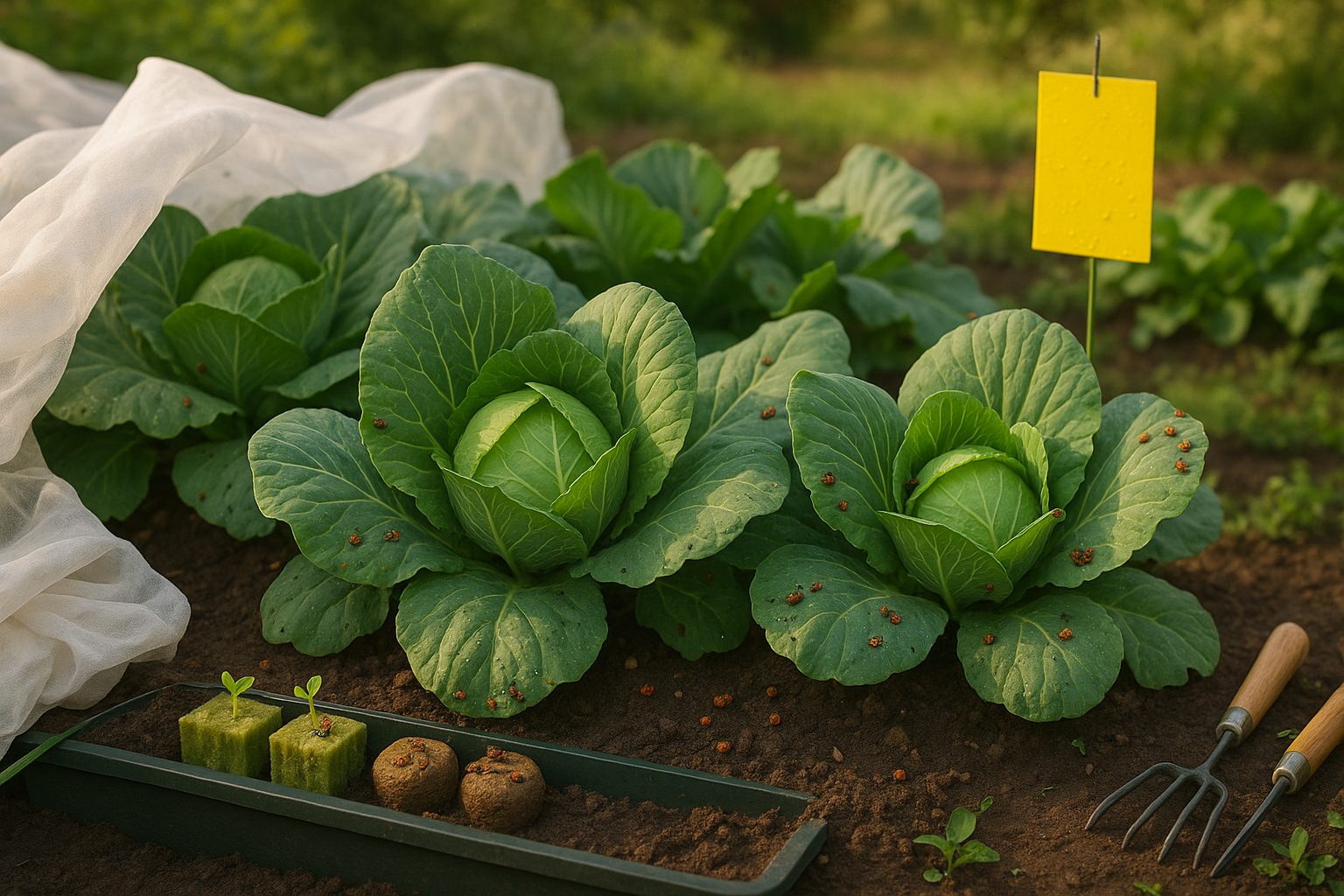
cabbage pests can turn a thriving garden into a frustrating battlefield almost overnight, making it essential for home gardeners and small-scale farmers to know what they’re up against. Protecting cabbage crops is more than just saving time and effort—it’s also about securing fresh, healthy food for your table and cutting down on grocery bills. But when pests like cabbage worms, aphids, flea beetles, or cutworms strike, they can chew holes in leaves, stunt growth, and even ruin entire harvests.
These tiny but destructive intruders don’t just reduce yield; they also lower cabbage quality, causing misshapen heads or a bitter, unappetizing flavor. And if you’re growing organically or in small batches, heavy chemical sprays—commonly used by larger farms—aren’t an option. So, what’s the alternative?
One of the biggest challenges with cabbage pests is their stealth and speed. A few overlooked eggs on the underside of leaves can quickly turn into an infestation. If left unchecked, a colony of aphids or an army of cabbage loopers can decimate a crop before you have a chance to react. Weather conditions, like warm and wet springs, can cause pest populations to soar, making it even harder to keep them at bay. Additionally, relying on a single control method, such as insecticides, often leads to resistance or unintended harm to beneficial insects.
That’s why an integrated pest management (IPM) approach is key for sustainable, long-term control. IPM combines regular monitoring, smart cultural practices (like crop rotation and intercropping), the use of natural predators (such as ladybugs or parasitic wasps), and careful, limited use of chemical treatments. By blending these tactics, you’re not just reacting to visible pest damage—you’re preventing outbreaks before they start.
Practical steps like covering young plants with garden fabric or removing caterpillars by hand can make a big difference, especially on a small scale. Ultimately, adopting IPM helps you grow healthier, more resilient cabbages with less reliance on chemicals, making your gardening efforts more rewarding and eco-friendly.
Major Leaf-Eating Pests
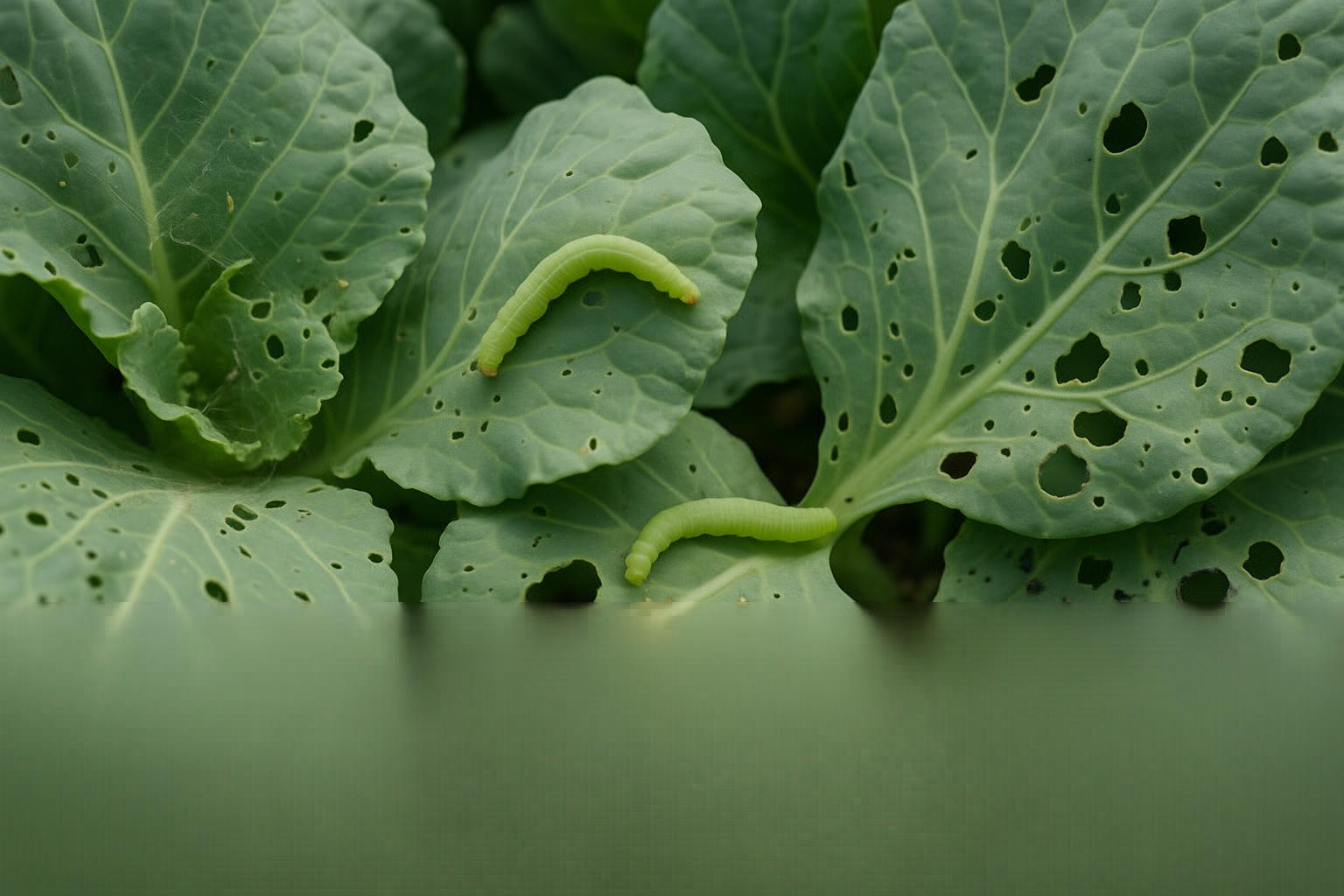
Three of the most destructive leaf-eating pests of cabbage are the diamondback moth, cabbage looper, and imported cabbageworm—each with unique traits and damage patterns that gardeners can spot early with a keen eye.
The diamondback moth is tiny, with slender grayish-brown adults that hold their wings in a neat, diamond-shaped pattern. Its larvae are light green and wriggly, often found on the underside of leaves, chewing small, irregular holes.
Cabbage loopers, on the other hand, are pale green caterpillars with white lines on their sides and a signature “inchworm” movement. Their feeding creates larger, ragged holes, and they can chow down through the middle of leaves, leaving noticeable droppings nearby.
The imported cabbageworm is the velvety green larva of the white cabbage butterfly; they blend in well with the foliage and leave larger, rounded holes edged in frass (caterpillar waste). Watch for the butterfly’s fluttering white wings as an early warning—they lay their yellow eggs singly on leaves.
All three pests attack young, tender cabbage plants most fiercely, but loopers and cabbageworms can voraciously strip older plants, too, especially before heads start to form.
To quickly ID these pests:
- Check the undersides of leaves for larvae and tiny holes.
- Look for silky webbing, a sign of diamondback moths.
- Spot telltale green droppings or green caterpillars during the day.
- Notice the size, location, and shape of the holes—ragged versus small and round.
Identifying these details can help you act fast before your cabbage patch takes a heavy hit.
Sap-Sucking Insects and Other Common Culprits
Sap-sucking insects like aphids, whiteflies, and flea beetles are some of the most common and troublesome garden pests. Catching them early is key to protecting your plants.
Aphids
Aphids are small, soft-bodied insects that cluster on new growth, leaving behind sticky honeydew and causing leaves to curl and yellow. Their feeding leads to wilting and can seriously stunt young plants.
Whiteflies
Whiteflies are tiny, moth-like insects often found in clouds when you disturb the plant. Watch for yellow speckling, a general decline in plant vigor, and sticky residue similar to aphids.
Flea Beetles
Flea beetles are small jumping beetles that create tiny “shot-hole” patterns in leaves, especially irritating seedlings. Heavy infestations can cause wilting or stunt growth.
All three pests feed on sap, weakening plants and potentially spreading diseases or viruses, making them doubly dangerous.
Other Pests
Less frequently, you might see Harlequin bugs—distinctly red and black patterned insects that attack brassicas by sucking sap, causing discoloration and wilting. Mollusks like slugs and snails also pose a threat; they chew large, irregular holes rather than suck sap but can still harm young plants, especially after rain.
Early Detection and Control
- Inspect the undersides of leaves and plant stems at least once a week; sap-sucking insects often hide out of plain sight.
- Use yellow sticky traps to monitor and catch flying pests like whiteflies.
- Encourage beneficial predators such as ladybugs and lacewings.
- Apply a strong jet of water to dislodge aphids and whiteflies before populations build up.
- Use floating row covers to protect emerging seedlings from flea beetles.
- Regularly weed and clear plant debris to reduce hiding places.
- Apply neem oil or insecticidal soap sprays early at the first sign of trouble.
By catching these culprits quickly and responding promptly, you can avoid many headaches and keep your garden lush and productive.
Root and Stem Attackers
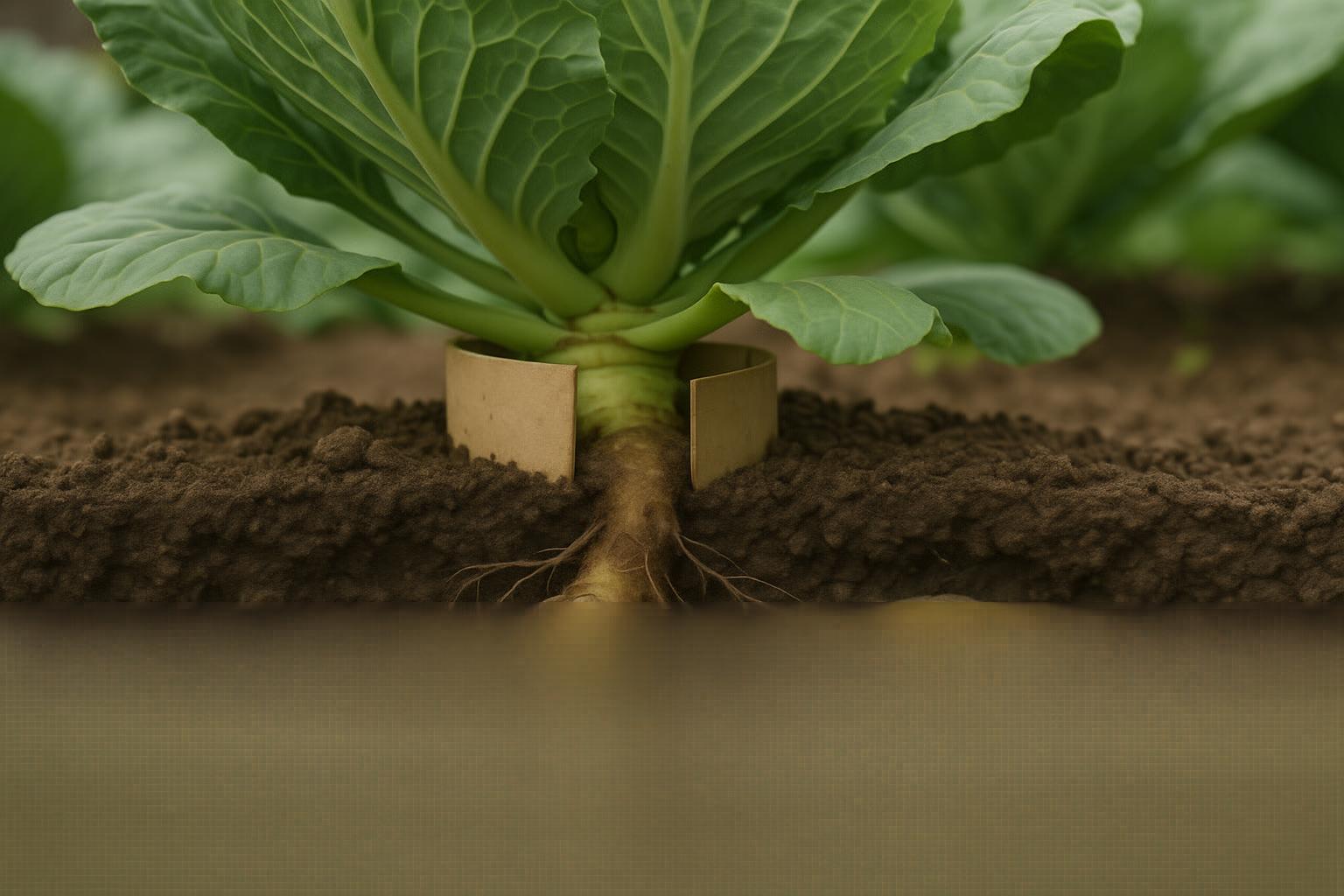
Root and stem attackers like cabbage root maggots and cutworms can wreak havoc beneath the soil, often before you notice any signs above ground. Cabbage root maggots target brassicas such as cabbage, broccoli, and kale, tunneling into roots and causing stunted growth, wilting, or even sudden plant collapse. Cutworms, which are actually caterpillar larvae, chew through the stems of young seedlings at or just below the soil line—leaving healthy tops limp or severed overnight.
Spotting hidden damage starts with a close look: gentle tugging on wilting plants may reveal roots that have been eaten away or a lack of root hairs. Freshly cut stems near the base are a clear sign of cutworm activity. To differentiate between these soil pests, check for small maggots (white, legless larvae) around brassica roots, while cutworms are plump, curled caterpillars often found in the top inch of soil when you dig near affected stems.
Regular monitoring is key—inspect seedlings daily, especially after transplanting, and watch for signs like holes in roots, chewed stems, or larvae in the soil. Protective collars made from cardboard or plastic around the base of seedlings can prevent cutworm attacks, while floating row covers help deter egg-laying flies. Crop rotation and removing plant debris will make your beds less inviting to overwintering pests, and if problems persist, beneficial nematodes can naturally target soil-dwelling larvae.
By staying observant and proactive, you can catch root and stem attackers early and prevent major setbacks in your garden.
Best Practices for Preventing and Managing Cabbage Pests
Preventing and managing cabbage pests requires a blend of smart planning and practical actions. Start with cultural controls—rotate your cabbage crops with non-brassica plants to disrupt pest life cycles, as pests like cabbage worms and aphids often overwinter in old plant debris. Installing row covers early in the season creates a physical barrier that keeps adult moths and flies from laying eggs directly on your crop. Additionally, practicing good sanitation by removing and destroying plant residues after harvest reduces places for pests to hide and breed.
Next, use physical and organic remedies: inspect cabbage plants often and handpick pests like cabbage loopers and eggs before populations spike. Spraying neem oil can effectively deter soft-bodied invaders, breaking their growth cycle without harming pollinators or beneficial insects. Introducing natural predators such as ladybugs, lacewings, or parasitoid wasps adds another layer of organic defense by targeting pest eggs and larvae.
Only turn to chemical controls when damage is significant and no other methods are effective. Choose the least toxic insecticides, always read the label, and spot-treat only affected areas to avoid harming beneficial bugs and polluting the garden ecosystem.
Throughout the season, stay vigilant with regular monitoring—walk your garden weekly, check the undersides of leaves, and keep notes of what you find. Recording pest activity and control methods helps you spot patterns over time and adjust your approach, making each season more successful than the last. Adapting your strategy based on real conditions means you’ll be better equipped to tackle pest problems early while keeping your cabbage crops healthy and thriving.
Frequently Asked Questions About Cabbage Pest Control
Many gardeners wonder how often they should check their cabbage plants for pests. Ideally, monitoring should happen at least twice a week, especially during warm, damp weather when insects are most active. Look for telltale signs like ragged leaves or tiny holes, which could indicate cabbage worms or aphids.
A common question is whether homemade sprays are effective for immediate protection. Simple solutions like a mixture of water, dish soap, and a pinch of cayenne pepper can deter soft-bodied pests. Just remember to rinse your cabbage before eating and reapply the spray after rain.
Some believe that organic methods are automatically safer, but natural controls like neem oil or diatomaceous earth should still be used sparingly to avoid harming beneficial insects.
People also ask about companion planting. Growing herbs like dill, thyme, or nasturtiums nearby can help repel moths and beetles naturally.
If you spot pests, remove caterpillars by hand and crush any yellow eggs on the undersides of leaves for quick relief. Don’t fall for the myth that pesticides are the only solution; floating row covers provide an immediate shield against adult insects and can be used as soon as seedlings emerge.
By mixing regular monitoring, natural deterrents, and protective covers, you can keep cabbage pests in check with minimal fuss and fewer chemicals.
Conclusion and Further Resources
Early intervention and holistic pest control are essential for keeping plants healthy and preventing minor issues from escalating. By spotting pests early—before they turn into infestations—you can use gentler, more targeted solutions that are safer for your garden and the environment.
Combining strategies like rotating crops, encouraging beneficial insects, and using physical barriers creates a stronger defense than relying on just one method. Proactive monitoring is key: take a few minutes each week to check leaves, stems, and soil for signs of trouble so you can act quickly if needed. Keep track of your observations in a gardening notebook or app to identify patterns over time and stay ahead of problems.
For reliable advice and current solutions, consult local cooperative extension services—these experts understand your area’s specific challenges and can recommend proven practices. Gardening organizations such as the National Gardening Association or regional horticultural societies offer webinars, forums, and community tips. Classic resources like Rodale’s Ultimate Encyclopedia of Organic Gardening or university pest management guides provide in-depth, science-backed guidance.
Staying informed and connected with trusted resources not only improves pest management but also makes garden care a rewarding, ongoing learning experience.