Introduction
When it comes to achieving a bountiful cabbage harvest, choosing the right cabbage gardening tools can make all the difference. Whether you’re growing cabbage for the first time or you’re a seasoned gardener looking to boost your yield, using the best equipment streamlines every step and helps keep your plants healthy. From preparing soil that nurtures strong roots to harvesting crisp heads at the perfect time, each phase is easier with the right tools by your side.
In this post, we’ll guide you through the essential tools you’ll need—starting with soil preparation implements that create the ideal growing environment, then moving on to planting aids, maintenance gear for weeding and watering, protection items to guard against pests, and finally, harvesting tools that ensure clean cuts and minimal waste. With practical advice on what works and why, you’ll be ready to choose equipment that fits both your gardening style and your cabbage crop’s needs. Let’s dig into the details and help your cabbage patch thrive from seed to harvest!
Essential Tools for Preparing the Soil
Getting your soil in top shape is a crucial first step for a successful cabbage garden, and using the right cabbage gardening tools makes all the difference. Garden forks are indispensable for breaking up compacted earth, aerating the soil, and turning over organic matter like compost or manure. Choose a sturdy fork with thick, sharp tines that dig deeper and last longer—an ergonomic handle will also reduce strain on your wrists.
For larger plots or heavier soils, a tiller can save you hours of manual labor by thoroughly mixing and loosening the soil, creating a fine texture perfect for cabbage roots to spread. Select a tiller size that fits your garden—electric or small manual tillers work well for raised beds, while gas-powered options are better suited for bigger areas.
Spades are ideal for precise digging, edging, and lifting soil, especially when marking out rows for cabbage planting. Look for one with a strong stainless steel blade and a comfortable grip to prevent blisters during extended use. After loosening and shaping the soil, a garden rake helps create an even planting surface by removing rocks, weeds, and debris. Opt for a heavy-duty rake with curved tines to break up clods and a straight edge for smoothing.
Proper soil preparation is vital because cabbages thrive in loose, fertile, well-drained soil that’s free of obstructions. Healthy, fluffy soil promotes robust root systems, better nutrient uptake, and strong plant growth. Be sure to clean your tools regularly and store them in a dry place to extend their lifespan. Also, prepare the soil a week or two before planting to allow amendments to settle—your cabbage crop will thank you.
Planting Tools for Cabbage
When it comes to cabbage gardening tools, a few key items can make the planting process much smoother and more successful. Dibbers, for example, are simple pointed sticks used to create consistent holes in the soil for seeds or seedlings. This ensures each cabbage plant gets the proper spacing it needs—about 12 to 18 inches apart—to prevent overcrowding and disease.
Look for dibbers with ergonomic handles and clearly marked measurements; these features let you plant quickly and accurately without straining your wrist or guessing the depth. Hand trowels are another essential tool—they make digging, loosening soil, and transplanting young cabbage starts from trays into garden beds much easier. Choose a trowel with a comfortable grip, sturdy build, and a narrow, pointed blade for easy maneuvering between rows.
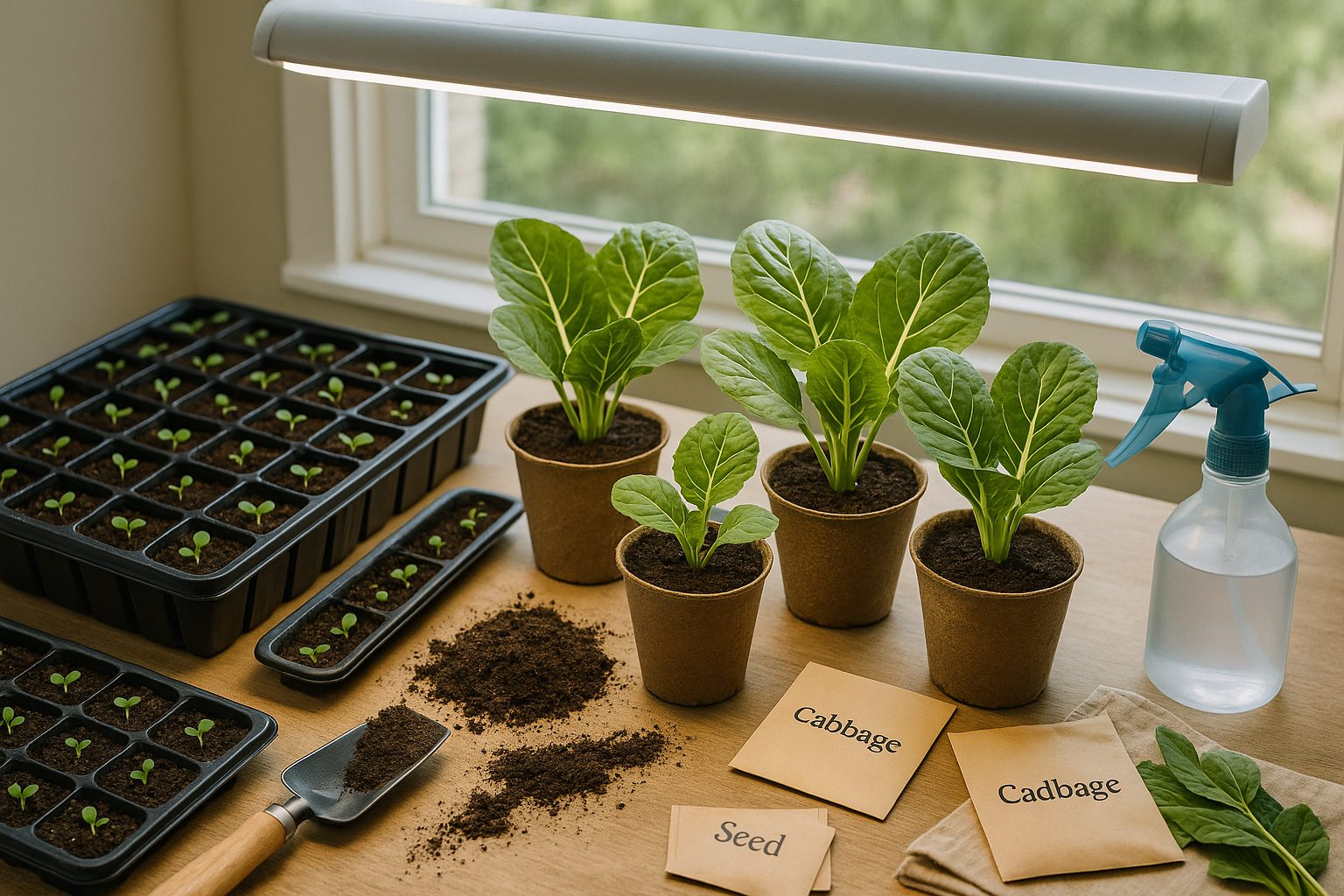
If you’re starting cabbage from seed indoors or in a greenhouse, planting trays are a must. Pick trays with good drainage holes and enough cell depth to support healthy root development without causing the roots to become bound. Quality trays help seedlings grow evenly, making transplanting smoother and reducing shock when moving them outdoors.
Using these cabbage gardening tools together lets you plant each cabbage at the ideal depth and spacing, encouraging healthier, more uniform heads at harvest. Investing time in the right equipment saves effort during planting and leads to healthier, more productive cabbage plants later on.
Caring for Cabbage: Weeding and Maintenance Tools
Successful cabbage gardening depends on regular maintenance, including diligent weeding, consistent watering, and strategic fertilizing. When it comes to weeding, both hand-held and long-handled hoes are essential cabbage gardening tools. Hand-held weeders—such as the classic “dandelion digger” or forked weeder—offer precision work in tight spaces between cabbage plants without disturbing their shallow roots. Long-handled draw hoes or stirrup hoes, meanwhile, make quick work of larger patches, allowing you to stand upright while clearing rows. This reduces back strain, especially in larger plots, and helps keep pathways weed-free, which is crucial for airflow and disease control.
Consistent watering is key for healthy cabbage beds. Simple tools like watering cans with rose attachments let you gently water young seedlings without washing away soil. For larger beds, soaker hoses or drip irrigation systems are much more efficient, delivering water slowly right to the plant base. This reduces splash-back, which can spread soil-borne diseases onto cabbage leaves. Timers and moisture meters can further simplify irrigation, ensuring your cabbage gets just the right amount of moisture—even during busy weeks or hot weather.
Mulching is another vital maintenance task. A garden fork or hand rake helps spread organic mulches like straw or untreated grass clippings around the base of cabbage plants. Mulching tools insulate the soil, retain moisture, and suppress weed growth while breaking down over time to enrich the soil. For applying granular fertilizer, a handheld broadcast spreader makes it easy to evenly distribute nutrients, while a small garden trowel is handy for side-dressing plants with compost or slow-release fertilizers.
Using the right maintenance tools not only makes your work easier but also helps prevent pest and disease problems. Keeping weeds under control removes hiding spots for pests like cabbage worms and aphids, while neat, mulched beds reduce soil splatter on lower leaves, minimizing fungal infections. Regularly cleaning and sanitizing your tools—a quick brush and disinfectant spray—helps stop the spread of pathogens from one bed to another. Investing in quality cabbage gardening tools pays off with healthier plants and a more efficient, enjoyable gardening experience.
Supporting Healthy Growth: Protection Tools
When aiming for healthy cabbage growth, using protective cabbage gardening tools like row covers, plant supports, and pest barriers is essential. Row covers are lightweight fabrics placed over cabbage beds, shielding plants from pesky insects such as cabbage loopers and aphids, while also providing protection against early frosts or intense sun. It’s best to install row covers immediately after planting seedlings or seeds, securing the edges with soil or garden staples to keep out sneaky pests. Remove the covers once the weather warms up and stabilizes, or when your cabbages require pollination.
Plant supports, such as stakes or cages, help keep heavy cabbage heads upright, preventing splitting or bruising—especially after rain when heads can become waterlogged. Add supports as the heads begin to form and adjust them as the plants grow for the best protection. For direct pest defense, fine mesh netting or physical pest barriers like collars placed at the base of each plant can stop cutworms and beetles in their tracks. Regularly check your plants for gaps or damage in these barriers and repair them promptly.
By combining these cabbage gardening tools and regularly monitoring your patch, you’ll provide your vegetables with the best defense against both critters and the elements.
Harvesting Tools for Cabbage
When it comes to efficiently harvesting cabbage, the right cabbage gardening tools can make a huge difference in preserving crop quality and saving time. Harvest knives are a favorite among many gardeners, featuring a sturdy, curved blade that easily slices through cabbage stems with minimal effort. Choose models with stainless steel blades to resist rust, and look for handles with contours or grips to reduce hand fatigue—something you’ll definitely appreciate after a long day in the patch.
Garden shears are another dependable choice, especially for smaller cabbage heads or for those who prefer a tool with two blades. Shears with long, sharp blades and spring-assisted handles allow for quick, clean cuts while minimizing stress on your wrists and hands. For gardeners managing larger crops, specialized cabbage knives—often called “cabbage cutters”—have a broad, hooked blade that combines leverage and precision to easily tackle thick stems.
No matter the tool, blade sharpness is key: a dull blade can crush or tear stems, increasing the risk of rot or disease. A sharp blade, on the other hand, makes a clean, swift cut that helps the plant heal faster.
Ergonomics matter just as much. Using tools that fit comfortably in your hand and match your grip strength can prevent repetitive strain injuries and make harvesting more enjoyable. When cutting cabbage, hold the head firmly and make a decisive, angled cut just above the outermost leaves—this reduces leaf waste and keeps soil from contaminating the inner head. Avoid twisting or tugging, as these actions can damage both the cabbage and nearby plants.
After harvesting, use sturdy baskets or mesh produce bags for transport. These breathable options help prevent bruising and heat buildup, which can shorten your cabbage’s shelf life and crispness. Combining sharp, ergonomic cabbage gardening tools with practical transport accessories ensures your cabbages go from garden to kitchen in peak condition.
Cleaning, Maintenance, and Storage of Tools
Keeping your cabbage gardening tools clean and well-maintained isn’t just about appearances—it’s essential for their durability and for growing healthy cabbage crops. After each use, rinse off soil and plant debris from tools like pruners, trowels, and harvesting knives, as leftover dirt can promote rust and bacteria growth.
For a quick clean, use a stiff brush under running water, then wipe the tools down with a clean rag. Every few weeks, disinfect cutting blades with a solution of one part bleach to nine parts water, or use isopropyl alcohol to prevent the spread of disease between plants.
Keeping blades sharp is equally important—dull tools can damage cabbage leaves or stalks, making plants more vulnerable to pests. Use a sharpening stone or handheld file to maintain a sharp edge; a few passes each month usually suffice.
Once tools are clean and dry, rub wooden handles with linseed oil to prevent cracking, and lightly coat metal parts with vegetable oil or silicone spray to protect against rust. Store your cabbage gardening tools in a dry shed or hang them on pegboards to keep them organized and off damp ground.
Making a regular habit of cleaning and properly storing your cabbage gardening tools at the end of each season ensures they’re ready for another productive harvest year after year.
Conclusion & Quick Tips
Choosing the right cabbage gardening tools can make all the difference in growing a healthy, bountiful cabbage patch. A sturdy hand trowel, precision pruners, and a well-maintained hoe help with everything from precise planting to managing weeds and harvesting heads with minimal damage.
Always clean your tools after each use to prevent the spread of disease, and keep blades sharp for smoother cuts. Use long-handled tools to save your back during weeding or soil preparation, and consider ergonomic grips for added comfort during long gardening sessions.
When harvesting, cut cabbage heads neatly at the stem with a sharp knife to encourage regrowth if you want a second, smaller harvest. Investing in quality cabbage gardening tools not only boosts efficiency but also saves time and effort in the long run, allowing you to enjoy healthier plants and bigger yields.
A little upfront care and the right equipment can transform your cabbage gardening experience into a rewarding and productive hobby.