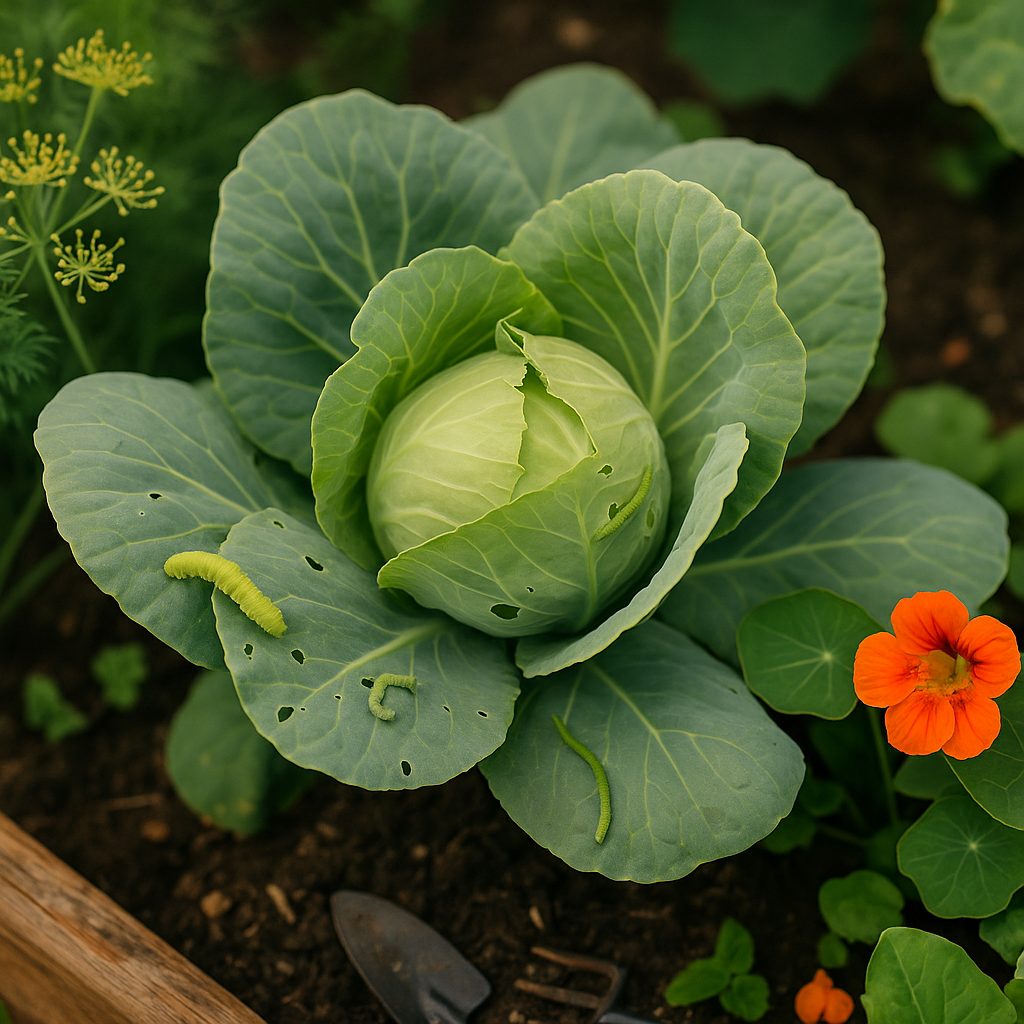
Introduction to Cabbage Loopers and Cabbage Worms
If you’re searching for effective cabbage worm prevention, you’re not alone—gardeners across the country battle these persistent pests every season. Cabbage worms and cabbage loopers are two of the most common and damaging invaders in vegetable gardens. Cabbage worms are the green, velvety larvae of white butterflies, while cabbage loopers are slightly larger, inchworm-like caterpillars known for their characteristic looping motion as they move. Both pests devour the leaves of brassicas, especially cabbage, broccoli, and kale, leaving behind ragged holes and dark, frass-stained patches.
Left unchecked, a heavy infestation can decimate your crops, stunt plant growth, and dramatically reduce your harvest.
Identifying and Managing the Threat
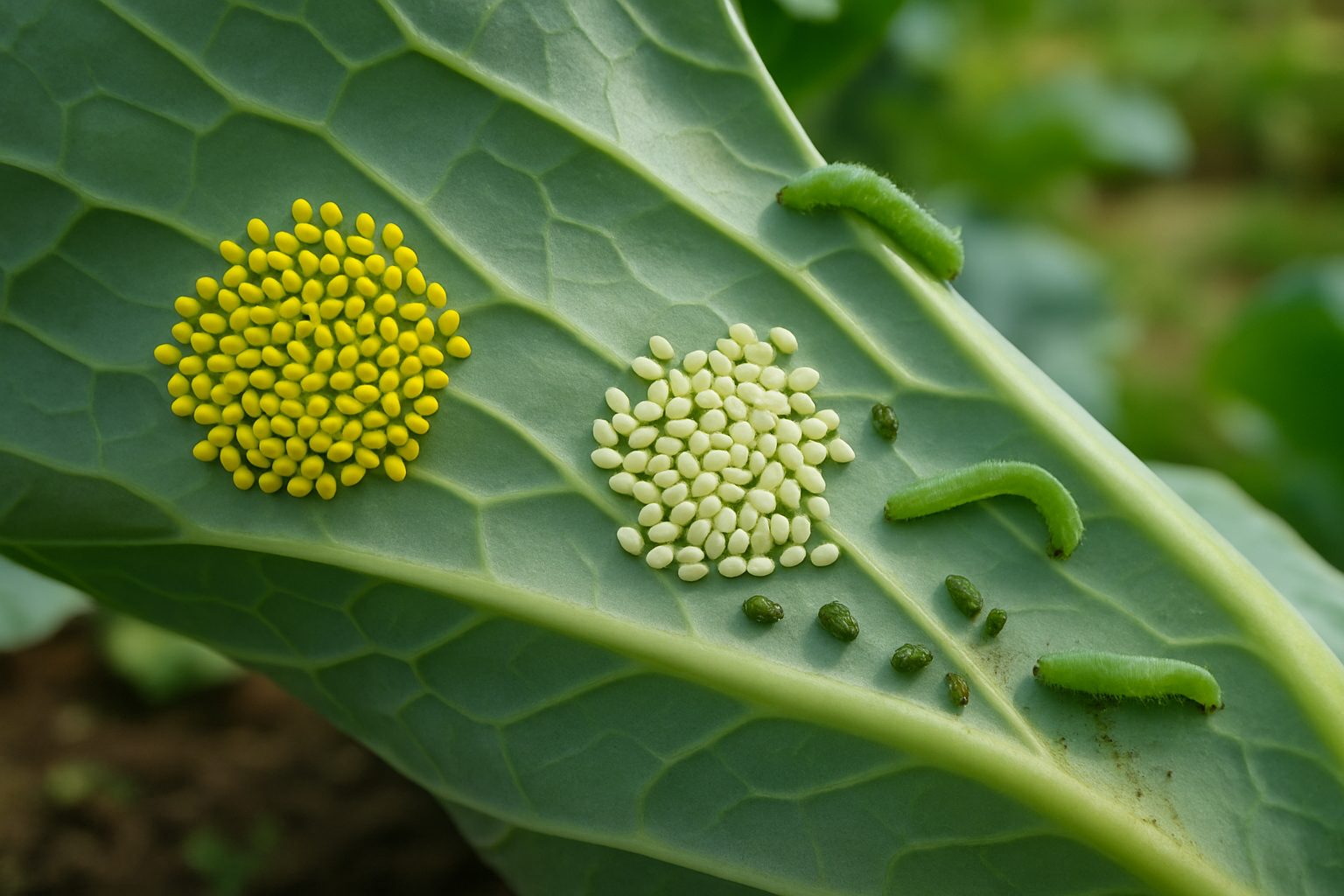
Protecting your leafy vegetables starts with recognizing the enemy. Early identification is key—look for small yellow or white eggs on the undersides of leaves, and keep an eye out for caterpillars or their droppings. Taking action at the first sign of trouble can make all the difference.
For home gardeners, practical tips like regularly inspecting plants, using floating row covers, and planting companions such as dill and nasturtium can naturally deter these pests. Additionally, introducing beneficial insects like parasitic wasps offers an environmentally friendly way to control populations without relying on chemicals.
Be Proactive for a Healthy Harvest
Ultimately, being proactive with cabbage worm prevention ensures that your hard work in the garden pays off throughout the season. By learning how to spot and manage these common pests before they take hold, you can enjoy healthy, thriving crops and a more bountiful harvest.
Identifying Cabbage Loopers, Cabbage Worms, and Similar Pests
Spotting cabbage loopers, cabbage worms, and similar pests early can save your garden from serious damage, so recognizing their differences is key.
Cabbage loopers are light green caterpillars, about 1–1.5 inches long, with subtle white stripes running down each side. Their most telling feature is how they move: they form a distinctive “loop” shape as they inch along, using their back legs to pull their bodies forward.
Cabbage worms (the larvae of the small white or cabbage butterfly) are velvety green with faint yellow stripes down the back and sides, typically blending in with the cabbage leaves they feed on.
In contrast, cabbage moth larvae—often called diamondback moth larvae—are tiny, slender, and tapered at both ends, sporting a pale green color and subtle transparency.
Hornworms, which are usually more of a problem in tomato gardens but sometimes wander into cabbage beds, are much larger—up to 4 inches long—with a noticeable horn-like protrusion on one end and diagonal white lines on their green bodies.
When inspecting your plants, look for:
- Irregular holes in the leaves, especially on the inner, tender parts of the cabbage or related greens, as all these pests tend to start there.
- Greenish droppings or frass on the leaves below feeding sites—heavier deposits often mean a more significant infestation.
To distinguish between these pests, watch their movement (loopers “loop,” worms crawl smoothly), check for unique features like the horn on hornworms, and note their size and coloring.
Early morning and late afternoon are the best times to check: many caterpillars are less active in bright sunlight and easier to spot on the undersides of leaves or along the leaf veins.
Handpicking pests, especially in small gardens, is a highly effective control method if you’re able to identify them correctly.
Damage Caused by Cabbage Loopers and Cabbage Worms
Cabbage loopers and cabbage worms are notorious garden pests that can wreak havoc on brassica crops such as cabbage, broccoli, and kale. One of the most obvious signs of their presence is ragged holes in leaves, especially on young plants.
As these caterpillars munch away, leaves may become skeletonized, with only the veins left behind, making the plants look weak and unhealthy. This type of feeding damage doesn’t just make the vegetables look unsightly—it can also drastically slow down plant growth and reduce the plant’s ability to photosynthesize effectively. This often leads to stunted, smaller heads or florets.
In severe infestations, the overall yield drops as plants struggle to recover, and the market quality of harvested crops plummets due to visible holes and frass (insect droppings). These signs can deter buyers or make the vegetables unsellable.
To catch problems early, keep an eye out for:
- Freshly chewed holes
- Clusters of tiny yellow eggs on leaf undersides
- Small green caterpillars during your regular garden walk-throughs
Spotting these signs early allows you to take quick action—like handpicking the pests or introducing natural predators—to keep damage under control and protect your crop’s health and quality.
Life Cycle and Behavior of Cabbage Loopers and Worms
Cabbage loopers and cabbage worms are common garden pests with similar, yet distinct, life cycles that are important to understand for effective control.
The cabbage looper begins its life as a small pale egg, usually laid on the undersides of leaves. After a few days, the eggs hatch into light green larvae—this is the familiar “looper” caterpillar that arches its back when moving. The larvae go through several growth stages over two to three weeks, voraciously feeding on leaves and leaving ragged holes behind. Once full-grown, loopers spin a thin cocoon on the plant or nearby debris, where they pupate for about a week before emerging as nocturnal brown moths.
Cabbage worms, often the larvae of the small white butterfly (also known as the imported cabbageworm), begin as yellow, bullet-shaped eggs laid on leaf surfaces. The larvae hatch into velvety green caterpillars with faint yellow stripes; these feed extensively for two to three weeks before pupating in a greenish, angular chrysalis attached to stems or leaves. Adults—white butterflies with black spots—soon emerge, and the cycle repeats.
Both pests are most active in spring and late summer, especially as temperatures rise and plant growth accelerates. Monitor plants for clusters of eggs or tiny larvae on the undersides of leaves during these periods, as early detection allows for easier control.
Cabbage loopers and worms spread rapidly within a garden since adult moths and butterflies can fly significant distances, laying hundreds of eggs in a single season. Their larvae are especially troublesome because they blend in with leaves and chew large, irregular holes, sometimes burrowing into heads or stems.
To reduce outbreaks:
- Remove caterpillars by hand when possible.
- Encourage natural predators like birds.
- Use row covers to exclude adults during peak egg-laying times.
Timely intervention and regular inspection—especially in the cool mornings when caterpillars are less active—can help minimize damage and keep these persistent pests at bay.
Prevention Strategies for Cabbage Pest Control
One of the most effective ways to keep cabbage pests at bay is by combining several prevention strategies right from the start. Begin with crop rotation: avoid planting cabbage and its relatives (like broccoli and kale) in the same spot each year, as this disrupts pest life cycles and reduces the risk of soil-borne infestations.
Using row covers as soon as you transplant seedlings creates a physical barrier that keeps cabbage moths, aphids, and other common pests away from your plants. Equally important is maintaining overall garden health—keep the area weed-free, clear away plant debris, and water regularly to ensure robust, pest-resistant cabbages.
Companion planting offers a natural line of defense as well. Growing aromatic herbs like dill, mint, or thyme near your cabbages can repel pests such as cabbage worms and aphids, while marigolds or nasturtiums can attract beneficial insects that prey on unwanted bugs.
Inspect your garden regularly; check cabbage leaves—especially the undersides—for tiny eggs or larvae, and remove them by hand before populations can explode. This proactive, hands-on approach is a key component of integrated pest management and can significantly reduce the need for chemical interventions.
With these simple, sustainable strategies, you’ll give your cabbages a strong line of defense—resulting in healthier plants and a more productive harvest.
Safe and Effective Removal Methods
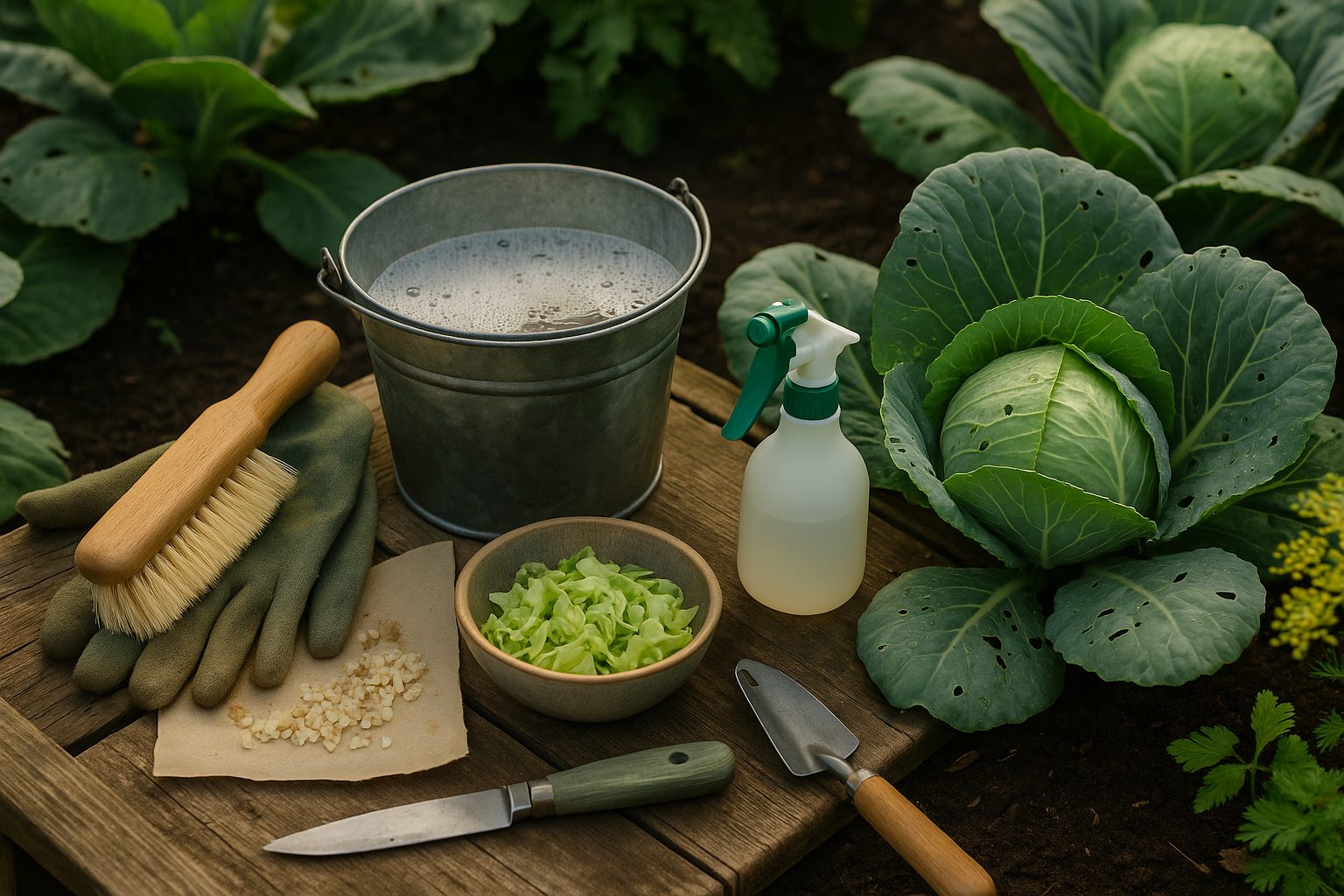
When tackling pest problems, starting with manual removal is a straightforward and eco-friendly first step. Inspect plants in the early morning or late afternoon when pests are most active—check under leaves, along stems, and around the base. Wear gloves and use a soft brush or simply your fingers to pick off pests like caterpillars, beetles, or aphids, dropping them into a bucket of soapy water for quick disposal.
For larger infestations, flush clusters with a strong blast of water from a hose, repeating as needed. If pests persist, natural controls can help.
Spray plants with a solution of Bacillus thuringiensis (Bt) to target caterpillars specifically, following label directions and applying only to affected areas. Neem oil is another effective organic remedy; mix according to package instructions and coat leaves thoroughly, targeting both upper and lower surfaces.
For a DIY alternative, combine a few drops of mild dish soap with water and spray on pests like aphids or spider mites—test a small area first to ensure your plants tolerate the solution.
When considering chemical pesticides, use them only as a last resort and choose products labeled as safe for garden or household use. Always follow directions closely—wear protective gear, keep pets and children away during application, and avoid treating plants during windy or rainy weather. Target only the affected areas and never exceed recommended dosages, as overuse can harm beneficial insects and surrounding plants.
By following these targeted steps, you can manage pests safely and effectively while protecting the health of your garden and everyone who enjoys it.
Cabbage Loopers vs Cabbage Worms: What’s the Difference?
Telling cabbage loopers and cabbage worms apart is crucial for gardeners hoping to protect their crops, but these pests can look surprisingly similar at a glance. Cabbage loopers are light green caterpillars with narrow white stripes along their sides and are named for their unique way of moving: they arch their bodies like inchworms as they crawl.
In contrast, cabbage worms (the larvae of the cabbage white butterfly) are also green but have a velvet-like texture, faint yellow stripes, and move with a smoother crawl.
In terms of behavior, loopers are often more active during dusk, while cabbage worms feed steadily during the daytime, making observation at different times helpful.
Both pests eat voraciously, but loopers tend to leave large, ragged holes in leaves, while worms make smaller, more irregular bites and can bore into heads of cabbage or broccoli.
When it comes to preferred crops, cabbage loopers target a broad range of cruciferous plants including cabbage, broccoli, cauliflower, and even lettuce. Cabbage worms stick mainly to brassicas such as cabbage, kale, Brussels sprouts, and broccoli.
Accurate identification matters because some organic controls—like Bacillus thuringiensis (Bt)—are more effective on loopers, while hand-picking or certain barriers work better for worms. Using the wrong method wastes effort and can let infestations grow.
Regularly check your plants for signs unique to each pest to catch problems early, and tailor your response to the culprit for best results.
Final Tips for a Healthy, Pest-Resistant Garden
Consistent monitoring is key to catching pest problems before they escalate, so make it a habit to stroll through your garden every few days, turning over leaves and checking young shoots for signs of damage or unwanted visitors. Early detection lets you act fast—simply removing caterpillars by hand or snipping away infested leaves can prevent a minor issue from becoming a full-blown infestation.
Another smart move is fostering biodiversity in your garden; plant flowers like marigolds, nasturtiums, or dill near your brassicas to attract beneficial insects such as ladybugs and lacewings, which love to feast on common pests like aphids and caterpillars. You can even install simple insect hotels or log piles to encourage helpful beetles and ground-dwellers.
Keep your brassica crops healthy by rotating them to fresh spots each year, using mulch to maintain moisture and discourage weeds, and avoiding overcrowding, which can invite pests and disease. Finally, water your plants at soil level rather than overhead to reduce the humidity that often encourages fungal issues and attracts pests.
By weaving together regular attention, biodiversity, and good garden hygiene, you’ll enjoy robust, pest-resistant brassicas all season and spend less time fighting costly battles against outbreaks.