Introduction
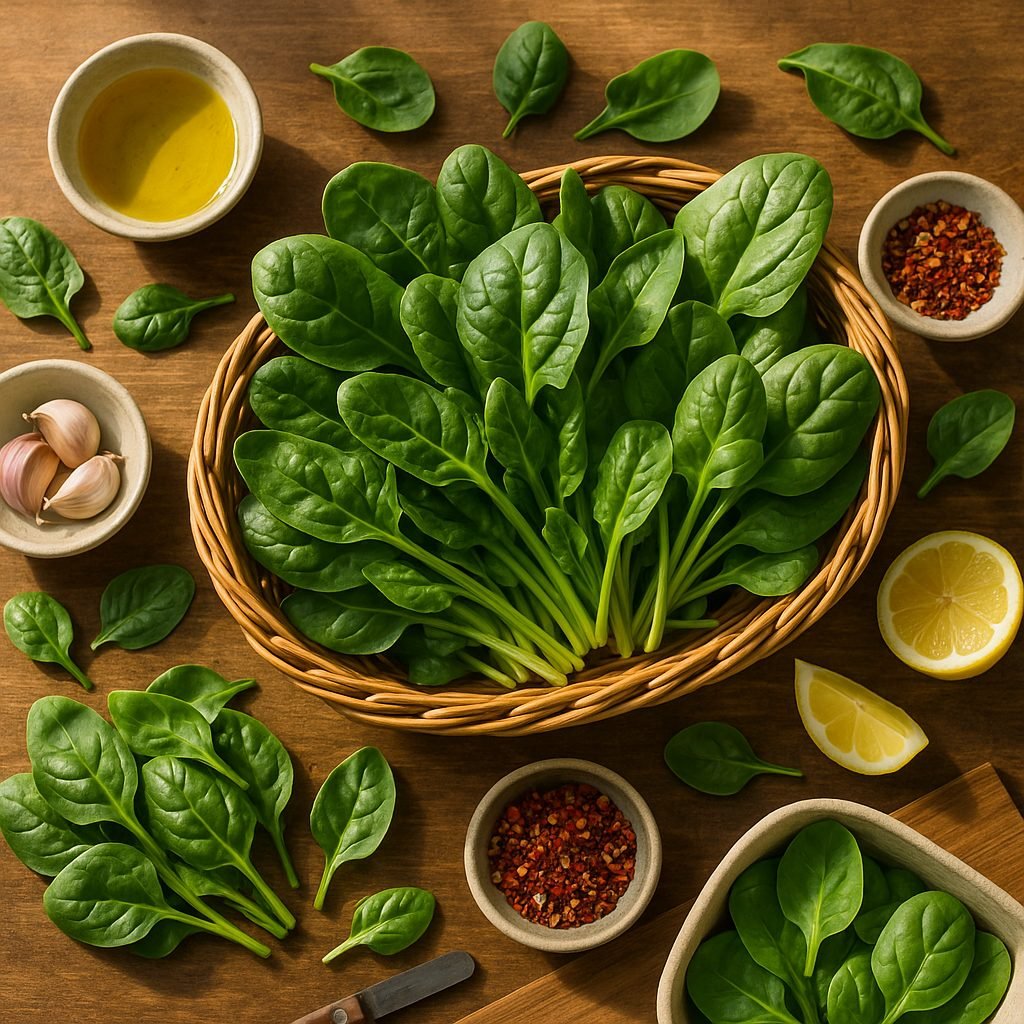
spinach recipes have become kitchen staples for anyone looking to eat healthier without sacrificing flavor or simplicity. This leafy green isn’t just a superfood—it’s incredibly versatile, making its way into salads, smoothies, stir-fries, and pastas with ease. Whether you’re harvesting a bumper crop from your backyard or grabbing a fresh bag from the market, spinach offers countless ways to upgrade everyday meals.
In this guide, you’ll discover the best spinach recipes tailored especially for gardeners and busy home cooks alike, complete with tips for cleaning, prepping, and cooking spinach so you get the most out of every leaf. From speedy sautés to vibrant soups and cheesy bakes, these ideas will help you add more greens to your plate while keeping things quick and flavorful. Ready to turn your spinach harvest into healthy, delicious dishes? Let’s dig in!
Choosing and Prepping Spinach
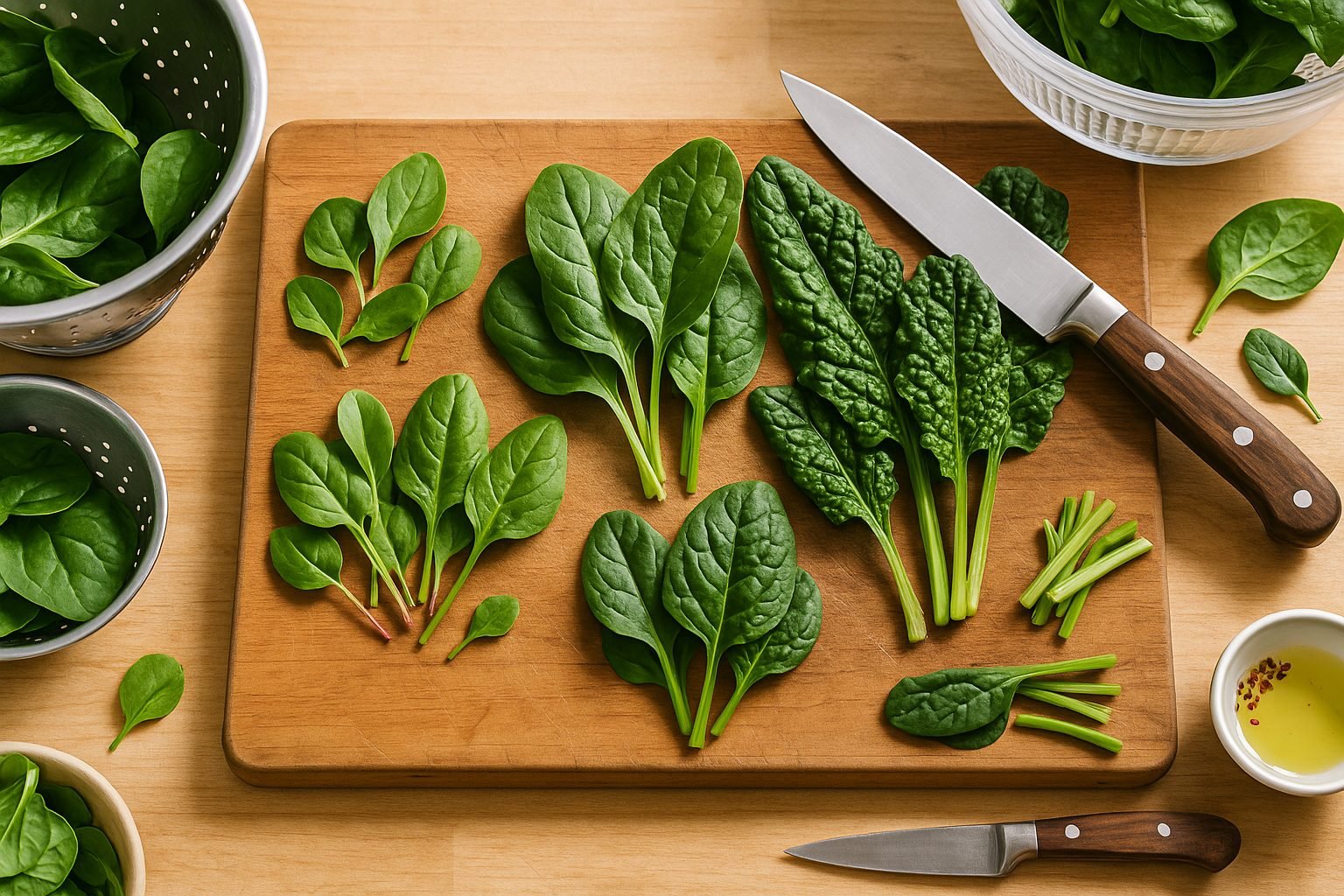
Spinach comes in a few main varieties, each with its own strengths in the kitchen. Baby spinach is tender and mild—perfect for salads, smoothies, or tossing into dishes at the last minute. Mature spinach, often sold in bunches, has larger, tougher leaves that stand up well to sautéing, steaming, or baking into casseroles.
Flat-leaf spinach (also called “smooth-leaf”) is easy to clean and great for fresh use in salads or sandwiches, while savoy spinach boasts curly, crinkled leaves that are heartier and best suited for cooking—they hold up well in soups and sautés.
When shopping for spinach, look for vibrant green leaves without any yellowing or slimy spots. Avoid bunches with wilted, soggy, or browning stems.
For the best flavor and texture, rinse spinach thoroughly in cold water—grit and sand often hide deep in the leaves, especially with mature and savoy types. Swirl the leaves in a bowl or sink full of water, then lift them out to let dirt settle. Repeat as needed, then dry with a salad spinner or gently pat with towels to avoid soggy dishes later.
If the stems are large or tough (common with mature spinach and savoy), simply stack a few leaves and slice off the thicker stems before using. Prepped this way, spinach is ready for any recipe, from fresh salads to hearty sautés.
Essential Cooking Techniques for Spinach
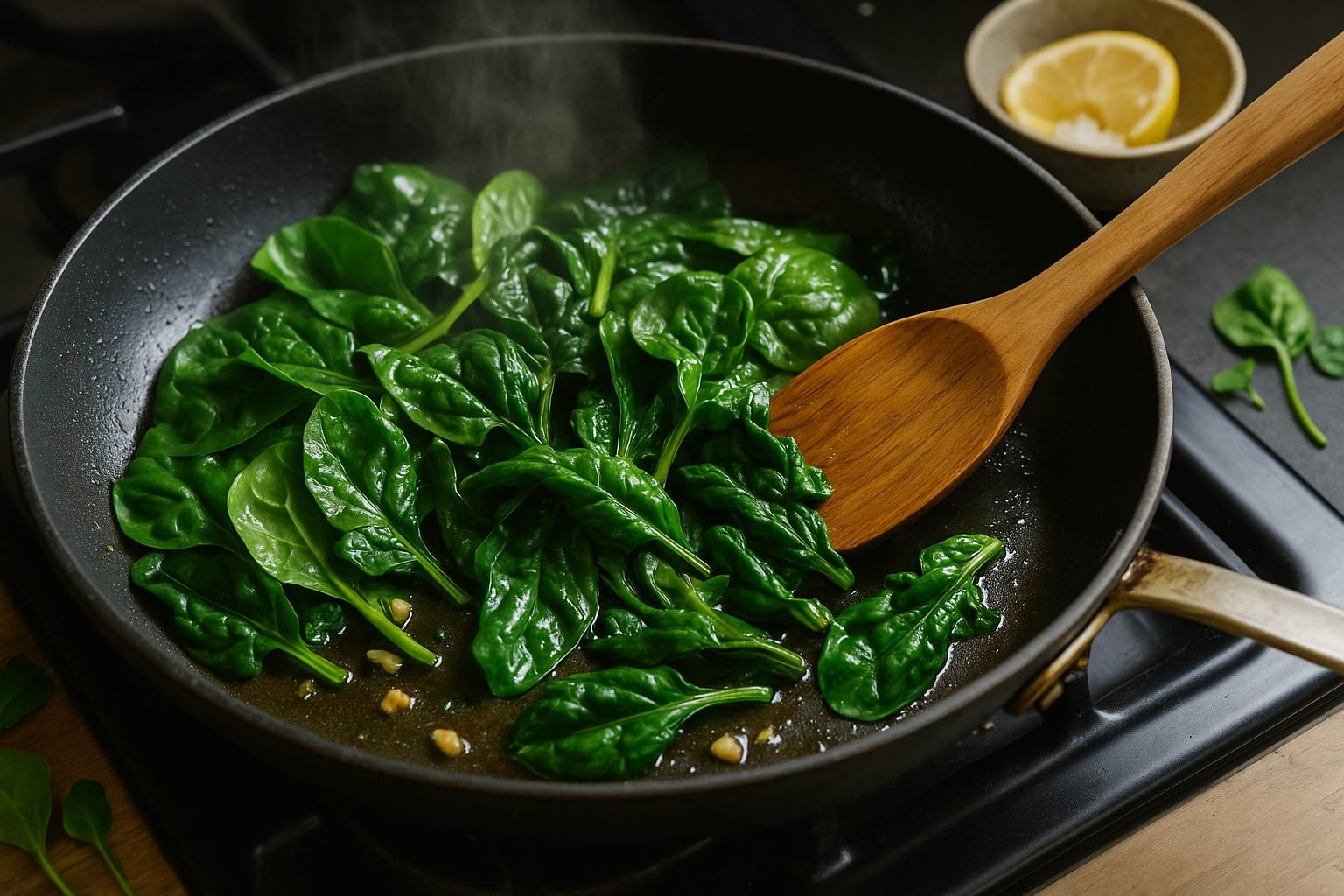
Mastering a few essential techniques can make spinach a star in your kitchen. Sautéing is one of the fastest ways to cook spinach, delivering vibrant color and flavor in just minutes. Simply heat a tablespoon of olive oil in a large skillet over medium heat, add two cloves of minced garlic, and cook until fragrant (about 30 seconds). Pile in several big handfuls of fresh, washed spinach—even if it looks like too much, it will shrink dramatically. Stir constantly, adding a pinch of salt and a squeeze of lemon juice, just until the leaves wilt, usually in 2-3 minutes. Remove from the heat promptly to avoid overcooking, which can make the spinach mushy and dull in color.
Steaming Spinach
For steaming, place spinach in a steamer basket over simmering water, cover, and steam for 1-2 minutes until just wilted.
Blanching Spinach
Blanching involves boiling spinach for 30 seconds to a minute, then plunging it into ice water to lock in its bright green color—a great trick if you want spinach for salads or dishes where appearance matters.
Wilting Spinach
To simply wilt spinach, toss it raw into hot soups or pasta right before serving; the heat will soften it without making it soggy.
Common Pitfalls to Avoid
- Don’t overcrowd the pan when sautéing, as spinach cooks best in batches.
- Always drain excess water thoroughly before serving to prevent watery results.
Flavor Enhancements
To boost flavor, try adding a touch of red pepper flakes, nutmeg, or finishing with a drizzle of good olive oil. Combining these simple techniques and enhancements ensures that spinach stays delicious, nutritious, and visually appealing.
Must-Try Easy Spinach Recipes
Spinach is a powerhouse green that adds a nutritious boost to any meal, and it’s surprisingly easy to work with—even for beginner cooks. If you’re looking to get more spinach into your diet without spending hours in the kitchen, try these simple recipes.
Simple Sautéed Spinach
Toss fresh spinach leaves in olive oil with minced garlic, cook until wilted (about three minutes), then finish with a pinch of salt and a squeeze of lemon.
Fresh Spinach Salad
For a speedy lunch, mix baby spinach with sliced strawberries, crumbled feta, walnuts, and a quick balsamic vinaigrette. Keep the dressing separate until serving to prevent sogginess.
Spinach Artichoke Dip
Combine chopped spinach with cream cheese, artichoke hearts, grated Parmesan, and a hint of garlic. Bake until bubbly for a warm, comforting appetizer that’s perfect with crusty bread or crackers.
One-Pan Spinach and Cheese Frittata
Beat a few eggs, stir in chopped spinach and shredded cheese, then cook gently on the stove until just set. Finish under the broiler for a golden top without extra fuss.
Spinach Lasagna Rolls
For a make-ahead option, spread ricotta mixed with chopped spinach on cooked lasagna noodles, roll up, layer with marinara, and bake.
Spinach Smoothies
Don’t overlook spinach in smoothies; a generous handful blends seamlessly with banana, Greek yogurt, and your favorite fruit juice, making it easy to sneak in extra greens at breakfast or snack time.
Whether you’re aiming for quick sides, light lunches, shareable dips, or simple main dishes, spinach’s mild flavor and versatility make it a must-have in any busy cook’s repertoire.
Pairing Ideas: What Goes Well with Spinach?
Spinach is an incredibly versatile green that pairs beautifully with a wide range of foods, making it easy to add extra nutrients to any meal.
For proteins, think grilled chicken, seared salmon, or even crispy chickpeas for a vegetarian option. Spinach and eggs are a classic match—try folding baby spinach into scrambled eggs or an omelet for a quick, nourishing breakfast.
At lunchtime, toss fresh spinach with quinoa or brown rice, nuts, and feta cheese for a vibrant grain bowl. For dinner, wilt spinach into whole wheat pasta with cherry tomatoes and grilled shrimp for a restaurant-quality meal at home.
Spinach also shines on sandwiches—layer it with turkey and Swiss on whole grain bread, or tuck it into wraps with hummus and roasted vegetables for extra crunch and color. As a side, sauté spinach with garlic and olive oil, or bake it into a cheesy gratin.
If you’re short on time, use pre-washed baby spinach in smoothies, stir-fries, or salads with roasted sweet potatoes and toasted seeds. The tender leaves also make a great pizza topping or a healthy base for avocado toast at breakfast.
With its mild flavor and tender texture, spinach adapts to nearly any seasoning, so don’t hesitate to get creative each time you reach for this nutritious green.
How to Store and Use Leftover Spinach
To keep fresh spinach crisp, store it unwashed in a container lined with paper towels. The towels absorb excess moisture and help prevent wilting.
If you have cooked spinach left over, freeze it in portioned containers or resealable bags—just cool it first and squeeze out extra water. This way, it’s perfect for tossing straight into soups or pasta dishes later.
Don’t let raw spinach go limp in your fridge. If it starts to wilt, soak the leaves in an ice water bath for a few minutes to revive their crunch before using them in salads or sandwiches.
Leftover raw spinach is great for sneaking extra nutrition into breakfast smoothies or omelets, while cooked spinach blends seamlessly into baked casseroles, creamy dips, curries, or quick stir-fries.
To minimize food waste, regularly check the crisper for forgotten greens. Use spinach that’s past its prime in blended soups or pesto, where texture matters less.
With a little planning, you’ll make the most of every leafy green and reduce what ends up in the compost bin.
Frequently Asked Questions About Cooking Spinach
Cooking spinach often brings up a few common questions, especially when it comes to nutrition, taste, and prep. Many wonder if raw or cooked spinach is healthier; both have benefits—raw spinach offers more vitamin C, while cooked spinach provides higher amounts of iron and calcium because heat breaks down oxalates that can block mineral absorption.
Speaking of oxalates, these natural compounds sometimes get a bad rap, but you can reduce their content (and bitterness) by quickly blanching or sautéing spinach rather than eating it raw all the time.
Another frequent question is whether you should remove the stems; it depends on your dish and personal preference. Young, tender stems are fine to eat, but older ones can be tough, so just strip those out before cooking.
If your cooked spinach turns out slimy or flavorless, try cooking it quickly over high heat with a splash of olive oil and a pinch of salt to keep the leaves vibrant and flavorful—overcooking is a major culprit. For added brightness, finish with lemon juice or garlic.
Lastly, if you’re prepping spinach for a salad, let it dry fully after washing; wet leaves can dilute dressing and make salads soggy.
Conclusion & Inspiration to Cook More Spinach
Don’t hesitate to get creative in the kitchen and make spinach your own—toss it in smoothies, sneak it into omelets, or layer it in lasagna. The beauty of spinach is that it pairs well with countless flavors, making it an easy way to boost nutrition at any meal.
Experiment with your favorite spices, cheeses, or grains, and see what delicious combos you can invent. We’d love to hear about your best spinach creations, so share them in the comments!
Remember, every tasty dish with spinach is a small win for your health and a big leap for your mealtime variety.