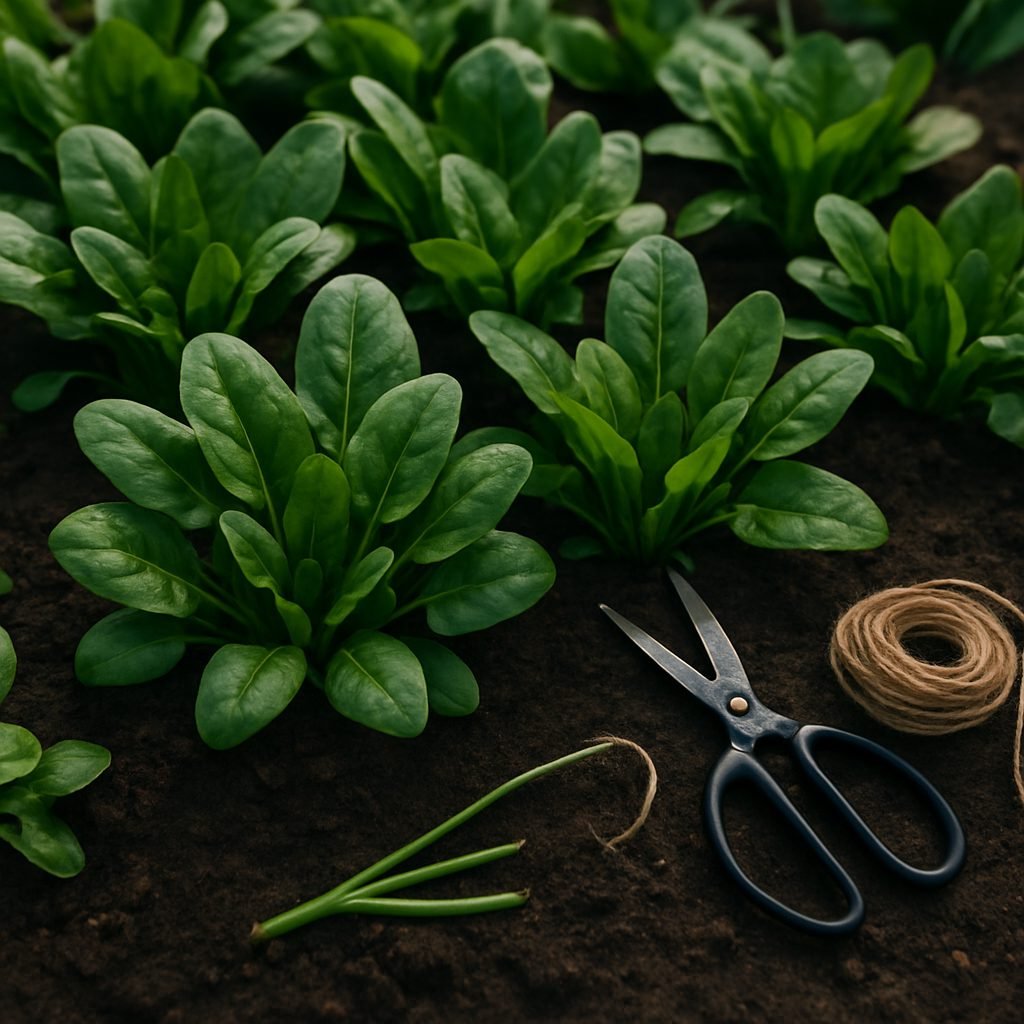
When to Harvest Spinach
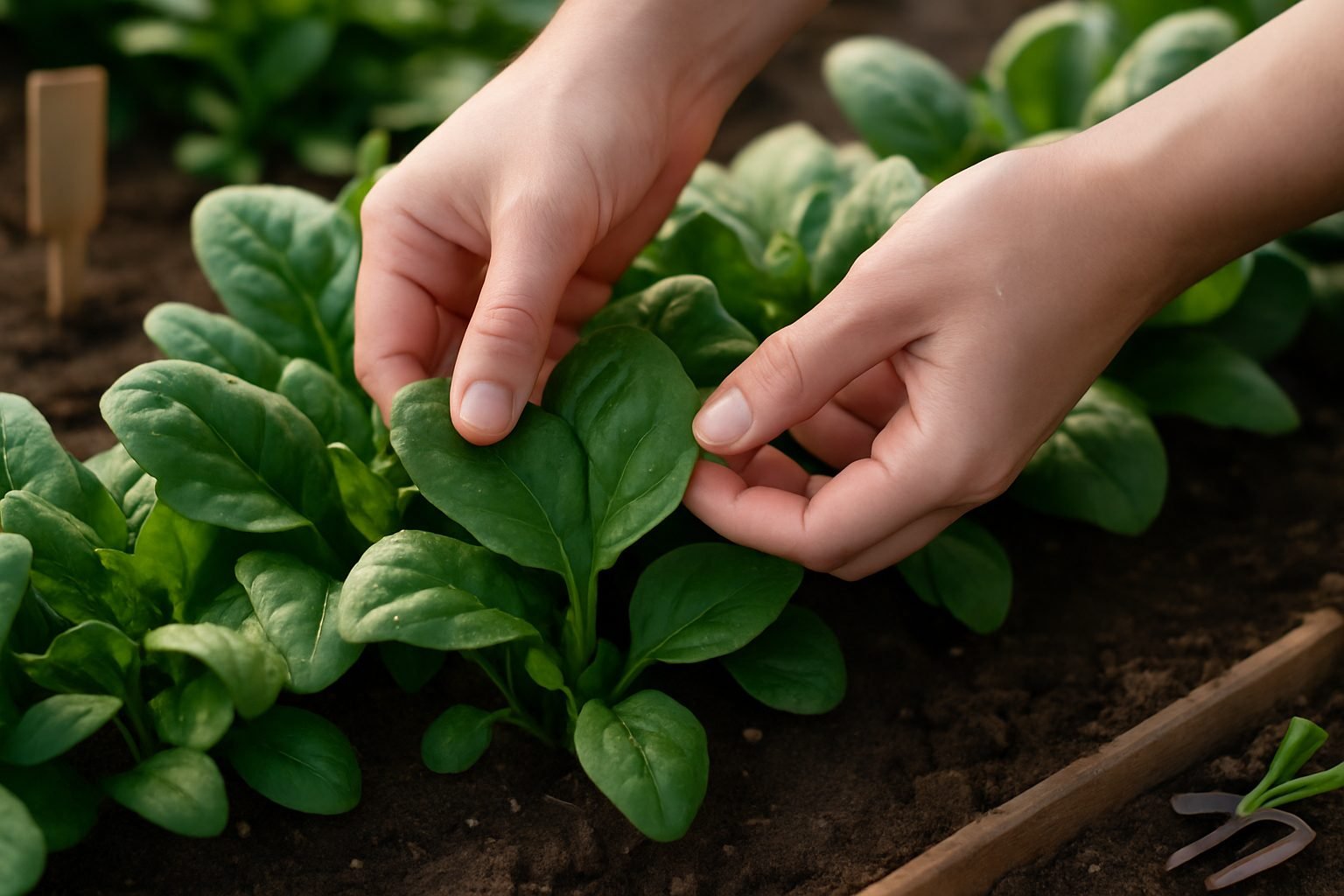
Knowing exactly when to harvest spinach can make the difference between enjoying tender, sweet greens and ending up with tough, bitter leaves. The best time to pick spinach is when the leaves reach about 3 to 6 inches in length and show a vibrant, deep green color. Avoid waiting until the plant starts sending up a flower stalk, as this signals bolting and can create a more bitter taste.
Look for leaves that are fully formed but not overly large or leathery—young, medium-sized leaves provide the best texture and flavor for salads or cooked dishes. In terms of growth, the plant itself should be around 4 to 6 inches tall, bushy, and robust before you start harvesting.
For peak freshness and flavor, head out in the early morning when the leaves are crisp and full of moisture, rather than wilted by the midday sun. Spinach grows best in cool weather, so spring and early fall are prime harvesting times—hot summer days can cause leaves to become tougher and more bitter.
If you want a continuous supply, try harvesting just the outer leaves, allowing the center to keep growing for future pickings. This not only ensures the tastiest spinach but also extends your harvest season.
Remember, the goal is to pick spinach at its prime: before the heat of the day, when leaves are tender, and while plants are compact and lush green. With these tips, you’ll enjoy fresh, delicious spinach straight from your garden every time.
How to Harvest Spinach
When harvesting spinach, you can either pick individual leaves or cut the whole plant—your choice depends on your needs and the crop’s maturity. If you want a continuous supply of tender greens, it’s best to hand-pick the outer, mature leaves and leave the younger inner leaves to keep growing.
This approach works especially well for baby spinach, prized for its soft texture and mild flavor. Use your fingers to gently snap off leaves near the base—avoid tearing or yanking, as this can damage the plant and slow regrowth.
For larger harvests or mature spinach, you might prefer cutting the entire plant about an inch above the soil using clean garden scissors or a sharp knife. This method is quick and efficient, especially for denser rows. However, keep in mind that cutting the whole plant stops further growth, so if you want multiple harvests throughout the season, stick to the pick-and-grow method.
To encourage regrowth, always water spinach after harvesting and consider a light application of fertilizer to replenish the energy lost during leaf production. Avoid harvesting during the heat of the day to reduce plant stress and prevent wilting.
With these simple harvesting tips, you’ll enjoy fresh, flavorful spinach again and again without needing to replant each time.
How to Store and Preserve Spinach
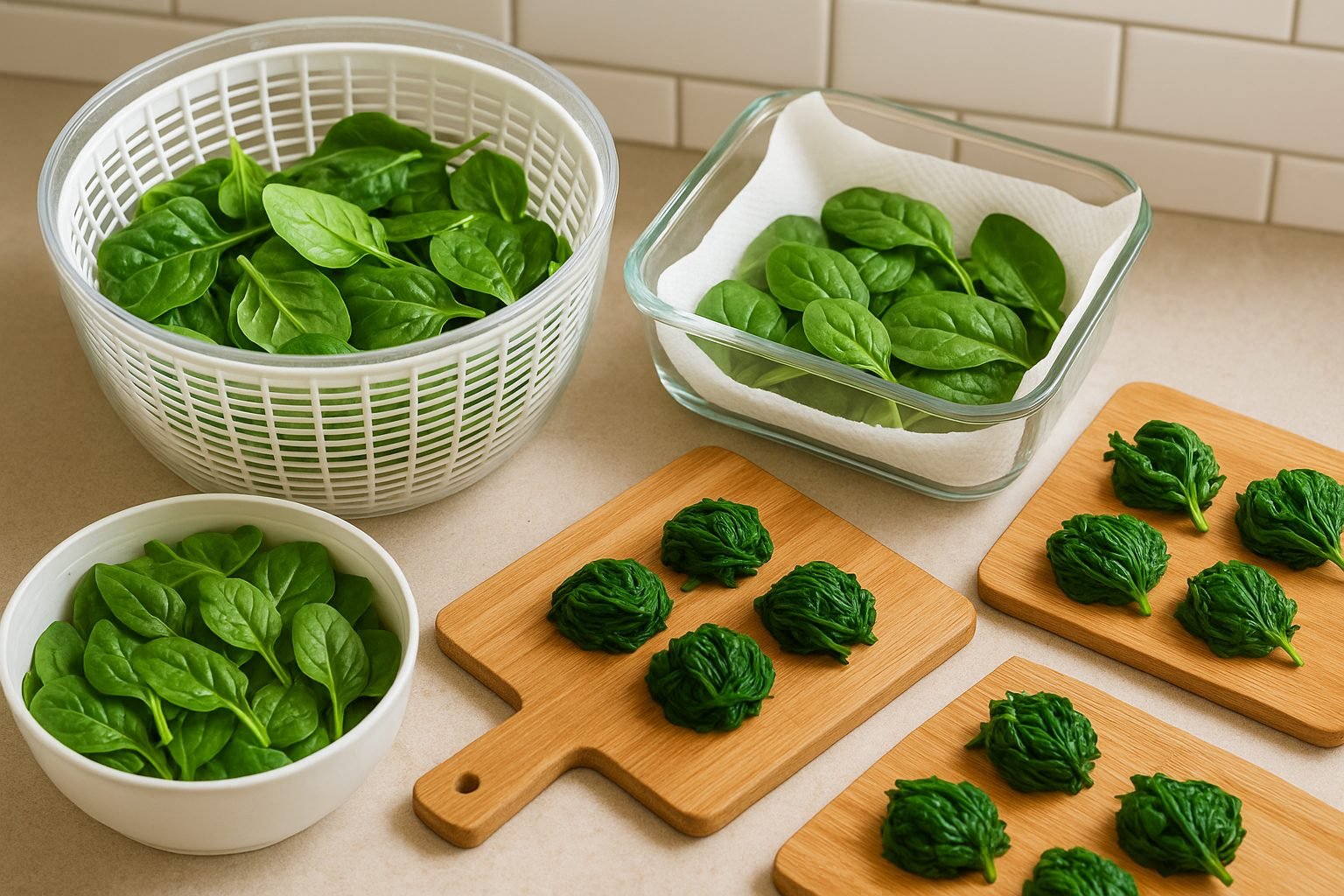
To keep spinach fresh for as long as possible, start by cleaning it thoroughly under cold running water to remove dirt and grit. Swishing the leaves in a bowl of water and changing the water if needed helps, too. After rinsing, gently pat the spinach dry with a clean towel or use a salad spinner, since excess moisture can speed up spoilage.
For refrigeration, line a container or a sealable bag with paper towels to absorb moisture, then lay the spinach inside. If you plan to store it for several days, keep it unwashed and wash just before use. Store it in the crisper drawer, and check daily for wilted or slimy leaves, removing them to prevent spoilage from spreading.
If you want to preserve spinach for longer, freezing is a great option. Blanch the leaves in boiling water for 1-2 minutes, then transfer immediately into ice water. Drain and pack into freezer-safe bags, removing as much air as possible.
You can also dry spinach by arranging clean leaves on a baking sheet and using a dehydrator or oven at the lowest setting until crisp. Crumbled dried spinach is easy to add to soups and sauces.
Signs your spinach has gone bad include an unpleasant smell, a slimy texture, or dark mushy patches. When in doubt, throw it out.
To maximize shelf life:
- Keep spinach away from ethylene-producing fruits like apples and bananas.
- Avoid washing all the leaves at once if you won’t use them immediately.
By following these simple steps, you can enjoy fresh-tasting spinach for salads, cooking, or smoothies all week and beyond.
Common Problems and Harvesting FAQs
Many gardeners run into common harvesting problems, especially with leafy greens and herbs. One frequent question is about yellowing leaves: this usually means the plant is stressed—often from overwatering, nutrient deficiencies, or even picking too aggressively. If you notice yellow leaves, check the soil moisture and consider a balanced fertilizer.
Another concern is regrowth: will your plant keep producing after harvest? For crops like lettuce, chard, or basil, use the “cut and come again” method—snip outer leaves and leave the center to encourage regrowth.
Bolting, when plants suddenly shoot up and flower, is another frustration, usually triggered by heat or long daylight. If you see thick stems or flower buds, harvest immediately; bolted greens often taste bitter but are still usable in sautés.
Pests such as aphids or slugs can degrade crop quality, while fungal diseases often thrive in wet, crowded conditions. Prevent these by ensuring good airflow and inspecting leaves regularly.
When unpredictable weather—like heat waves or heavy rain—threatens, harvest earlier than planned to avoid spoilage or splitting.
Storage Tips
For storage, remember that most greens prefer crisp, cool conditions, so wrap them loosely in a damp towel and store in the fridge. If leaves wilt, revive them with a cold-water soak. Always remove damaged or diseased sections before storage, as these can hasten spoilage.
By troubleshooting each challenge promptly, you’ll maximize both the yield and quality of your homegrown harvest.
Growing for Future Harvests: Saving Seeds and Season Extension
Letting your spinach plants bolt—meaning allowing them to flower and set seed—is a smart way to ensure you have seeds ready for next season’s planting. To collect seeds, pick a few healthy spinach plants and let them grow past their normal leafy stage; as temperatures rise, they’ll send up tall stalks with small greenish flowers. When these flower heads turn brown and dry out, gently snip them off, let them dry more in a paper bag indoors, and then shake out the tiny seeds for storage in a cool, dry place.
To enjoy spinach for longer, consider using row covers, cold frames, or even a simple DIY tunnel made with clear plastic to shield plants from frost if you’re in a colder region—this can add weeks to your growing season! In warmer climates, planting in light afternoon shade helps keep crops cooler and delays bolting, giving you more harvest time.
To keep your garden producing, sow a new row of spinach every 2-3 weeks throughout the spring and again in late summer. Also, keep spinach moist with mulch and regular watering, and pick outer leaves continuously; this encourages the plant to keep growing and sending out fresh foliage.
With a little planning and ongoing care, you’ll have tender spinach leaves for months, plus a free supply of homegrown seeds all ready for next year.