Introduction
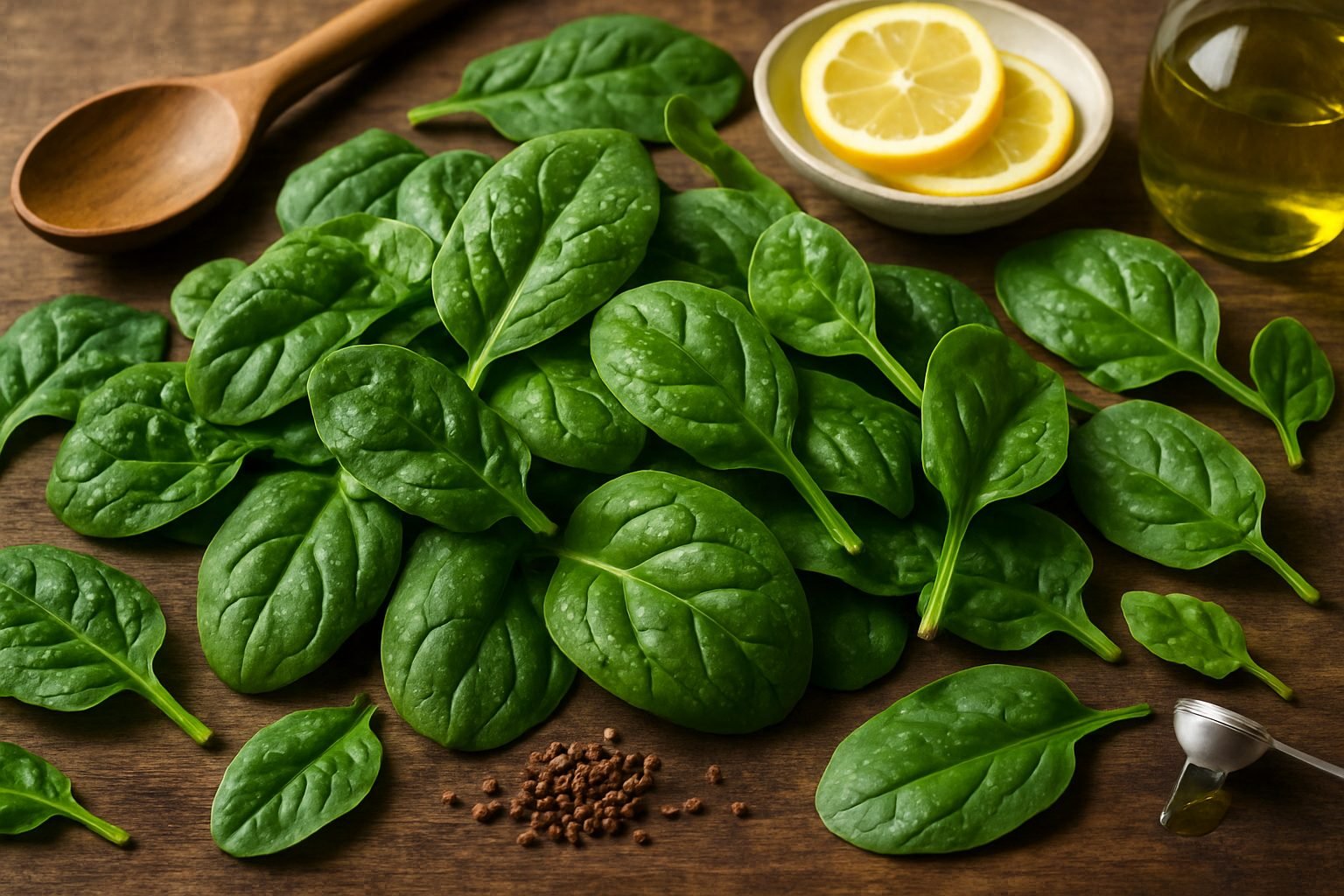
Raw spinach leaves have become a staple in salads and smoothies, making them one of the most popular leafy greens among health-conscious eaters. But have you ever paused and wondered, “Are spinach leaves edible raw?” It’s a smart question—and one that many people are asking. With so many nutrition trends encouraging fresh, uncooked veggies, it’s natural to wonder if raw spinach leaves are safe to eat or if you might be risking something by skipping the stove.
Concerns range from potential nutrient loss during cooking to worries about bacteria or natural compounds in the leaves themselves. In this article, we’ll explore whether raw spinach leaves are a safe choice, the nutritional benefits they offer when eaten uncooked, and possible downsides you should consider. We’ll also share practical tips for preparing and enjoying raw spinach to get the most out of this powerhouse green. Whether you’re a salad lover or just looking to boost your diet, you’ll find everything you need to make an informed decision about eating spinach raw.
Nutritional Value of Raw Spinach
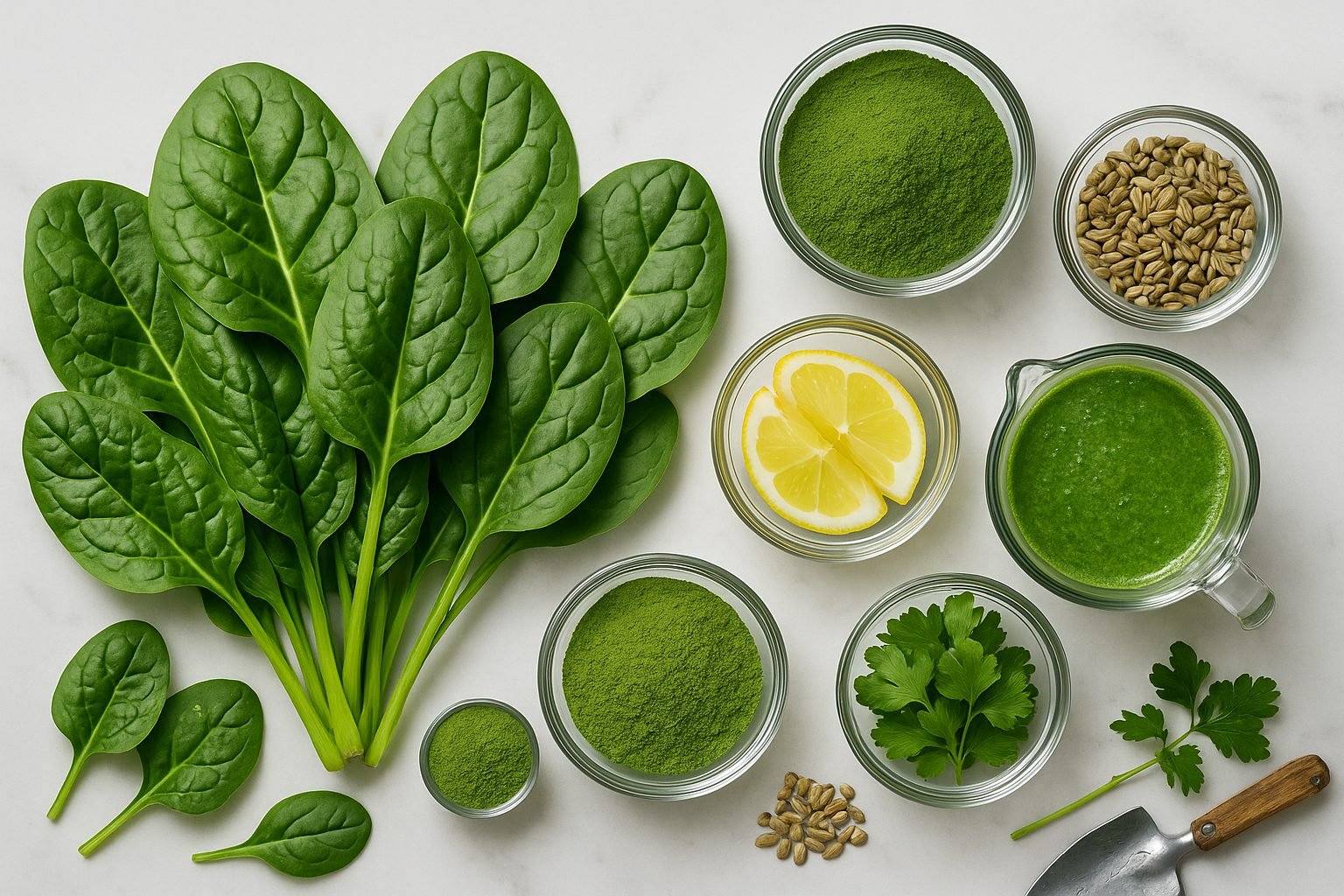
Raw spinach leaves are a nutritional powerhouse, packed with vitamins, minerals, and antioxidants in every bite. Eating spinach raw preserves high levels of vitamin C, a nutrient that can decrease when the leaves are cooked. Raw spinach is also rich in vitamin K, which is essential for bone health and blood clotting, as well as folate, vital for cell growth and repair.
Each serving contains generous amounts of plant-based iron, magnesium, and potassium—nutrients that support energy production, muscle function, and hydration balance. Among spinach’s standout features are its antioxidants, especially lutein and zeaxanthin, which help protect eye health and reduce inflammation.
While both raw and cooked spinach offer health benefits, cooking can reduce certain nutrients like vitamin C and folate. However, it can also increase the bioavailability of others, such as iron and calcium, by neutralizing oxalic acid, a compound that inhibits their absorption. Because of this, many people prefer raw spinach to maximize their intake of heat-sensitive vitamins and delicate phytonutrients.
Including raw spinach leaves in salads, wraps, or smoothies allows you to enjoy these nutrients in their unaltered form. That said, a balanced approach—eating spinach both raw and cooked—helps you get the full range of nutritional benefits. By mixing it up, you ensure you receive ample amounts of both easily absorbed minerals and sensitive vitamins that support overall wellness.
Is It Safe to Eat Raw Spinach?
Raw spinach leaves are generally safe to eat for most people and make a nutritious addition to salads, sandwiches, and smoothies. While some worry about toxins in raw spinach, this leafy green is not harmful to the majority of healthy individuals. Spinach does contain oxalates, natural compounds found in many plants that can interfere with the absorption of minerals like calcium and may contribute to kidney stone formation in those prone to them. If you have a history of kidney stones or other kidney issues, it’s wise to limit your intake of raw spinach and consult your healthcare provider for personalized advice. For most people, eating raw spinach in moderation is perfectly safe and provides a wealth of vitamins, minerals, and antioxidants.
Important Precautions When Eating Raw Spinach Leaves
Raw spinach leaves can sometimes be contaminated with bacteria such as E. coli or Salmonella, especially if not properly washed. Occasional outbreaks linked to leafy greens highlight the importance of food safety. Always purchase spinach from reputable sources and check the leaves for freshness—avoid any with a slimy texture or strong odor. Before eating, thoroughly wash raw spinach under running water, gently rubbing the leaves to remove dirt and potential pathogens. Using a salad spinner to dry the leaves can help, as excess moisture promotes spoilage. For vulnerable groups like young children, the elderly, pregnant women, and those with weakened immune systems, cooked spinach may be safer because cooking eliminates harmful bacteria.
Summary
In summary, for most people, eating raw spinach leaves is a safe and nutritious choice when handled and washed properly. Those with specific health concerns—especially related to oxalates or weakened immunity—should exercise caution and consult a healthcare professional before regularly consuming raw spinach. Storing spinach in the fridge and using it promptly further reduces potential risks, allowing you to enjoy its health benefits in your daily diet.
Oxalates and Other Compounds in Raw Spinach
Oxalates are naturally occurring compounds found in many leafy greens, including raw spinach leaves. They bind to minerals like calcium in your digestive tract, making these nutrients harder for your body to absorb. For most people, oxalates aren’t a big concern, but if you’re prone to kidney stones—especially calcium oxalate stones—it’s wise to watch your intake.
Eating a lot of raw spinach can raise your oxalate levels, increasing your risk of stone formation. Cooking spinach offers a simple solution: heat helps break down some oxalates, reducing their amount and making it safer if you need to limit your intake.
Besides oxalates, spinach also contains phytic acid, another “antinutrient” that can reduce the absorption of important minerals like iron and zinc. While these compounds don’t pose a threat for most healthy adults—and the nutrients and health benefits of spinach far outweigh these minor downsides—it’s worth being aware if you heavily rely on raw spinach leaves in salads or smoothies every day.
Mixing up your greens, lightly steaming spinach, or combining it with foods high in vitamin C (which helps boost iron absorption) are practical ways to get the best from spinach while minimizing concerns about oxalates or other absorption-blocking compounds. For example, pairing raw spinach with citrus in a salad or giving it a quick sauté for your omelet can help balance out these effects and keep your meals both delicious and nutritious.
Best Ways to Eat Spinach Raw
Raw spinach leaves are a versatile, nutrient-packed addition to countless fresh dishes, making it easy to add more greens to your daily meals. One of the simplest ways to enjoy them is in salads—toss whole baby spinach with tangy cherry tomatoes, creamy avocado, crunchy toasted nuts, and a sprinkle of feta for a delicious mix of flavors and textures.
Spinach also works beautifully in green smoothies; try blending a handful of leaves with banana, pineapple, and Greek yogurt for a creamy, naturally sweet breakfast or post-workout snack.
For lunch, use raw spinach as a crisp, mild-tasting base in wraps or sandwiches, pairing especially well with roasted turkey, hummus, grilled vegetables, or herby goat cheese. If you’re looking to upgrade your snacks, wrap spinach around slices of apple and cheddar, or add it inside a pita pocket with chickpeas and tahini dressing.
Because raw spinach has a delicate, slightly earthy taste, it complements both sweet additions like fruits and savory ones like seeds, roasted meats, and sharp cheeses.
To keep your raw spinach dishes safe and refreshing, always wash the leaves thoroughly in cool water, swishing them to remove dirt and grit, then dry them completely—either with a salad spinner or by patting them with a clean kitchen towel. Removing excess moisture helps spinach maintain its satisfying crunch and prevents sogginess in salads and wraps.
With these simple tips, you can easily incorporate raw spinach leaves into a variety of creative, flavorful meals.
Tips for Selecting and Storing Raw Spinach Leaves
When selecting raw spinach leaves at your local grocery store or farmers market, look for vibrant, deep green leaves with a crisp, springy texture. Avoid spinach that appears wilted, yellowed, or slimy, as these are signs of age and spoilage. For the juiciest and most tender leaves, choose smaller baby spinach, which tends to be milder in flavor and more pleasant when eaten raw.
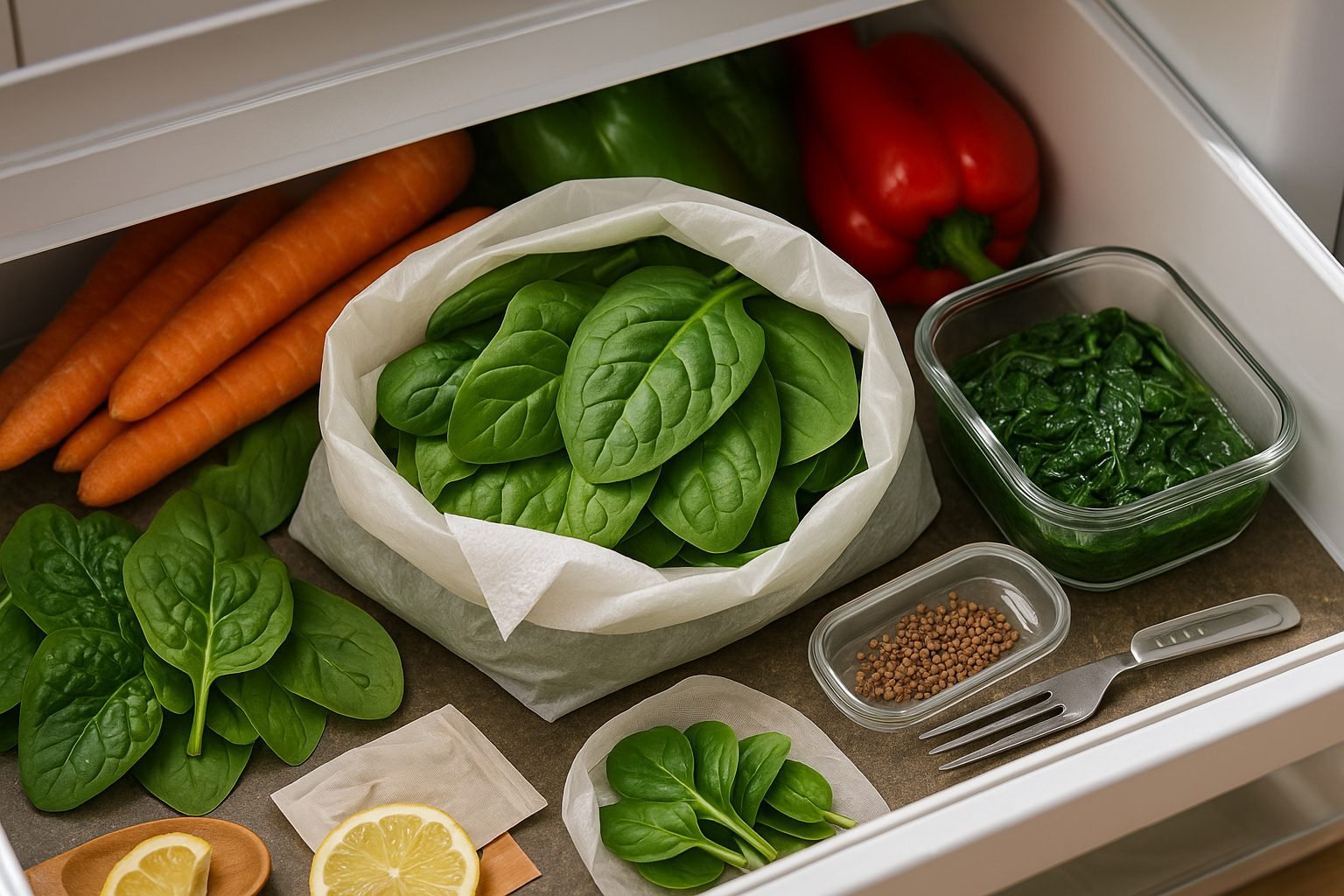
If you’re buying pre-packaged spinach, check the expiration date and make sure there’s no excess moisture inside the bag, since wetness can speed up spoilage. Once home, proper storage is key to keeping your spinach fresh for as long as possible. Transfer unwashed spinach to a clean, dry container lined with a paper towel—the towel absorbs excess moisture and helps prevent the leaves from turning slimy.
You can also loosely wrap the bunch in a paper towel and place it inside a plastic bag or airtight container in the fridge’s crisper drawer, which maintains stable humidity. Ideally, consume spinach within five to seven days for the best taste and nutritional value.
Before eating, always rinse your raw spinach leaves thoroughly under cold running water, even if the packaging says “pre-washed,” to remove any lingering dirt, sand, or pesticides. For an extra clean, soak the leaves in a bowl of water and gently agitate them before rinsing and drying with a clean towel or a salad spinner.
Proper selection, storage, and washing keep your raw spinach leaves crisp, delicious, and safe to enjoy in salads, smoothies, and more.
Conclusion
Raw spinach leaves are not only edible but also packed with a wealth of nutritional benefits when enjoyed fresh. Loaded with vitamins A, C, and K, as well as iron, magnesium, and antioxidants, raw spinach provides a convenient, low-calorie way to boost your daily nutrient intake. Eating spinach leaves raw preserves their water-soluble vitamins and natural enzymes, which can sometimes be reduced during cooking.
However, it’s important to be aware of potential safety concerns. Raw spinach contains oxalates, which may inhibit calcium absorption and pose risks for those prone to kidney stones. Additionally, raw leafy greens can occasionally carry bacteria like E. coli or Salmonella, so always wash spinach thoroughly before eating. If you have a history of kidney issues, digestive sensitivities, or are on blood thinners, consult your healthcare provider for personalized advice.
For most people, adding a handful of fresh spinach to salads, smoothies, or wraps is a simple, tasty way to enhance meals and improve overall health. By following proper handling practices and considering your individual health needs, you can safely enjoy the crisp texture and fresh flavor of raw spinach leaves as part of a balanced diet.