Introduction
Getting spinach spacing right is one of the most important steps for a healthy, productive harvest. Spinach may seem like a forgiving green, but how far apart you plant each seedling can make or break your results. Proper spacing gives each plant enough room to soak up sunlight, grow robust leaves, and reduces competition for water and nutrients.
On the flip side, crowding spinach plants too closely causes a host of problems—poor airflow that encourages pests and diseases, stunted growth, and smaller leaves that are more prone to yellowing. In the worst cases, your spinach patch can become a breeding ground for mildew or wilt, forcing you to start over.
That’s why nailing the right spacing matters, especially in small home gardens where every inch counts. In this article, you’ll learn exactly how far apart to plant spinach for optimal health and yield, along with practical tips to prevent overcrowding and set up your bed for garden-fresh spinach all season long.
Understanding Spinach Growth Habits

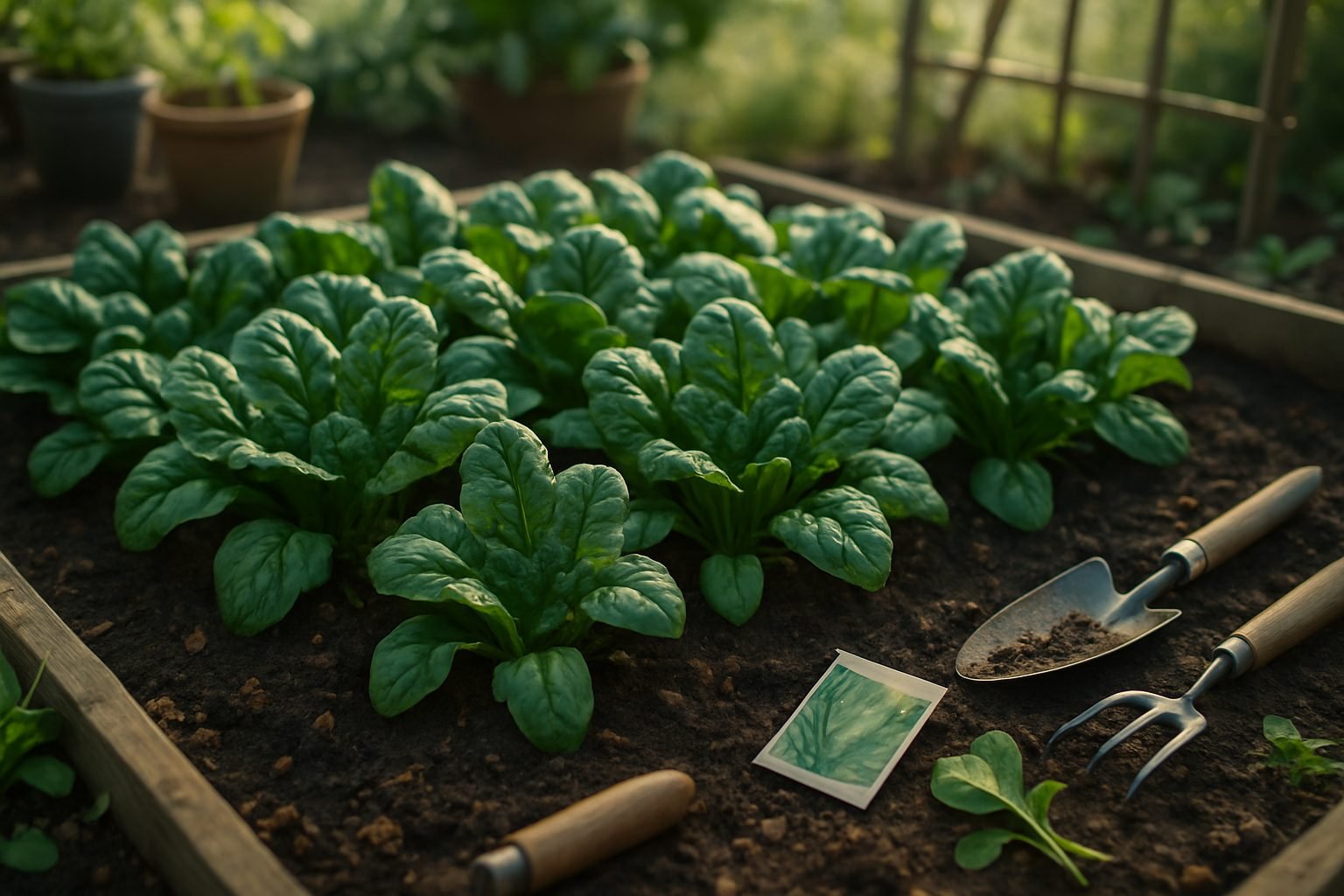
Spinach is a cool-season leafy green known for its compact growth and nutritious leaves. The plant develops a rosette of broad, slightly crinkled or flat leaves radiating from a short, central stem. Below the soil, spinach grows a relatively shallow but widespread root system that efficiently absorbs nutrients but makes the plant sensitive to crowding.
At the baby stage, spinach produces small, tender leaves that grow closely together in clusters, making it ideal for dense sowing and quick harvests of young greens. Mature spinach plants, however, can spread 6 to 12 inches across as their leaves broaden and the rosette expands. This larger size requires more space to avoid overcrowding and promote healthy, pest-free growth.
These differences in size mean spinach spacing needs to be adjusted based on your harvest preference. For baby spinach, tight spacing of about 2 to 4 inches apart works well, allowing many plants in a small area. Mature spinach, on the other hand, benefits from 6 to 8 inches between plants to ensure proper airflow and prevent disease.
Many gardeners start with closely spaced rows and thin out plants as they grow, harvesting the extras as baby greens. Understanding these growth habits helps you determine the best spinach spacing for your garden or containers, giving each plant enough room to thrive—whether you’re aiming for tender baby leaves or robust, full-sized spinach.
Recommended Spacing for Spinach: Seeds and Seedlings
Achieving optimal spinach spacing starts with sowing the seeds at the right distance. When direct sowing spinach seeds in your garden, plant them about 1 inch apart in rows spaced 12 to 18 inches apart. This close initial spacing encourages good germination, as spinach seeds can sometimes sprout unevenly.
Once your spinach seedlings emerge and reach about 2 inches tall, thin them out to allow 3 to 4 inches of space between each plant. Thinning is essential—crowded spinach competes for sunlight, nutrients, and airflow, resulting in weak or disease-prone plants. Gently snip or pinch off extra seedlings at ground level instead of pulling them to avoid disturbing nearby roots.
If you’re planting nursery-raised spinach seedlings, space each plant 4 to 6 inches apart in all directions to give mature leaves room to spread. Space rows about 12 inches apart to provide enough room for harvesting and to promote good airflow, which helps prevent fungal diseases.
For raised beds, you can reduce spacing slightly—space seeds or seedlings as close as 3 inches apart in all directions. Raised beds typically offer better drainage and air circulation, allowing denser planting without compromising plant health. This maximizes your growing space while keeping plants healthy.
When growing spinach in containers, choose a pot that’s at least 6 inches deep and wide. Space seeds or seedlings 3 to 4 inches apart, giving each plant enough room for its leaves to fill out fully. No matter where you plant, balancing close spacing for a bigger harvest with sufficient airflow is key to preventing disease and encouraging lush, healthy leaves.
Factors That Influence Spinach Spacing
Several key factors affect the ideal spinach spacing for a healthy and productive crop. First, consider the spinach variety you’re growing: savoy types tend to be bushier and benefit from more space, so plant them about 4 to 6 inches apart. Smooth-leaf or flat-leaf spinach can be planted closer, around 2 to 4 inches apart, since their leaves are less dense, allowing better airflow between plants.
Next, think about your harvest goals. If you plan to harvest mature, full-size leaves, give each plant more space so roots can expand and leaves can grow large without crowding—wider row spacing is best in this case. For baby spinach or cut-and-come-again harvests, tighter planting is practical and efficient, as you’ll be picking young leaves and the plants won’t need as much room.
Climate is another important consideration. In cool, moist regions, spinach tolerates closer spacing because it faces less heat stress and disease. But in warmer, humid climates, the risk of disease increases with crowding, so it’s better to give plants more room to improve airflow.
Soil fertility also influences spacing: in rich, well-amended soils, plants grow more vigorously and may need extra width to avoid leaf overlap. In poorer soils, closer planting can help shade the ground and conserve moisture. Speaking of moisture, spinach prefers evenly moist soil; planting too close can increase competition for water, especially if rainfall is irregular.
Sunlight plays a part as well—crowded spinach in shady spots may stretch taller and become weak, so allow more room per plant if your garden doesn’t get full sun.
Finally, consider your planting method. With succession planting (sowing smaller batches every couple of weeks for a continuous harvest), you can tighten spacing slightly since you’ll be harvesting young leaves regularly and thinning as needed. For single harvests, stick to the recommended plant and row distances to support full, healthy growth for one big cut.
By considering these factors, you can tailor your spinach spacing to your garden’s unique conditions, ensuring the best yield and quality.
Common Spacing Mistakes (and How to Avoid Them)
One of the most common spinach spacing mistakes gardeners make is sowing seeds too close together, either out of eagerness or to maximize garden productivity. While it might seem logical to pack as many plants as possible into a row, overcrowding causes intense competition for sunlight, water, and nutrients. This often results in small leaves, leggy plants reaching for light, and reduced yields due to stunted growth.
Overcrowded spinach is also more susceptible to fungal diseases like downy mildew, since wet leaves dry slowly when air can’t circulate freely—creating a perfect environment for pests and pathogens. On the other hand, planting spinach too far apart wastes valuable garden space, lowers your overall harvest, and can encourage weeds to take over the empty spots where spinach should thrive.
To avoid these issues, always check your seed packet or trusted gardening resources. As a general rule, thin seedlings so each plant stands about 3 to 4 inches apart, with rows spaced 12 inches apart. If you’ve already planted too densely, simply snip extra seedlings at ground level once they’ve developed their first true leaves, leaving the healthiest plants with enough room. Conversely, if your rows are too sparse, interplant with fast-growing greens or sow more spinach in the gaps.
By paying attention to proper spinach spacing from the start—or quickly correcting any mistakes—you’ll boost yields, encourage strong growth, and reduce disease risk, setting the stage for healthy, productive spinach beds all season long.
Maximizing Yields in Small Spaces
Maximizing yields in small spaces requires smart approaches to spinach spacing, combining efficiency with plant health. Square foot gardening is a proven method: simply mark off one-foot squares in your bed, and sow 9 spinach seeds evenly spaced within each square. This ensures each plant gets enough light and airflow, helping to prevent diseases like mildew.
If you’re working with containers, choose wide, shallow pots at least 6 inches deep. Plant seeds about 3 to 4 inches apart so each spinach has room for a healthy root system, allowing you to grow multiple plants per pot.
Interplanting adds another layer of productivity; tuck spinach between slower-growing, taller crops like tomatoes or peppers, or among fast-maturing vegetables such as radishes. Just watch for crowding—stagger sowing times or use baby-leaf varieties, which tolerate closer spacing and can be harvested young.
To keep your spinach harvest going strong, practice successive sowing: plant a batch of seeds every 10–14 days throughout the growing season, removing mature plants as you harvest to make room for new ones. Whenever you thin seedlings, don’t waste the tiny plants—snip and enjoy them as microgreens in salads or sandwiches.
By planning your spinach spacing carefully and using these smart techniques, you’ll harvest a continuous supply of fresh leaves, even from the smallest garden plot or balcony container, all while keeping your plants thriving and productive.
Quick Reference Table + Final Tips for Spinach Spacing
Here’s a simple chart to guide your spinach spacing:
| Stage | Recommended Spacing | Notes |
|---|---|---|
| Seeds | 1 inch apart | Thin seedlings to 3-4 inches |
| Seedlings | 3–4 inches apart | Avoid overcrowding |
| Rows | 12–18 inches apart | Ensures good air flow |
| Containers | 3 inches apart per plant | Use at least 6-inch deep pots |
Remember, giving each spinach plant enough breathing room helps prevent disease and promotes healthy growth. Start seeds about an inch apart, then thin them once they sprout so each mature plant stands 3–4 inches from its neighbors. The wider spacing between rows (12–18 inches) not only provides convenience but also improves air circulation and makes harvesting easier.
For container gardening, keep plants about three inches apart and use pots at least six inches deep—spinach roots need plenty of space to grow downward. Every garden—and gardener—is unique, so feel free to adjust the spacing to suit your setup and favorite varieties.
Try planting a small test patch with different spinach spacing to see what works best for your space and climate. Share your results with fellow gardeners online—you might inspire others with your discoveries!