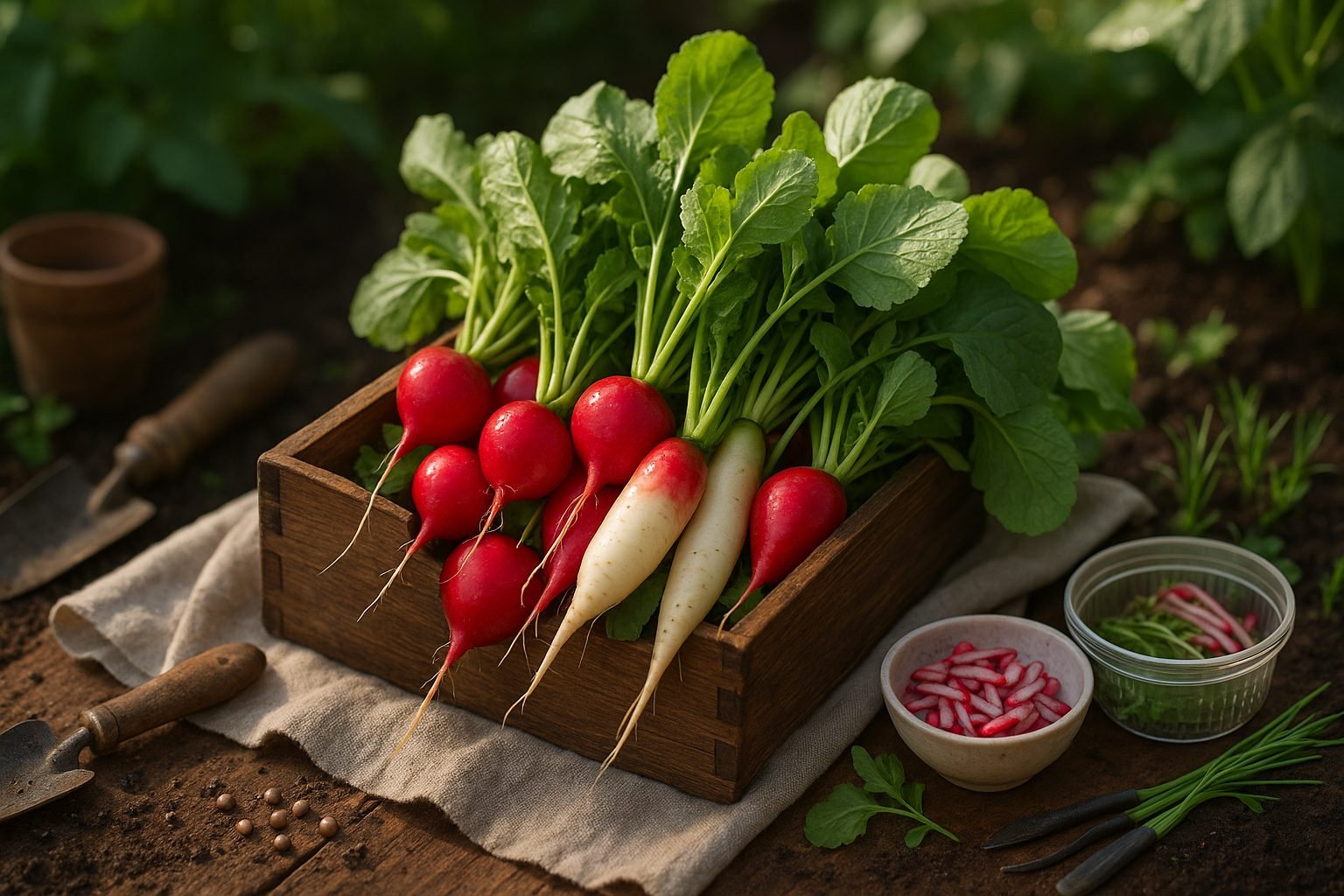
Radishes in History and Ancient Symbolism
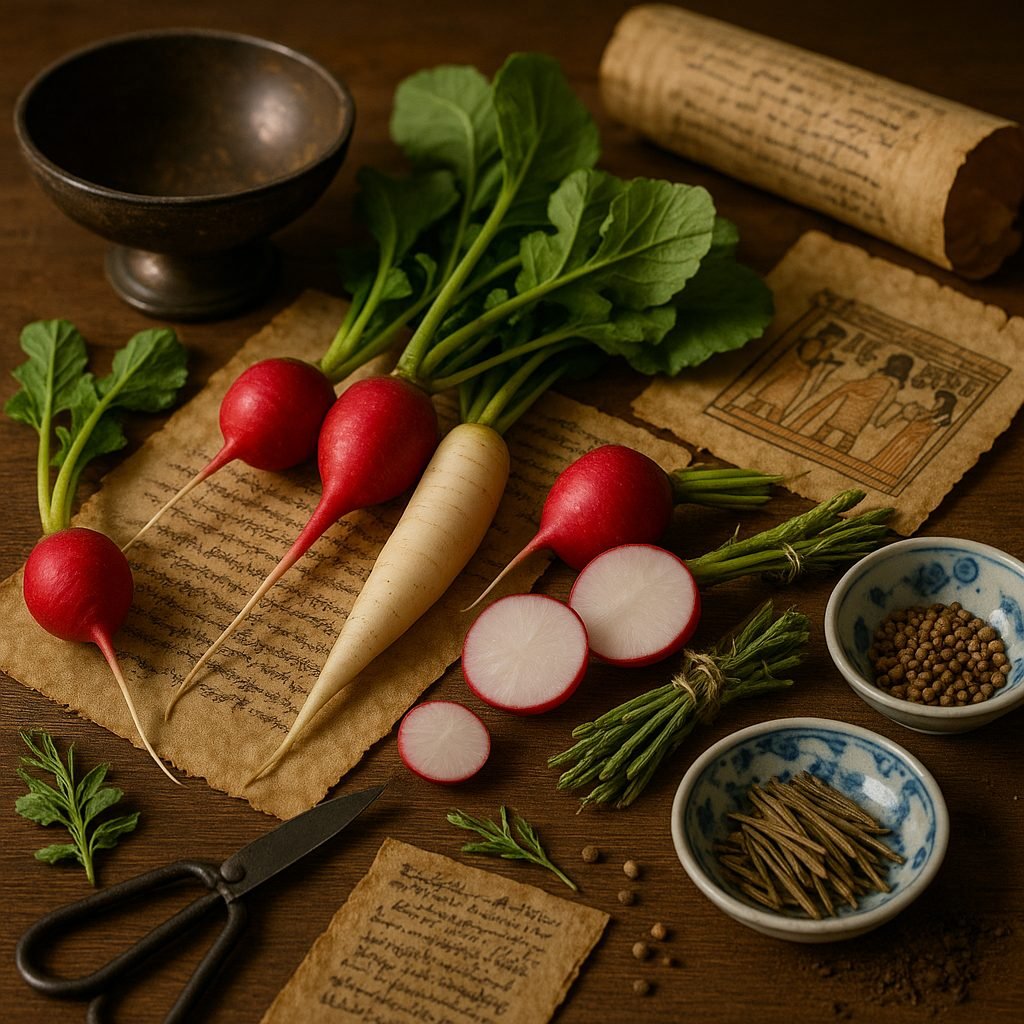
radish symbolism weaves a fascinating tapestry through the folklore and traditions of civilizations both East and West. Ancient Egyptians cherished the radish for its nourishing properties, incorporating it into workers’ diets as a source of vital energy. Some records even suggest radishes were as valuable as precious metals at times, often served alongside onions and garlic to laborers building the pyramids.
In classical Greece, radishes were offered to the god Apollo on golden platters, symbolizing not just health but divine favor—illustrating the vegetable’s powerful connection to spiritual well-being.
Across centuries and continents, Asian cultures viewed the radish as both a culinary staple and a symbol of luck and prosperity. For example, in parts of China, red radishes are consumed during festivals for their association with vitality and good fortune. Meanwhile, Japanese traditions prized daikon as a token of renewal and purity, often featured in New Year rituals.
Historically, radishes weren’t limited to the kitchen; their piquant roots and leaves found application in ancient medicine—from aiding digestion to treating coughs and various ailments. These practical uses undoubtedly contributed to the radish’s elevated standing, allowing it to straddle the realms of the mundane and the mystical.
Whether sliced into a Greek salad, offered to an ancient deity, or brewed into a healing tonic, the humble radish has long represented more than mere sustenance: it embodies prosperity, health, and the hope for spiritual balance across cultures and centuries.
Cultural and Spiritual Significance Around the Globe
Radishes have woven themselves into the cultural fabric of many societies, carrying rich symbolism and playing unique roles worldwide. In Japan, the daikon radish symbolizes resilience and good fortune. It is often depicted in art and celebrated during the Daikon Festival, where people offer radishes at shrines for blessings and health.
In Mexico, the Night of the Radishes (Noche de los Rábanos) transforms this humble root into intricate sculptures displayed in the city of Oaxaca—an annual celebration that brings communities together in creativity and joy.
Folklore across Europe associates radishes with fertility, purity, and transformation, reflecting their rapid growth and refreshing taste. In some Slavic traditions, radishes were believed to ward off evil spirits and bad luck when planted around homes.
In traditional medicine, especially Ayurveda and ancient Chinese practices, radishes have been prized for their cleansing properties, believed to purify the blood and promote vitality—a motif echoed in their recurring association with health and rebirth.
Spiritual meanings often link the radish’s growth from dark soil into crisp, white flesh with transformation and renewal, reminding us of the potential for positive change.
Whether used as offerings, medicines, festive decorations, or powerful symbols in art, radishes transcend their culinary use, embodying abundance and spiritual well-being for cultures around the world.
Modern Aesthetics – Radishes in Design and Media
Radishes, with their vibrant reds and crisp white centers, have unexpectedly blossomed into stylish icons across modern art, design, and media. Designers often use radish motifs to bring a fresh burst of color and an organic vibe to décor—think wallpaper patterns, playful kitchen linens, or quirky ceramics. Brands like Anthropologie and Urban Outfitters incorporate veggie-inspired themes into their home collections.
In fashion, radish prints have appeared on tote bags, scarves, and even high-end runway pieces, injecting a sense of whimsy and natural beauty that appeals to eco-conscious consumers. Visual artists, such as Yayoi Kusama with her vegetable-themed sculptures, use radishes to evoke feelings of growth, renewal, and the quirky charm of everyday life.
Symbolically, radishes have popped up in pop culture—consider the animated film Ratatouille, where simple ingredients like radishes represent creativity, humility, and authenticity—or in branding, where companies like Radish Fiction play off the root’s uniqueness to suggest individuality and freshness.
Contemporary eco-friendly designers also lean into radish imagery, using its bold appearance to promote sustainability and farm-to-table philosophies. For example, graphic designer Alice Lee’s food illustrations for organic grocers celebrate radishes not just as veggies but as symbols of health and environmental care, resonating with audiences seeking mindful choices.
Overall, the humble radish has become more than just a salad staple—it’s a design statement, a pop culture reference, and a visual language for freshness and thoughtful living.
Radishes and Personal Symbolism: Dreams and Inner Life
Dreaming of radishes might seem unusual, but these vibrant root vegetables often carry meaningful symbolism in the subconscious. In many dream interpretations, radishes are linked to personal growth and new beginnings, thanks to their fast, visible development from seed to table.
Seeing or eating radishes in a dream could suggest that you are experiencing a period of rapid change, or perhaps your mind is encouraging you to dig deeper beneath the surface of a current issue—much like you harvest radishes from underground. Psychologically, the peppery bite of a radish can represent confronting hidden emotions or truths that require courage and honesty.
For instance, if you dream of pulling up a radish with ease, it may reflect personal breakthroughs or the ability to face challenges head-on, while rotten or unharvested radishes can signal missed opportunities for self-improvement.
In spiritual and metaphysical practices, radishes have appeared as symbols of protection and cleansing. Some traditions use radishes in rituals to ward off negativity or break unhealthy patterns, encouraging a sense of purification both physically and spiritually.
Incorporating radishes into your own mindfulness or meditation routines—perhaps by planting, cooking, or simply observing them—can serve as a tangible reminder of your intention to grow and let go of what no longer serves you.
So, whether you encounter radishes in your dreams or daily life, consider them a subtle nudge toward introspection, resilience, and new starts.
The Radish as an Eco-Symbol: Sustainability and Biodiversity
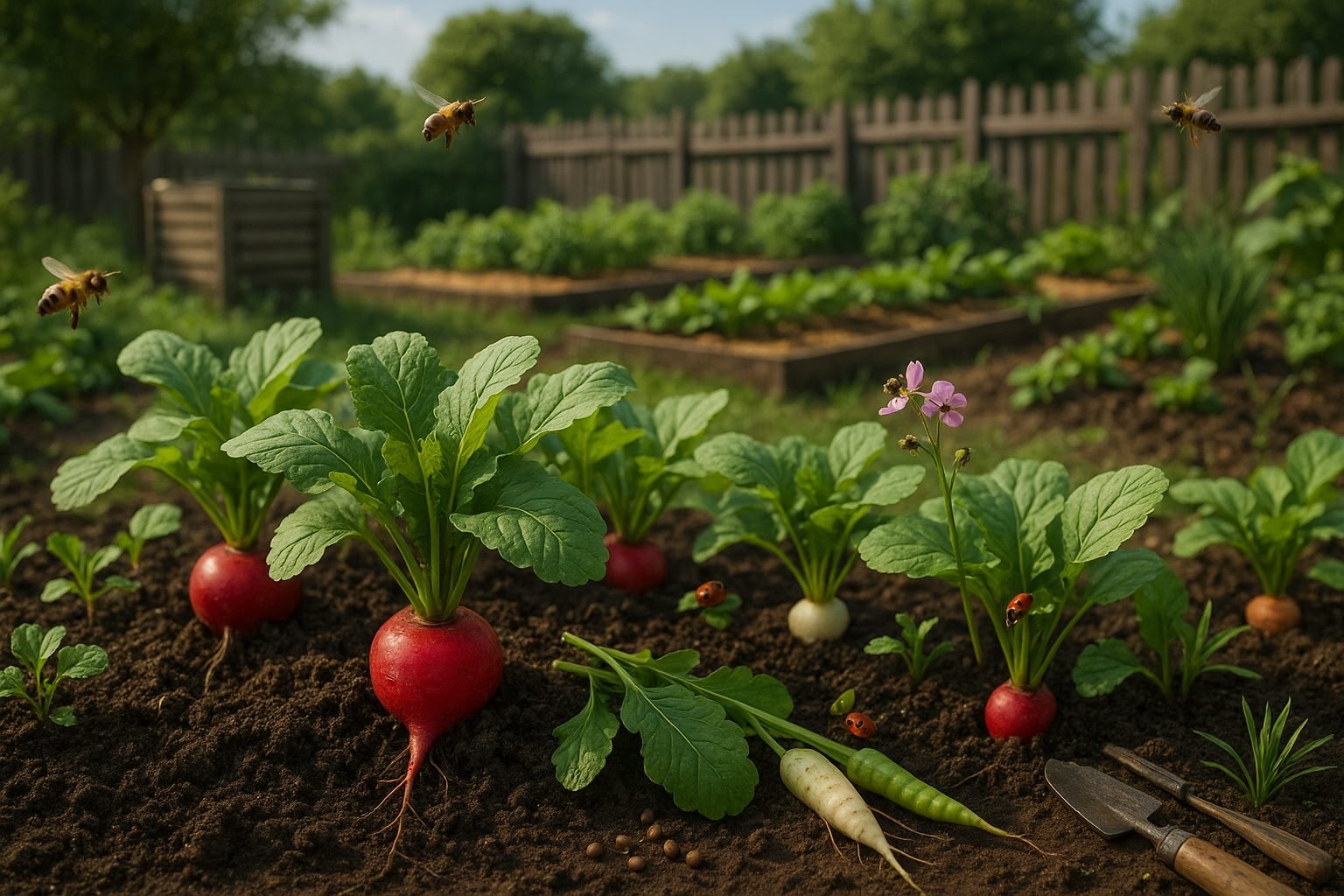
Radishes are more than just a crisp addition to your salad—they’re quietly powerful eco-symbols. Growing quickly and with minimal resources, radishes thrive in poor soils, helping break up compacted earth and reduce erosion, which boosts soil health for future crops.
These robust roots naturally suppress weeds, minimizing the need for chemical herbicides, and attract beneficial pollinators and insects that enhance overall garden biodiversity. Their ability to grow during cooler months makes them perfect for crop rotation systems, helping replenish soil nutrients and break pest cycles, fostering sustainable agriculture.
On a symbolic level, radishes capture the spirit of renewal and resilience: they transform neglected patches of ground into productive spaces and bounce back readily from setbacks, teaching us about adaptation and ecological harmony.
Many schools and urban gardens feature radish planting projects in their curricula, using the speedy growth of radishes (sometimes ready in under a month!) to captivate young gardeners and introduce lessons on sustainability, composting, and food cycles.
For home gardeners, integrating radishes into mixed beds or as cover crops is a smart, practical step toward supporting local ecosystems and modeling mindful stewardship of the land. Whether as a classroom experiment or a backyard soil improver, the humble radish illustrates how small, adaptive choices can yield big, positive changes for the environment.
Real-World Uses: Culinary, Medicinal, and Everyday Value
Radishes have a surprisingly rich history as both a culinary staple and a medicinal plant, celebrated for their crisp texture, spicy flavor, and health-boosting properties. Packed with vitamin C, potassium, and fiber, radishes have played a role in traditional medicine across Asia, the Middle East, and Europe.
Ancient Egyptians believed radishes boosted endurance, while Ayurveda and Traditional Chinese Medicine use them to aid digestion and detoxify the body. Home remedies often feature radish juice or raw slices to calm sore throats, soothe coughs, and reduce bloating.
In the modern kitchen, radishes remain a global favorite: think peppery French breakfast radishes with butter, spicy kimchi made from Korean mu, or thinly sliced salad toppers brightening up tacos and grain bowls. They’re easy to work into everyday meals—simply toss raw radishes with olive oil and herbs for a crunchy salad, add them to sandwiches for extra bite, or roast them with garlic for a mild, sweet twist.
Their ongoing relevance lies in their versatility: radishes effortlessly bridge the gap between nutrition, tradition, and taste, making them a smart and simple addition to any diet.
Conclusion: Why the Radish Still Matters
The radish, often overlooked, has carried symbolic weight through centuries—representing resilience, renewal, and humble beginnings across cultures. Today, it remains both a nutritious staple in our kitchens and a powerful metaphor for embracing simplicity and authenticity.
In a fast-moving world, the quiet strength of the radish reminds us to value everyday moments and find meaning in small things. By appreciating symbols like the radish, we reconnect with deeper traditions and discover inspiration in life’s simplest forms.
Let’s celebrate these quiet icons and remember that even the most unassuming roots can make a lasting impact.