Introduction
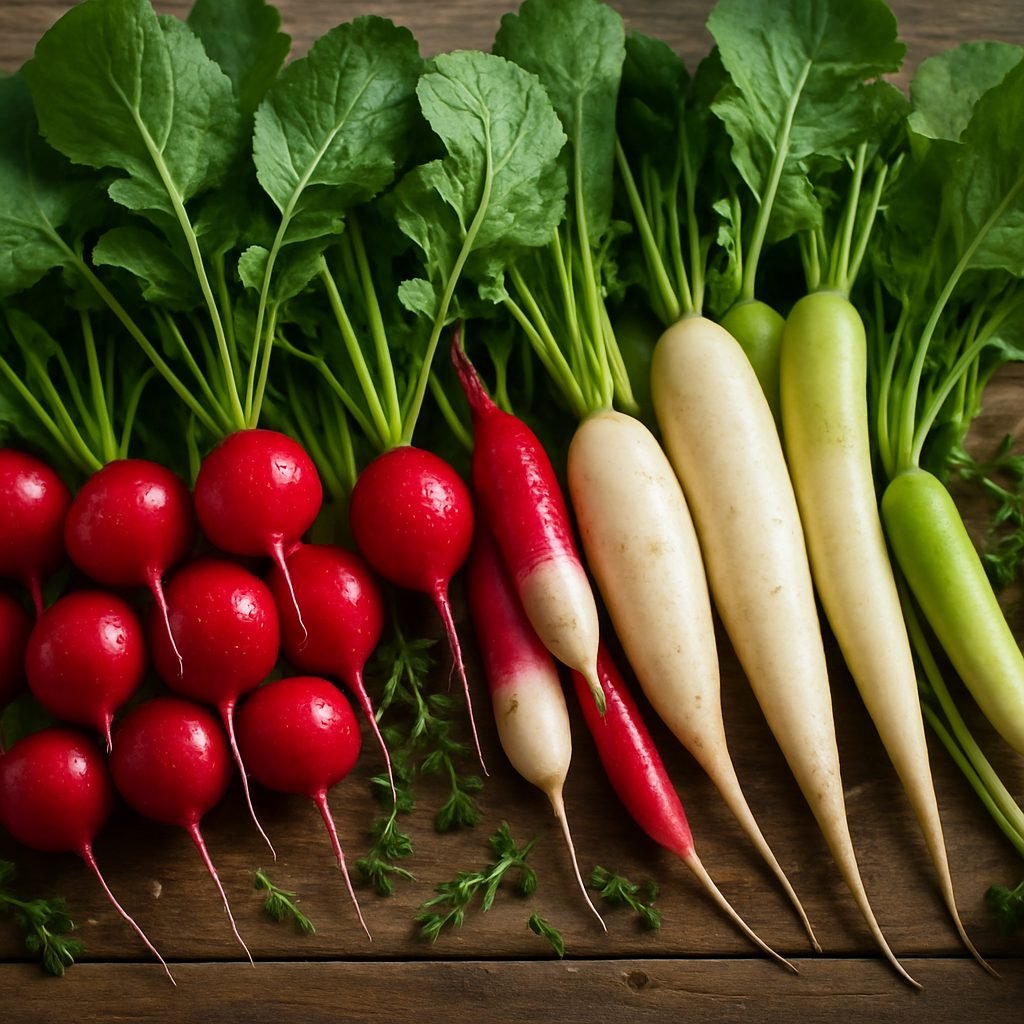
radish health uses have intrigued people for centuries, with these vibrant root vegetables appearing in dishes and traditions worldwide. From spicy daikon in Japan to crisp red radishes in fresh salads, radishes are more than just a crunchy addition to our plates—they’re packed with unique properties that have earned them a special spot in kitchens and home remedies alike. Across cultures, they’ve been valued not only for their flavor but also for their reputed ability to soothe ailments and promote wellness in simple, natural ways.
In this article, we’ll take a closer look at how radishes have been used in traditional medicine, both in ancient times and today, exploring the real science and stories behind these practices. With more people seeking plant-based approaches to health, understanding how everyday foods like radishes can fit into natural remedies is both timely and practical. Whether you’re curious about boosting your well-being with what’s already in your fridge or enjoy learning about time-tested herbal traditions, read on to discover the enduring and evolving world of radish health uses.
Historical Roots of Radish Use in Medicine
The story of radish health uses dates back thousands of years, making radishes one of the oldest cultivated root vegetables with a rich history in traditional medicine. In ancient Egypt, radishes were commonly eaten by laborers building the pyramids, believed to boost strength and protect against diseases. Records also suggest they were used to treat digestive problems and respiratory issues.
In ancient Greece, radishes were both a food and a remedy; Greek physicians like Dioscorides recommended them to stimulate appetite and ease coughs. The Romans shared similar respect, often prescribing radishes for their diuretic properties and to calm intestinal ailments, as noted in Pliny the Elder’s writings.
Further east, in China, records from as early as the third century BCE mention radishes in herbal medicine, where they were valued for promoting digestion, relieving bloating, and clearing phlegm from the lungs. Indian Ayurvedic texts also praised the radish for balancing bodily humors, encouraging its use to treat kidney stones, jaundice, and skin disorders.
As trade routes like the Silk Road expanded, so did the exchange of botanical knowledge. Radish seeds and medicinal uses spread across continents, blending into traditional healing systems of the Middle East, Central Asia, and beyond. Early practitioners noticed the radish’s distinctive pungency and adaptogenic qualities, adapting its uses to local health needs. This approach allowed the humble radish to become a staple remedy for various common ailments long before modern science confirmed its nutritional and medicinal benefits.
Radishes in Traditional Chinese Medicine (TCM)
Radishes have held a significant role in Traditional Chinese Medicine (TCM) for centuries, valued not only as food but also as a therapeutic ingredient with unique energetic properties. In TCM, radishes are considered a cooling food, meaning they help balance excess “heat” in the body—a condition linked to inflammation, sore throat, and fever. Beyond their cooling effects, radishes are believed to regulate the flow of qi, the vital life force essential to health in TCM philosophy. When qi becomes stagnant, it can lead to digestive issues, congestion, and respiratory problems. Radish health uses include stimulating this vital energy to restore balance and harmony.
Traditionally, radishes have been used to address various common ailments. They are often employed to promote digestion, especially after heavy meals or when experiencing bloating and indigestion. This is partly due to their ability to “descend qi,” encouraging downward movement that supports optimal stomach function. Another well-known use is for treating coughs with excessive phlegm, as TCM practitioners believe radishes help dissolve mucus and clear the lungs. Radishes are also valued for detoxification—they are thought to support liver health and promote gentle toxin elimination through urine, making them a key component of cleansing regimens.
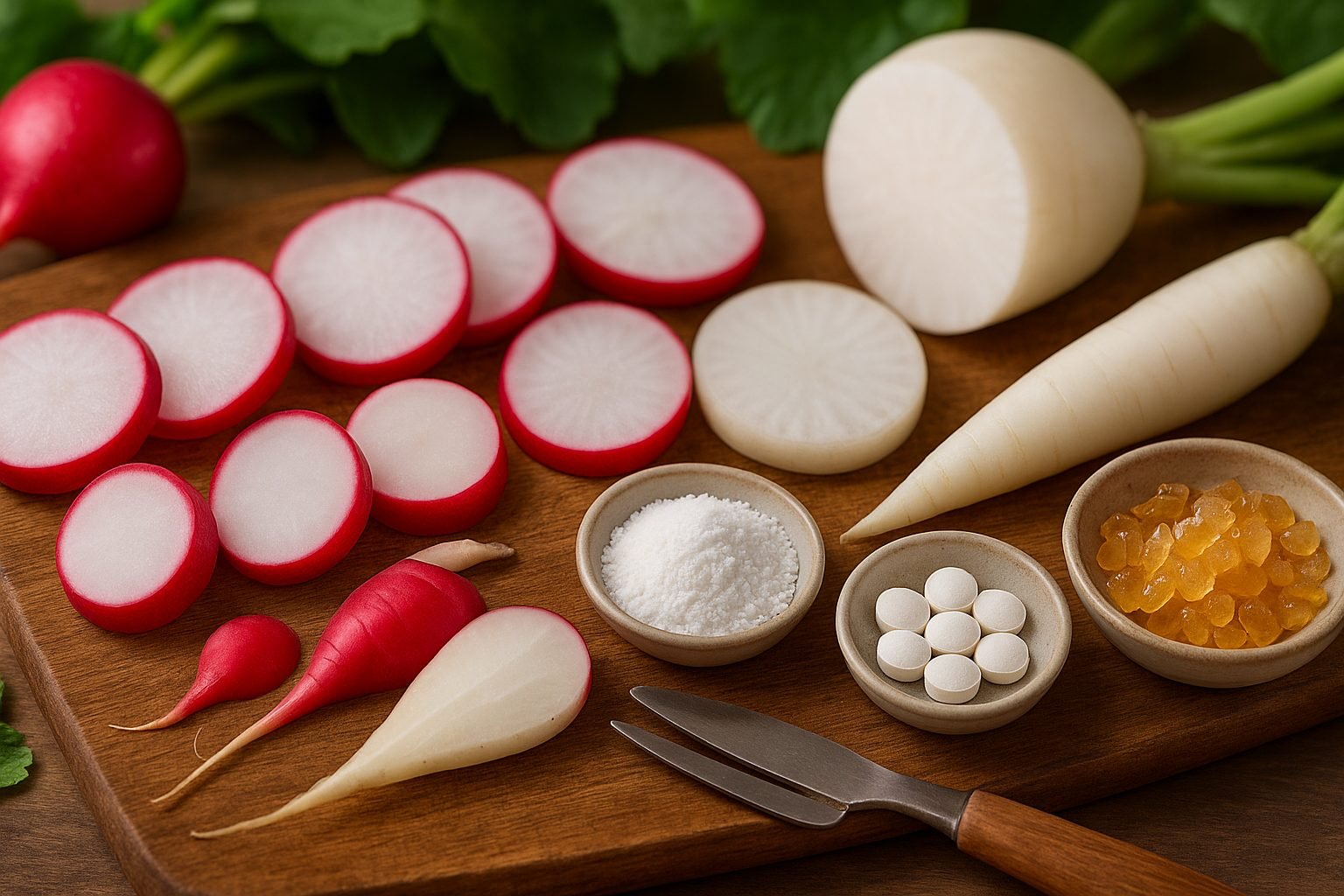
Preparation methods in TCM vary according to the individual’s condition and constitution. Radishes may be eaten raw—grated or thinly sliced in salads—to maximize their cooling effect and preserve digestive enzymes. For respiratory issues, radishes are often simmered into herbal teas or decoctions, sometimes combined with dried tangerine peel (chen pi) or licorice root to boost their lung-soothing and phlegm-clearing properties. Pickled radish is also popular; lightly brined radish serves as both a digestive aid and a refreshing palate cleanser. For gentle detoxification, juicing or infusions are recommended, often alongside herbs that enhance their benefits. By carefully combining radishes with other botanicals and selecting preparation methods tailored to specific needs, TCM continues to utilize radish health uses for holistic wellness.
The Role of Radishes in Ayurveda
In Ayurveda, radishes hold a special place for their unique ability to balance the body’s doshas—Vata, Pitta, and especially Kapha. Considered pungent and slightly bitter, radishes are believed to help dissolve excess mucus and clear stagnation, making them particularly beneficial for those with a dominant Kapha constitution. Ayurvedic practitioners recommend radishes for their powerful detoxifying properties, especially their role in cleansing the liver and promoting healthy bile flow.
This cleansing action supports liver function and aids sluggish digestion, a common issue linked to both Kapha and Pitta imbalances. Traditionally, radishes are used to ignite agni, or digestive fire, which is crucial for proper metabolism and nutrient absorption.
The way radishes are prepared and consumed in Ayurveda varies according to individual needs: raw radish is known for its intense detoxifying and cooling properties, recommended for Kapha or Pitta-related issues, while cooked radish—often sautéed with warming spices like cumin, ginger, and black pepper—balances its cooling effect and suits those with sensitive digestion or higher Vata. Adding spices can help reduce bloating or discomfort, a helpful tip if you’re not used to eating raw radishes.
The root, leaves, and even seeds of the radish have found a place in traditional remedies, used fresh in vegetable dishes, herbal teas, or home remedies for respiratory congestion, skin wellness, and urinary tract support. By tailoring the use and preparation of radishes to your unique dosha constitution, you can maximize their radish health uses for both body and mind.
Radish Remedies in European Folk Medicine

In European folk medicine, radishes have long been a staple in home remedies for common health issues, with knowledge passed down through generations. For colds and coughs, a classic remedy involved hollowing out a black radish, filling it with honey or sugar, and letting it sit overnight to create a sweet, spicy syrup. This mixture was taken by the spoonful to soothe irritated throats and help loosen mucus, valued for its expectorant properties.
To support kidney function, radish infusions were popular—thinly sliced radishes steeped in hot water were believed to act as a gentle diuretic, helping flush out toxins and prevent stones. For skin problems like rashes or minor infections, grated radish pulp was packed into small cloth bags and used as poultices, thought to draw out impurities and cool inflamed areas.
These remedies often followed the “doctrine of signatures”—the idea that the crisp white flesh of the radish, symbolizing purity and cleanliness, indicated its suitability for cleansing the body. In some areas, people carried radish roots as amulets against evil spirits or bad luck, showing a unique mix of practical health uses and mystical beliefs.
Radishes were more than just food—they represented a bridge between physical healing and folk superstition, with remedies shaped by what was available in kitchen gardens and cultural traditions.
Modern Scientific Insights into Traditional Radish Uses
Modern scientific research increasingly validates several traditional radish health uses, bridging folk wisdom with laboratory findings. Many cultures have historically used radishes to improve digestion, stimulate appetite, and relieve coughs or congestion. Current studies highlight the abundance of vitamin C in radishes, which supports their immune-boosting reputation. Vitamin C is an antioxidant known to help neutralize harmful free radicals and enhance the body’s natural defense system.
Additionally, radishes are a rich source of glucosinolates—sulfur-containing compounds linked to cancer prevention and detoxification. When consumed, glucosinolates break down into bioactive substances that may help eliminate carcinogens and support healthy liver function, aligning with traditional claims of radish aiding liver health. Anthocyanins, especially found in red and purple radishes, have strong anti-inflammatory and heart-protective qualities, providing scientific backing to historical uses for improving cardiovascular well-being.
Traditionally, radishes have been used to soothe digestive complaints such as bloating, indigestion, and stomach discomfort. Recent research supports this, showing that radishes can promote the secretion of digestive juices and possess mild antibacterial properties that may help balance gut flora. Scientific evidence also points to the dietary fiber in radishes as beneficial for regular bowel movements and preventing constipation, again matching age-old uses.
However, some claims—like using radish juice to treat kidney stones or as a strong diuretic—lack robust modern evidence. While animal studies hint at potential kidney health benefits, definitive human studies are still needed. Similarly, although traditional medicine has used radishes for respiratory issues, current research mainly supports radishes’ general anti-inflammatory effects rather than direct relief for coughs or congestion.
Overall, the synergy between tradition and science suggests radishes are more than just a crunchy salad topper. While modern data often reinforce historic radish health uses—especially for immune support, digestion, and detoxification—some ancestral remedies await further scientific validation. Anyone seeking medicinal benefits from radishes should view them as a supportive, not standalone, part of a healthy lifestyle and consult healthcare professionals for serious health conditions.
Safe Use and Practical Tips for Radish Health Uses
Radishes are generally safe for most people when eaten in moderation as part of a balanced diet. However, it’s important to be cautious with their medicinal use. Traditional advice suggests consuming a small handful of raw radishes—about 100 grams daily—is usually well tolerated and helps unlock their natural digestive and detoxifying benefits.
That said, overconsumption can sometimes cause stomach irritation, low blood pressure, or, rarely, thyroid issues, especially in individuals with existing thyroid conditions. A simple, effective way to enjoy radish health uses at home is by adding thinly sliced radishes to salads, blending them into smoothies for a peppery kick, or taking one to two tablespoons of radish juice as a mild remedy for coughs or minor digestive complaints. Applying grated radish as a poultice is also a traditional method to soothe minor skin irritations.
Despite these benefits, people who are pregnant, breastfeeding, taking certain medications (especially for blood pressure or thyroid), or living with chronic conditions should consult a healthcare professional before extensively using radish remedies. As with all herbal approaches, pay attention to your body and start slowly to see how you respond.
Conclusion
Radishes have been valued in traditional medicine across many cultures for centuries, appreciated for their potential to support digestion, respiratory health, and overall vitality. Their ongoing use in folk remedies reflects the lasting appeal of natural, plant-based wellness approaches. As you explore radish health uses in your routine, be mindful of both their benefits and any personal sensitivities. For those wanting to deepen their understanding of plant-based remedies, consulting a qualified healthcare provider or herbalist, along with seeking reputable resources, can offer safe and informed guidance on incorporating radishes into a holistic wellness plan.