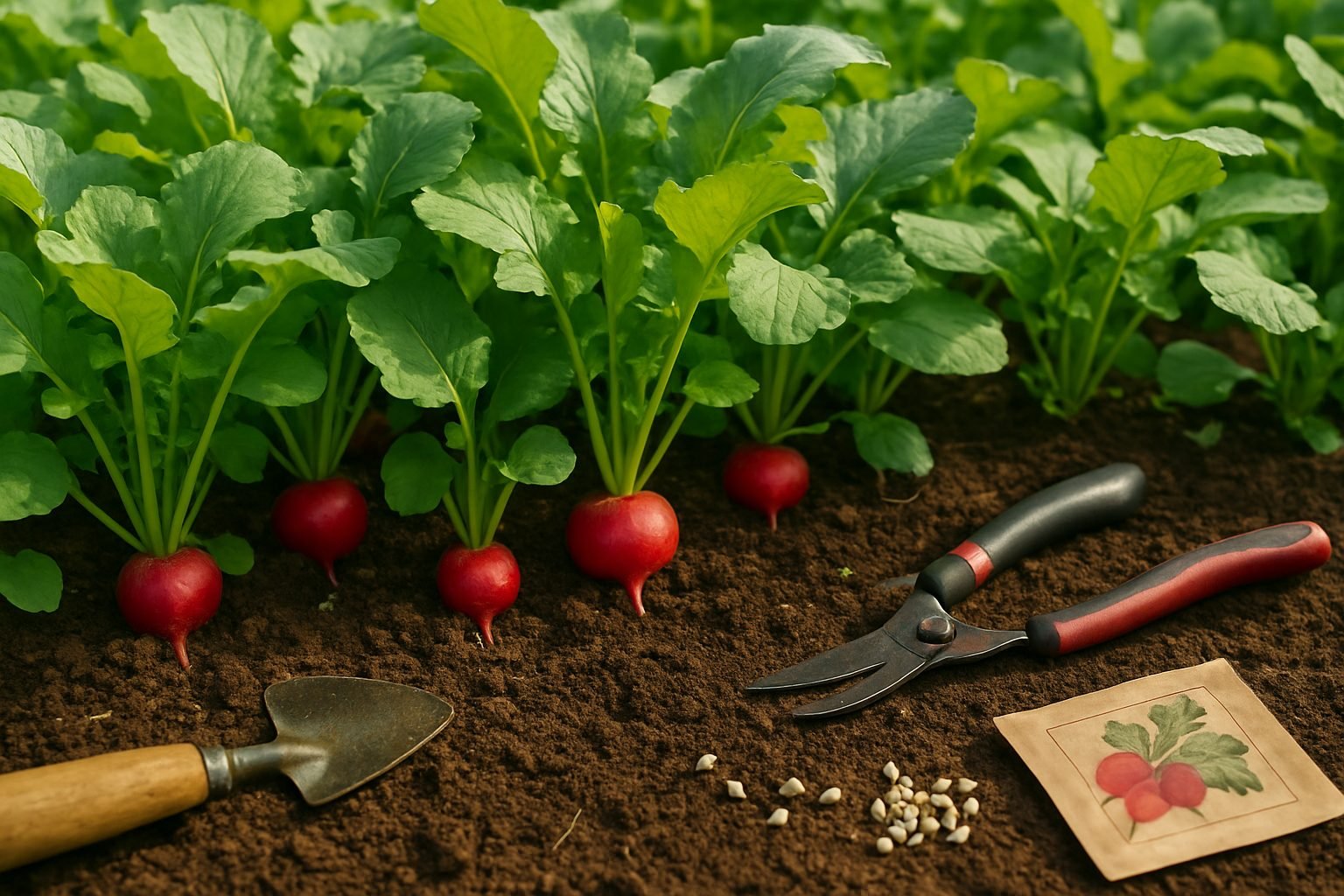
Introduction
Powdery mildew issues can quickly derail your radish gardening plans, even though radishes are known for being easy and fast to grow. As one of the most popular root veggies in home gardens and farms alike, radishes thrive with just a little care—unless plant diseases creep in. That’s why disease prevention is crucial if you want a healthy, bountiful crop.
Two of the most common threats you’ll face are powdery mildew and white rust, both of which can cause unsightly leaves and stunted growth. Early recognition gives you an edge, whether you’re spotting pale, dusty spots or strange white blisters on the foliage. In this article, we’ll dig into the signs, prevention strategies, and management tips for powdery mildew and white rust in radishes, ensuring you harvest crisp, vibrant roots all season long.
With a little know-how, you can keep your radish patch thriving!
What Are Powdery Mildew and White Rust?
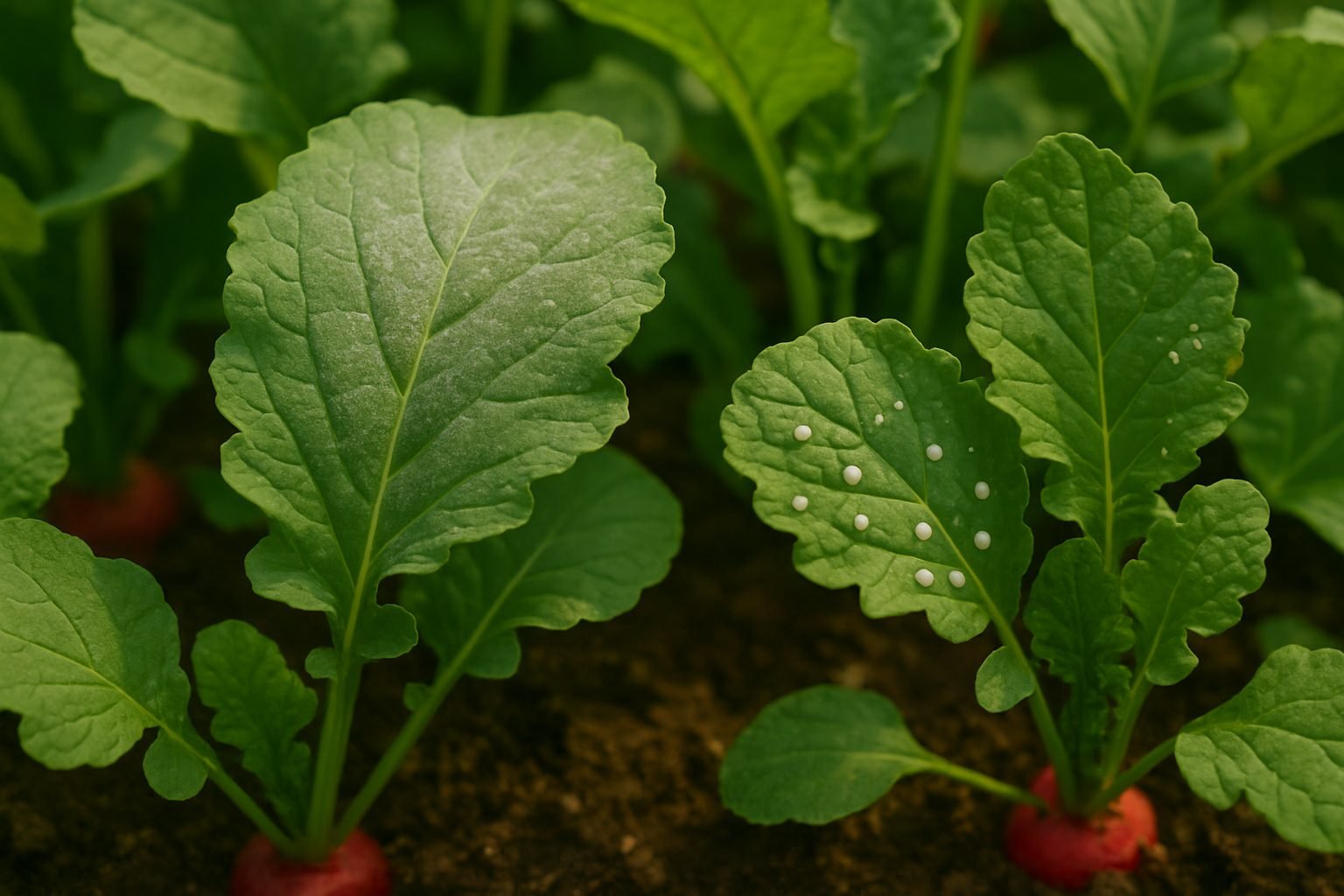
Powdery mildew and white rust are two common diseases that affect radishes, but they are caused by different pathogens and show distinct symptoms. Powdery mildew is a fungal disease, most often caused by Erysiphe cruciferarum, which appears as a white, powdery coating on the leaves, stems, and sometimes flowers of radish plants. In contrast, white rust is caused by oomycetes, specifically Albugo candida, and manifests as white, blister-like pustules primarily on the underside of leaves.
While both diseases thrive in humid conditions, they differ in their biology—powdery mildew fungi spread via airborne spores, while white rust relies on water to move its spores onto host plants. Radishes are particularly susceptible because they belong to the Brassicaceae family, which both pathogens favor due to their specialized feeding and infection strategies.
If left unmanaged, powdery mildew can stunt growth and reduce photosynthesis, leading to poor root development and smaller, less flavorful radishes. White rust is even more damaging, often distorting leaves and stems, which interferes with nutrient flow and can drastically lower yields.
By recognizing symptoms early—powdery spots for mildew and raised white blisters for rust—growers can act quickly to protect their crops, using good air circulation, crop rotation, and timely fungicide applications if necessary.
Life Cycle and Spread of Disease
Powdery mildew and white rust are two common plant diseases that can quickly take hold in gardens if the right conditions persist.
Powdery mildew appears as a white, powdery coating on leaves and often spreads rapidly during warm, dry days followed by cool, humid nights—perfect conditions for spores to thrive. Unlike many other fungal diseases, powdery mildew doesn’t need free water on leaves; high humidity alone is enough to encourage its growth. Spores can travel with the wind, making it easy for the disease to move from plant to plant.
In contrast, white rust prefers wetter conditions, especially when temperatures are moderate and leaves remain damp for extended periods. This pathogen also spreads through water splashes, such as when rain or irrigation hits infected leaves.
Both diseases can persist in a garden by overwintering in plant debris or on nearby weeds, waiting for the right conditions to re-emerge in spring. Even gardening tools can carry spores if not cleaned between uses.
Prevention Tips
- Remove and dispose of infected leaves promptly.
- Avoid overhead watering to reduce leaf wetness.
- Disinfect gardening tools regularly.
- Choose resistant plant varieties.
- Rotate crops to limit disease buildup.
By understanding how powdery mildew and white rust develop and spread, gardeners can better prevent their plants from falling victim to these persistent pathogens.
Recognizing Symptoms Early
Spotting the symptoms of powdery mildew and white rust on radish plants early can make all the difference in controlling these common diseases.
Powdery mildew usually appears as a white, flour-like coating on radish leaves and stems. The affected leaves may look dusty or have small white patches that eventually merge, covering large areas and causing the leaves to yellow, curl, or dry out prematurely.
In contrast, white rust shows up as small, creamy-white blisters (pustules) mostly on the undersides of leaves and occasionally on stems. These pustules may burst, releasing a white powder. Over time, leaves can become distorted, puckered, or develop yellow spots on the upper surface.
Importantly, white rust rarely affects radish roots, while powdery mildew generally does not cause blisters but rather a uniform powdery growth. It’s easy to confuse powdery mildew with dust or dried fertilizer, so gently rub the affected areas to see if the residue comes off.
Regularly inspecting your radishes—at least every few days, focusing on new growth and leaf undersides—helps you catch these symptoms early. Use a flashlight or magnifying glass for close checks, especially after rain or during high humidity, as these conditions favor both diseases.
Early intervention not only limits the spread but also gives you time to take action with organic or chemical controls if needed.
Prevention Strategies for Home Gardeners
To prevent common diseases in your home garden, start with smart planting practices, such as spacing your radish plants far enough apart to promote strong air circulation. Crowded plants trap moisture around their leaves, creating the perfect breeding ground for fungal and bacterial problems.
When watering your garden, aim for the base of the plants instead of spraying overhead—wet leaves are much more likely to become diseased. Consider installing a simple drip irrigation system or use a watering can to direct water to the roots only.
Another great tip is to practice crop rotation each season. If you grew radishes or other root crops in one spot this year, try switching to leafy greens or another plant family next time. This helps prevent soilborne pathogens from building up and targeting your radishes year after year.
Whenever possible, choose disease-resistant radish varieties, which are bred to withstand the most common threats. Cleanliness is key—remove any dead or diseased foliage promptly, as lingering plant debris can harbor spores and pests. Don’t forget to clean your gardening tools after each use with a mild bleach solution or hot, soapy water; this simple habit can keep microscopic pathogens from spreading.
By combining these small but effective strategies, you can create a healthier, more resilient garden that keeps diseases at bay and produces bountiful radish harvests.
Effective Treatment and Management
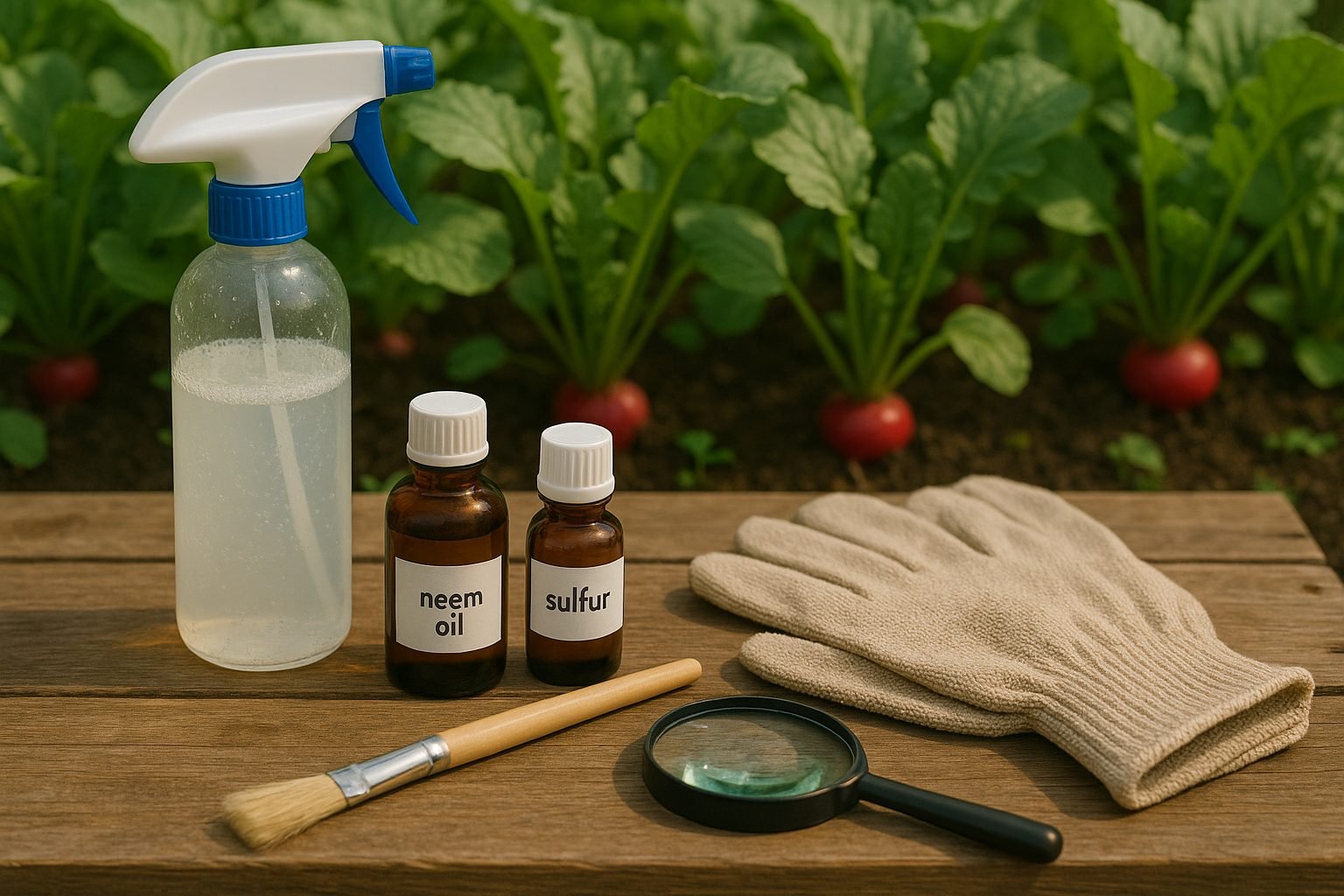
Managing powdery mildew and white rust requires a smart mix of timely action and the right treatments. For gardeners looking for organic options, a simple solution of baking soda (1 tablespoon per gallon of water), mixed with a few drops of liquid soap, can be sprayed on affected leaves every 7–10 days as soon as symptoms appear.
Neem oil or sulfur-based fungicides also help, but always apply them early in the morning or late in the evening to avoid leaf burn.
Conventional fungicides can be effective—look for products labeled for powdery mildew or white rust, and follow package instructions carefully for both mixing and frequency. Most require repeat applications every week or two during wet or humid weather.
Regardless of the method, it’s crucial to cover all leaf surfaces, including the undersides, and to start treatments at the very first sign of disease for the best results.
If the infection is severe or keeps recurring, promptly remove and destroy heavily infected plants to protect others in the garden. Never compost diseased material, as it could harbor spores for next season.
Combining these steps—starting early, rotating treatments, and removing sources of infection—will help keep your plants healthier and reduce future outbreaks.
Protecting Future Radish Crops
Long-term protection of your radish crops starts with healthy soil. Rotate your planting areas each season to prevent pests and diseases from becoming established. Mulch around your radishes to conserve moisture and discourage weeds, and add organic compost regularly to maintain soil fertility.
Monitor your plants closely, watching for early signs of damage like discolored leaves or chewed roots, so you can act quickly if issues arise. Removing affected plants and using floating row covers during peak pest periods can also help prevent outbreaks from spreading.
Don’t forget that ongoing education is your best tool: stay updated on integrated pest management techniques and choose disease-resistant radish varieties when possible. By adopting these habits and making observation a routine part of your gardening, you’ll keep radish diseases and pests in check—and promote a healthier, more resilient garden year after year.