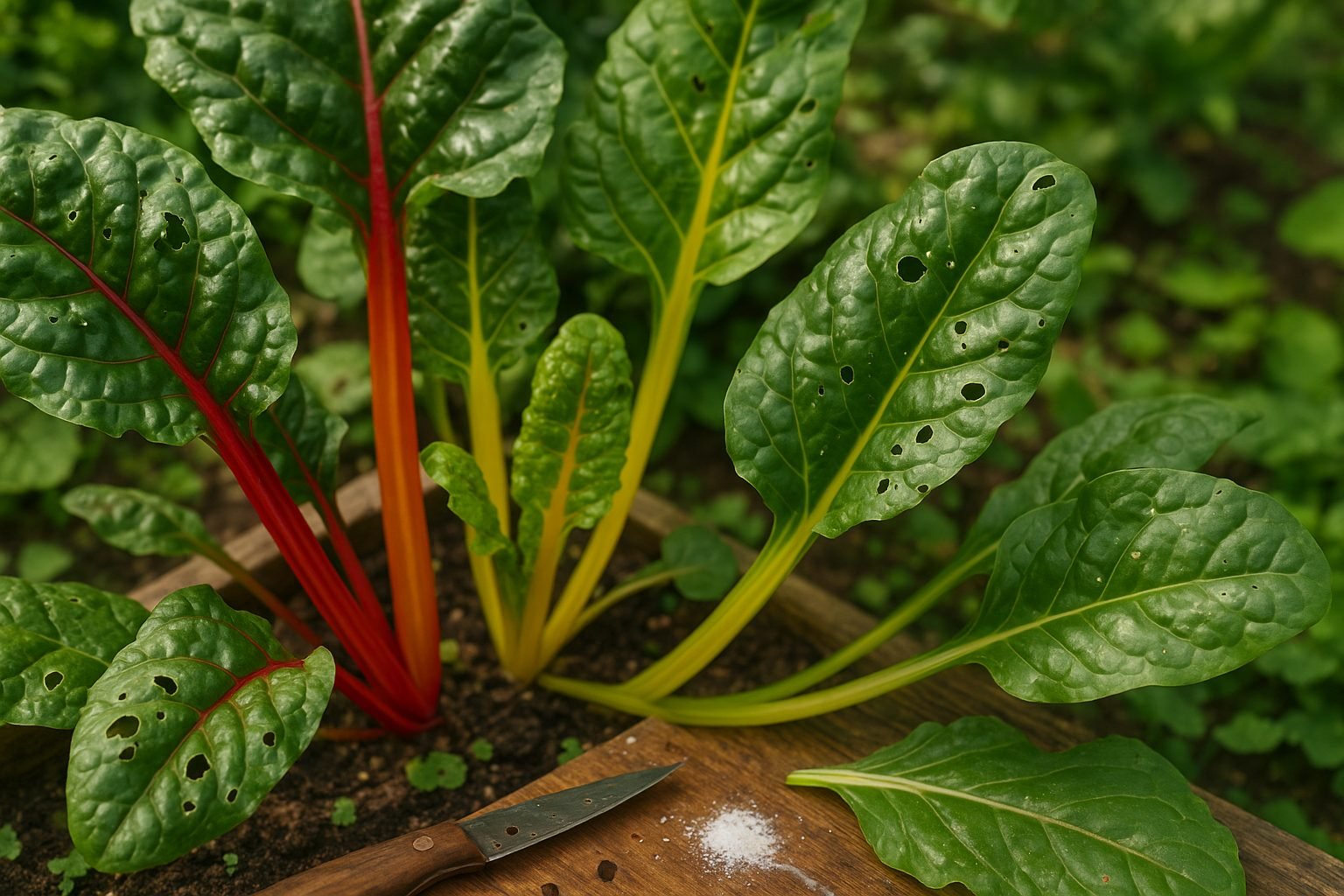
Why Are There Holes in Swiss Chard Leaves?
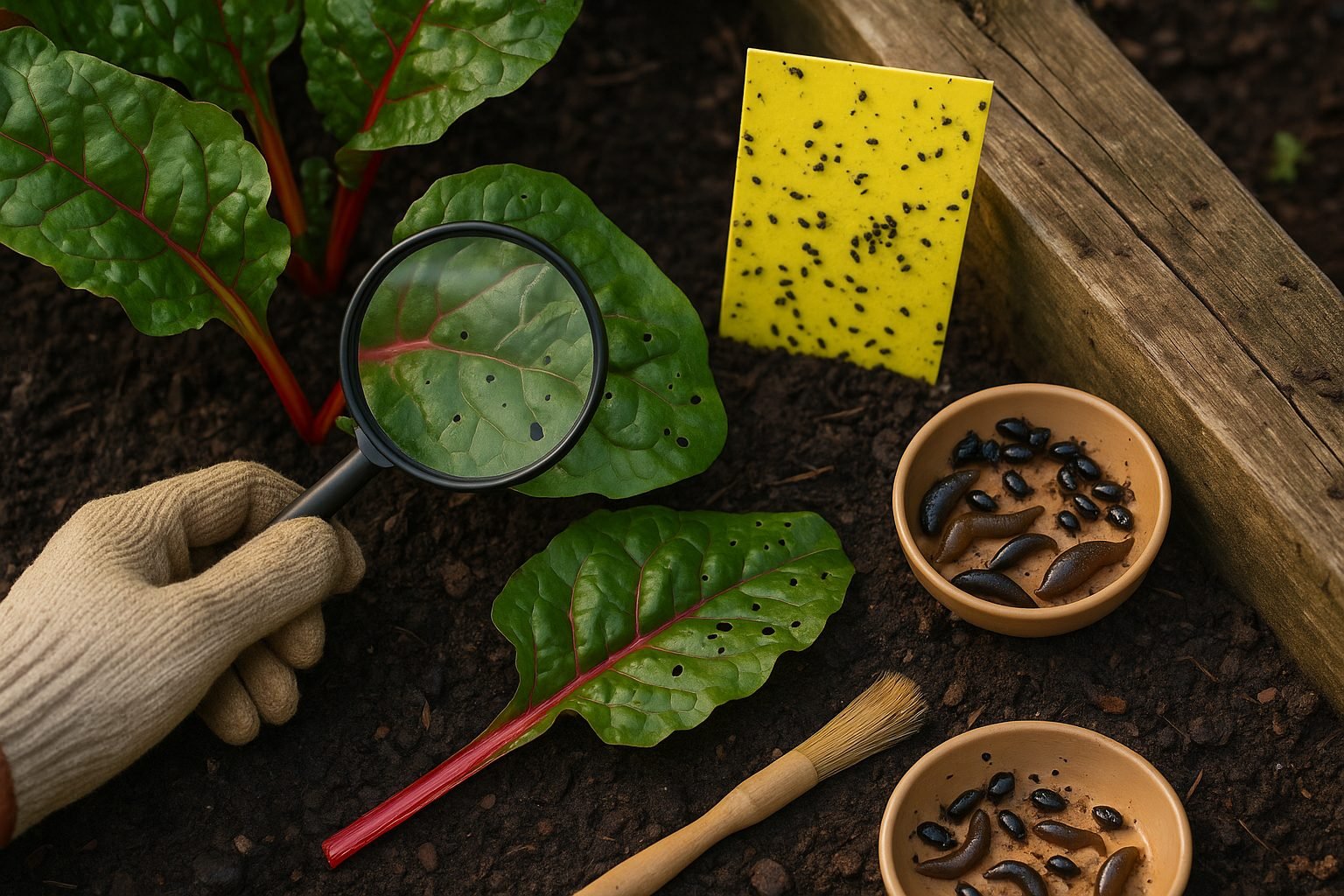
If you’ve noticed mysterious holes or ragged edges on your leafy greens, you might be dealing with swiss chard pests. These unwelcome visitors often cause visible damage like small to large holes, shredded leaf edges, or even entire leaves chewed down to the ribs. Chewed spots, brown patches, or yellowing near the damage often signal pest presence—think leaf miners burrowing inside leaves, slugs leaving silvery slime trails, or flea beetles peppering plants with tiny, round holes.
While less common, other culprits can include weather extremes such as heavy rain or hail, or the occasional hungry rabbit or bird. However, when the damage is consistent and persists daily, pests are almost always to blame.
Early Identification and Monitoring
Early identification of these issues is key. Regularly inspecting your Swiss chard lets you spot subtle changes before problems escalate—healthy plants are more likely to bounce back and keep producing tender, vibrant leaves. For example, sticky traps can help monitor insect activity, while checking your garden at different times of day might reveal if snails or moth larvae are the culprits.
Taking Action
Acting promptly with natural remedies—such as hand-picking pests, introducing beneficial insects, or applying organic neem oil—can stop the cycle before your harvest suffers. Remember, catching Swiss chard pests early means fewer holes, healthier crops, and a tastier, more bountiful harvest from your garden.
Most Common Pests That Attack Swiss Chard
Several pests can pose a real problem for Swiss chard growers, and knowing what to watch for is half the battle.
Leaf miners are especially notorious; these tiny fly larvae burrow inside leaves, leaving behind telltale squiggly, translucent tunnels that make Swiss chard look ghostly and patchy. Carefully inspect both sides of the leaves for these winding marks and remove affected sections promptly to limit spread.
Flea beetles, on the other hand, are small and dark—often black or bronze—and they love to chew small, round holes all over young leaves, sometimes giving plants a shot-holed or lacy appearance. If you brush near the plants and see little beetles jump like fleas, you’ve found them.
Aphids are another pesky concern; these soft-bodied, pear-shaped insects cluster on the undersides of leaves or stems. Heavy infestations can cause leaves to curl, yellow, or become deformed. You may also notice a sticky residue called honeydew, which invites sooty mold.
Then there are slugs and snails, night-time feeders that rasp large ragged holes in leaves and often leave behind silvery slime trails as evidence. Check for them early in the morning or after rain by gently looking under leaves or around the base of plants.
Spotting and understanding these common pests quickly helps you act early—whether by handpicking, using row covers, or washing away aphids—and keeps your Swiss chard crop healthy and thriving throughout the season.
Spotting and Diagnosing Damage: How to Identify the Culprit
When you notice unexpected holes or wilting in your plants, resist the urge to grab pesticides right away—accurate diagnosis is essential for effective treatment. Start by closely examining both sides of the leaves, stems, and surrounding soil.
Ragged edges on leaves often point to chewing insects like caterpillars or beetles, while smaller, near-perfect holes in the center of leaves are typical of flea beetles or slugs. Discoloration such as yellowing, silver trails, or tiny stippling may signal sap-sucking pests like aphids, spider mites, or thrips.
Keep an eye out for eggs or larvae clinging to the undersides of leaves, at the base of stems, or hidden in the soil. For example, clusters of pale, jelly-like eggs might indicate snails or slugs, while fuzzy white patches could be mealybugs. Gently disturb the soil around afflicted plants to find hidden culprits like cutworms hiding just below the surface.
Take clear photos of the damage and any insects you find—these are invaluable when researching or asking local garden centers for identification help. By observing carefully and taking a moment to assess, you’ll avoid unnecessary treatments and give your plants the best shot at a swift recovery.
Remember, the first step to solving a problem is knowing exactly what you’re up against.
Proven Organic Pest Control Methods
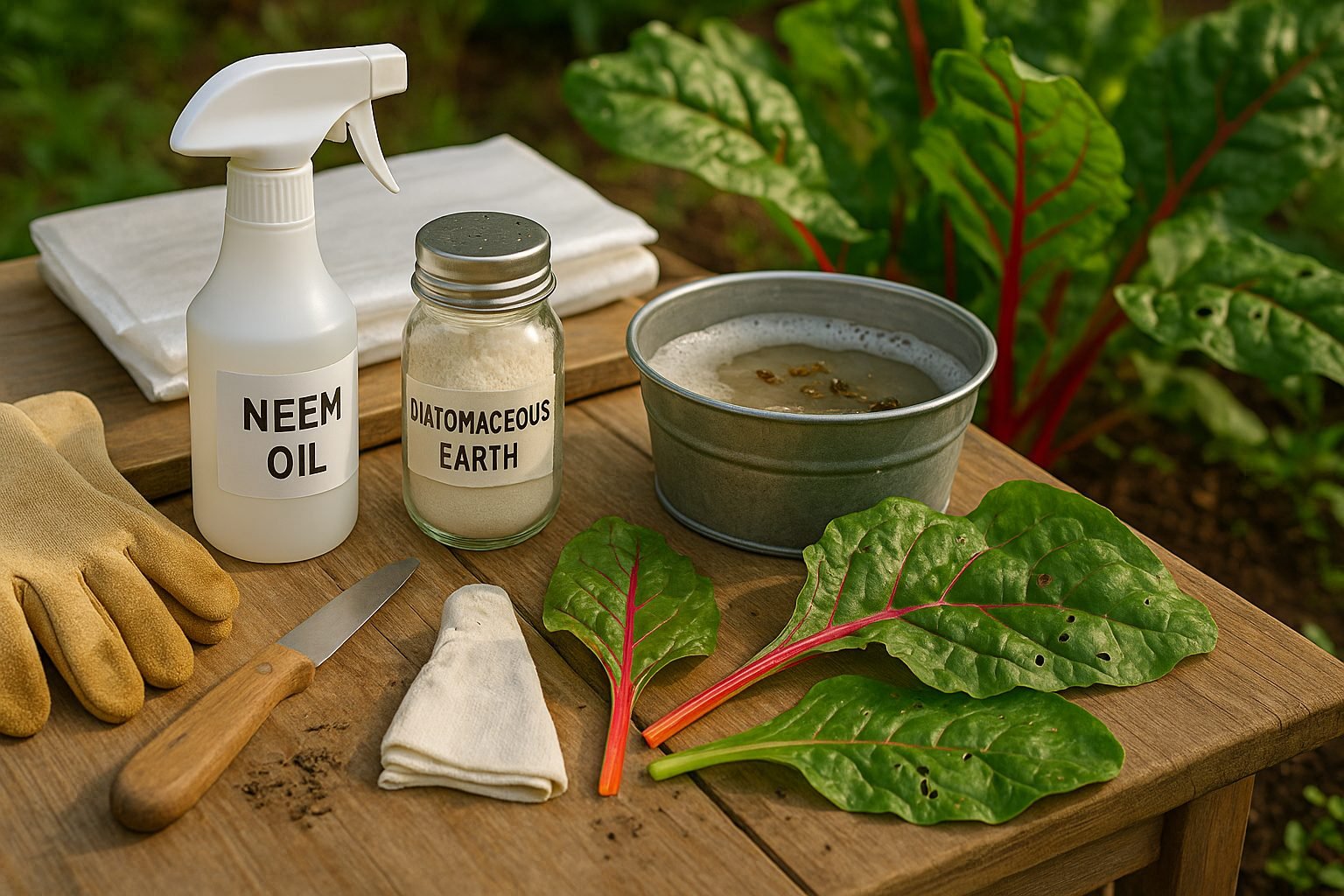
When it comes to managing pests organically, a blend of proactive methods can safeguard your garden without risking your health or the environment.
Hand-picking insects like caterpillars, beetles, and slugs remains one of the simplest and most effective options for small gardens—you just need gloves and a bucket of soapy water to collect and dispose of pests. While this technique is labor-intensive and not practical for large-scale gardens, it’s highly targeted and instantly reduces pest numbers.
For prevention, floating row covers act like a physical shield to keep insects such as aphids, cabbage moths, and squash bugs off your plants without any chemicals. Install them right after transplanting and remove them once flowering starts, so pollinators can reach the blooms. However, row covers can trap heat and limit airflow, so monitor plants underneath for signs of stress.
Applying diatomaceous earth works well against crawling pests like ants, slugs, and earwigs—simply dust a thin layer on soil and around stems. Use food-grade diatomaceous earth and avoid applying before expected rainfall, as it washes away easily. Though generally safe, keep it off edible plant parts and wash produce thoroughly before eating.
Neem oil offers a natural way to control a wider range of pest insects and even some fungal diseases. Spray it onto leaves and stems every 7–14 days, but always test on a small area first and avoid treatment during peak sunlight to prevent leaf burn. Neem is biodegradable and breaks down quickly, though a good rule is to wait at least a few days and rinse crops before harvest to ensure safety.
Whichever methods you use, monitor your plants regularly and rotate your tactics; combining these techniques supports a healthy, resilient garden that’s free from harmful residues and safe for your table.
Good Garden Hygiene and Ongoing Prevention
Good garden hygiene is one of the simplest and most effective ways to keep pests and diseases at bay. Removing damaged leaves and clearing away dead plant debris not only makes your garden look tidier but also reduces potential hiding spots and breeding grounds for harmful insects and fungi. Pests often hide in piles of fallen leaves or among wilted stems, so a quick clean-up after each gardening session can make a big difference.
Along with regular tidying, incorporating cultural practices keeps your garden resilient. For example, rotating crops each year can disrupt pest cycles, while proper plant spacing improves airflow, making it harder for fungi and insects to spread. Watering in the morning allows foliage to dry throughout the day, lessening the risk of fungal diseases. Keeping the soil surface dry also discourages slugs and snails.
Be mindful of garden clutter like unused pots or weedy corners, as these can become safe havens for pests. Companion planting is another low-effort, effective strategy—planting marigolds among vegetables helps repel nematodes and aphids, while basil near tomatoes can deter whiteflies and hornworms. Nasturtiums are known to attract aphids away from other plants, working as a natural trap crop.
By combining these simple practices—routine cleaning, cultural methods, and smart planting—you’ll create a healthier, more productive garden that naturally resists pests without heavy use of chemicals.
Is It Safe to Eat Swiss Chard with Holes?
If you notice small holes in your Swiss chard leaves, don’t panic—these are usually caused by harmless insects like flea beetles or slugs. Minor damage typically doesn’t make the leaves unsafe to eat, provided the plant looks healthy overall. In fact, many home gardeners encounter holey greens, and as long as the leaves are vibrant and free from mold or rot, you can still enjoy them.
Before cooking or serving, wash the leaves thoroughly under running water to remove dirt and any lingering bugs. Inspect both sides of each leaf, paying attention to crevices where tiny insects might hide.
If you spot a heavily infested or slimy leaf, or notice signs of disease such as discolored patches, fuzzy mold, or a foul smell, it’s best to discard it. A few natural nibbles from garden pests won’t spoil the whole bunch, but always trust your senses—if the Swiss chard looks or smells off, err on the side of caution.
For peace of mind, you can soak the leaves in a bowl of water with a splash of vinegar for a few minutes to help dislodge any stubborn critters before your next salad or stir-fry.
Don’t Give Up: Encouragement and Extra Resources
It’s important to remember that a bit of pest damage is a totally normal part of gardening—no matter how carefully you tend your plants, you’ll likely see a few chewed leaves or imperfect tomatoes. Don’t let this discourage you!
Instead, look at pest management as a learning process, and keep experimenting with new tricks and solutions. There are plenty of online resources, like university extension websites and gardening forums such as Reddit’s r/gardening or the GardenWeb community, where you can pose questions and swap advice with other gardeners who’ve seen it all.
Connecting with local gardening clubs can also offer hands-on tips and moral support. Most importantly, try to focus on the overall health and growth of your garden rather than striving for flawless produce.
That homegrown tomato might have a scar or two, but it’s still a wonderful reward for your hard work and is as delicious as ever!