About Zucchini
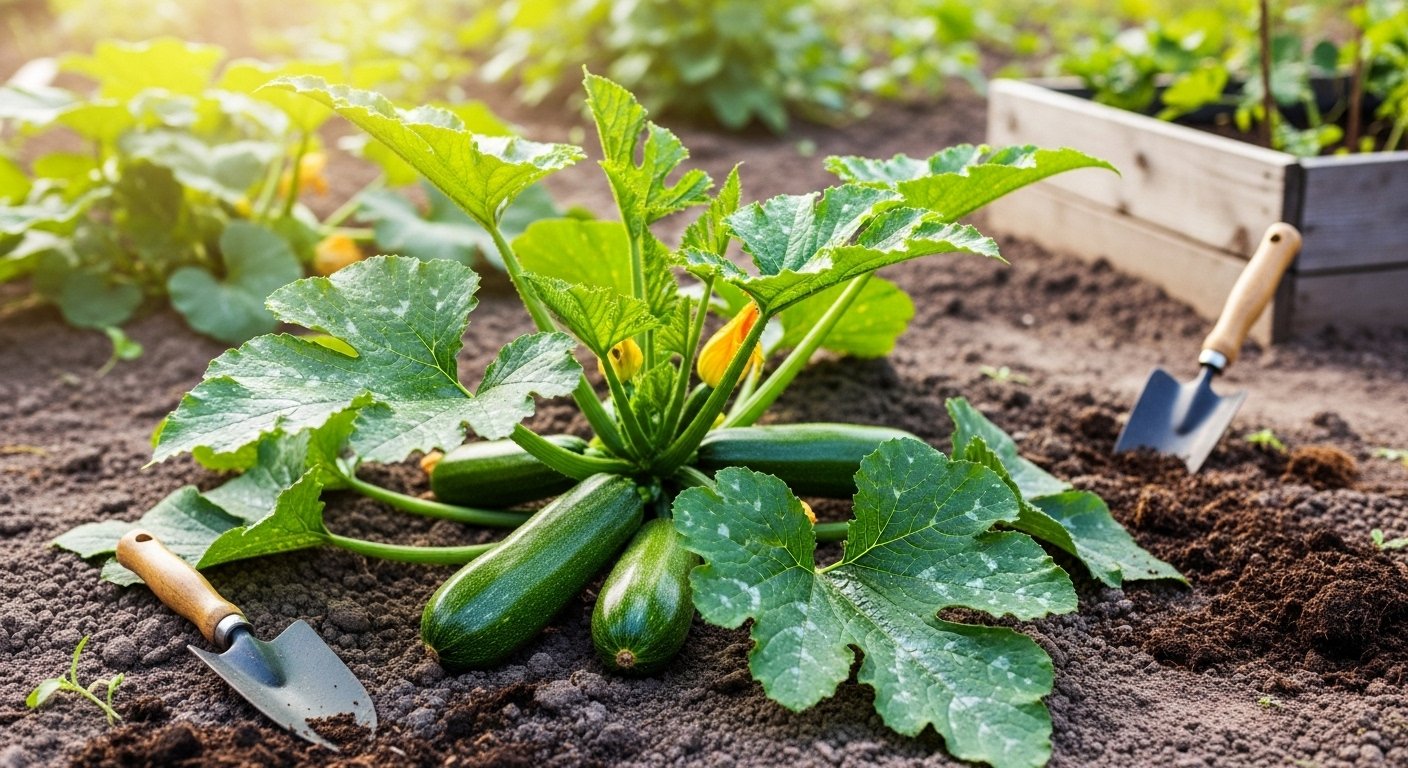
Understanding zucchini’s sunlight needs is key to growing a thriving, productive crop—after all, zucchini is one of the most popular vegetables in home gardens for a reason. Belonging to the squash family, zucchini (Cucurbita pepo) produces glossy green fruits that develop quickly, rewarding gardeners with abundant harvests all summer long. It’s a favorite not only for its impressive yields but also because it’s incredibly easy to grow, even for beginners. Zucchini plants tolerate varied soil types and require minimal fuss, making them an appealing option if you want a high return for relatively little effort.
One reason zucchini is a garden staple is its versatility in the kitchen. You can sauté it, grill it, spiralize it into noodles, bake it into muffins, or enjoy it raw in salads. Zucchini’s mild flavor pairs well with a wide variety of ingredients, making it a fantastic base for countless recipes. Nutrition-wise, zucchini is a powerhouse—low in calories but rich in vitamin C, potassium, and antioxidants, making it a smart addition to almost any diet.
Storage is just as simple. Freshly picked zucchini can be kept in the fridge for up to a week. If you find yourself with more than you can use, you can blanch and freeze slices for use throughout the year or grate and freeze them for baking. With its rapid growth, forgiving nature, diverse uses, and great nutritional value, it’s clear why understanding—and meeting—zucchini’s sunlight needs can reward you with a thriving, delicious addition to your home garden.
When and Where to Plant Zucchini

Timing is everything when it comes to planting zucchini. These heat-loving vegetables thrive in warm soil and don’t tolerate frost. For most gardeners in the Northern Hemisphere, the best time to plant zucchini seeds directly outdoors is a week or two after your region’s last expected frost date—usually between late spring and early summer.
In warmer southern climates, you might get a head start by sowing as early as late March or April. However, if you’re in cooler zones, wait until soil temperatures reach at least 60°F (16°C).
Zucchini plants need a location with full sun exposure, so choose a garden spot that gets at least six to eight hours of direct sunlight daily. Proper drainage is also crucial—avoid low-lying areas where water collects, as constantly wet roots can lead to rot and disease. If your only option is heavy clay soil, consider building raised beds to help excess water drain away.
Preparing your soil before planting gives zucchini a healthy start. Work in plenty of compost or well-rotted manure to boost fertility and improve texture. Aim for soil that’s loose and crumbly, which helps roots grow strong and find nutrients easily. As you prep the planting site, remove large rocks, break up any hard clumps, and mix in a balanced, slow-release fertilizer if your soil test shows it’s needed.
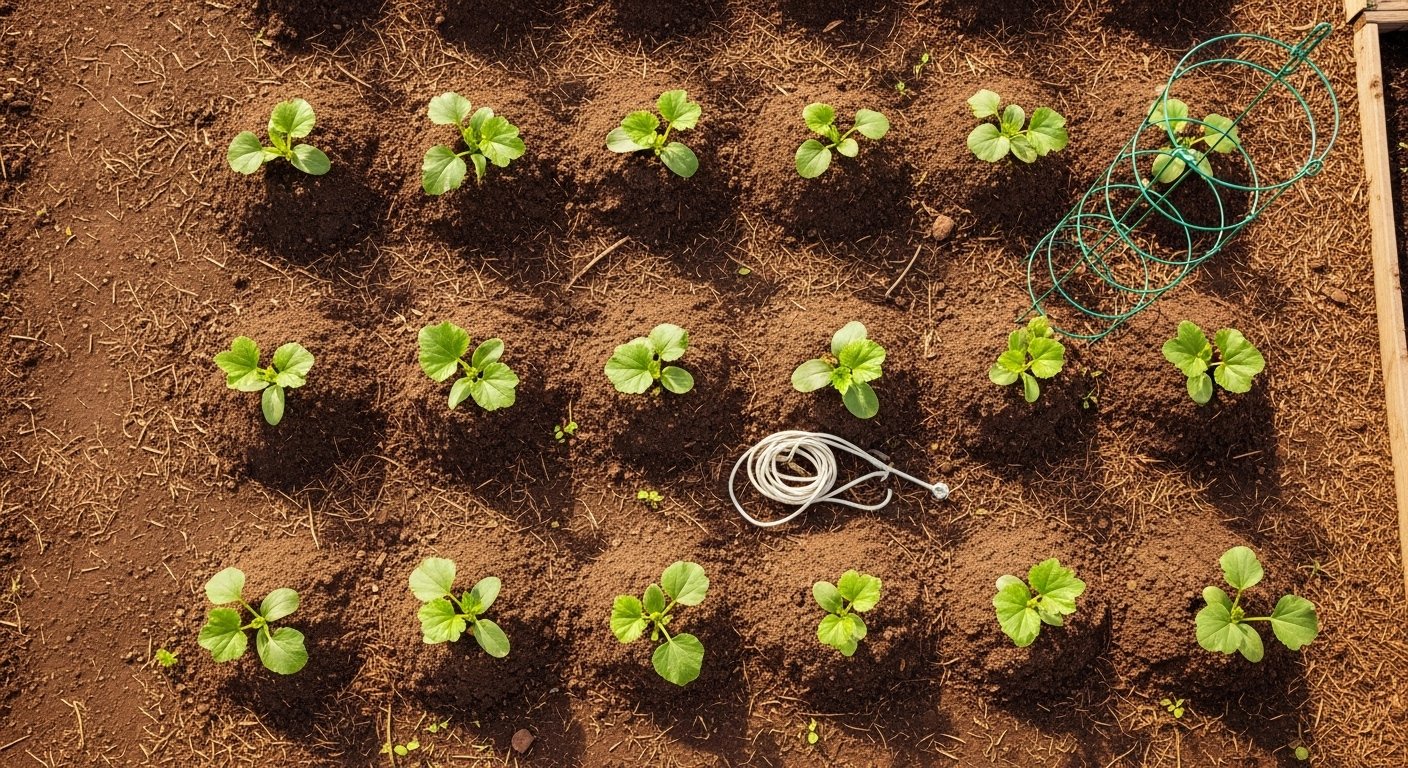
Real-world tip: If space allows, try the “hill method”—create small mounds 2-3 feet apart and plant several seeds per mound. This improves drainage and allows air to circulate, reducing the risk of powdery mildew.
Starting zucchini off in the right place, at the right time, with well-prepared soil gives you the best shot at a bumper harvest all summer long.
How to Plant Zucchini for Success
Planting zucchini can be easy and rewarding when you follow a few simple steps, whether starting from seeds or young plants. Begin by choosing a sunny spot with well-draining, fertile soil—zucchini loves warmth and sunshine.
For seeds, direct sowing is best: form small mounds or hills about 6 to 12 inches apart, with rows 2 to 3 feet apart to encourage good drainage and airflow, which helps prevent disease. Plant 2-3 seeds per mound about 1 inch deep. As seedlings grow, thin them so only the strongest one or two remain per mound; overcrowding leads to weak, spindly plants that may not fruit well.
If using transplants, gently plant them at the same mound spacing, sinking them into the soil just below their lowest set of leaves. Give each plant at least 2 feet of space in all directions since zucchini can get quite leafy and sprawling.
Companion Planting and Spacing
Companion planting is a great organic strategy—beans, peas, radishes, and nasturtiums can all help by attracting beneficial insects and improving soil. However, avoid planting zucchini near potatoes or pumpkins since they can compete for nutrients and space, making both crops less healthy.
Supporting and Maintaining Your Plants
Simple staking with a tomato cage or garden stake helps keep growing plants upright and off the ground, reducing rot and freeing up space. Just tie the main stem gently with soft ties as the plant grows.
While heavy pruning isn’t needed, you can snip off leaves closest to the ground to boost airflow and reduce pests like squash bugs or powdery mildew—just don’t overdo it, since the leaves are vital for photosynthesis.
Watering and Mulching
Water zucchini at the soil level to avoid wetting the foliage, and mulch around the base to keep moisture in and weeds out. With these basics covered, you’ll set your zucchini up for a productive, healthy growing season all summer long.
Nurturing Your Zucchini: Water, Feeding, and Pollination
Getting great zucchini starts with getting watering right. Zucchini plants crave consistency—aim to water deeply at least once a week, or more often in extreme heat, so moisture reaches their deep roots. It’s best to water early in the day to reduce leaf diseases and let foliage dry. Mulching around your zucchini can help the soil retain moisture and keep roots cool.
Watch for yellowing leaves or wilted, limp growth even after watering—this could mean roots are waterlogged or not getting enough oxygen. On the other hand, if you notice shriveling leaves or slow growth, your zucchini is probably thirsty and needs more frequent watering.
Feeding Your Zucchini
Feeding your zucchini is just as vital. Mix compost or a balanced slow-release fertilizer into the soil at planting time, then side-dress with compost or a fertilizer rich in potassium once flowers appear. If your plants show yellowing leaves (especially older ones), pale growth, or delayed flowering, they might be lacking nutrients, especially nitrogen or potassium. Liquid seaweed or fish emulsion can offer a quick nutrient boost.
Pollination
Pollination is key to harvesting those satisfyingly hefty zucchinis. Zucchini flowers rely heavily on bees and other pollinators to move pollen from male to female blossoms. If female flowers fall off or young fruits rot and drop, poor pollination is often to blame.
Help nature along by attracting bees with companion plants like nasturtiums or sunflowers. If bee visits are scarce, try hand-pollinating: use a small paintbrush or cotton swab to collect pollen from a male flower (the one with a slender stem and no baby zucchini behind the petals) and dab it onto the stigma in the center of an open female flower (look for the miniature zucchini at the base).
With steady care and a little encouragement, your zucchini patch will thrive all season long.
Managing Pests and Diseases in Zucchini
Growing zucchini can be rewarding, but the crop is vulnerable to several pests and diseases that can derail your harvest if left unchecked. Among the most notorious pests are squash bugs and vine borers. Squash bugs suck sap from leaves, leaving them wilted and speckled, while vine borers tunnel into stems, causing sudden plant collapse.
To control these pests without harsh chemicals, try hand-picking squash bugs in the early morning when they’re sluggish. Also, check for clusters of coppery eggs underneath leaves and scrape them off promptly. Protect zucchini stems by wrapping the lower stem with aluminum foil to deter vine borers, and use floating row covers early in the season to block pests entirely—just remember to remove covers when flowers bloom to support pollination.
Dealing with Diseases
When it comes to diseases, powdery mildew is a frequent visitor, marked by white, powdery spots on leaves that can stunt growth and fruiting. Bacterial wilt, transmitted by cucumber beetles, causes sudden wilting and plant death.
Disease Prevention Tips
- Water at the base of your zucchini, not on the foliage, to keep leaves dry and less hospitable to fungal spores.
- Promote airflow by spacing plants adequately and pruning overcrowded leaves.
- Rotate crops each year to break pest and disease cycles by denying them a continuous food source.
Integrated Pest Management (IPM)
IPM combines cultural practices with regular scouting, the use of pest-resistant zucchini varieties, and encouraging natural predators like ladybugs, spiders, and parasitic wasps in the garden.
Mulching with straw or dried leaves can also create a barrier that makes it harder for pests to reach plants while suppressing weeds that might harbor trouble.
If you spot early signs of trouble, remove and destroy infected leaves or heavily infested plants rather than composting them, since disease spores and larvae can survive and reappear next season.
By combining these eco-friendly techniques, you can keep your zucchini patch healthy without resorting to chemical sprays, leading to a more resilient and productive garden.
Harvesting and Storing Zucchini
The best time to harvest zucchini is when the fruits are young and tender—typically about 6 to 8 inches long and still glossy. Waiting too long can lead to overgrown squash that are tough, seedy, and bland, which isn’t ideal for most recipes or for your plant’s health.
Gently twist or cut zucchini from the stem using a sharp knife or pruners to avoid damaging the plant. Regular harvesting every couple of days encourages more zucchini to grow, so don’t let fruits linger!
Signs your zucchini is ready include firm skin with a bright sheen and no softness at the blossom end.
Storing Zucchini
For short-term storage, keep freshly picked zucchini unwashed in a perforated plastic bag in the fridge, where they’ll stay fresh for about a week.
Preservation Tips
If you’re faced with a zucchini glut, grating and freezing the squash in pre-measured bags is a lifesaver for winter baking or soups. You can also pickle or dehydrate zucchini for longer shelf life.
And don’t forget to share your abundance—neighbors and local food banks often welcome fresh produce during peak season.
By harvesting at the right time and using smart storage or preservation tricks, you’ll get the most out of every zucchini plant all season long.
Cooking and Enjoying Zucchini: Top Uses and Chef Tips
Zucchini’s versatility makes it one of the most useful vegetables to keep in your kitchen. For a fresh twist, try slicing raw zucchini thinly and adding it to a salad—its mild flavor pairs beautifully with lemony dressings and herbs.
Grilling brings out zucchini’s natural sweetness; simply brush slices with olive oil, season with salt, and grill for 2–3 minutes per side for delicious char marks. For a comfort food upgrade, bake zucchini into breads or muffins to add moisture and nutrients.
Stuffing zucchini is an impressive yet easy dinner: hollow out the middle, fill with a mixture of quinoa, veggies, and cheese, then bake until tender. If you want a low-carb pasta alternative, invest in a spiralizer and turn fresh zucchini into “zoodles.” Toss them with pesto or roasted tomatoes for a light, summer meal.
Classic recipes like ratatouille or zucchini fritters highlight its subtle flavor, while creative ideas include adding shredded zucchini to turkey burgers or chocolate cakes for extra moisture.
For the best texture, avoid overcooking—zucchini cooks fast and can turn mushy. Season generously; since zucchini is mostly water, it soaks up spices, garlic, and herbs well. To prevent sogginess, sprinkle slices with salt and let them sit for a few minutes, then dab off excess moisture before cooking.
Chefs also recommend searing zucchini in a hot pan for caramelization and better flavor. Whether you have a garden surplus or just grabbed a few at the store, these techniques and tips ensure your zucchini dishes are fresh, flavorful, and never boring.