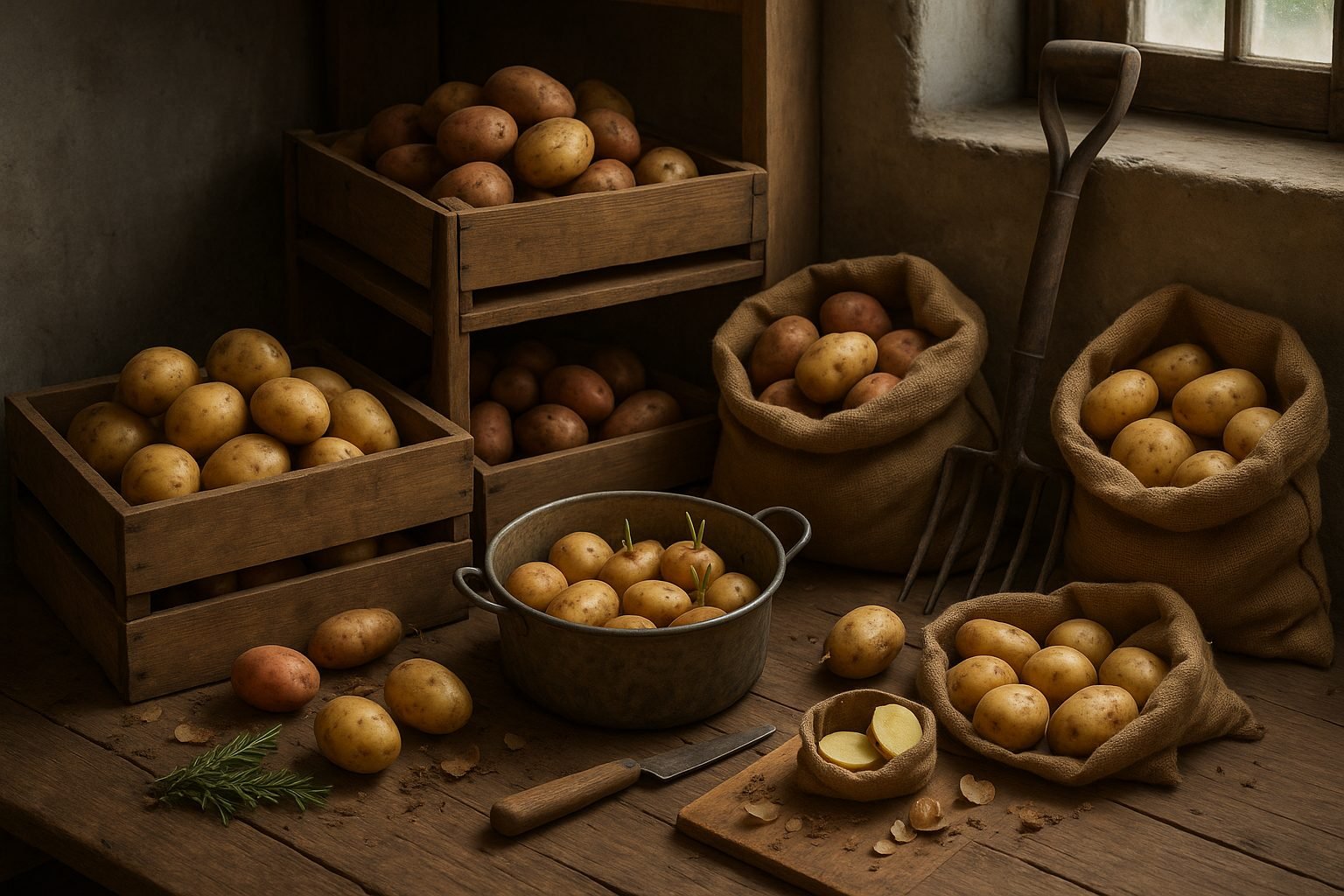
How to Preserve Potatoes Without a Root Cellar
Preserving potatoes can be a real challenge if you don’t have a traditional root cellar, but there are effective ways to keep your spuds fresh and delicious for months. Whether you’re dealing with a bumper harvest or stocking up from the store, learning how to freeze or dehydrate potatoes offers practical, space-saving solutions.
This guide covers everything you need to know to get started—real-world tips for blanching, best practices for dehydration, and how to avoid common mistakes—so your potatoes stay ready for winter soups, quick fries, or homemade hashbrowns, no root cellar required.
Understanding Potato Preservation Basics
Preserving potatoes is essential for anyone growing their own or buying in bulk, as it lets you enjoy your harvest for months while minimizing waste and saving money. For home gardeners, proper storage ensures those hard-earned spuds don’t spoil quickly, while bulk buyers benefit from extended shelf life and fewer trips to the store.
However, storing potatoes isn’t always straightforward—especially if you lack a traditional root cellar, which offers the perfect cool, dark, and humid environment. Many people live in homes without basements, so alternatives like insulated garage corners, unheated closets, or even ventilated boxes in a cool hallway can work.
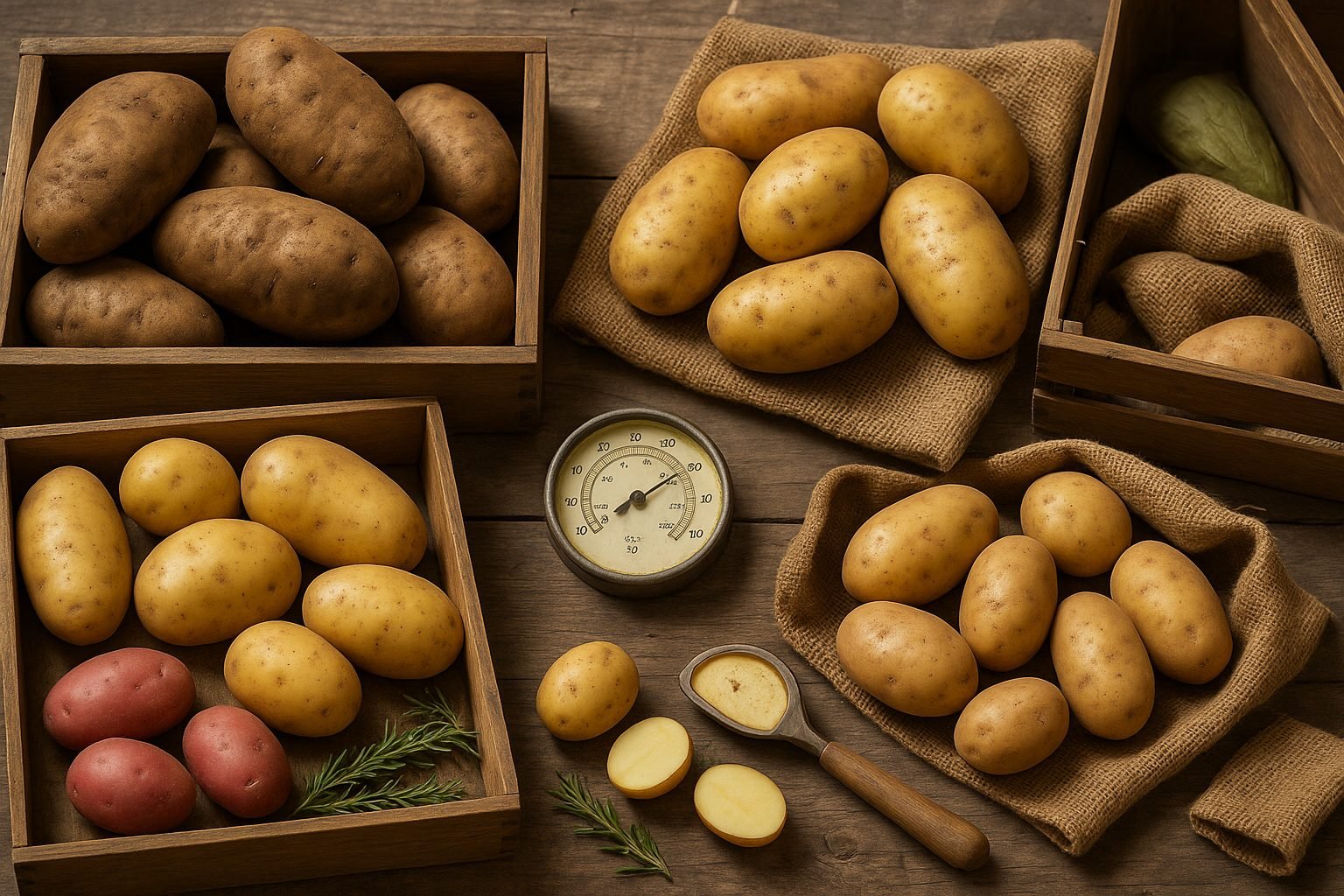
The type of potato you store also makes a big difference: thick-skinned varieties such as Russets, Yukon Golds, and Kennebecs generally last much longer than thin-skinned types like red or new potatoes. Picking the right variety helps reduce sprouting and rotting, which means less food waste overall. Always remove damaged or bruised spuds before storage since just one bad potato really can ruin the bunch.
By choosing the ideal potato type and getting creative with storage solutions, you can keep your supplies fresh well into the colder months, making your harvest or bulk buy truly worthwhile.
Harvesting and Preparing Potatoes for Storage
Harvesting potatoes at the right time is key to ensuring they last through the storage season. Once the plant’s vines have yellowed and dried out—usually a couple of weeks after flowering—your potatoes are ready.
Choose a dry day to dig them up, using a garden fork to gently loosen the soil and lift the tubers without nicking or bruising them, as damaged potatoes spoil quickly in storage. Be gentle; even minor cuts or scrapes can lead to rot.
Once harvested, avoid washing your potatoes. Instead, brush off any excessive dirt by hand or with a soft brush, as moisture from washing can invite disease.
Curing Potatoes
The next vital step is curing, which toughens the skins and helps heal minor injuries. To cure potatoes at home, spread them in a single layer in a cool (around 60°F), well-ventilated spot away from direct sunlight—think of a basement, garage, or shed—for 10 to 14 days. During this period, regularly check for and remove any damaged potatoes to prevent spoilage from spreading.
Storing Potatoes
After curing, gently sort and store only the healthiest-looking potatoes in a dark, cool, and moderately humid spot. Skip plastic bags; instead, use crates or baskets for good airflow.
With these simple practices, your potato harvest will keep longer and taste fresher, making your hard work in the garden pay off well into the colder months.
Creative Cool Storage Solutions Without a Root Cellar
Storing potatoes without a root cellar is easier than you might think when you use in-home spaces wisely. Basements are classic go-tos—just make sure they’re cool (ideally 45-55°F), dark, and have some airflow; avoid putting potatoes next to the furnace or water heater.
Closets on north-facing walls can also work in cooler homes, as long as you leave the door cracked for ventilation. If you turn to a garage, remember to keep potatoes off the concrete (which can attract moisture) by placing them on wooden pallets or shelves, and watch out for freezing temps in winter.
For DIY storage, ventilated boxes or wooden crates lined with newspaper let air circulate, preventing rot; burlap sacks are another smart pick since they block most light while letting air in, though they can absorb moisture if your space is damp.
Insulated coolers are great for keeping a steady, cool temperature and blocking out light, but you must open them every week or two for air exchange—otherwise, potatoes might get moldy.
Use a simple thermometer and humidity gauge (available at any hardware store) to keep tabs on your storage area; potatoes like 80-90% humidity, but anything much higher can cause sprouting or mold. Check your stash every couple of weeks, rotating older potatoes to the front and removing any with soft spots or sprouts.
By combining a good location with the right DIY storage and regular monitoring, your potatoes will stay fresh and flavorful much longer—no root cellar required.
Freezing Potatoes: Step-by-Step Methods
Freezing potatoes is a great way to extend their shelf life and reduce food waste, but not all forms of potatoes freeze equally well. Raw potatoes tend to become mushy and discolored when frozen, so it’s best to prepare them first. Blanched potato cubes, homemade French fries, and mashed potatoes are all excellent options for freezing.
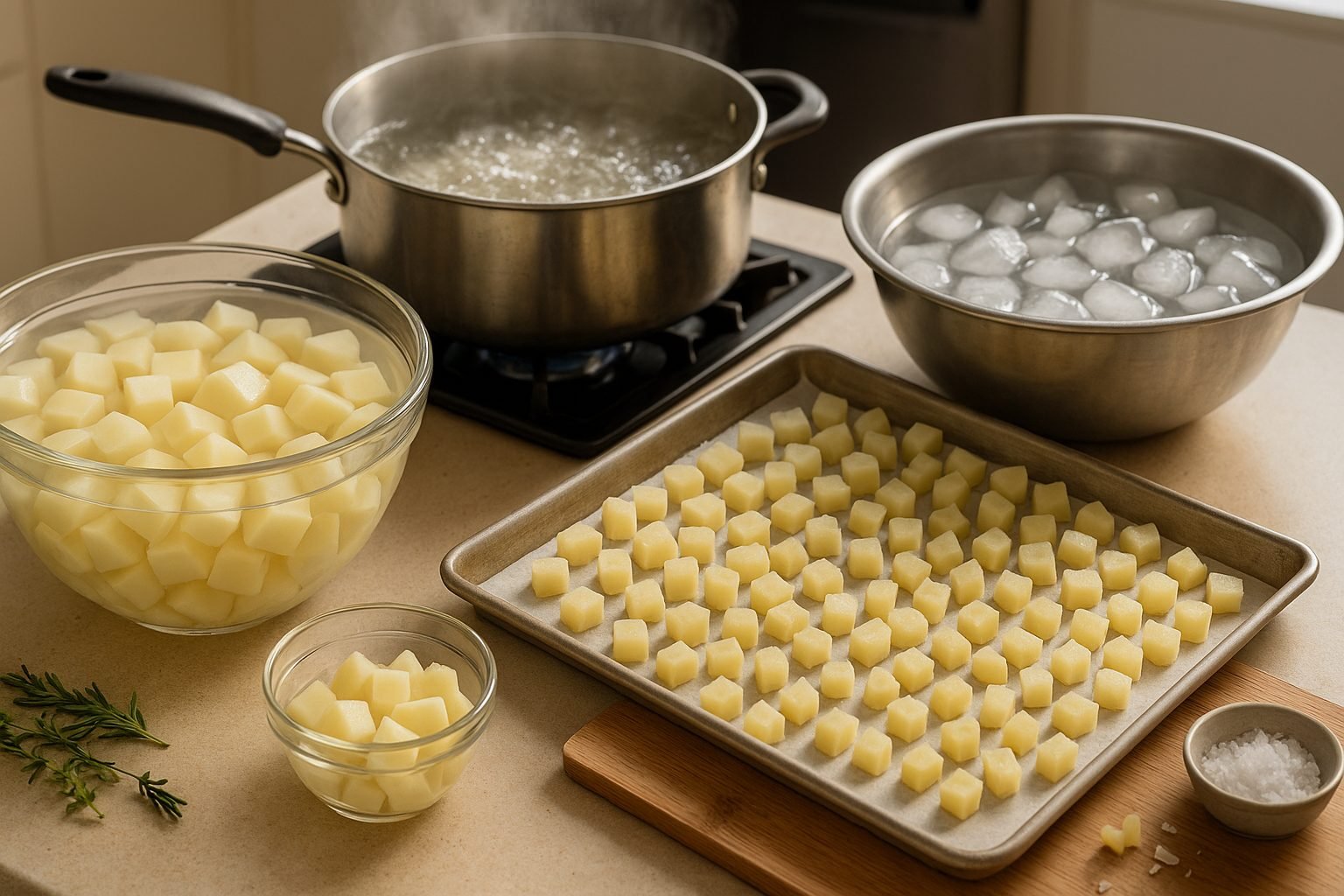
To prepare cubed or sliced potatoes, start by peeling and cutting them evenly. Blanch the pieces in boiling water for 3-5 minutes—this halts enzyme activity that causes discoloration—then quickly submerge them in ice water to stop the cooking process. Drain thoroughly and pat dry before spreading the pieces in a single layer on a baking sheet to pre-freeze for an hour.
For fries, follow the same steps as for cubes, just cut the potatoes into sticks instead.
Mashed potatoes should be prepared as usual, but with a little extra butter or cream to help retain a creamy texture after thawing; let them cool completely before portioning.
Once pre-frozen, transfer your potatoes to airtight containers or freezer bags, removing as much air as possible to prevent freezer burn. Label packages with the date and contents so you can keep track of what’s inside and when to use them (ideally within 10-12 months).
When you’re ready to cook, blanched potatoes and fries can go straight from the freezer into boiling water or the oven without thawing—just adjust the cooking time a bit longer. Mashed potatoes should be thawed overnight in the fridge or reheated gently in the microwave or on the stovetop, stirring occasionally for even heating.
With these steps, you’ll have ready-to-cook potatoes on hand for quick meals any time.
Canning and Dehydrating Potatoes for Long-Term Use
When it comes to preserving a bulk potato harvest, both pressure canning and dehydrating are fantastic, space-saving solutions—each with its own strengths. Pressure canning fully cooks the potatoes and seals them in jars, ready to eat anytime. This method is ideal for quick weeknight soups or casseroles. Dehydrating, on the other hand, reduces potatoes to a fraction of their original size, making them perfect for compact storage and backpacking meals.
For canning, peel and chop the potatoes, then briefly boil them to prevent cloudiness. Pack the potatoes hot into sterilized jars with boiling water, and process them in a pressure canner. (Never use a boiling-water bath—spores that cause botulism require higher temperatures to destroy.)
For dehydrating, slice potatoes thinly and blanch them to preserve texture and color. Arrange the slices on dehydrator trays and dry them for several hours until they become crisp and leathery.
Store canned potatoes in a cool, dark place and use them within a year. Properly dried potatoes keep even longer when stored in airtight containers.
Essential Equipment
- A reliable pressure canner for canning
- A quality dehydrator for drying
Both methods require precise temperature control to ensure safety. Always inspect preserved potatoes before use—never taste them if you notice bubbles, odd smells, or broken seals.
Using Preserved Potatoes
With canned potatoes, you can quickly mash, fry, or add them to stews. Dehydrated potatoes rehydrate easily with hot water, perfect for camping hashbrowns or creamy potato soup.
By mastering either method, you’ll unlock easy meals and minimize waste—making the most of every potato while saving storage space in your pantry.
Troubleshooting & Additional Tips for Potato Preservation Success
Keeping your potatoes fresh through the seasons requires some easy troubleshooting and proactive care. If you notice small green shoots or “eyes” appearing, it means sprouting has begun—usually triggered by too much warmth or light.
To manage this, store potatoes in a cool (45–50°F), dark, well-ventilated place and check your stash every couple of weeks. Remove any sprouted potatoes promptly before the sprouts drain nutrients from the rest, and rub off small sprouts with a clean hand or paper towel.
Shriveling typically signals that your potatoes are losing moisture, which often happens in overly dry storage or if they’re kept too long. To combat this, maintain moderate humidity (not too dry, not damp), and use up shriveled potatoes soon—they’re still safe to eat but best added to soups or stews.
Mold is another common culprit, appearing as fuzzy or discolored patches, especially if air can’t circulate or if a potato is damaged. Always toss out moldy potatoes quickly, as mold can spread. Avoid storing your pile in plastic bags, and skip washing potatoes before storage since moisture encourages rot.
Plan a quick seasonal check as temperatures change; in the spring and fall, give your stored potatoes a careful once-over, discarding any with soft spots or off smells.
To keep spuds from sprouting, add an apple to your storage bin—the fruit releases ethylene gas, which can slow sprouting a bit, though it’s not foolproof.
As for shelf life, well-cured potatoes last three to six months in perfect conditions, but rotate your stash regularly and always use older ones first.
When using preserved potatoes, trim away any eyes or green spots before cooking and enjoy them in mashed, roasted, or baked dishes—preserved potatoes are just as versatile and tasty as freshly bought ones.