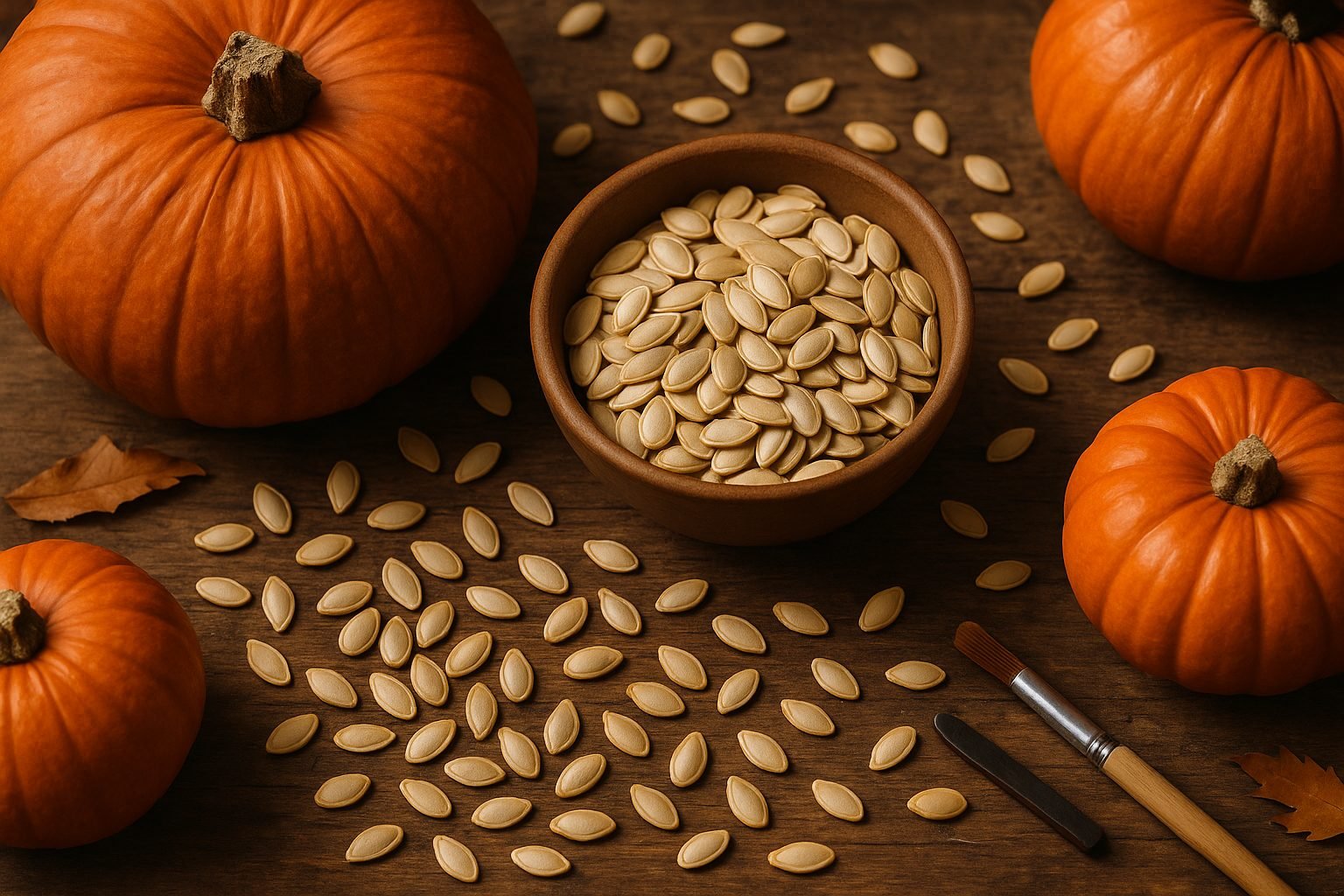
The Benefits of Pumpkin Seeds
Saving pumpkin seeds isn’t just a clever trick for next year’s garden—it’s also a wonderful way to tap into one of nature’s powerful nutritional powerhouses. Whether you’re planning your spring planting or simply looking for a healthy snack, pumpkin seeds have a lot to offer.
Packed with magnesium, zinc, protein, and healthy fats, these tiny seeds are known to support heart health, bolster immunity, and even help regulate blood sugar. In many households, roasted pumpkin seeds are a crunchy, satisfying treat that’s easy to customize with spices or toss into salads and baked goods for an added fiber boost.
But their value stretches beyond the kitchen. By saving pumpkin seeds from this year’s harvest, you not only reduce food waste but also take a sustainable, budget-friendly step toward next season’s planting. Gardeners love the satisfaction of growing robust pumpkins from seeds they’ve prepared themselves, knowing each fruit carries the potential for another future crop.
Even if you don’t have a green thumb, pumpkin seeds can be shared with friends, swapped within your local gardening community, or simply composted to enrich soil naturally. In all, saving pumpkin seeds connects us to both our health and the rhythms of the growing season—turning a simple autumn ritual into a habit that supports well-being, sustainability, and community.
Choosing and Harvesting Pumpkin Seeds
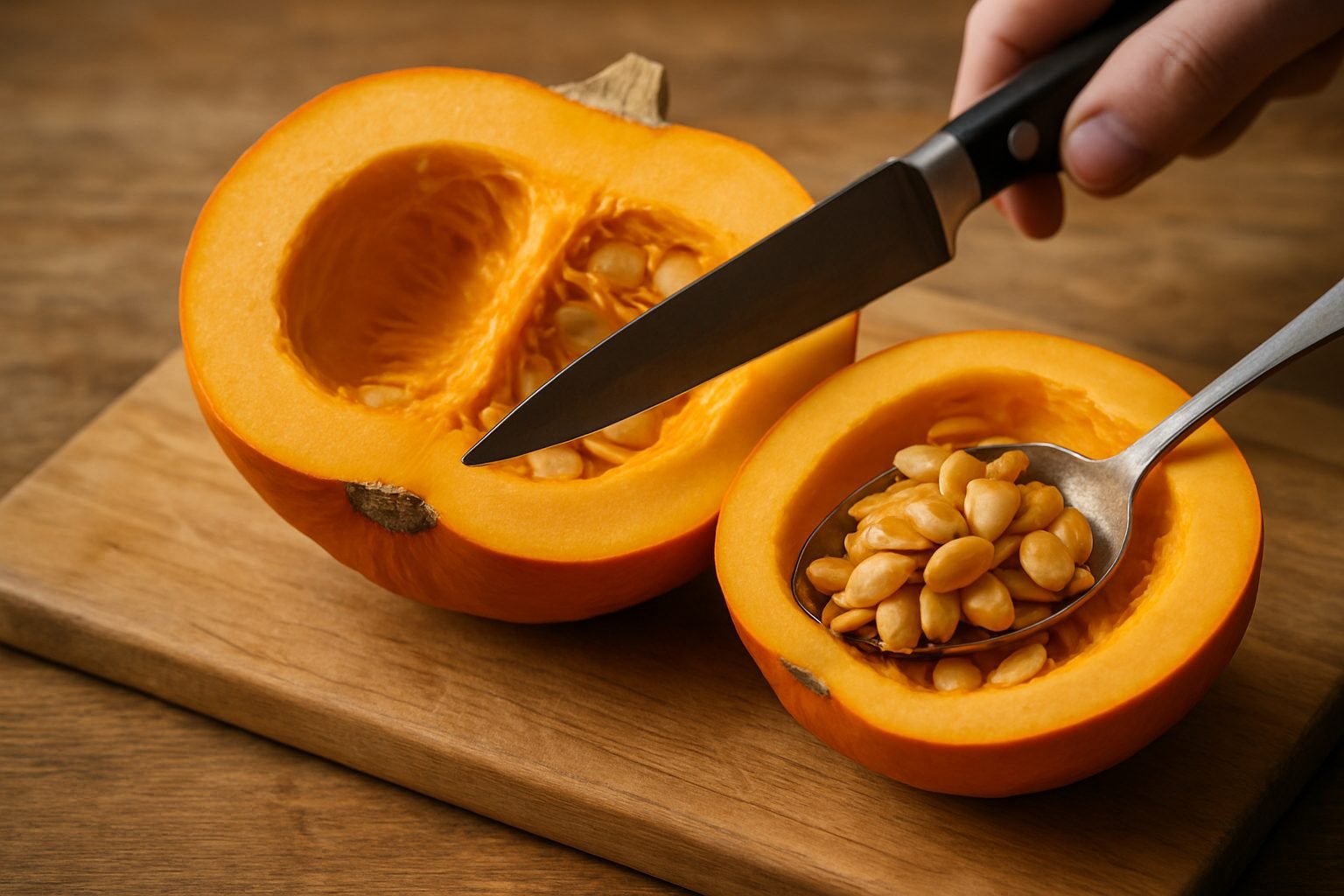
Selecting the right pumpkins is the first step toward harvesting high-quality seeds. To maximize both quantity and quality, look for fully mature pumpkins with hard, deep-colored rinds—these typically contain more developed seeds. If possible, choose heirloom or open-pollinated varieties rather than hybrids, since seeds from hybrids often won’t grow true to the parent plant.
When seeking pumpkins for seed harvesting, local farmers’ markets or garden centers can be great options, as sellers often know which varieties are best suited for saving. Once you have your pumpkins, start the harvest by cutting the fruit open with a sharp knife and using a sturdy spoon to scoop out the seeds along with the surrounding pulp.
Place the mixture in a bowl of water and gently separate seeds from pulp with your hands; good seeds will sink, while empty or immature ones float. Rinse seeds thoroughly in a colander, then spread them in a single layer on a towel or paper plate—avoid using newspaper, as seeds can stick and mold. Let them dry in a cool, well-ventilated spot for about a week, stirring daily to prevent clumping.
For best results, harvest seeds from several pumpkins to increase genetic diversity and overall yield. Avoid washing seeds in hot water, which can damage their protective coating. With some attention to variety, ripeness, and gentle handling during harvest, you’ll end up with a stash of plump, viable pumpkin seeds perfect for roasting or planting next season.
Cleaning and Preparing Pumpkin Seeds
Cleaning pumpkin seeds is a straightforward process, but a few simple tricks can make it much easier and more effective. After scooping the seeds from the pumpkin, place them in a large bowl of water to help separate the orange pulp. The seeds tend to float while the heavier pulp sinks, making it easy to skim the seeds off the top.
If you find the seeds are sticky or covered with stubborn residue, rubbing them gently under running water or between your hands can help. Don’t worry if a little pulp remains—it won’t hurt the seeds.
Once the seeds are clean, spread them out in a single layer on a clean towel or baking sheet and let them dry thoroughly. This step is crucial whether you plan to roast or plant them, as moisture can cause the seeds to mold.
For Snacking
Toss the dried seeds with oil and your favorite seasonings, then roast them in the oven at 300°F (150°C) for 20–30 minutes, stirring occasionally until golden and crispy.
For Planting
Select the largest, healthiest-looking seeds and dry them completely (about a week in a cool, airy place). Store them in a labeled envelope in a cool, dry spot for next spring.
If seeds are slippery and hard to handle, try patting them dry with a paper towel before seasoning or storing.
With a little care and patience, your pumpkin seeds can be transformed into a healthy snack or new plants for your garden, making the most of what’s usually tossed away.
Roasting Pumpkin Seeds to Eat
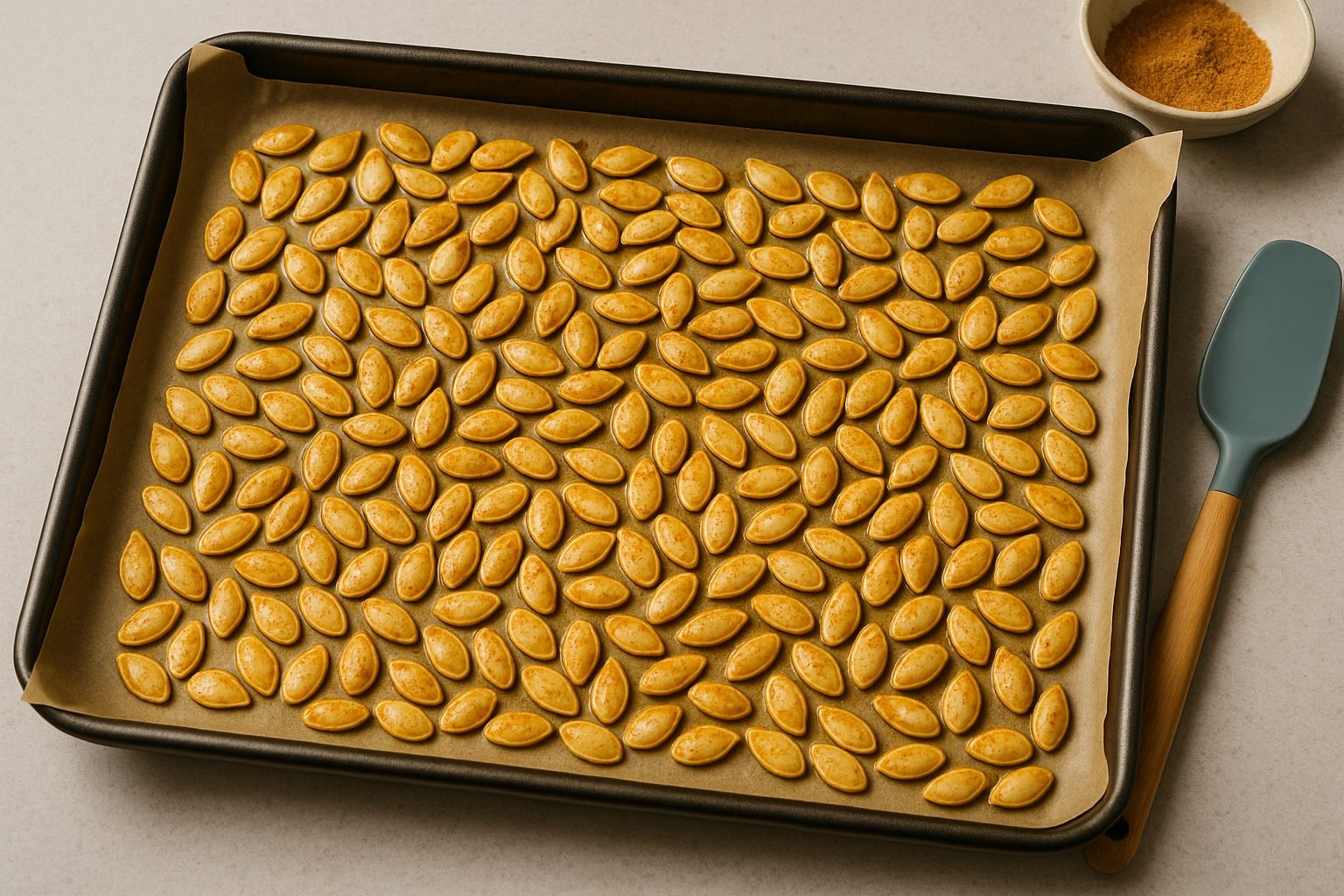
Roasting pumpkin seeds is a fun and easy way to turn food scraps into a delicious snack. Start by scooping the seeds from your pumpkin, then rinse them thoroughly in a colander to remove any strings or pulp. Pat the seeds dry with a paper towel—getting them as dry as possible helps achieve that coveted crunch.
Toss the dry seeds in a bowl with olive oil or melted butter and a generous sprinkle of salt, plus your choice of seasonings. For classic flavor, stick to just salt or try garlic powder, smoked paprika, cinnamon sugar, or even ranch seasoning for something different.
Spread the seeds in a single layer on a parchment-lined baking sheet so they roast evenly. Bake at 350°F (175°C) for 20–30 minutes, stirring every 10 minutes to ensure even browning; keep an eye on them so they don’t burn.
For an extra crispy texture, you can let the seeds air-dry overnight before seasoning and baking. Once roasted golden and fragrant, let them cool completely before storing in an airtight container at room temperature—they’ll stay fresh and crunchy for about a week. For longer storage, refrigerate or freeze them for up to two months.
With these steps, you’ll have a tasty, crunchy snack that’s good as-is or perfect for adding to salads and trail mix.
Saving and Storing Seeds for Planting
Saving seeds from your garden is a rewarding way to grow next season’s crops for free, but a few simple steps are essential to keep your seeds fresh and healthy. Start by choosing seeds from the healthiest, best-performing plants—this ensures the strongest offspring.
After harvesting, thoroughly dry seeds on a paper towel or screen in a cool, airy spot, turning them occasionally. Moisture is the enemy, as damp seeds can mold or rot in storage. For wet seeds like tomatoes or cucumbers, ferment them in water for a few days to separate pulp and inhibitors, then dry as above.
Once dry, let larger seeds like beans or squash cure in their pods for another week or two out of direct sunlight. Always label seeds right away with the plant variety and date collected—trust us, it’s shockingly easy to forget!
Store your seeds in paper envelopes, jars, or small zip bags, then tuck those into an airtight container in a consistently cool, dark, and dry place—an interior closet or basement works well, or even your fridge for longer storage.
Checking Seed Viability
To check if your saved seeds are still viable next planting season, run a quick germination test: place about 10 seeds on a damp paper towel, fold it up, seal it in a plastic bag, and keep it at room temperature. After a week or two, count how many sprout.
If at least 7 out of 10 seeds germinate, you’re good to plant; if fewer sprout, consider sowing more heavily or replacing your seed stock.
With these easy habits, you’ll be able to enjoy homegrown plants year after year, knowing exactly where your seeds came from.
Frequently Asked Questions about Pumpkin Seeds
Pumpkin seeds are not only edible but also a nutritious snack packed with fiber, protein, and healthy fats. You can enjoy them raw, roasted, or tossed into salads and baked goods.
Many people wonder if the whole seed, shell included, is safe to eat—yes, it is, though some prefer to remove the shells for a more tender texture.
Storing pumpkin seeds properly is vital for freshness. Make sure they’re completely dry before sealing them in an airtight container, and keep them in a cool, dark spot. When stored this way, raw seeds can last up to three months, while roasted seeds stay fresh for a few weeks.
If your seeds turn soft, musty, or smell rancid, it’s time to toss them. Harvesters often face moldy seeds due to excess moisture; a quick fix is to rinse them thoroughly and dry them in a single layer—either by air for a day or with low heat in the oven.
For stubborn shells, soaking seeds in water overnight can soften them.
Contrary to myths, pumpkin seeds aren’t poisonous, and eating them won’t cause your appendix to burst—a lingering old wives’ tale.
Some worry that store-bought pumpkin seeds are less nutritious than freshly harvested ones. In reality, both provide similar health benefits as long as they’re not overly salted or processed.
Additionally, pumpkin seeds are incredibly versatile: they can be ground into pesto, added to granola, or blended into smoothies.
Overall, taking a few extra steps with drying and storing can make your pumpkin seeds last longer and taste better, so you can enjoy their many uses year-round without hassle.