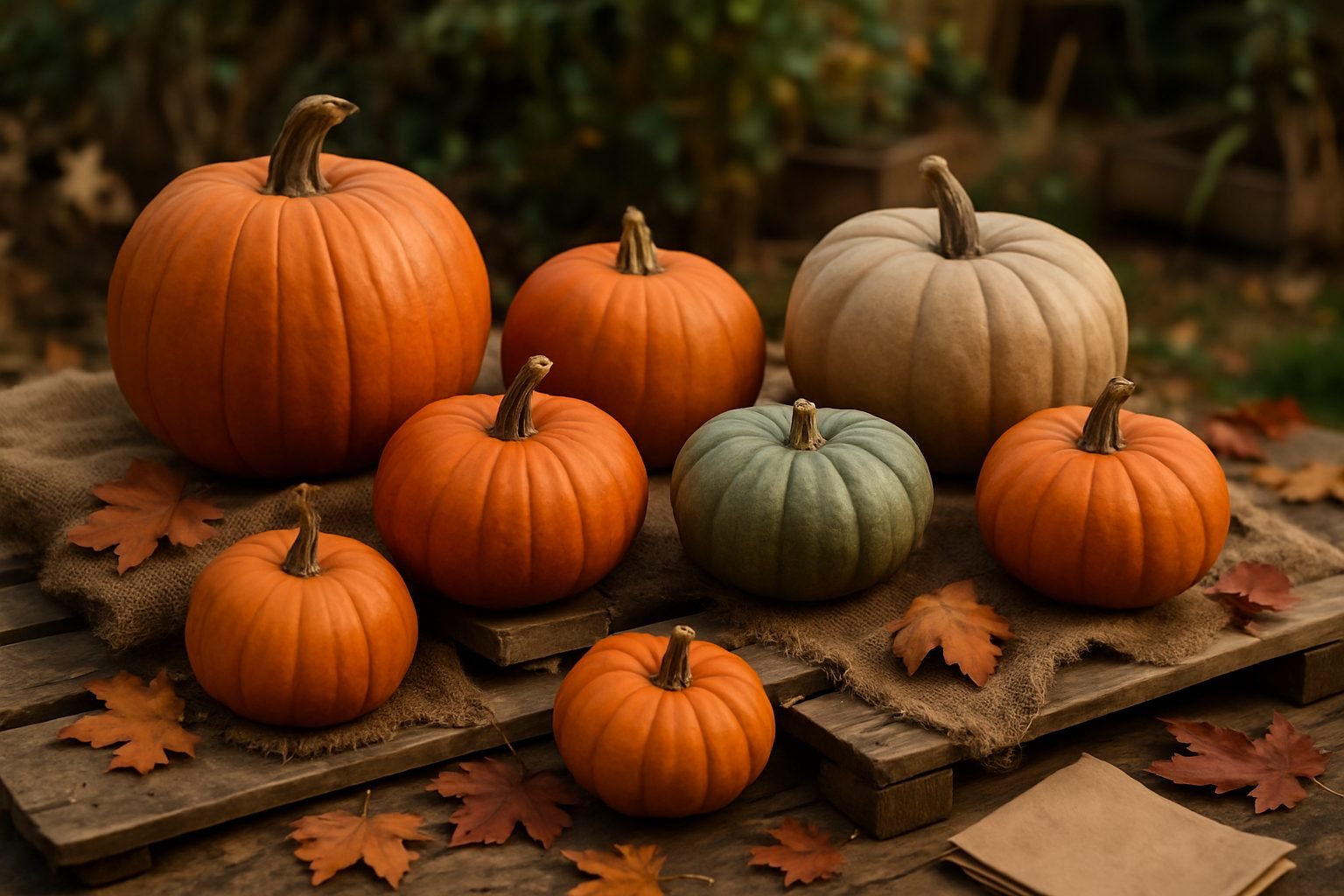
When to Harvest Pumpkins
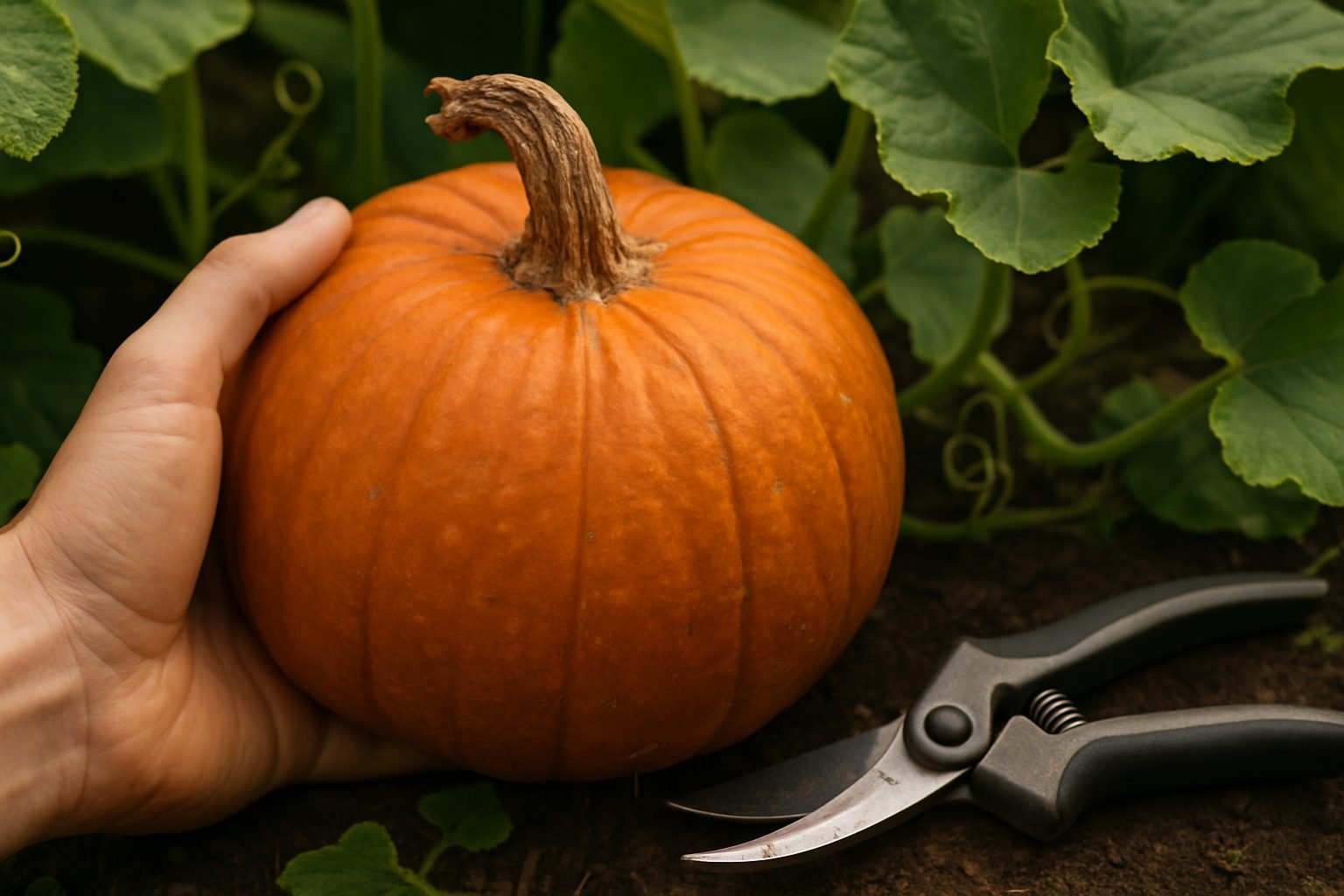
Storing pumpkins at home starts with knowing exactly when to harvest them—timing is everything if you want your pumpkins to last through the season. In most regions, the typical pumpkin growing season runs from late spring to early fall, with harvesting usually taking place from late summer into early autumn.
Pay close attention to the color: a perfectly ripe pumpkin will have a deep, uniform shade—whether it’s classic orange or a quirky heirloom hue. The rind should feel hard when you press your fingernail into it, resisting indentation, and the stem should look dry and a bit shriveled. These are signs that the pumpkin has matured fully on the vine, which means it’s ready to be picked for the best storage potential.
Don’t wait too long, though. It’s crucial to harvest your pumpkins before the first hard frost hits, as freezing temperatures can damage the skin and shorten their shelf life indoors. Once you’ve picked at just the right time, your pumpkins will be better equipped for long-term storage inside—whether you’re decorating, cooking, or just enjoying their autumnal charm.
How to Tell if Your Pumpkin is Ripe
Knowing when your pumpkin is ripe ensures the best flavor and longest storage, and it starts with a few simple visual and tactile checks.
First, inspect the color: a ripe pumpkin usually has a deep, uniform orange hue without any green patches. Be sure to rotate the pumpkin and examine all sides—even the bottom that sat on the ground.
The skin, or rind, is another big indicator. Try pressing your fingernail gently into the surface; if the skin resists puncture and feels hard, your pumpkin is likely mature. In contrast, an immature pumpkin will have soft skin that easily dents or scratches.
The stem also offers clues—look for a hard, dry, and shriveled stem, not a green or flexible one.
You can also give your pumpkin a light thump; a ripe one often sounds hollow, while an immature one will sound dull or squishy.
When in doubt, err on the side of waiting a little longer, since pumpkins don’t continue ripening much once picked.
If you’re planning to bring a pumpkin inside or carve it, handle it with care and avoid carrying it by the stem to prevent premature rotting or damage.
Proper Harvesting Techniques
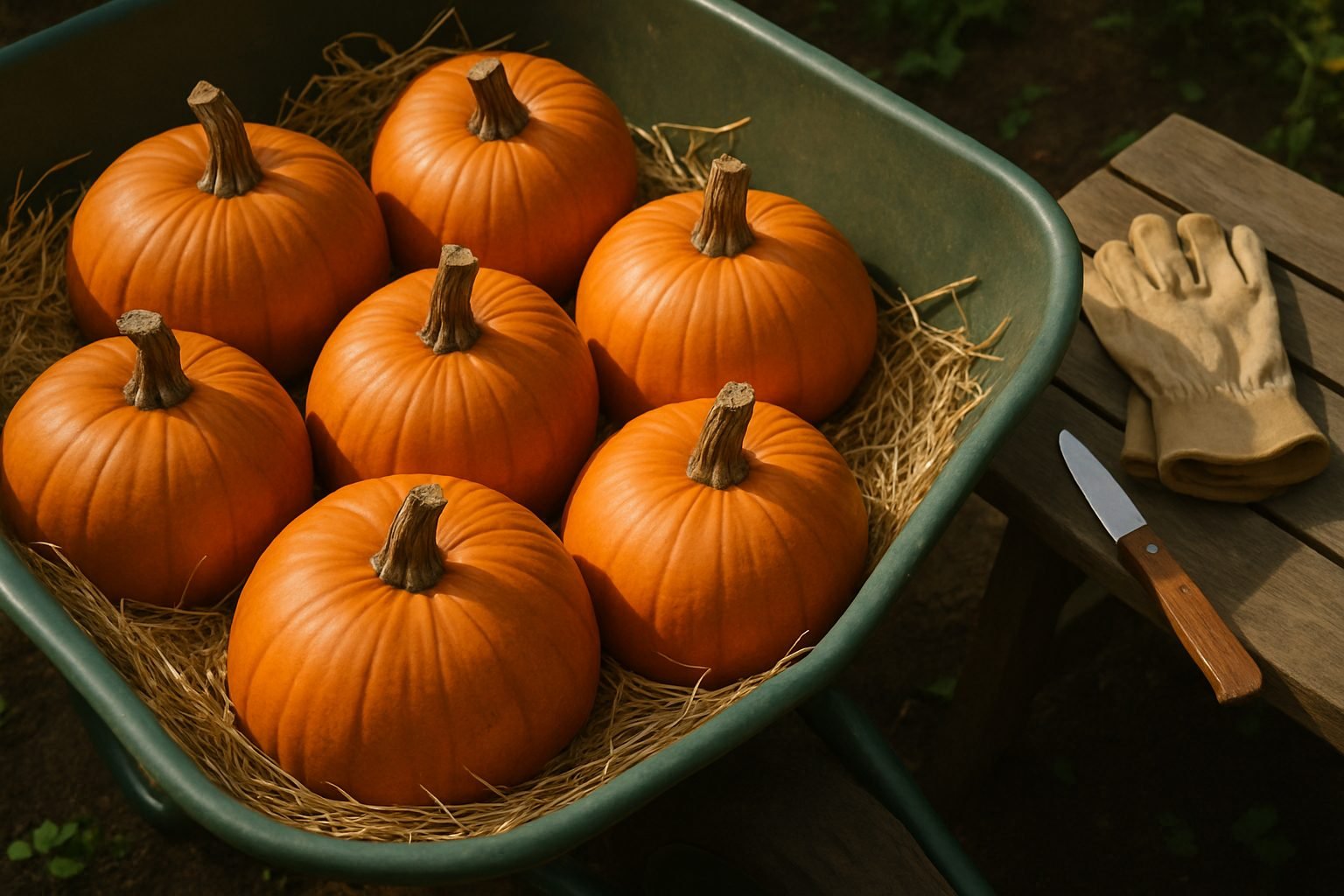
When harvesting pumpkins, timing and technique make all the difference in preserving their quality. Start by selecting a dry day, as wet pumpkins are more susceptible to bruising and rot. Use a clean, sharp pair of garden shears or a sturdy knife—dull or dirty tools can damage the vine or introduce disease.
Cut the pumpkin leaving at least 3 to 4 inches of stem attached; this helps the pumpkin last longer in storage and reduces the risk of rot. Always grasp the pumpkin gently from the bottom rather than the stem, as the stem can break off if pulled, creating an entry point for decay.
Place the cut pumpkins carefully into a wheelbarrow or onto soft padding to avoid bumps and bruises. Wear gloves and sturdy shoes to protect yourself from slick vines and sharp tools, and be mindful of where your other hand is while cutting.
Taking time to cut and handle pumpkins with care not only preserves their appearance but also ensures they’ll last through the season, whether for eating or autumn decor.
Curing Pumpkins for Storage
Curing pumpkins is a crucial step if you want them to last through the fall and even into winter. Freshly harvested pumpkins have softer outer skins, which makes them more vulnerable to rot and mold. By curing, you allow the skin to harden and heal any minor cuts, dramatically extending their shelf life.
To cure your pumpkins, place them in a warm (about 80°F), dry, and shaded location—such as a porch, shed, or under a canopy—for 7 to 14 days. Good airflow is important, so avoid stacking them.
During this period, check your pumpkins daily for early signs of trouble. If you spot any moldy patches or soft spots, immediately remove the affected pumpkins to prevent spread.
Once the skin feels firm and the stem dries and turns brown, your pumpkins are cured and ready for long-term storage in a cool, dry space.
Best Ways to Store Pumpkins
To keep your pumpkins fresh for months, store them in a cool, dry, and well-ventilated area—think basement, garage, or an unheated room where temperatures stay between 50-60°F (10-16°C). Avoid damp places like basements that get musty, since moisture can cause mold or rot.
First, cure your pumpkins by letting them sit in a warm, sunny spot for about 10 days to toughen their skin and extend shelf life—properly cured pumpkins can last 2-3 months, sometimes even longer.
Place them on shelves or wooden pallets so air can circulate, and keep them spaced out to avoid bruising or spreading rot.
If you want pumpkins with serious staying power, choose varieties like ‘Long Island Cheese’ or ‘Jarrahdale,’ as they’re known for outlasting standard jack-o’-lantern types.
Check your pumpkins regularly and quickly remove any that show soft spots to prevent an outbreak of rot.
Common Harvesting and Storage Problems
Harvesting and storing pumpkins isn’t always straightforward—common problems like rot, premature softening, and mold can quickly ruin your hard-earned harvest. These issues often arise from harvesting pumpkins before they’re fully mature or storing them in damp, poorly ventilated spaces.
To avoid rot and mold, always inspect your pumpkins before bringing them inside, gently removing any with bruises, cuts, or soft spots. Store only healthy, fully cured pumpkins in a cool, dry place, ideally with plenty of airflow and off the cold ground.
Regularly check pumpkins for signs of trouble, and remove any that start to spoil to prevent problems from spreading. If you notice minor damage or soft patches, use those pumpkins first—cut away affected areas and cook or freeze what’s still good.
Staying diligent with inspection and sorting helps keep your pumpkins fresh longer and ensures you won’t lose your harvest to these preventable problems.
Creative Uses for Harvested Pumpkins
Harvested pumpkins are incredibly versatile, offering plenty of creative uses beyond Halloween. For cooking, try roasting chunks with olive oil and spices for a savory side, or blend cooked pumpkin into creamy soups and classic desserts like pumpkin bread or pie.
If you can’t use it all right away, safely preserve pumpkin by cutting it into cubes, roasting or boiling until soft, then pureeing and freezing in airtight containers for easy use later—perfect for smoothies or baking.
Besides cooking, pumpkins make festive autumn decorations. Place uncarved pumpkins on your porch, or use smaller ones as whimsical centerpieces.
Once you’re done decorating and cooking, compost leftover pumpkin shells to enrich your garden soil.
Don’t forget to save the seeds:
- Rinse and dry them thoroughly.
- Choose the biggest ones to store in a cool, dry place for planting next year.
- Roast some with a pinch of salt for a tasty snack.